Survival Foraging Guide
Critical Warning
Misidentification of plants can be fatal. Starvation takes weeks; poisoning can kill in hours. When in doubt, do not eat it. This guide is a reference tool, not a substitute for hands-on field experience.
How to Use This Database
- Start with your country — Go to the homepage and browse plants by region.
- Search by name — Use the search bar to find specific plants by scientific or common name.
- Cross-reference carefully — Use photos, descriptions, and family information to confirm identity.
- Browse families — The Plant Families page helps you learn family-level identification patterns.
The 15 Rules That Prevent Death
- Never eat any plant you cannot identify with 100% certainty. When in doubt, go hungry.
- Never eat wild mushrooms unless you are an expert. Mushroom misidentification causes the majority of fatal plant poisonings worldwide. The death cap alone is responsible for 90% of mushroom fatalities.
- Never assume a plant is safe because an animal eats it. Deer eat death camas. Birds eat nightshade berries. Squirrels eat Amanita mushrooms.
- Avoid plants with milky or discolored sap unless positively identified as safe (exceptions: dandelion, lettuce, figs).
- Avoid white, yellow, and green berries — roughly 90% are poisonous. About 50% of red berries are dangerous. Blue and black berries are safest but still require identification.
- Avoid all plants with umbrella-shaped white flower clusters (umbels) unless certain of identification. The carrot family contains some of the most lethal plants on earth.
- Avoid plants with a bitter almond or peach-pit smell — this indicates cyanide compounds.
- Avoid beans, seeds in pods, and bulbs from unknown species — many contain deadly alkaloids or lectins.
- Always cook plants when possible. Cooking destroys many (not all) toxins, kills parasites, and makes nutrients more bioavailable.
- Never eat plants from contaminated areas: within 50m of busy roads, near industrial sites, areas treated with pesticides.
- Never eat raw aquatic plants — risk of liver flukes and other parasites.
- Start with small amounts of any new food, even positively identified plants.
- Learn the deadliest plants in your region first. Knowing what will kill you is more important than knowing what you can eat.
- Never forage when starving and desperate if you can avoid it. Desperation leads to misidentification.
- Teach children to never put any wild plant in their mouths.
Universal Warning Signs
- Milky or discolored sap (white, yellow) — treat as dangerous by default
- Bitter almond or peach-pit smell — indicates cyanogenic glycosides (cyanide)
- Umbrella-shaped flower clusters (umbels) with white flowers — the carrot family contains both edible and lethal species
- Three-leaved growth pattern — "Leaves of three, let it be" (poison ivy, poison oak)
- Green, yellow, or white berries — approximately 90% are poisonous
- Seeds inside pods from unknown legume species
- Grain heads with pink, purple, or black spurs — ergot fungus
- Extremely bitter taste — usually indicates alkaloids or glycosides
Safe Family Patterns (Generally Reliable)
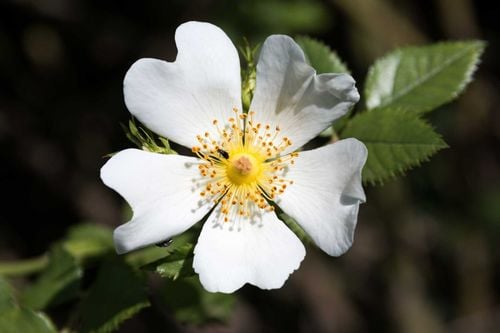
- Rose family (Rosaceae) — Nearly all fruits are edible: apples, pears, cherries, plums, strawberries, raspberries, blackberries, rose hips.
- Grass family (Poaceae) — All grass seeds are edible. No known poisonous grasses.
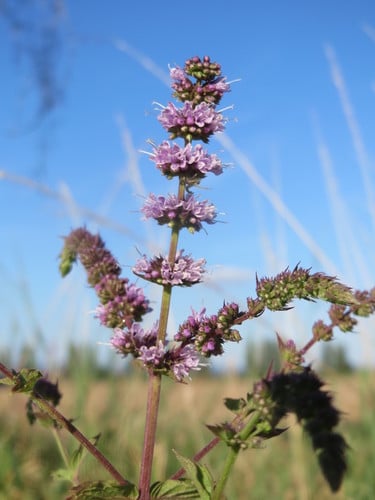
- Mint family (Lamiaceae) — Square stems + opposite leaves. Vast majority are safe: mint, thyme, sage, basil, lavender.
- Mustard family (Brassicaceae) — 4-petaled cross-shaped flowers. All are edible (many are peppery).
The Universal Edibility Test
Source: U.S. Army Field Manual FM 21-76. Total time: ~24 hours. Do not shortcut any step.
Prerequisites: Fast for 8 hours. Drink only purified water. Test only ONE plant part at a time. Prepare it the way you intend to eat it.
- Separate — Divide into parts: leaves, stems, roots, buds, flowers, fruit. Each may have different toxicity.
- Smell test — Crush and smell. Reject anything with strong, acidic, or foul odor. Bitter almonds or pears = possible cyanide.
- Skin contact test (wait 8h) — Rub juice on inner wrist. Wait 8 hours. If any reaction, discard.
- Lip test (wait 3 min) — Touch a small piece to corner of lip. If burning/itching, stop.
- Tongue test (wait 15 min) — Place on tongue without chewing. If any reaction, spit out and rinse.
- Chew test (wait 15 min) — Chew and hold in mouth. Do NOT swallow. Spit out if any reaction.
- Swallow test (wait 8h) — Swallow a very small amount. If nausea/cramps, induce vomiting.
- Larger portion (wait 8h) — Eat a palm-full. If no ill effects, that specific part prepared that specific way is likely safe.
Critical limitations: The UET does NOT work for mushrooms — mushroom toxins can take days to show symptoms. Each plant part must be tested separately. If you change preparation method, re-test.
The Most Dangerous Look-Alikes
| Deadly Plant | Looks Like | Lethal Dose | Toxin |
|---|---|---|---|
| Water hemlock (Cicuta) | Wild parsnip, wild celery | Walnut-sized root piece | Cicutoxin |
| Poison hemlock (Conium) | Wild carrot (Queen Anne's lace) | Small amount of any part | Coniine |
| Death cap (Amanita phalloides) | Straw mushroom, paddy straw | Half a mushroom cap | Amatoxins |
| Destroying angel (Amanita virosa) | Button mushrooms, puffballs | A single mushroom | Amatoxins |
| Deadly nightshade (Atropa belladonna) | Blueberries, blackberries | 2-5 berries (adult) | Atropine |
| Castor bean | Decorative seeds | 1-2 chewed seeds | Ricin |
| Rosary pea | Decorative seeds | 1 chewed seed | Abrin |
| Death camas (Zigadenus) | Wild onion, wild garlic | 3-4 bulbs | Zygacine |
| Foxglove | Comfrey leaves | Small quantity of any part | Cardiac glycosides |
| Autumn crocus | Wild garlic (ramsons) | 3-4 leaves | Colchicine |
How to Tell Them Apart — 22 Comparisons
Visual comparisons from our database of dangerous lookalikes. Click any image to enlarge. Tap the safe plant name to see its full profile.
Red Baneberry
Actaea rubra
Walter Siegmund (talk)
Red Baneberry: Short herbaceous plant (no thorns), berries on thick red stems, each berry has a single seed, compound sharply-toothed leaves.
Kupina: Thorny woody canes (brambles), aggregate berry made of many drupelets, berries pull easily from receptacle.
Death Cap
Amanita phalloides
Archenzo
Amanita caesarea
(c) Davide Puddu, some rights reserved (CC BY), uploaded by Davide Puddu
Death Cap: Greenish-yellow/olive cap, white gills and stem, white volva, faint ring on upper stem.
Orange mushroom: Orange cap, yellow gills and stem, white volva, no ring patterns on stem.
Destroying Angel
Amanita virosa
en:User:Rafti Institute & en:User:Ms. havisham
Agaricus campestris
(c) Felipe Hidalgo, some rights reserved (CC BY-NC), uploaded by Felipe Hidalgo
Destroying Angel: White gills that stay white, white spore print, bulbous base with volva (sack), faint sickly-sweet smell.
Field mushroom: Pink-to-chocolate-brown gills, brown spore print, no volva (cup) at base, pleasant mushroom smell.
Deadly Nightshade
Atropa belladonna
Joan Simon from Barcelona, España
Deadly Nightshade: Tall herbaceous plant (1-2m), single shiny black cherry-sized berries, star-shaped calyx, large oval leaves, sweet but dangerous taste.
Low-bush blueberry: Low woody shrub, berries in clusters with crown/remnant calyx ring, sweet taste.
Water Hemlock
Cicuta maculata
Unknown
Daucus carota
(c) Eleftherios Katsillis, some rights reserved (CC BY), uploaded by Eleftherios Katsillis
Water Hemlock: Grows near water, cluster of tubers with yellowish oily liquid, smooth stems, no carrot scent.
Wild carrot: Grows in dry ground, single taproot, hairy stems, carrot scent.
Autumn Crocus
Colchicum autumnale
Sarah Stierch
Autumn Crocus: No garlic smell, multiple broad leaves from base, no flowers in spring (flowers in autumn), thicker/stiffer leaves.
Wild garlic: Strong garlic smell, single leaf per stem, white star-shaped flowers in spring.
Poison Hemlock
Conium maculatum
MPF
Daucus carota
(c) Eleftherios Katsillis, some rights reserved (CC BY), uploaded by Eleftherios Katsillis
Poison Hemlock: Smooth hairless stem with purple/red blotches, hollow, taller (2-3m), musty smell.
Wild carrot: Hairy stem, single dark purple flower in center of umbel, "bird's nest" shape when drying, carrot smell when root crushed.
Lily of the Valley
Convallaria majalis
Amanda Slater from Coventry, West Midlands, UK
Lily of the Valley: No garlic smell, 2-3 leaves per stem wrapped at base, leaves often paired, tiny bell-shaped flowers.
Wild garlic: Strong garlic smell when crushed, single leaf per stem from bulb, flat leaf blade.
Foxglove
Digitalis purpurea
Jörg Hempel
Symphytum asperum
(c) Vyacheslav Luzanov, some rights reserved (CC BY-NC), uploaded by Vyacheslav Luzanov
Foxglove: Soft velvety hairy leaves, tall spike of tubular purple/pink spotted flowers, leaves feel like soft felt.
Prickly Comfrey: Rough/bristly hairy leaves, purple/blue drooping bell flowers, leaves feel like sandpaper.
Deadly Galerina (Funeral Bell)
Galerina marginata
Alan Rockefeller
Deadly Galerina (Funeral Bell): Rusty-brown spore print, smooth brown cap, thin fragile ring, grows in smaller clusters, same deadly toxins as death cap.
Boot-lace fungus: White spore print, brown-black scales on cap, prominent white ring on stem, grows in large clusters.
False Morel
Gyromitra esculenta
Unknown
False Morel: Irregular brain-like wrinkles/folds, chambered or solid inside (not hollow), cap often hangs free from stem.
Morchella conica: Regular honeycomb/pitted pattern on cap, completely hollow inside, cap attached directly to stem.
Canadian Moonseed
Menispermum canadense
Cbaile19
Canadian Moonseed: No tendrils, single crescent/moon-shaped seed, leaf stem attaches to underside of leaf.
Summer grape: Vine with tendrils, round seeds, leaf stem at edge of leaf, bark that peels.
Hemlock Water Dropwort
Oenanthe crocata
Krzysztof Ziarnek, Kenraiz
Pastinaca sativa
(c) Pavel Gorbunov, some rights reserved (CC BY-NC), uploaded by Pavel Gorbunov
Hemlock Water Dropwort: Grows near water, white flowers, roots exude yellowish sap when cut, causes violent convulsions.
Parsnip: Grows in dry/disturbed ground, grooved stem, yellow flowers.
Death Camas
Toxicoscordion venenosum
Craig Martin https://www.inaturalist.org/people/craigmartin
Allium tricoccum
(c) Douglas Goldman, some rights reserved (CC BY-SA), uploaded by Douglas Goldman
Death Camas: NO onion or garlic smell, grass-like narrow leaves, cream/white flowers in raceme, bulb without onion smell.
Wood leek: Strong onion/garlic smell, broad leaves (for ramps), reddish stem base.
Horse Chestnut (Conker)
Aesculus hippocastanum
Solipsist
Castanea sativa
(c) Li Jianong, some rights reserved (CC BY-NC), uploaded by Li Jianong
Horse Chestnut (Conker): Round smooth nuts (conkers), bumpy green husk (not very spiny), palmate compound leaves (like a hand).
European Chestnut: Nuts with pointed tassel, very spiny bur casing, simple toothed leaves.
Fool's Parsley
Aethusa cynapium
H. Zell
Fool's Parsley: Long downward-pointing bracts beneath flower clusters, bitter taste, slightly shinier leaves.
Parsley: Pleasant parsley flavour, no downward-pointing bracts under flowers.
Giant Hogweed
Heracleum mantegazzianum
anastasiiamerkulova
Angelica archangelica
(c) springlake1, some rights reserved (CC BY-NC), uploaded by springlake1
Giant Hogweed: Very large (4-5m), stems 6cm+ diameter with purple spots, sap causes severe burns in sunlight.
Angelica: Smaller (1-2m), green-purple smooth stems, aromatic sweet scent.
Jack-O'-Lantern Mushroom
Omphalotus olearius
Antonio Abbatiello
Jack-O'-Lantern Mushroom: True knife-like gills, grows in clusters on wood/stumps, glows in the dark, orange throughout.
Chanterelle: Blunt forked ridges (not true gills), grows singly from soil, apricot/fruity smell, solid flesh.
Pokeweed
Phytolacca americana
Jakec
Sambucus nigra
Woman's International Exhibition (1900 : London, England) Kiralfy, Imre, 1845-1919 Spottiswoode & Co., publisher (via Wikimedia Commons)
Pokeweed: Thick red/purple herbaceous stems (no bark), berries in a line (raceme), simple large leaves, large white taproot.
European Elderberry: Woody bark, berries in broad flat clusters (cymes), compound leaves with 5-7 leaflets.
Poison Sumac
Toxicodendron vernix
Unknown
Poison Sumac: Drooping white/grey waxy berries, grows in wetlands/swamps, smooth stems, causes severe skin rash on contact.
Staghorn sumac: Upright fuzzy red berry clusters, grows in dry areas, velvety stems.
Lords-and-Ladies (Cuckoo Pint)
Arum maculatum
Frank Vincentz
Lords-and-Ladies (Cuckoo Pint): No garlic smell, rounded lobes at leaf base, often dark-spotted leaves, hooded flower (spadix), bright red berries.
Wild garlic: Strong garlic smell when crushed, single leaf per stem from bulb.
Spotted Spurge
Euphorbia maculata
Hardyplants at English Wikipedia
Portulaca oleracea
(c) María Eugenia Mendiola González, some rights reserved (CC BY-NC-SA), uploaded by María Eugenia Mendiola González
Spotted Spurge: Milky white latex sap when broken, thinner leaves often with dark spot, prostrate growth, tiny flowers.
Purslane: Clear sap, thick succulent leaves, reddish smooth stems, yellow flowers.
Lookalike images sourced from Wikimedia Commons, iNaturalist, and community contributors. See individual plant pages for full attribution.
Plant Preparation & Detoxification
Toxins DESTROYED by Heat
| Toxin | Found In | Treatment |
|---|---|---|
| Lectins | Raw kidney beans, legumes | Boil at full boil for 30+ min. Slow cookers can INCREASE toxicity. |
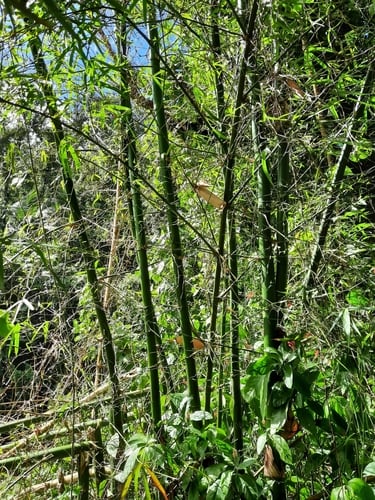
| Cyanogenic glycosides | Cassava, elderberries, bamboo | Crush + soak 24h + boil 20 min. Discard water. |
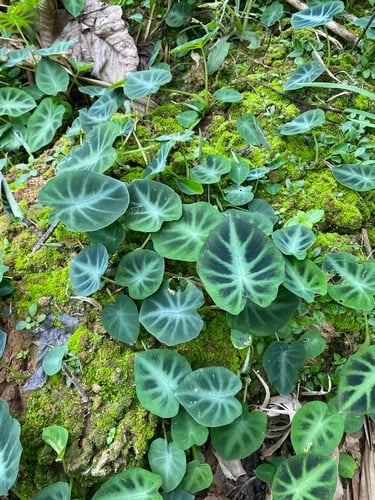
| Calcium oxalate | Taro, elephant ear | Boil thoroughly, discard water. Never eat raw. |
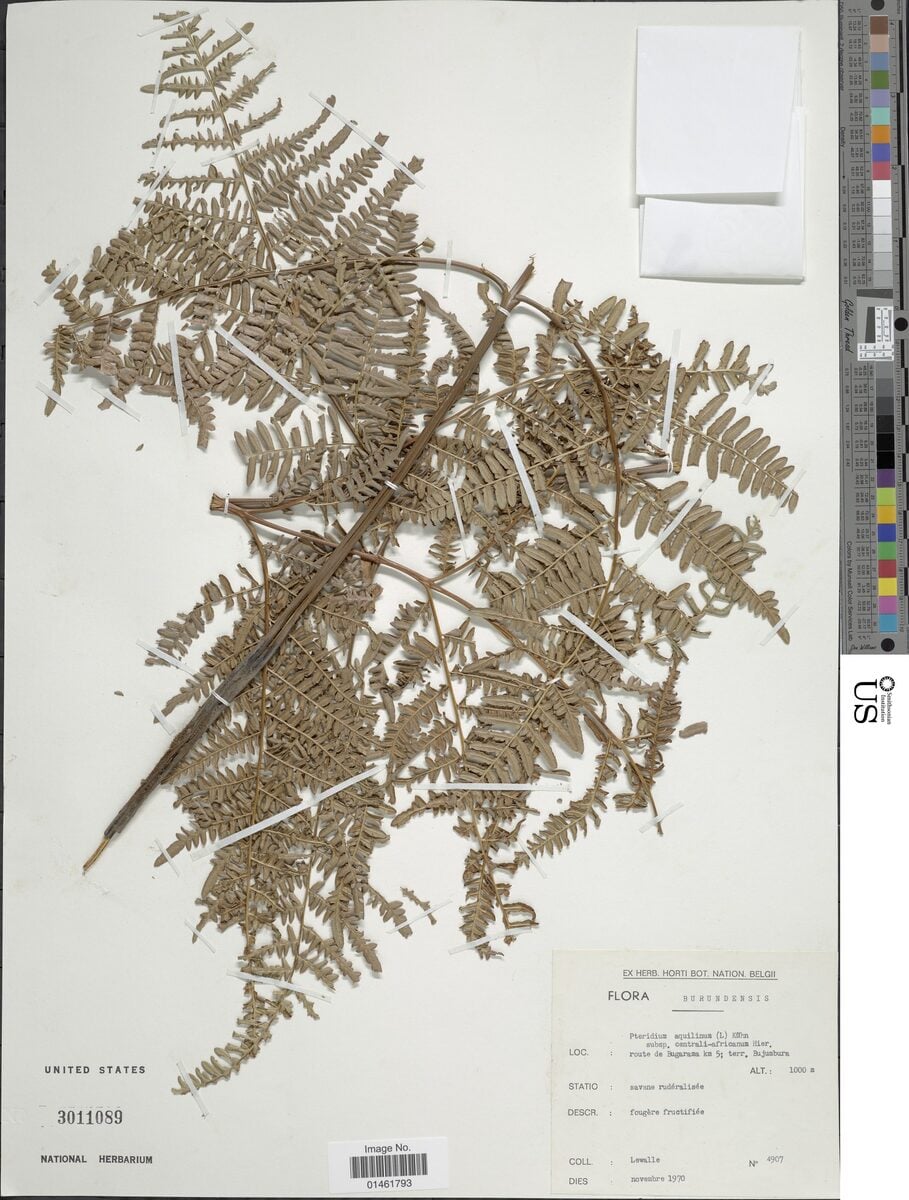
| Thiaminase | Bracken fern | Boil thoroughly to destroy B1-degrading enzyme. |
Toxins NOT Destroyed by Cooking
| Toxin | Found In | Why Cooking Fails |
|---|---|---|
| Solanine | Green potatoes, nightshades | Heat-stable up to 285°C |
| Amatoxins | Death cap, destroying angel | Completely heat-stable. No cooking method works. |
| Ricin / Abrin | Castor bean, rosary pea | Heat-stable at cooking temperatures. |
| Colchicine | Autumn crocus | Heat-stable. No home processing removes it. |
| Cicutoxin | Water hemlock | Not reliably destroyed by cooking. |
Plants Requiring Processing

Key Processing Techniques
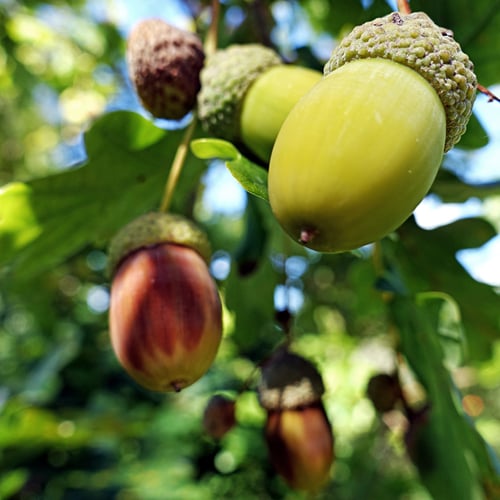
Acorn processing (cold water leach):
- Shell acorns, grind into coarse meal
- Cover with cold water in a container
- When water turns dark brown, pour off through cloth and replace
- Repeat until water stays clear and meal tastes bland (3 days to 2 weeks)
- White oaks leach faster than red oaks. Dry the meal for flour.
Cassava processing:
- Peel roots (skin concentrates toxins)
- Cut into small pieces or grate
- Soak in clean water for at least 24 hours
- Boil in fresh water for 20+ minutes; discard water
- Sun-dry if making flour. Alternatively: ferment for 5-6 days.
Nutritional Priorities in Survival
Immediate Priorities (First 72 Hours)
- Water — Absolute priority. Death from dehydration in 3 days.
- Calories — Your body burns 2,000-4,000 cal/day in survival conditions.
- Electrolytes — Salt, potassium, magnesium. Critical for heart function.
Deficiency Diseases & Prevention
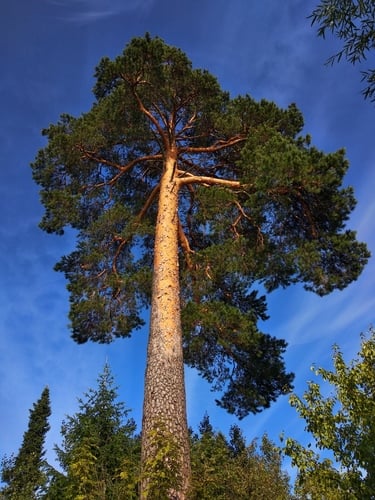
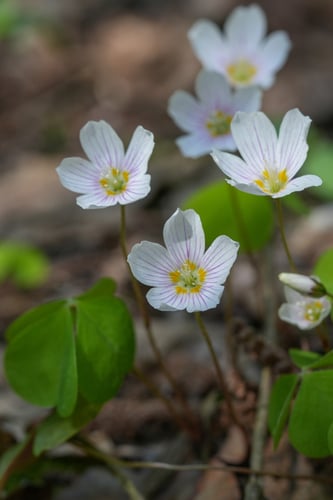
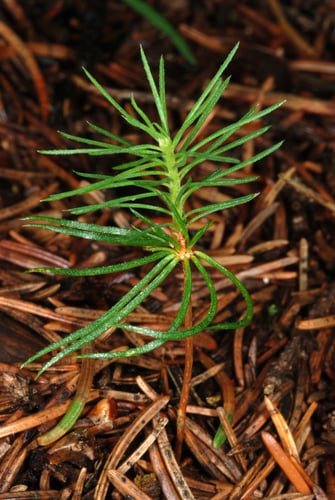
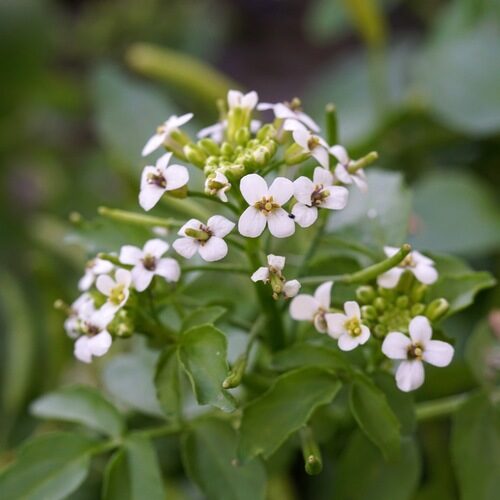
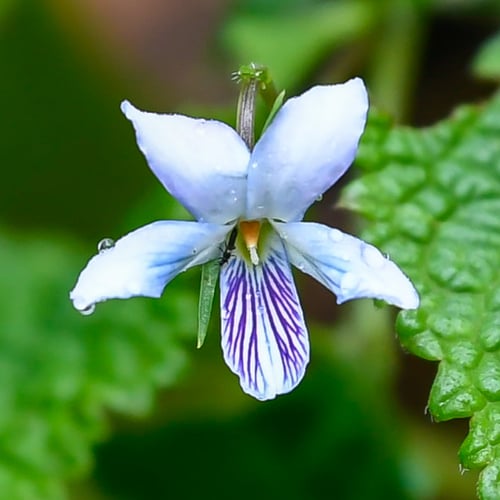
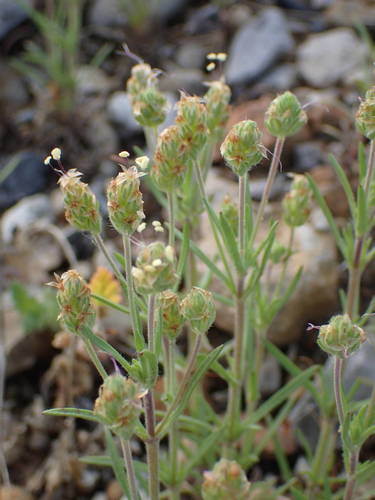
Scurvy (Vitamin C) — onset: 1-3 months. Only 10 mg/day needed. Wild sources: Pine needle tea, rose hips, wood sorrel, clover, dandelion greens, spruce tips, watercress (cooked), violet leaves.
Pellagra (Vitamin B3) — onset: 2-6 months. The "4 Ds" — dermatitis, diarrhea, dementia, death. Sources: peanuts, sunflower seeds, mushrooms, acorns, legumes.
Beriberi (Vitamin B1) — onset: 1-3 months. Weakness, nerve damage, heart failure. Always eat whole grains, not white rice.
Calorie-Dense Wild Plants
| Plant | Calories | Notes |
|---|---|---|
| Pecans | ~690 cal/cup | Highest-calorie common wild nut |
| Walnuts | ~650 cal/cup | High fat, good protein |
| Acorns | ~500 cal/cup | Requires tannin leaching; most abundant nut |
| Pine nuts | ~190 cal/oz | Rich in B vitamins and fat |
| Chestnuts | ~70 cal/oz | Lower fat but easy to harvest in quantity |
| Cattail rhizomes | ~150 cal/cup | Available year-round including winter |
| Jerusalem artichoke | ~110 cal/cup | Tuber; easy to dig in fall |
Critical insight: If nuts are available, long-term plant-based survival is feasible. Without nuts, getting enough calories from plants alone is extremely difficult.
Protein from Plants
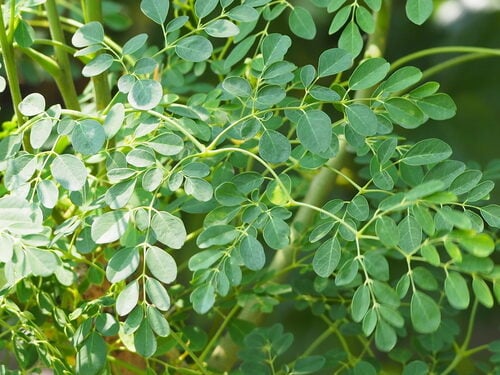
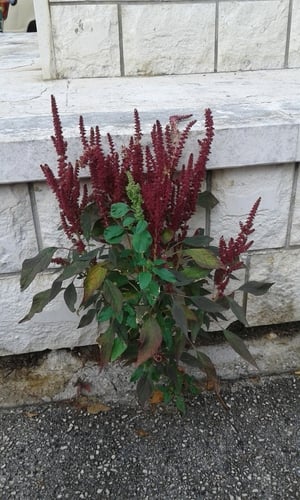
Highest protein wild plants: stinging nettle leaves (25% dry weight), amaranth seeds (14-16%), lamb's quarters seeds (16%), moringa leaves (27% dry weight).
Water & Plants
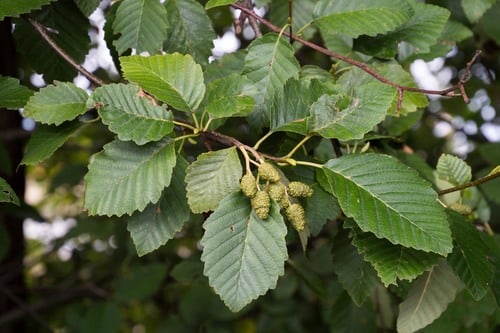
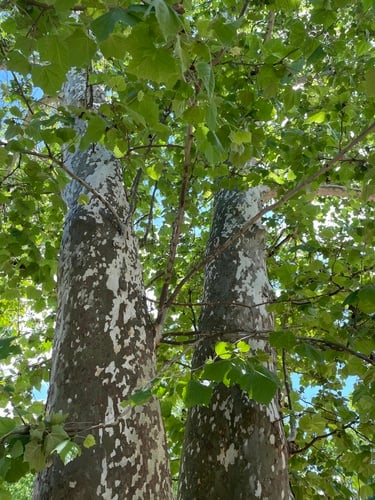
Plants That Indicate Water Nearby
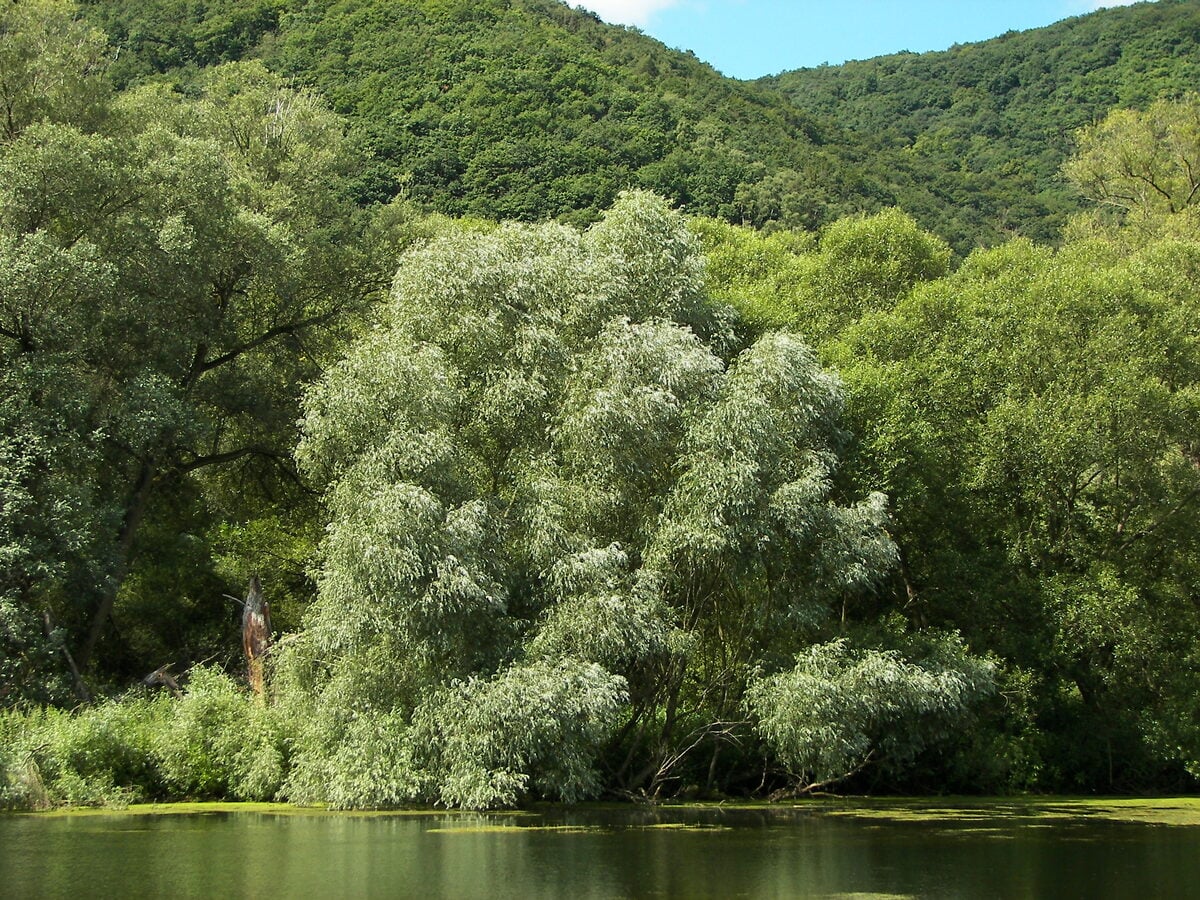
- Willows — Always grow near water; dig near their base
- Cottonwoods/Poplars — Water within 3-10m of surface
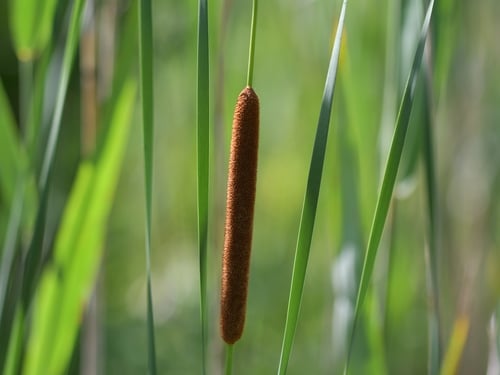
- Cattails — Water at or very near the surface
- Alders, Sycamores — Riparian species, always near water
Plants That Store Water
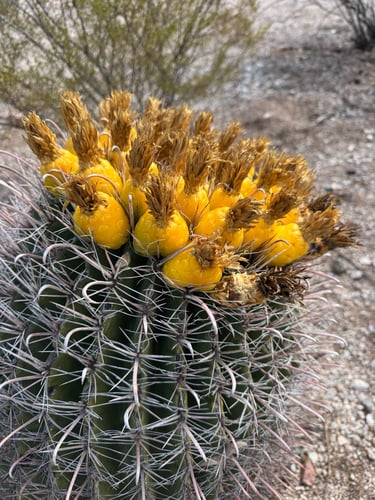
- Fishhook barrel cactus — One of few cacti safe to extract moisture from
- Bamboo — Green stems store water between nodes
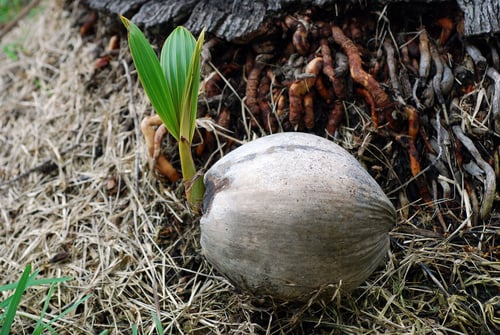
- Coconut palm — Green coconuts contain 200-1,000 ml of electrolyte-rich water
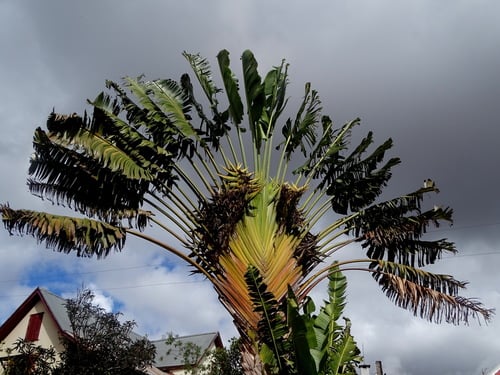
- Traveler's palm — Stores rainwater at base of leaf stalks
Water Purification
Moringa oleifera seeds (tropical): Crush 1 seed per liter of turbid water. Stir 5 min. Let settle 1-2 hours. Pour through cloth. Removes 90-99% of bacteria. Still boil if possible.
Seasonal Foraging
Spring
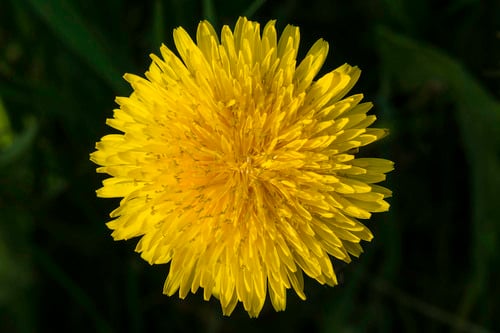
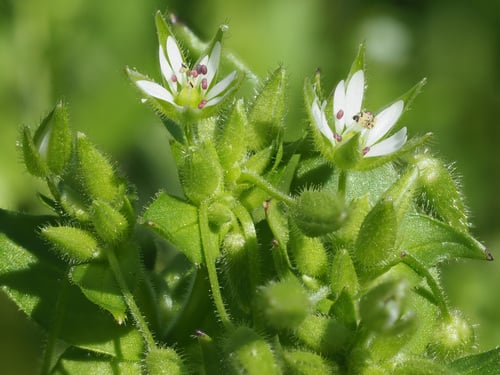
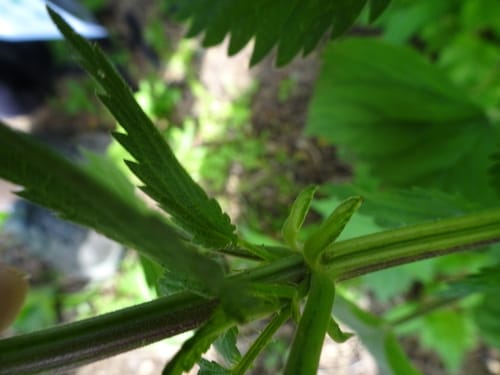
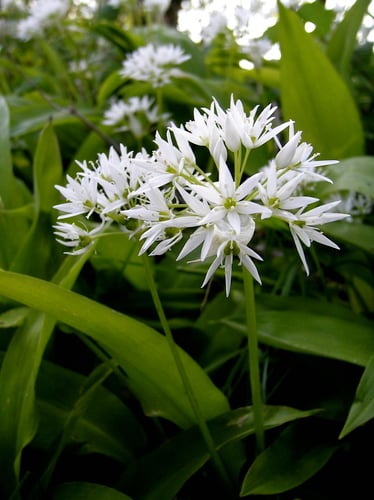
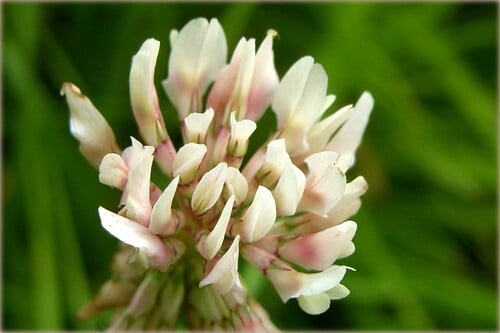
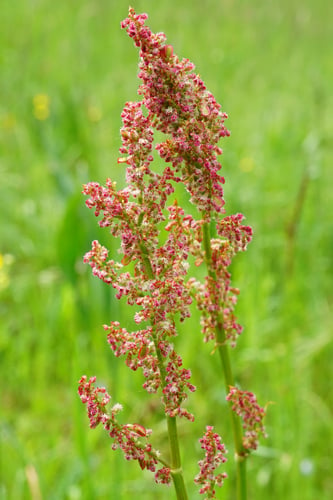
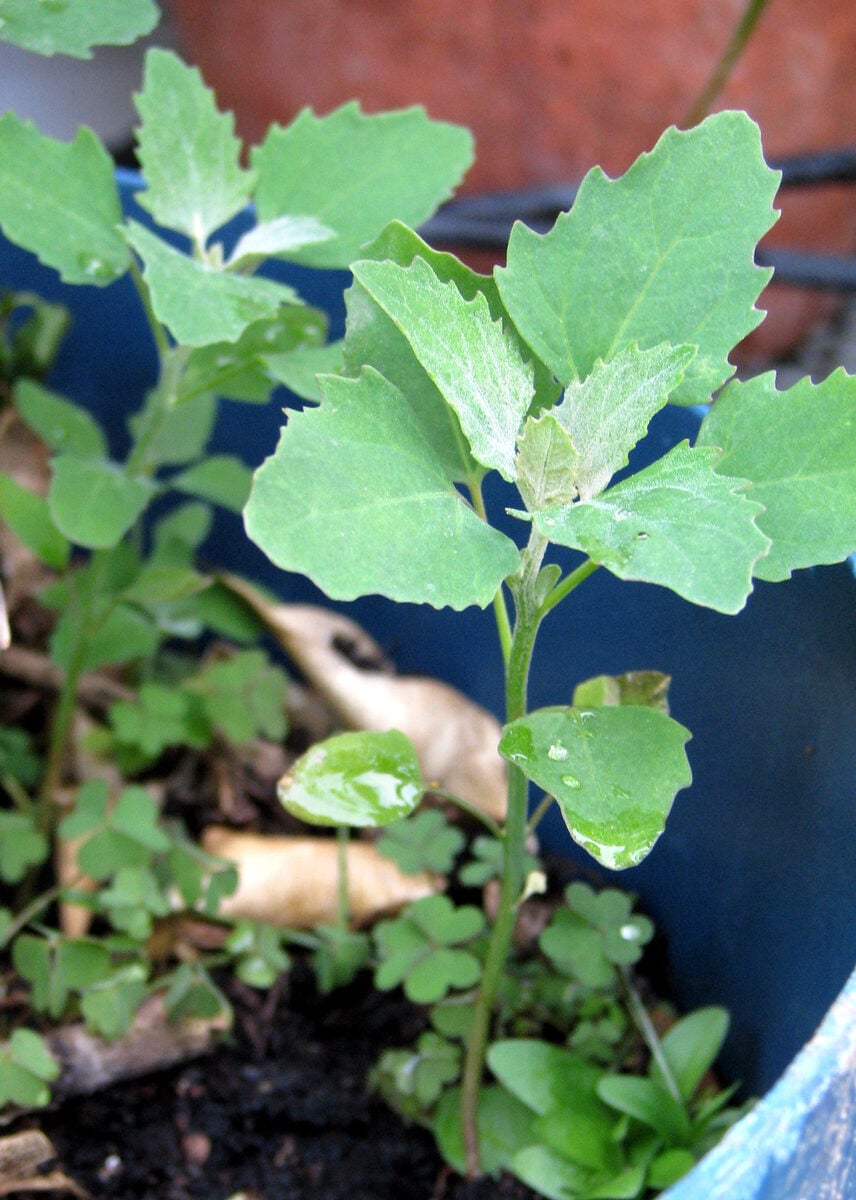
- Greens: Dandelion, chickweed, nettles (cook), wild garlic, clover, sorrel, dock, lamb's quarters
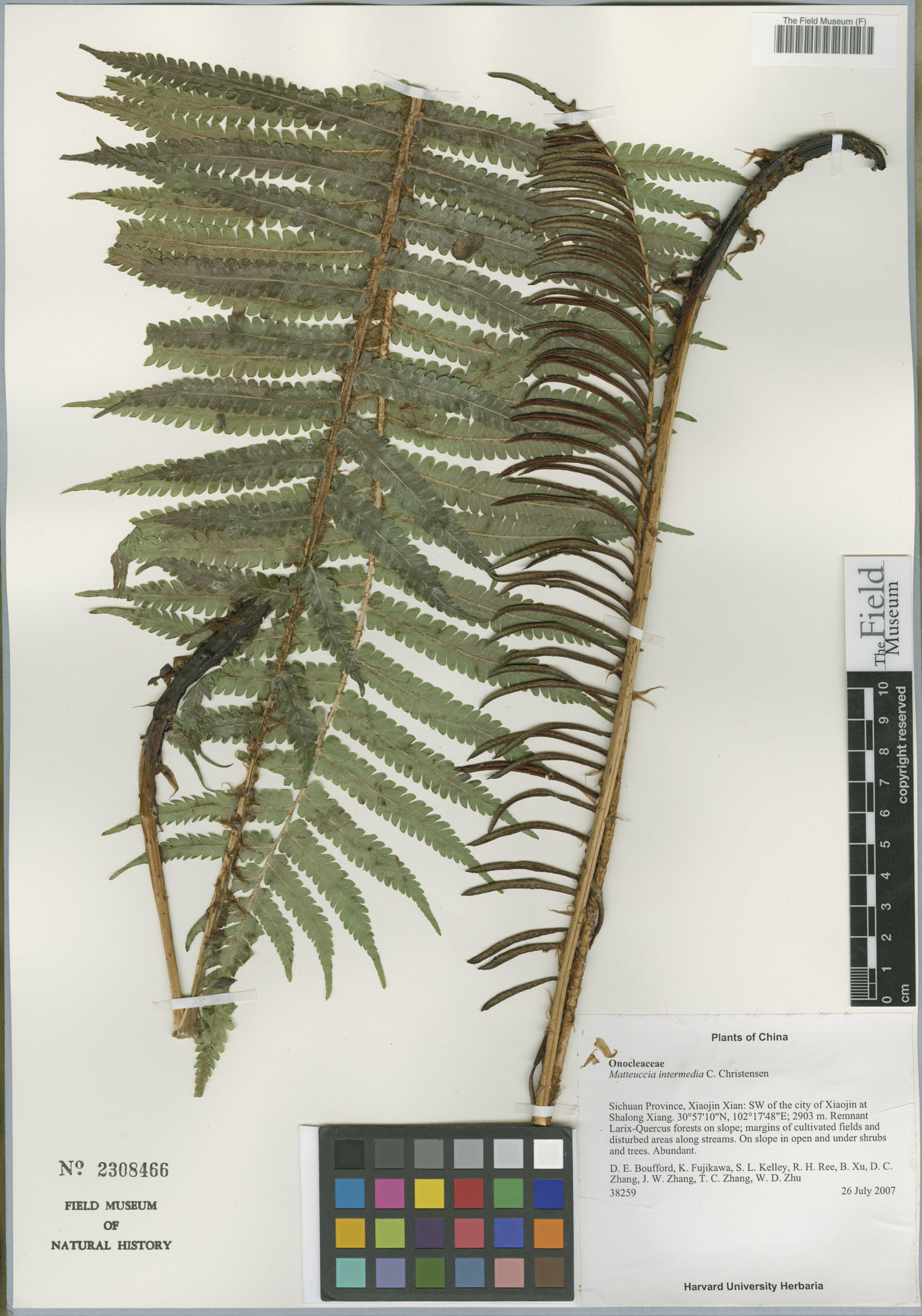
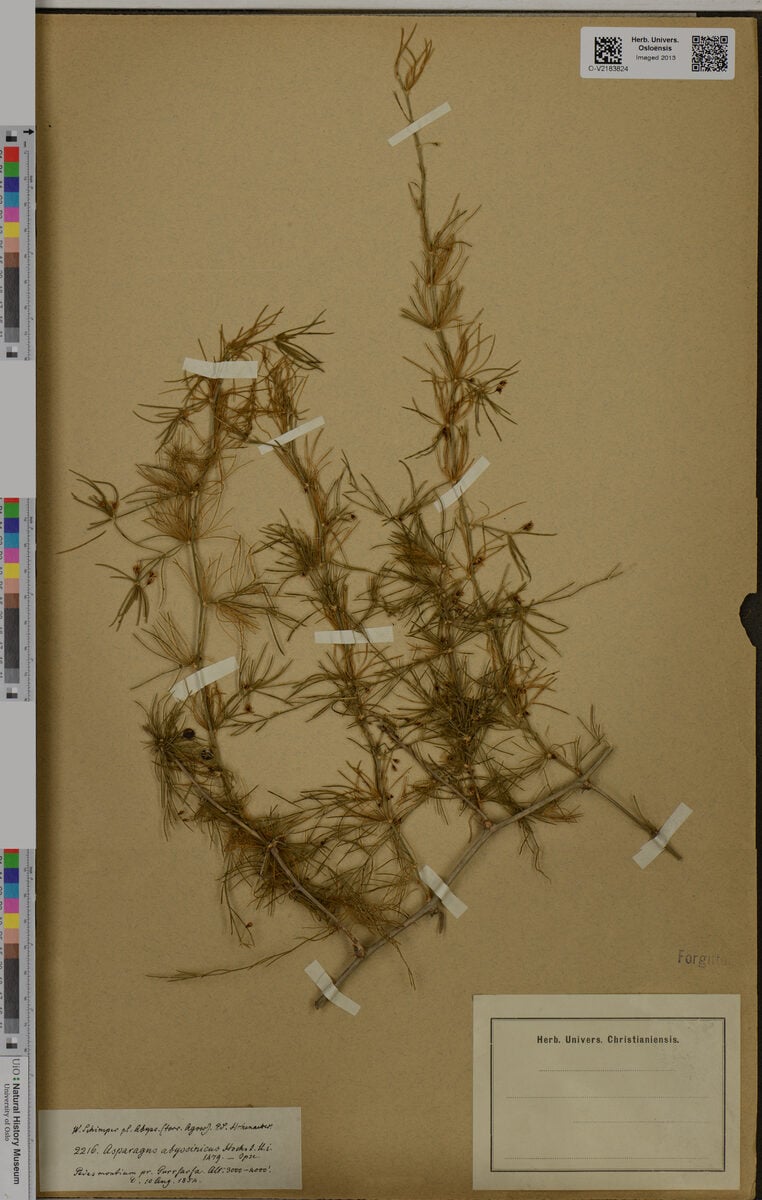
- Shoots: Fiddlehead ferns (boil 15+ min), bamboo, cattail shoots, asparagus
- Bark: Inner bark (cambium) of pine, birch, elm, poplar
Summer
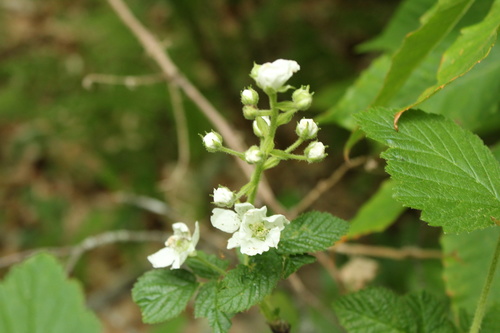
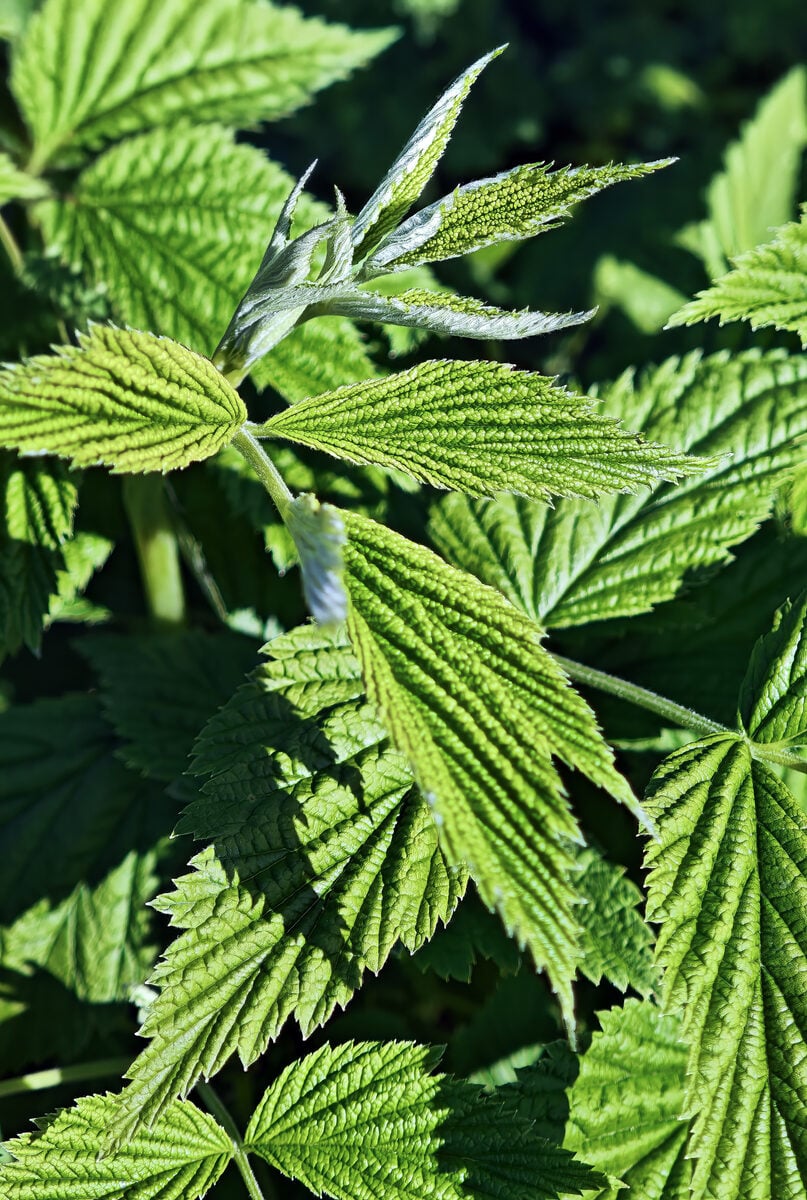
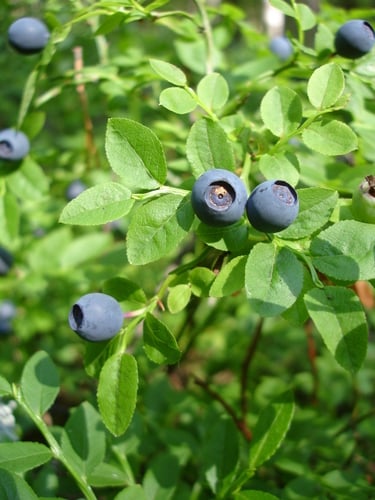
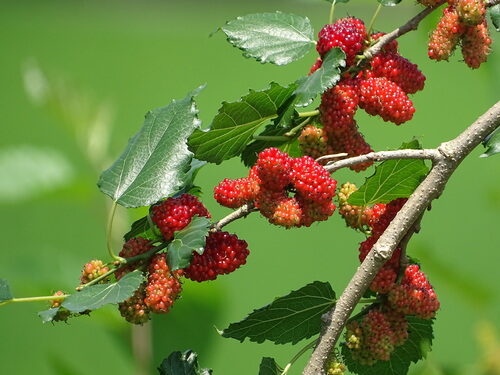
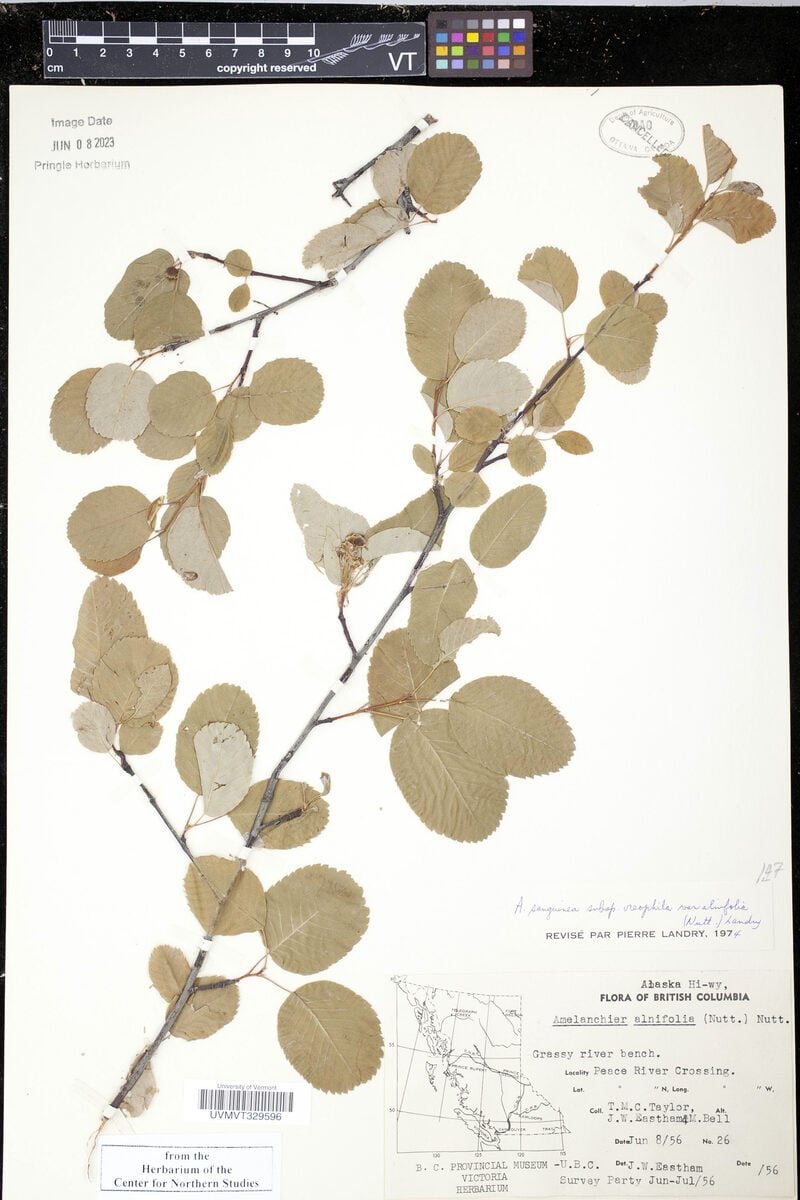
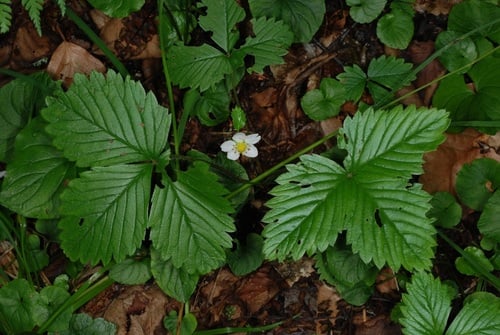
- Berries: Blackberries, raspberries, blueberries, mulberries, serviceberries, strawberries
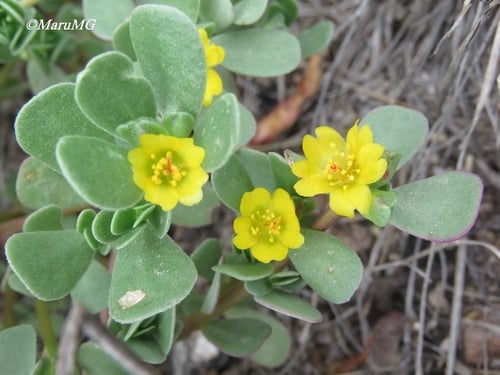
- Greens: Add purslane, amaranth, plantain
- Priority: Eat abundantly and begin preserving for winter
Fall — THE MOST CRITICAL SEASON
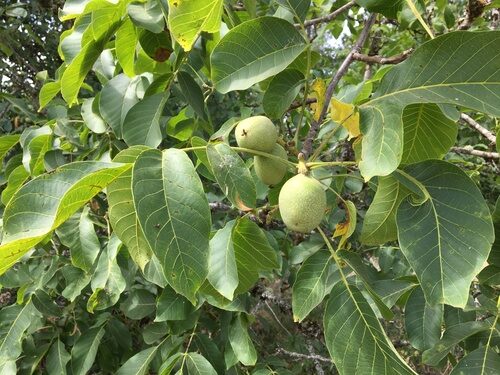
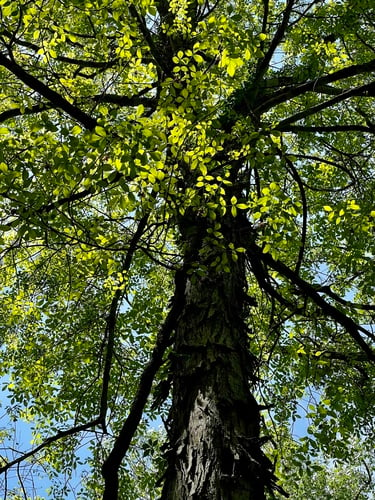
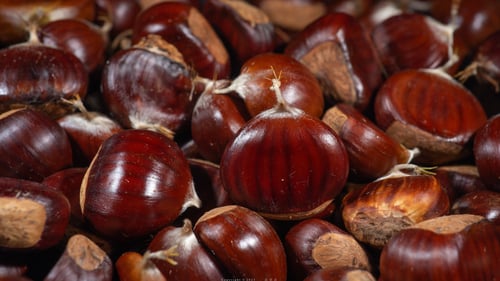
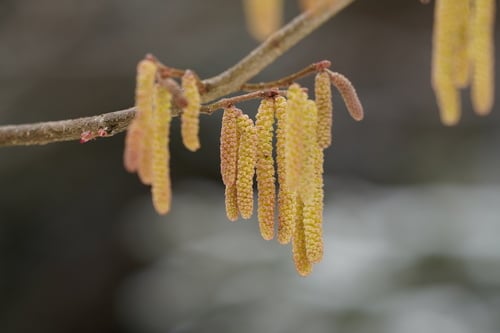
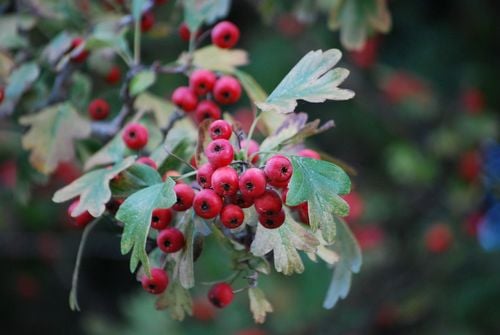
- Nuts: Acorns, walnuts, hickory, chestnuts, hazelnuts — gather and store as many as possible
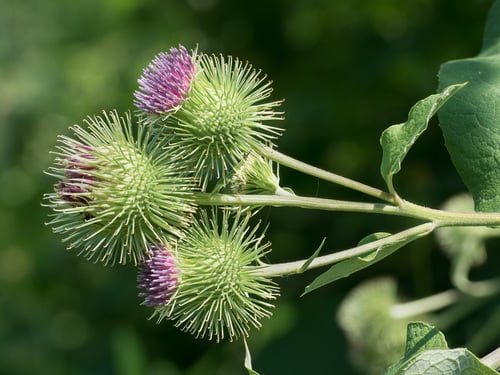
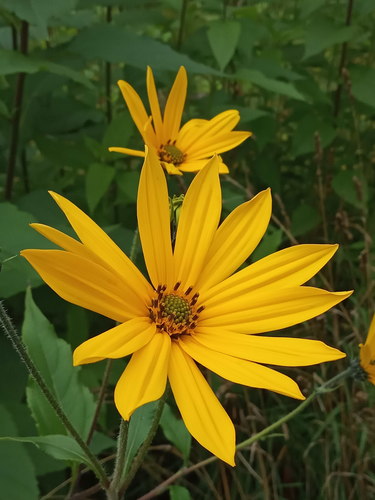
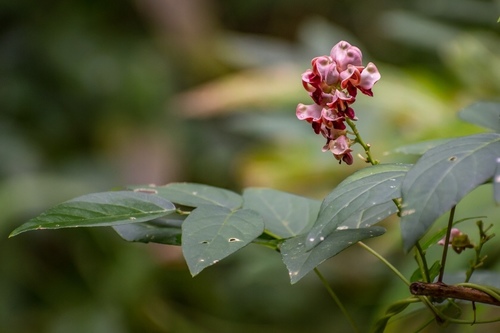
- Roots: Burdock, dandelion root, Jerusalem artichoke, cattail rhizomes, groundnut
- Priority: Stockpile calories. Dry everything. This determines whether you survive winter.
Winter
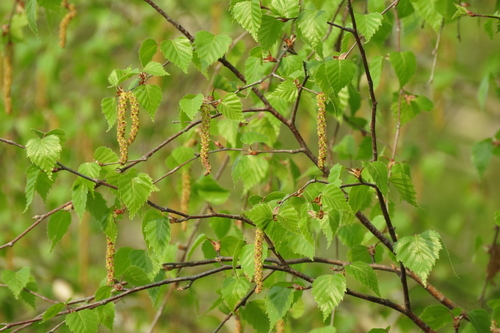
- Bark/cambium: Inner bark of pine, birch, elm, basswood, poplar
- Roots: Cattail rhizomes, burdock root, dandelion root
- Evergreens: Pine needle tea (vitamin C), spruce tips
- Priority: Conserve calories. Minimize foraging effort. Rely on stored food.
Preservation Without Technology
Sun/Air Drying
- Slice thinly (3-6mm). Lay on clean rocks/racks. Turn regularly.
- Done when brittle/leathery. Will last months to years if kept dry.
Smoking
- Rack 60-90cm above smoldering hardwood fire (oak, hickory — NOT pine/spruce).
- 1 day smoking ≈ 1 week shelf life. 2 days ≈ 1 month.
Lacto-Fermentation
- Ratio: 20g salt per 1 kg plant material (2% by weight)
- Chop, pack tightly, add salt, pound to release juices. Keep submerged. Ferment 3-14 days.
Root Cellaring
- Dig pit 60-90cm deep. Line with bark/leaves. Store roots, nuts, tubers.
- Underground stays 7-13°C year-round. Most roots last 3-6 months.
Best Plants for Preservation
Medicinal Plants for Survival
| Plant | Uses | Preparation |
|---|---|---|
| Yarrow | Stops bleeding, antiseptic, anti-inflammatory | Crush fresh leaves into poultice; tea from dried leaves |
| Plantain | Wound healing, insect bite relief | Chew/crush leaves into poultice |
| Willow | Pain relief (natural aspirin), fever | Chew inner bark or steep 10-20 min |
| Chamomile | Anxiety, sleep, digestive upset | Steep dried flower heads 5-10 min |
| Elderberry | Antiviral, immune support | MUST cook berries. Flowers safe raw. |
| Garlic | Antimicrobial, antifungal | Crush and eat raw; apply to wounds |
| Aloe vera | Burns, sunburn, wound care | Split leaf, apply gel directly |
Ailment Quick Reference
| Ailment | Plants |
|---|---|
| Bleeding wound | Yarrow, sphagnum moss, plantain |
| Infected wound | Garlic, pine resin, calendula |
| Pain / fever | Willow bark, meadowsweet |
| Diarrhea | Blackberry root, yarrow, oak bark |
| Burns | Aloe vera, plantain, honey |
| Cough / cold | Elderberry (cooked), pine needle tea, thyme |
Regional Foraging Strategies
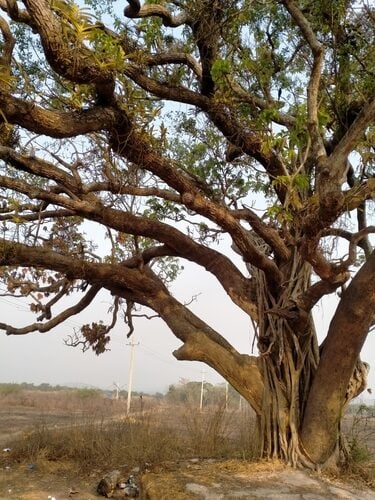
Tropical (Rainforest, Jungle, Islands)
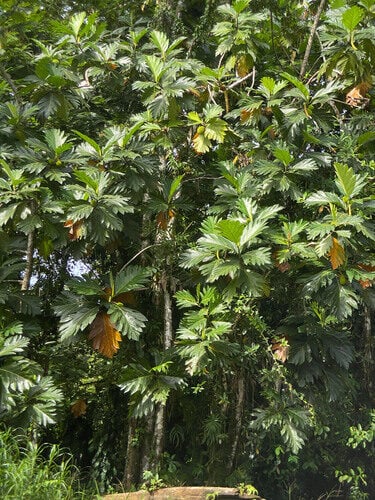
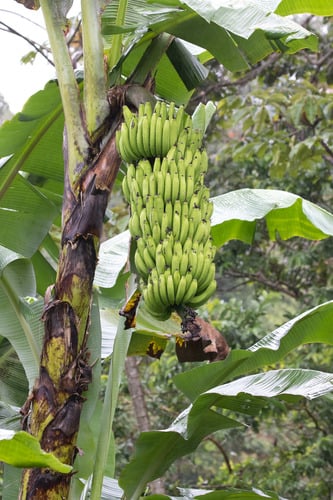
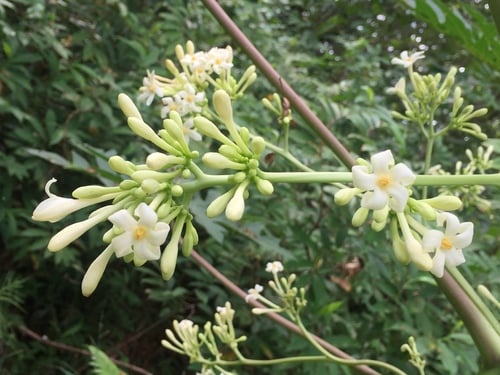
Key plants: Coconut palm, breadfruit, taro (MUST boil), bamboo shoots, banana/plantain, papaya, mango. Danger: Cook everything — parasites are prevalent.
Temperate (N. America, Europe, E. Asia)
Key plants: Dandelion, stinging nettle, cattail, acorns, burdock root, chickweed, walnuts, clover. Fall nut harvest is critical for winter survival.
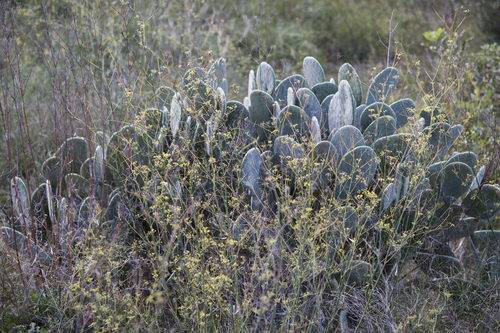
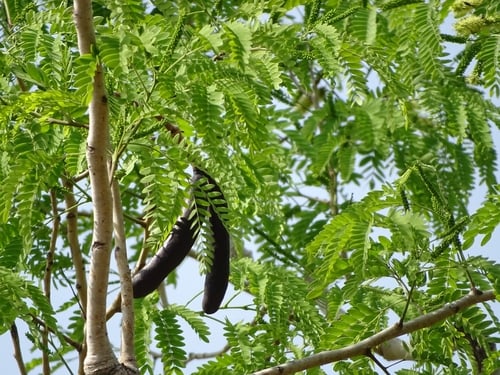
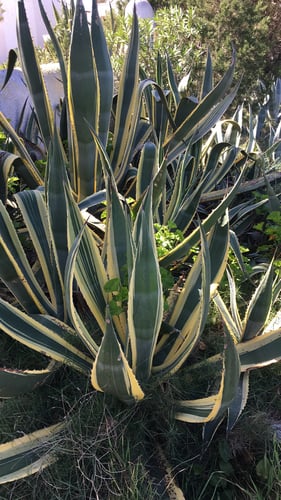
Arid / Desert
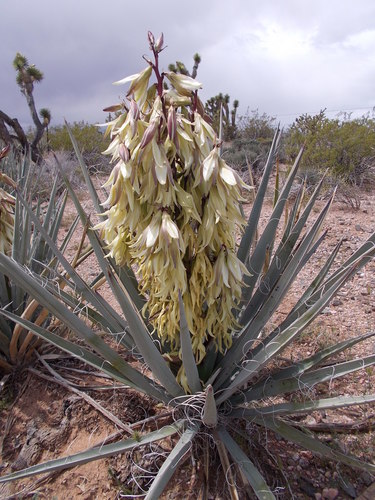
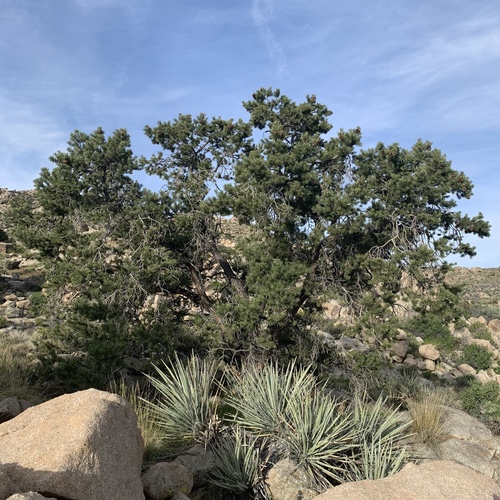
Key plants: Prickly pear cactus (pads + fruit), mesquite pods, agave heart (roast), yucca flowers, pinyon pine nuts.
Arctic / Subarctic
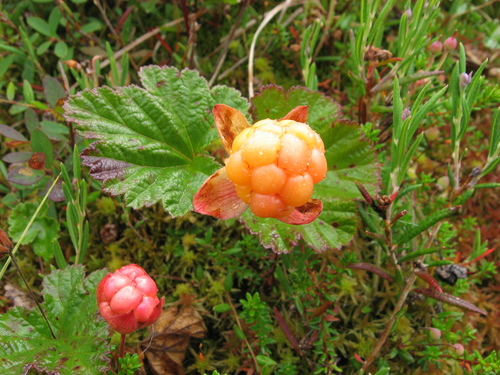
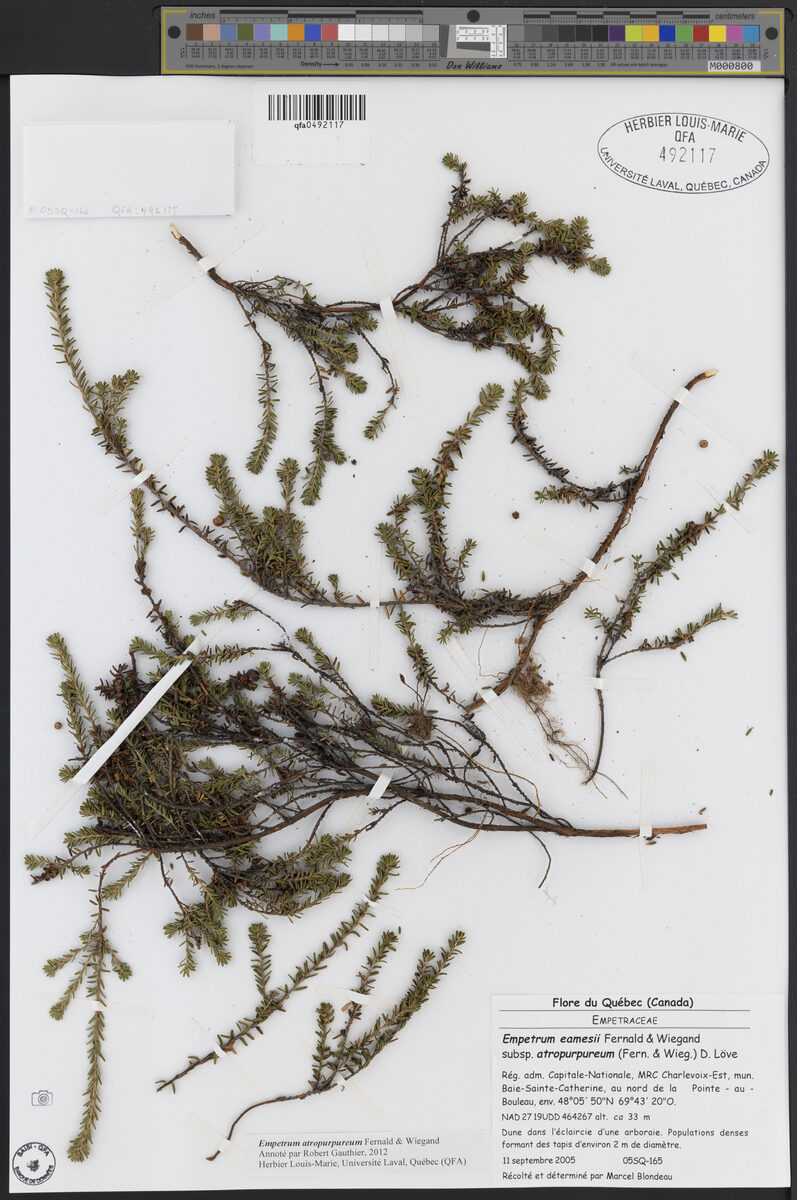
Key plants: Cloudberry, crowberry, arctic willow (leaves have 7-10x vitamin C of oranges), birch bark/sap, fireweed. Plant-based survival alone is nearly impossible in arctic regions.
Long-Term Cultivation
If your situation extends beyond weeks, growing food becomes essential. Foraging alone cannot sustain a community indefinitely.
Priority Crops
| Crop | Cal/m²/year | Notes |
|---|---|---|
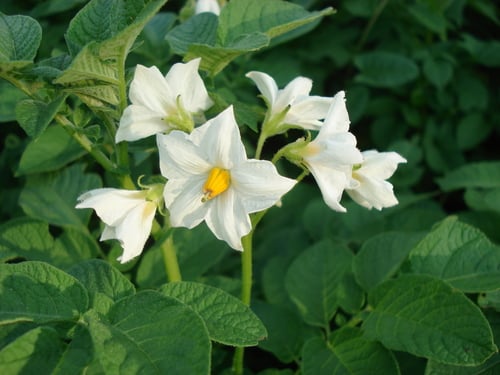
| Potato | ~5,500 | Highest calorie yield per area |
| Sweet potato | ~4,000 | Leaves also edible. Tropical/subtropical. |
| Cassava | ~3,800 | MUST process to remove cyanide |
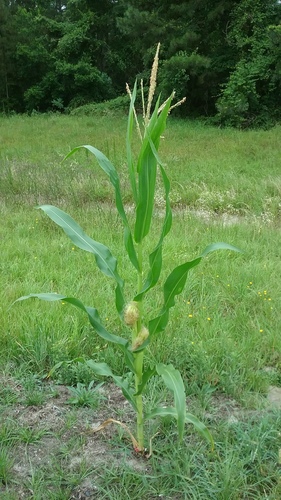
| Corn | ~3,000 | Nixtamalize to prevent pellagra |
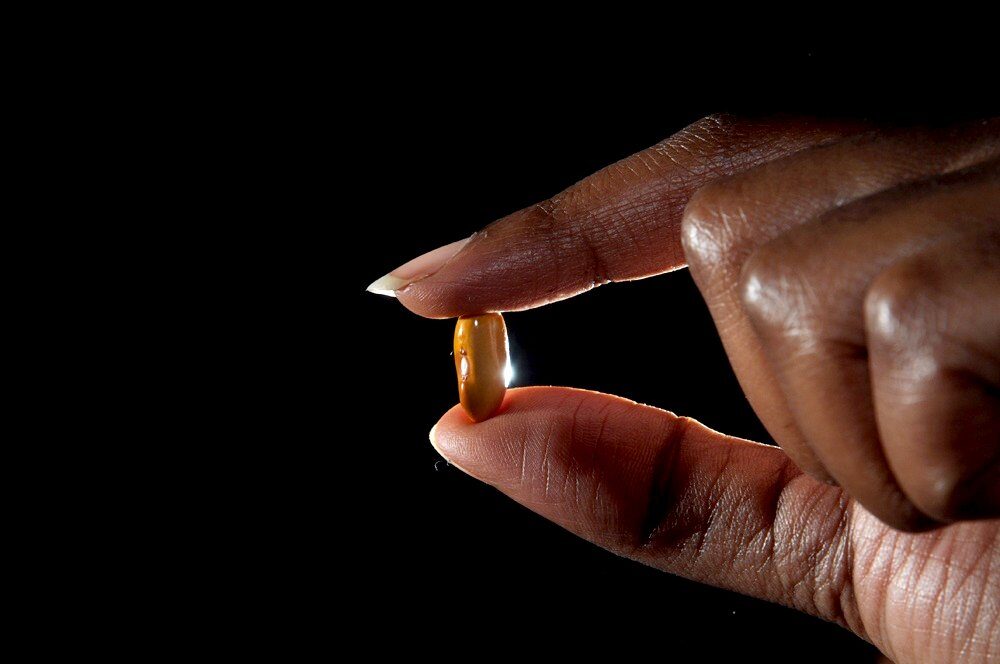
| Beans | ~1,200 | Essential protein. Fix nitrogen in soil. |
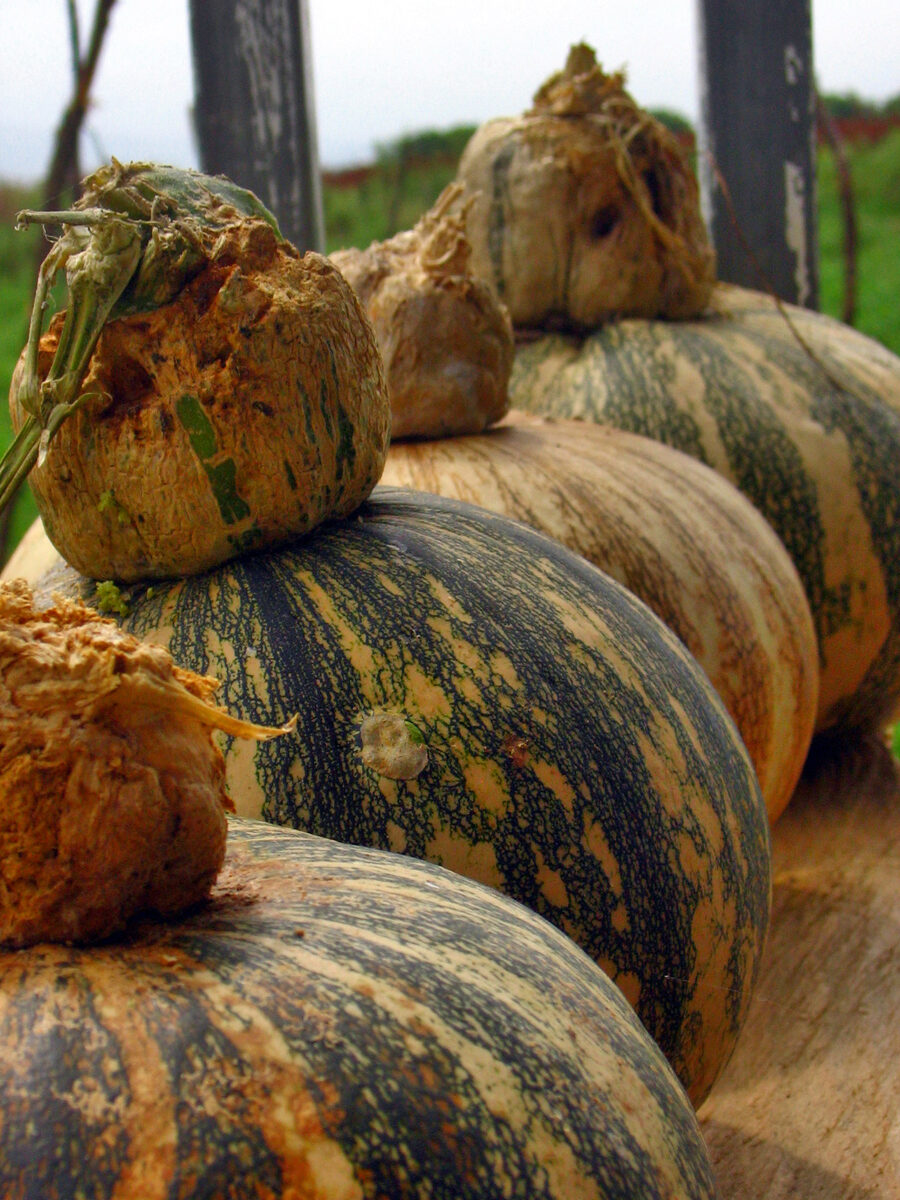
| Squash | ~800 | Some store 6+ months. Seeds rich in zinc. |
The Three Sisters
Corn + beans + squash planted together. Corn provides structure for beans. Beans fix nitrogen for corn. Squash shades soil. Together: complete nutrition.
Plants for Tools & Shelter
Cordage (Rope & String)
- Stinging nettle fibers — Among the strongest natural fibers
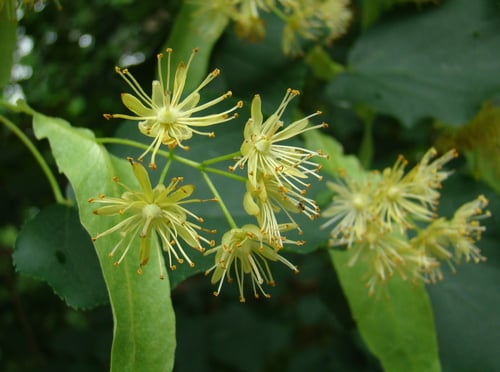
- Inner bark (basswood/linden, elm, willow) — Strip, soak, twist into rope
- Yucca leaves — Pound to expose long, strong fibers
Fire-Starting
- Tinder: Cattail fluff, birch bark (burns even when wet), dried grass, cedar bark, pine resin
- Bow drill: Fireboard from soft wood (cottonwood, willow, basswood)
Children & Foraging
A dose that causes mild symptoms in a 70kg adult can be lethal for a 10kg toddler.
Most Dangerous Plants for Children
| Plant | Danger for Child |
|---|---|
| Yew berries (red, attractive) | Cardiac arrest from 1-3 berries |
| Deadly nightshade (shiny black) | 1-2 berries potentially fatal |
| Foxglove (attractive flowers) | Small leaf piece can cause cardiac arrest |
| Lily of the valley (red berries) | A few berries cause cardiac issues |
| Castor bean (mottled seeds) | 1 chewed seed |
| Water hemlock | Minute amounts lethal |
| Laburnum (hanging seed pods) | A few seeds |
Safety Rules
- "Ask first, always." Children must never eat anything wild without adult verification.
- Teach "look, don't touch" for unknown plants, especially those with berries.
- Start with unmistakable species only: dandelions, ripe blackberries, clover flowers.
- Never let children forage unsupervised until they demonstrate reliable identification (10+ years).
About This Guide
This guide was compiled from publicly available survival knowledge, military field manuals, ethnobotanical research, and the Food Plants International database. Plant data covers 25,000+ species across 207 countries.
For deeper study, seek out these references:
- U.S. Army FM 21-76 / ATP 3-50.21 — foundational military survival manual
- SAS Survival Handbook — John "Lofty" Wiseman
- Peterson Field Guide to Edible Wild Plants
- The Forager's Harvest & Nature's Garden — Samuel Thayer
- Food Plants of the World — Ben-Erik van Wyk
- How to Eat in the Woods — Bradford Angier
- Edible and Medicinal Plants of Canada
See our full recommended reading list. Book links are affiliate links — purchases help support this project at no extra cost to you.