Plantago afra
L.
Psyllium
iNaturalist· cc-by-nc
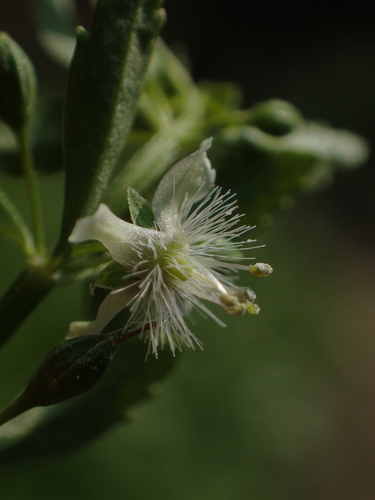
(c) Sylvain Piry, some rights reserved (CC BY-NC), uploaded by Sylvain Piry
iNaturalist· cc-by-nc
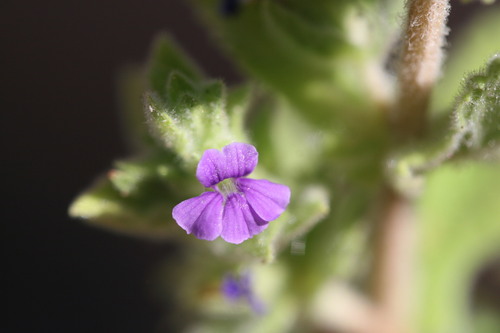
(c) Pedro Beja, some rights reserved (CC BY-NC), uploaded by Pedro Beja
iNaturalist· cc-by-sa
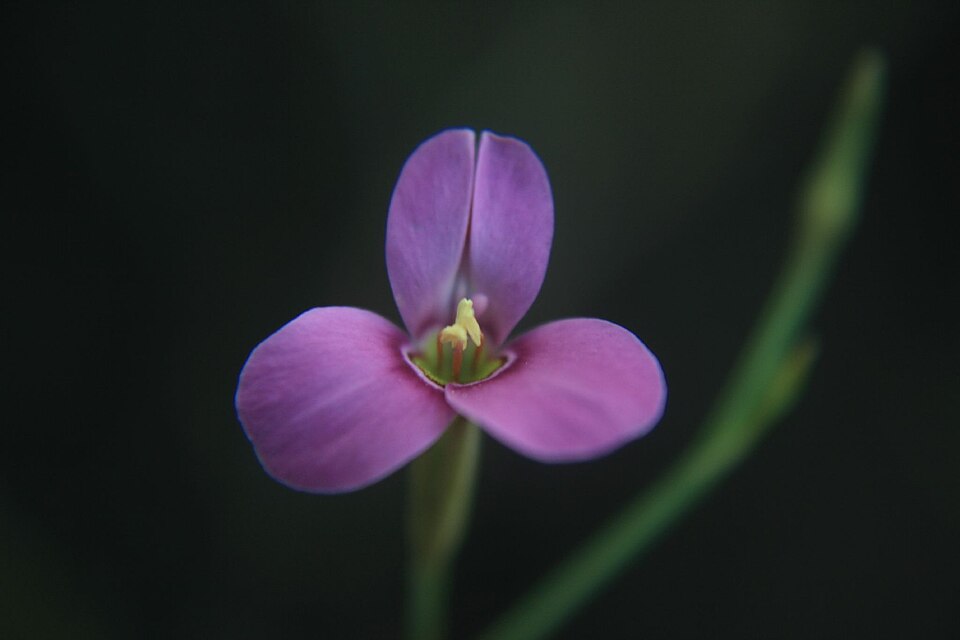
(c) Grzegorz Grzejszczak, some rights reserved (CC BY-SA), uploaded by Grzegorz Grzejszczak
Summary
Source: WikipediaPlantago afra, commonly known as glandular plantain, is a flowering plant in the plantain family Plantaginaceae, and is one of a group of species in the genus Plantago formerly treated by some authors in a separate genus Psyllium. It is native to northern Africa (south to Tanzania), southern Europe, and southwestern Asia, and is locally naturalised elsewhere, including north to Great Britain. It has been extensively confused with the related species Plantago indica (branched plantain, syn. P. arenaria).
Description
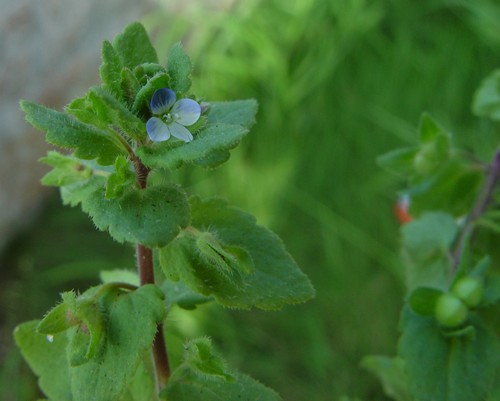
A short herb. It is an annual plant and has glandular-hairs that are sticky. The stems are much branched. The leaves are narrow and opposite or in rings. They are not fleshy and do not have teeth. The flowers are brownish-white and 4 mm long. They are in rounded clusters. The anthers are pale yellow.
Edible Uses
The young ring of leaves are cooked and eaten.
Traditional Uses
The young ring of leaves are cooked and eaten.
This uses section is brief — help expand it
Distribution
It is a Mediterranean climate plant. It grows along roadsides and in waste places.
Where It Grows
Afghanistan, Africa, Cuba, Europe, France, Greece, Iraq, Italy, Mediterranean, Middle East, North Africa, Pakistan, Saudi Arabia, Sicily, Spain, Turkey, Türkiye, West Indies,
Other Information
It is cultivated.
Notes
The plantains or Plantaginaceae are mostly in temperate regions. There are about 250 Plantago species.
Synonyms
Also Known As
Psillina, Zaragotona
References (10)
- Blamey, M and Grey-Wilson, C., 2005, Wild flowers of the Mediterranean. A & C Black London. p 422
- Flora of Pakistan. www.eFloras.org
- Geraci, A., et al, 2018, The wild taxa utilized as vegetables in Sicily (Italy): a traditional component of the Mediterranean diet. Journal of Ethnobiology and Ethnomedicine (2018) 14:14
- Heywood, V.H., Brummitt, R.K., Culham, A., and Seberg, O., 2007, Flowering Plant Families of the World. Royal Botanical Gardens, Kew. p 257 (Genus)
- Miguel, E., et al, 1989, A checklist of the cultivated plants of Cuba. Kulturpflanze 37. 1989, 211-357
Show all 10 references Hide references
- Pasta, S., et al, 2020, An Updated Checklist of the Sicilian Native Edible Plants: Preserving the Traditional Ecological Knowledge of Century-Old Agro-Pastoral Landscapes. Frontiers in Plant Science. Volume 11|Article 388
- Plants for a Future database, The Field, Penpol, Lostwithiel, Cornwall, PL22 0NG, UK. http://www.scs.leeds.ac.uk/pfaf/
- Sp. pl. ed. 2, 1:167. 1762
- Wiersema, J. H. & Leon, B., 2013, World Economic Plants. A Standard Reference CRC Press. 2nd Ed. p 538
- World Checklist of Useful Plant Species 2020. Royal Botanic Gardens, Kew