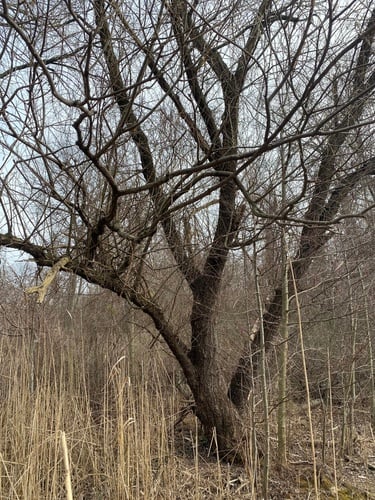
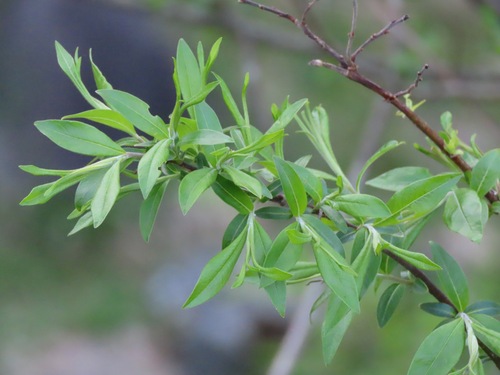
Populus tremuloides
Michaux
American aspen, Quaking aspen, Trembling aspen, Golden aspen
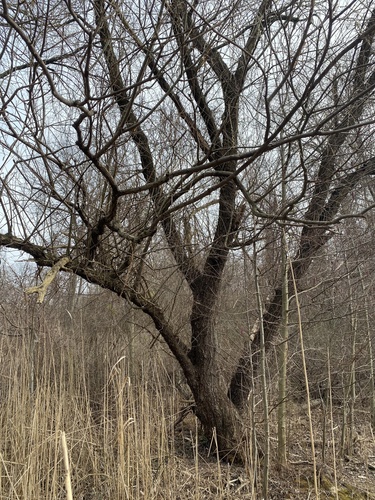
iNaturalist· cc-by-nc
(c) Damon Tighe, some rights reserved (CC BY-NC), uploaded by Damon Tighe
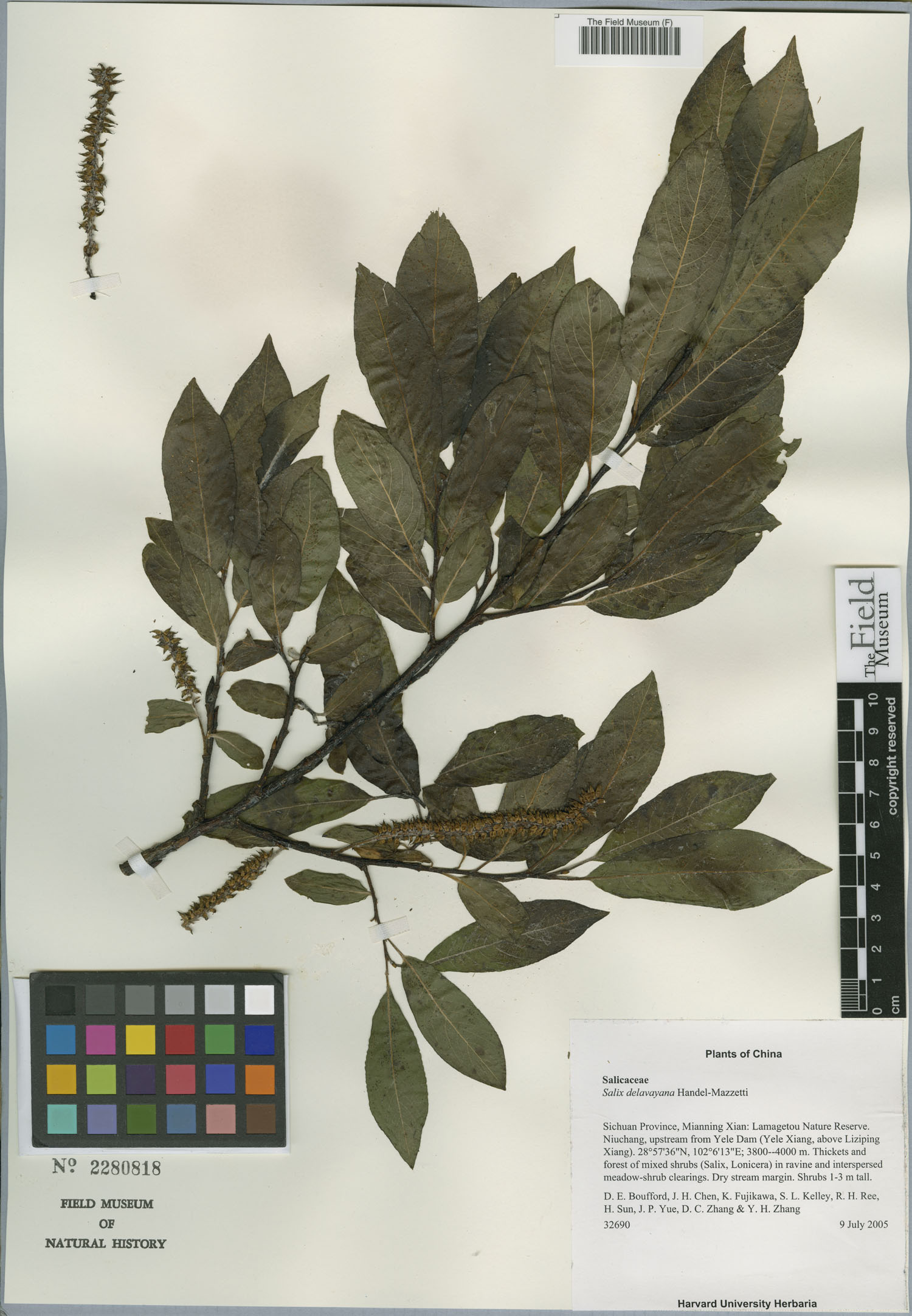
iNaturalist· cc-by-nc
(c) notschafeforwork, some rights reserved (CC BY-NC)
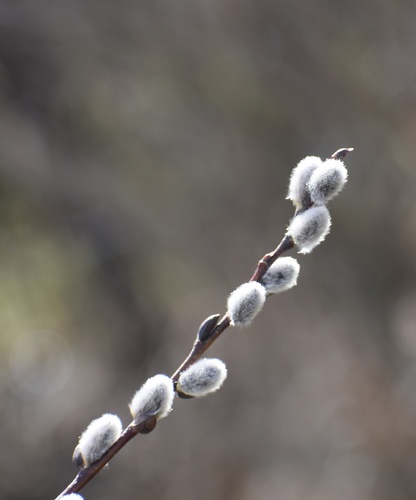
iNaturalist· cc-by-sa
(c) Douglas Goldman, some rights reserved (CC BY-SA), uploaded by Douglas Goldman
Summary
Source: WikipediaPopulus tremuloides is a deciduous tree native to cooler areas of North America, one of several species referred to by the common name aspen. It is commonly called quaking aspen, trembling aspen, American aspen, mountain or golden aspen, trembling poplar, white poplar, and popple, as well as others. The trees have tall trunks, up to 25 metres (82 feet) tall, with smooth pale bark, scarred with black. The glossy green leaves, dull beneath, become golden to yellow, rarely red, in autumn. The species often propagates through its roots to form large clonal groves originating from a shared root system. These roots are not rhizomes, as new growth develops from adventitious buds on the parent root system (the ortet). Populus tremuloides is the most widely distributed tree in North America, being found from Canada to central Mexico. It is the defining species of the aspen parkland biome in the Prairie Provinces of Canada and extreme northwest Minnesota.
Description
A tree which loses its leaves. It grows 25-30 m high. The bark is yellow. It is light and smooth but becomes rough and dark grey at the base of the tree. Young branches are reddish-brown. They are smooth and easily broken. The buds are sticky. The leaves are finely toothed. They are alternate and rounded or heart shaped and pointed. The leaf stalk is long and flattened at the side.
Edible Uses
The inner bark can be eaten raw or cooked, or dried and ground into a flour that is mixed with other flours for making bread. It also works as a thickener in soups and is best used in spring. The sap can be tapped and drunk directly, or used as a flavouring with wild strawberries. The catkins are edible raw or cooked, though they are bitter.
Traditional Uses
The sap of the tree is eaten. The cambium or soft inner bark is used as food. It is eaten in spring when the sap begins to flow. It is baked into cakes. The wood is used for smoking fish to impart flavour. The bitter leaf buds and young catkins are edible.
Medicinal Uses
American aspen has a long history of herbal use, widely employed by many native North American tribes for its antiseptic and analgesic properties, particularly for wounds, skin complaints, and respiratory disorders. The stem bark is anodyne, anti-inflammatory, antiseptic, astringent, diaphoretic, diuretic, febrifuge, nervine, and stimulant. It contains salicylates, from which aspirin is derived, and is used internally for rheumatism, arthritis, gout, lower back pain, urinary complaints, digestive and liver disorders, debility, and anorexia, as well as to reduce fevers and relieve menstrual cramp pain. Externally, the bark treats chilblains, haemorrhoids, infected wounds, and sprains. Bark is harvested from side branches or coppiced trees and dried for later use. An infusion of the inner bark is used as a remedy for coughs and as an appetite stimulant, and also for stomach pains, urinary ailments, venereal disease, worms, colds, and fevers. The root is poulticed and applied to cuts and wounds, and a tea from the root bark treats excessive menstrual bleeding. Leaf buds are used as a salve for colds, coughs, and irritated nostrils. The German Commission E Monographs approve this species for haemorrhoids, wounds, and burns.
Known Hazards
Possible toxic effects due to salicylates (e.g. heartburn, tinnitus). Avoid with ulcers, stomach or peptic ulcers.
Distribution
It is a temperate plant. It does best in light friable soil. It will grow in many soil types especially on sandy and gravelly slopes. It grows from sea level to 3,000 m altitude in the southern USA. It suits hardiness zones 1-9.
Where It Grows
Alaska, Australia, Canada, North America, USA,
Cultivation
An easily grown plant, it does well in a heavy cold damp soil. Prefers a deep rich well-drained circumneutral soil, growing best in the south and east of Britain. Growth is much less on wet soils, on poor acid soils and on thin dry soils. This species is often found on dry soils in its native habitat and could possibly succeed on dry soils in cultivation. Unlike most members of the genus, this species is drought tolerant once it is established. It is fairly wind tolerant, though it does not do well in exposed upland sites. It dislikes shade and is intolerant of root or branch competition. A fast-growing species that is quite short-lived, though occasional specimens live to almost 200 years. Poplars have very extensive and aggressive root systems that can invade and damage drainage systems. Especially when grown on clay soils, they should not be planted within 12 metres of buildings since the root system can damage the building's foundations by drying out the soil. Dioecious. Male and female plants must be grown if seed is required. Hybridizes freely with other members of this genus.
Propagation
Seed must be sown as soon as it is ripe in spring, as poplar seed has an extremely short period of viability and must be sown within a few days of ripening. Surface sow or just lightly cover the seed in trays in a cold frame. Prick out seedlings into individual pots when large enough to handle and grow on in the cold frame. If sufficient growth is made, plants can go out in late summer; otherwise keep in the cold frame until the following late spring. Most poplar species hybridize freely, so seed may not come true unless collected from the wild where no other poplars grow. Cuttings of mature wood taken in November or December in a sheltered outdoor bed — this species is rather difficult from cuttings. Suckers can be taken in early spring, root cuttings in winter, and plants can also be propagated by layering.
Other Uses
This fast-growing tree rapidly colonises bare areas such as logged woodland, establishing dense stands by sending up suckers. It creates good conditions for other tree species, which will eventually out-compete it. The bark has been used to make hats and has sometimes been used for cordage. The wood is soft, light, weak, close-grained, and rather woolly in texture, without smell or taste, of low flammability, not durable, and very resistant to abrasion. It weighs 25lb per cubic foot. Not strong enough for furniture or construction, it is occasionally used for fences, railings, and barn doors, is well suited to cheap crates and boxes, and is widely used for pulp, producing a high quality paper.
Production
It is fast growing.
Notes
There are about 35 Populus species. This is the staple food for beavers in Canada.
Synonyms
Also Known As
Alamillo, Choupo, Sinabi
References (16)
- Beckstrom-Sternberg, Stephen M., and James A. Duke. "The Foodplant Database." http://probe.nalusda.gov:8300/cgi-bin/browse/foodplantdb.(ACEDB version 4.0 - data version July 1994)
- Brickell, C. (Ed.), 1999, The Royal Horticultural Society A-Z Encyclopedia of Garden Plants. Convent Garden Books. p 822
- Coutre, M. D., et al, 1986, Foraging Behaviour of a Contemporary Northern Great Basin Population. Journal of California and Great Bason Anthropology Vol. 8(2) pp 150-160
- Etkin, N.L. (Ed.), 1994, Eating on the Wild Side, Univ. of Arizona. p 71
- Facciola, S., 1998, Cornucopia 2: a Source Book of Edible Plants. Kampong Publications, p 221
Show all 16 references Hide references
- Fl. bor.-amer. 2:243. 1803
- https://www.fireflyforest.com/flowers/category/edible-plants/ Edible Plants – Southeastern Arizona Wildflowers and Plants
- Joyce, D., 1998, The Garden Plant Selector. Ryland, Peters and Small. p 116
- Kermath, B. M., et al, 2014, Food Plants in the Americas: A survey of the domesticated, cultivated and wild plants used for Human food in North, Central and South America and the Caribbean. On line draft. p 677
- Little, E.L., 1980, National Audubon Society Field Guide to North American Trees. Alfred A. Knopf. p 326
- Lord, E.E., & Willis, J.H., 1999, Shrubs and Trees for Australian gardens. Lothian. p 66
- MacKinnon, A., et al, 2009, Edible & Medicinal Plants of Canada. Lone Pine. p 49
- Moerman, D. F., 2010, Native American Ethnobotany. Timber Press. p 431
- Schuler, S., (Ed.), 1977, Simon & Schuster's Guide to Trees. Simon & Schuster. No. 148
- Toupal, R. S. & Hollenback, K., 2009, An Ethnobotany of Indiana Dunes National Lakeshore: Plant Uses of the Ojibwa People. Bureau of Applied Research in Anthropology. University of Arizona
- Turner, N., 1997, Food Plants of Interior First Peoples. Royal BC Museum Handbook p 156