Plant Families
569 families with edible plants · Page 1 of 12
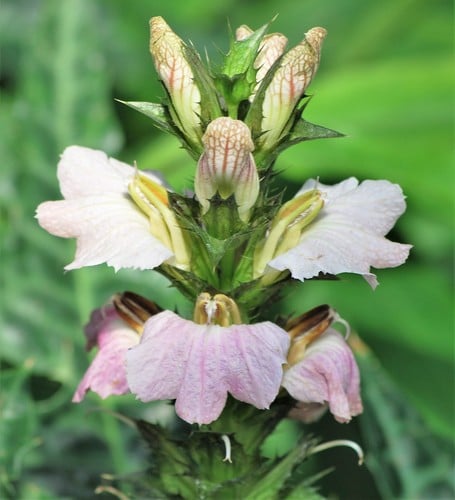
Tropical herbs and shrubs with showy flowers; includes some ornamentals and medicinal plants.
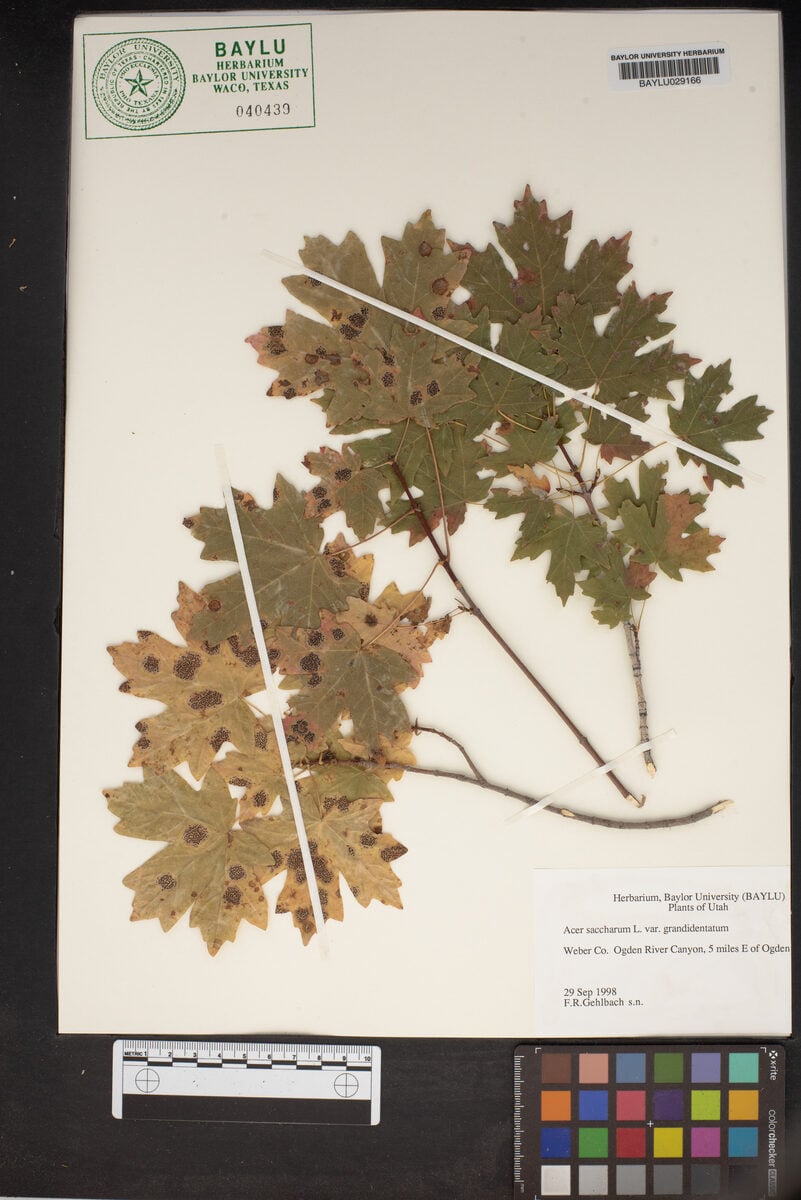
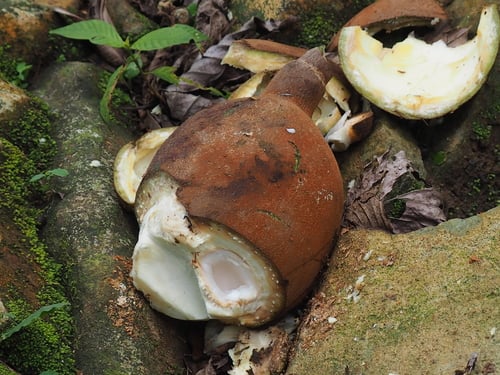
Small family of African trees and shrubs with edible fruits similar to passion fruits.
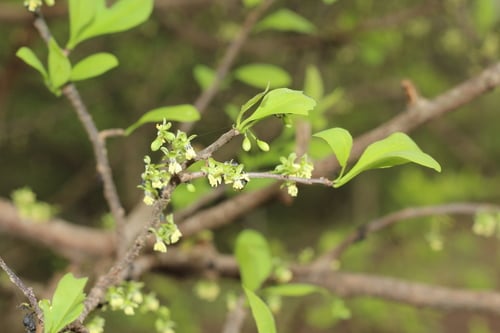
Rare family of small trees and shrubs from Central and South America.
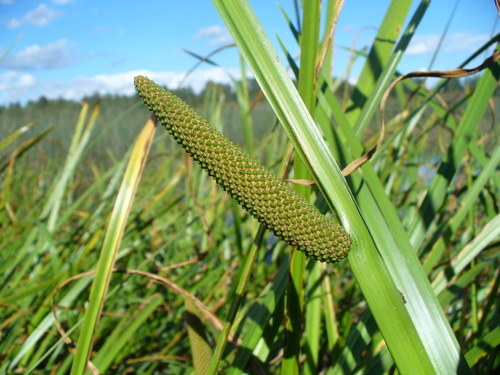
Contains only sweet flag; rhizomatous plant used historically for flavoring and medicine.
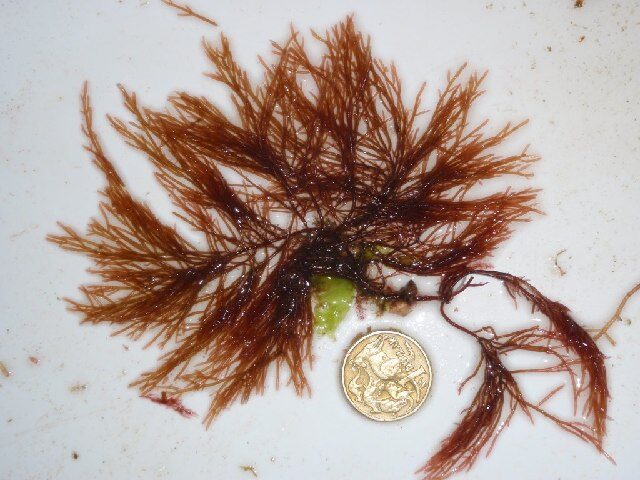
Small family of fungi-like organisms; rarely encountered in common classification.
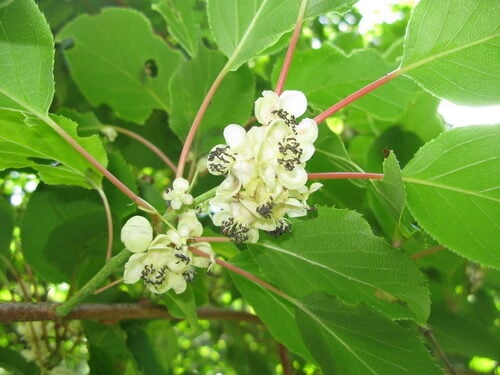
Vines producing fuzzy kiwifruit and smooth-skinned varieties; important commercial fruit crop.
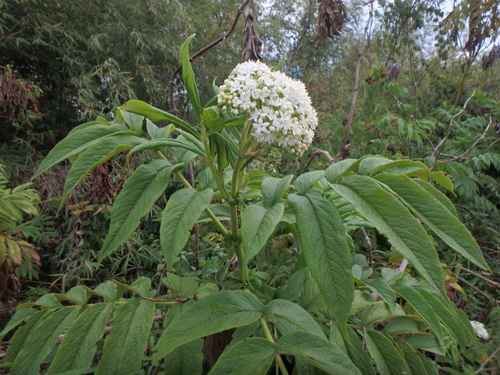
Small family including elderberries, viburnums, and honeysuckles; many with edible berries.
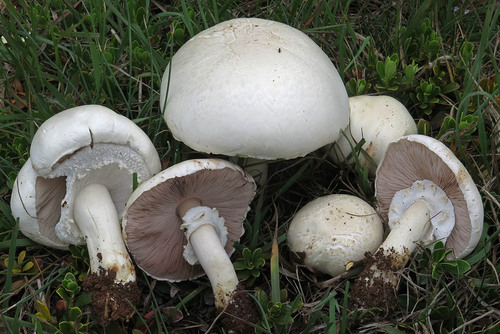
Fungal family containing the common button mushroom and its relatives; widely cultivated.
Wood-decay fungi family; includes some edible species but many are toxic.
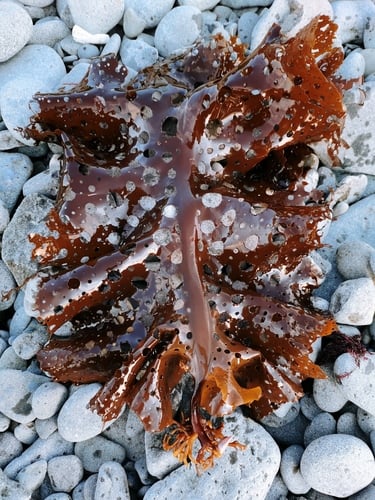
Red algae family used in food industry as carrageenan source; marine organisms.
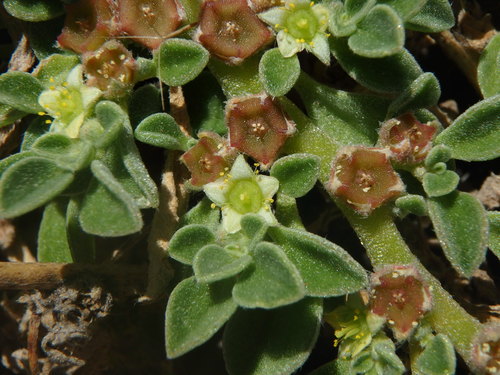
Succulent plants from arid regions; includes ice plant and some edible species.
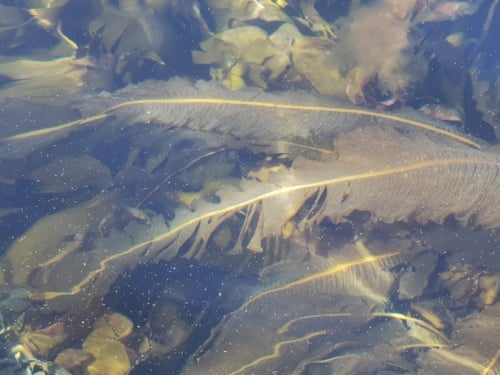
Brown kelp algae family; edible seaweeds harvested commercially in Asian cuisines.
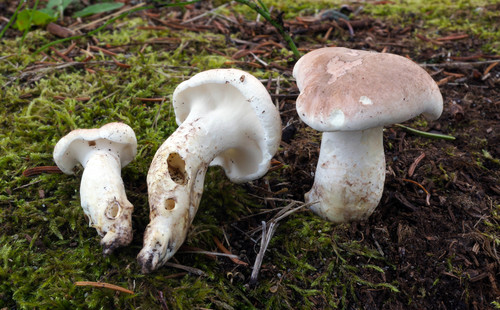
Wood-decay fungi producing shelf-like fruiting bodies; some species are edible.
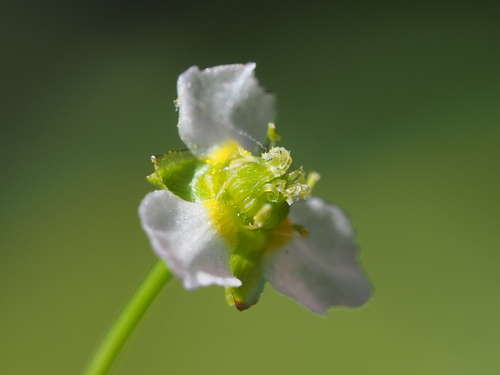
Aquatic plants including arrowhead; rhizomes and corms are edible starch sources.
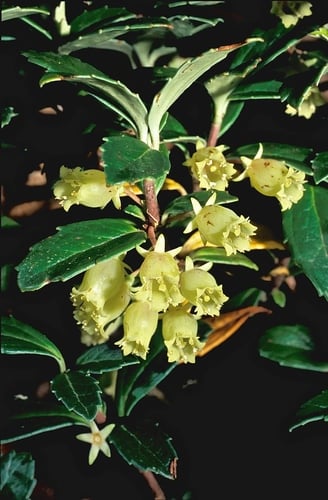
Small family of Australian shrubs; rarely cultivated or economically significant.
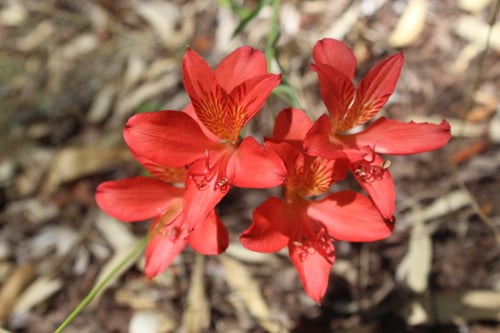
Peruvian lilies; ornamental flowering plants with colorful blooms; rarely edible.
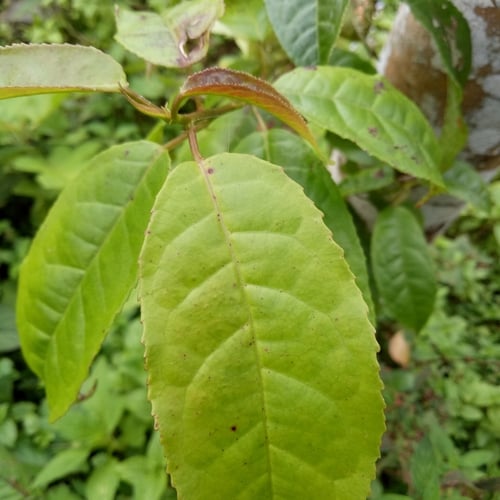
Trees including liquidambar; produces aromatic resins used in perfumes and medicines.
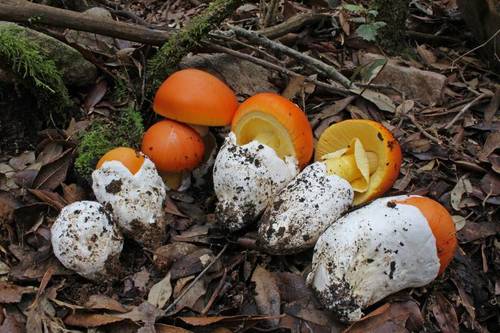
Fungal family containing deadly amanitas and some edible species; highly toxic varieties present.
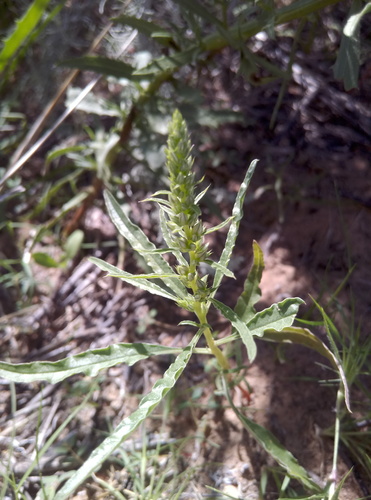
Includes amaranth grains, spinach relatives, and quinoa; nutritious leafy greens and seeds.
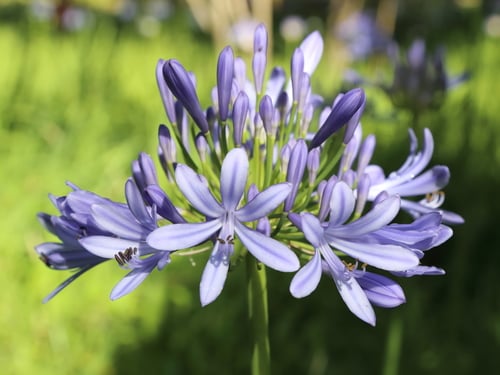
Bulbous plants including daffodils, onions, garlic, and leeks; many edible species.
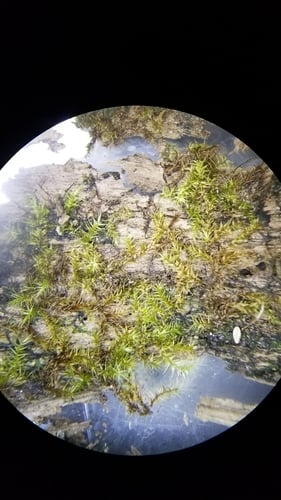
Moss family containing small, delicate mosses common in damp habitats worldwide.
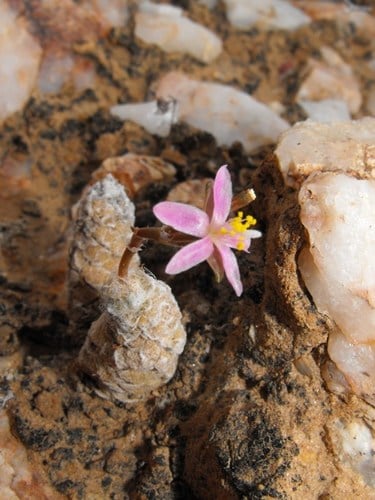
Small succulent plant family with fleshy leaves, native to arid regions.
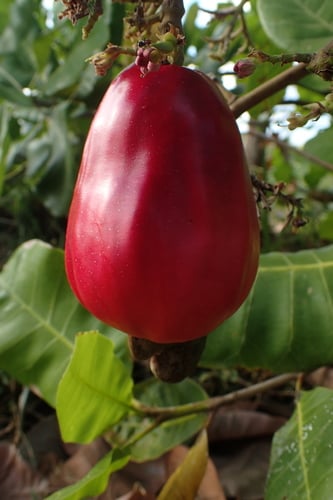
Family including cashews, mangoes, pistachios, and poison ivy with characteristic resinous compounds.
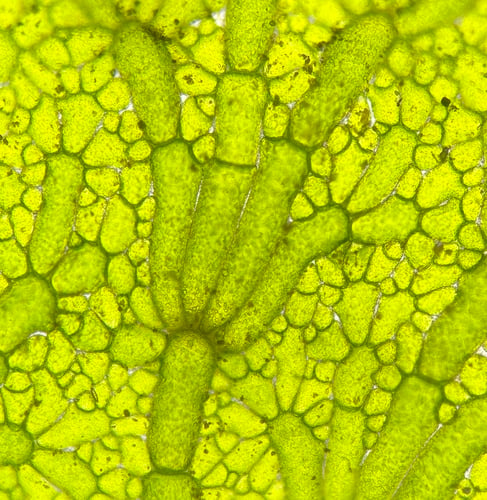
Marine green algae family found in tropical and subtropical coastal waters.
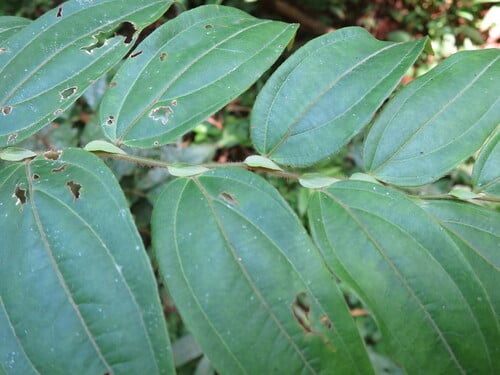
Small tropical tree family with unequal-sized leaflets native to Africa and Asia.
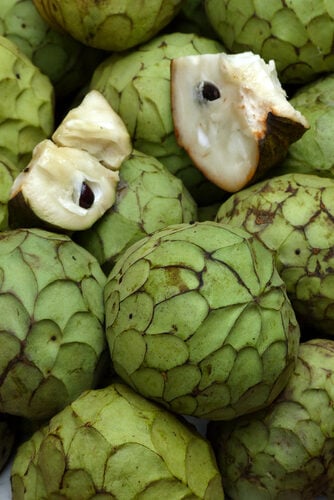
Tropical fruit family including custard apples, soursops, and cherimoya.
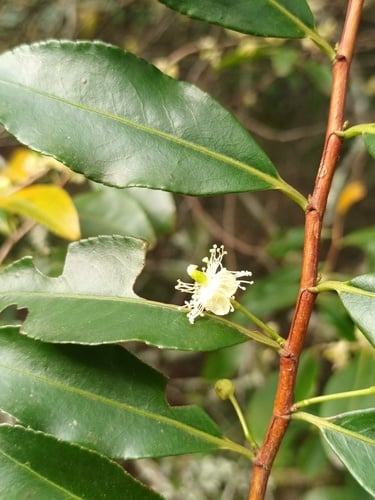
Rare tropical tree family with few species found in Madagascar and Africa.
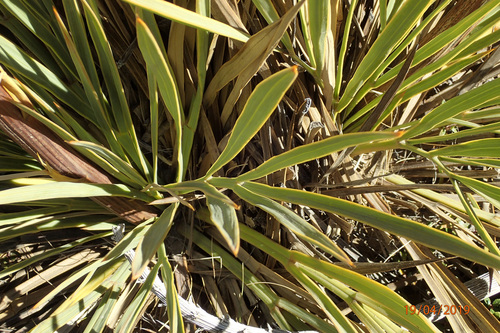
Carrot family containing parsley, celery, fennel, dill, and other aromatic herbs and vegetables.
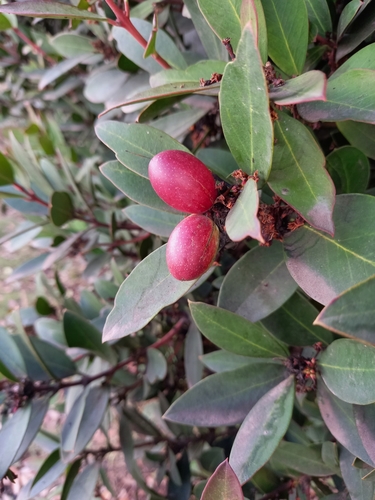
Diverse family including periwinkles, oleander, and some tropical fruit species.
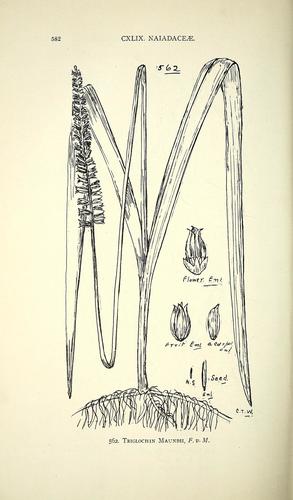
Aquatic plant family with ornamental water lily-like species.
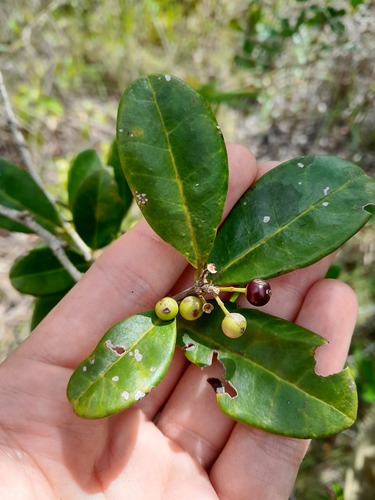
Holly family containing evergreen shrubs and trees with spiny leaves and red berries.
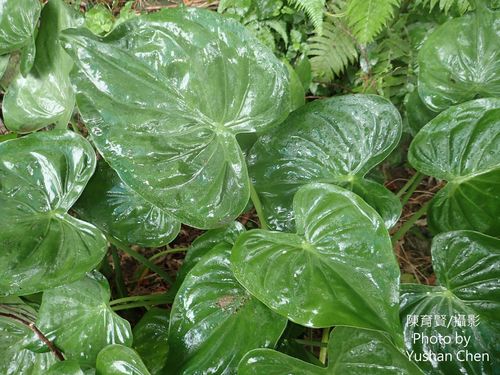
Tropical family including arum lilies, philodendrons, and taro, a staple starch crop.
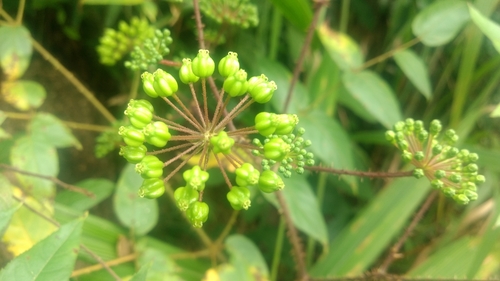
Diverse family including ginseng, ivy, and tropical trees and shrubs.
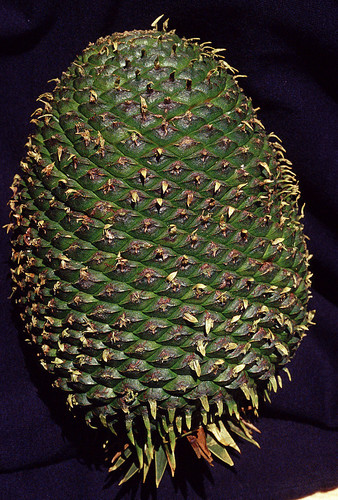
Ancient conifer family with monkey puzzle tree and kauri, producing valuable timber.
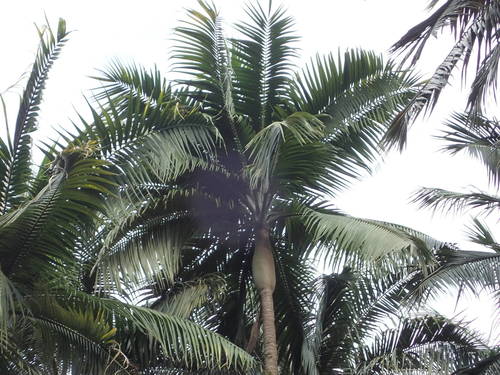
Palm family including coconut, date palm, and other economically important tropical plants.
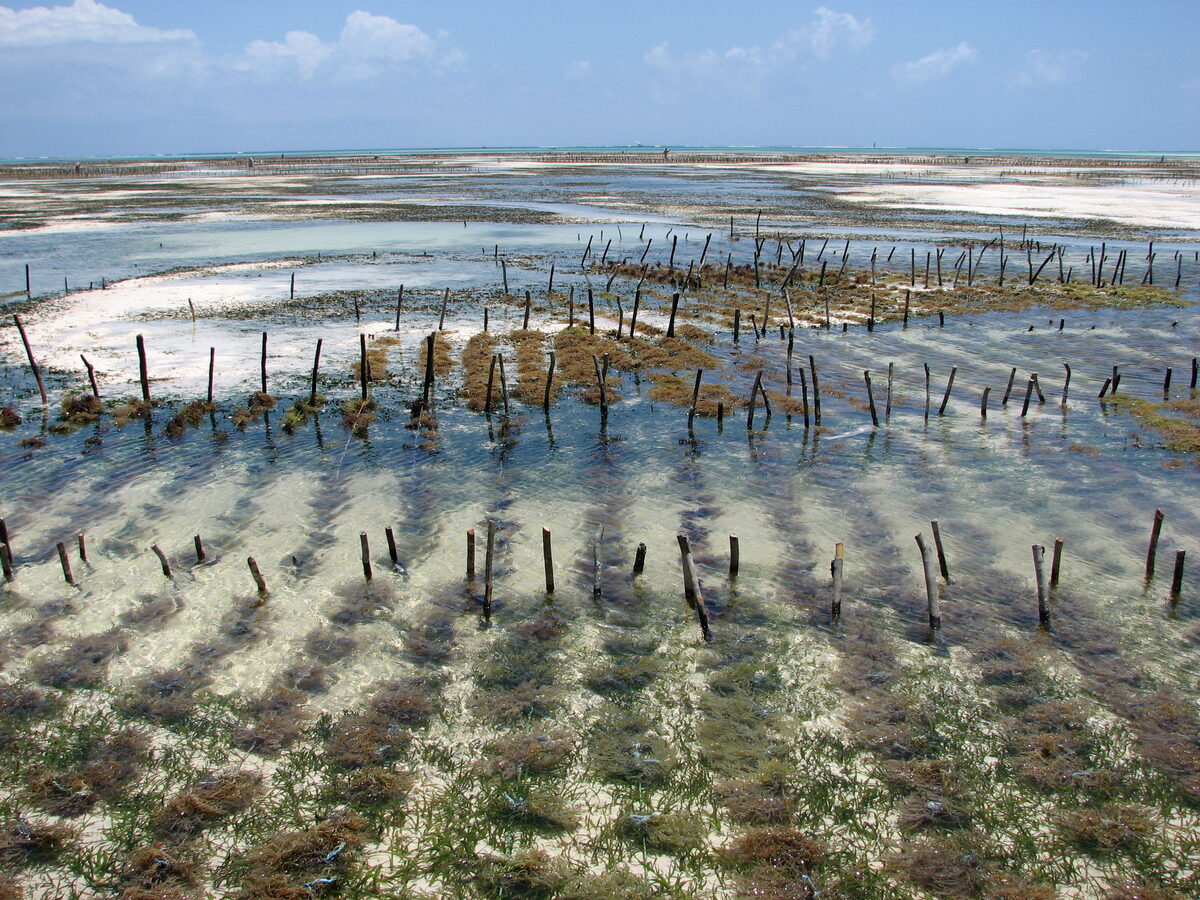
Monogeneric red algae family with single genus found in Pacific coastal regions.
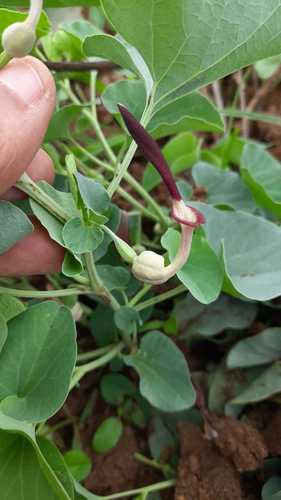
Climbing vines and herbs with unusual curved flowers, some medicinal species.
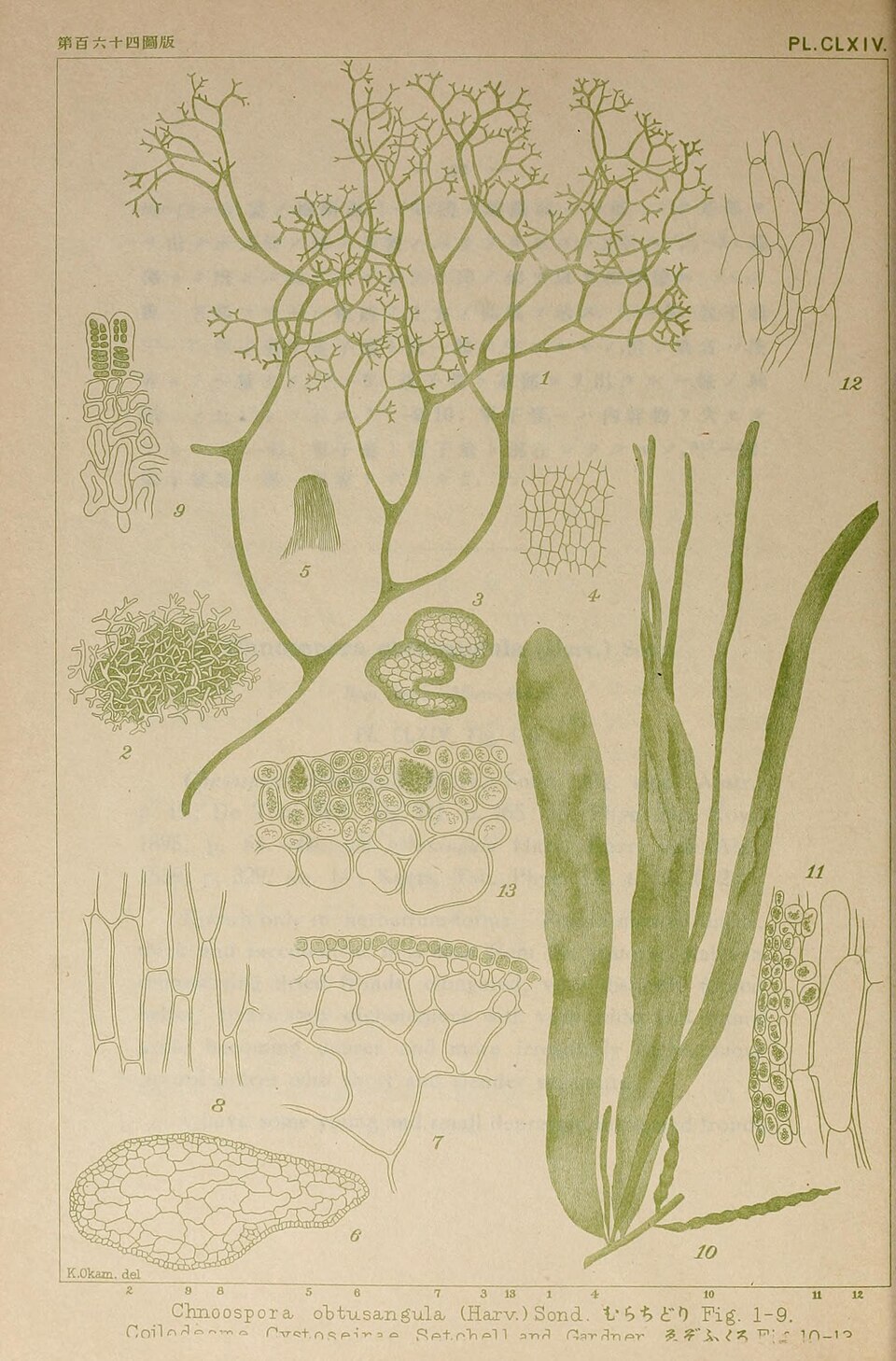
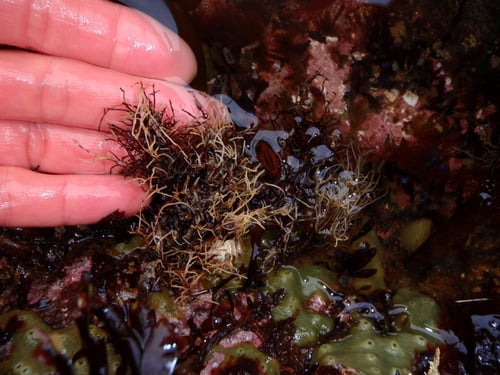
Red algae family with articulate (jointed) filamentous structure from marine environments.
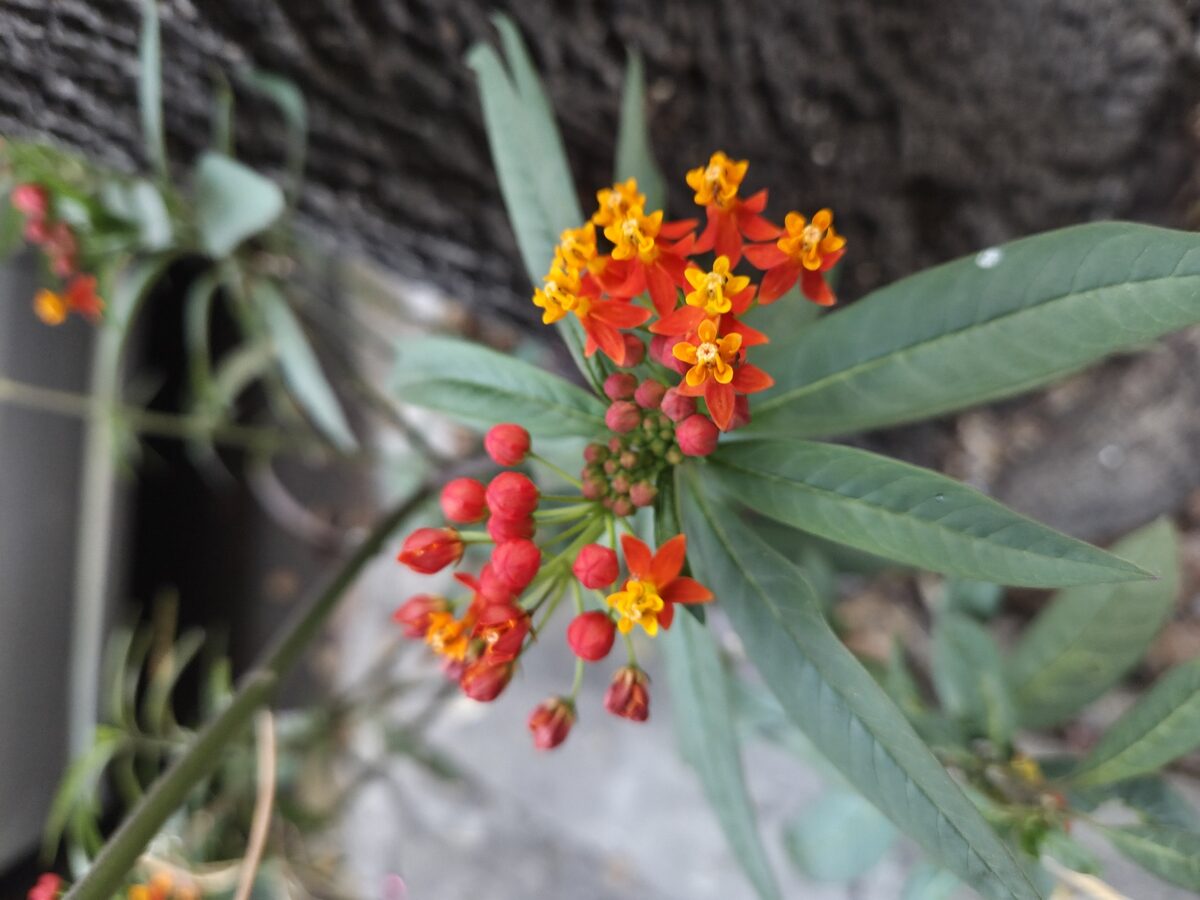
Milkweed family with latex-containing plants, important for monarch butterfly caterpillars.
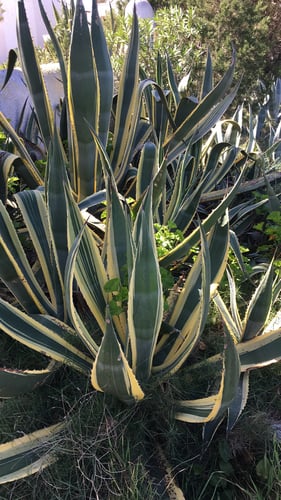
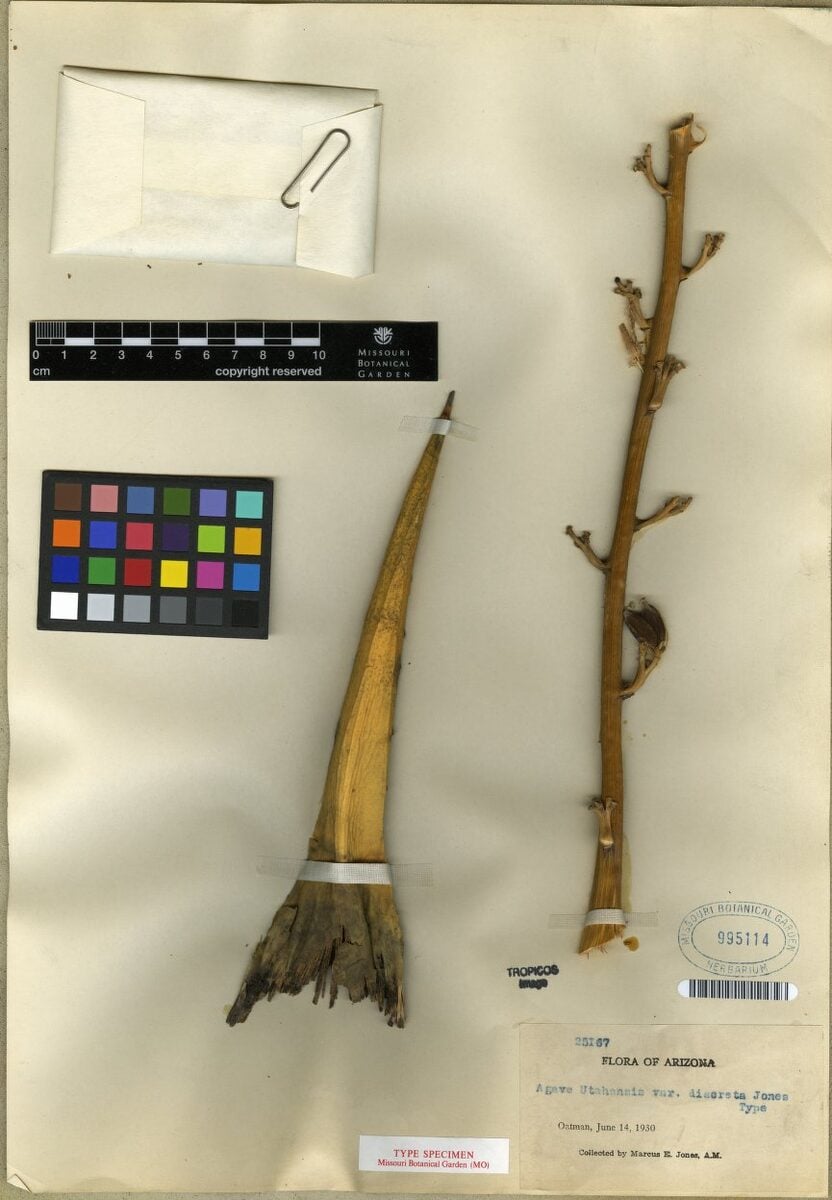
Family containing asparagus, agave, yucca, and various ornamental lily-like plants.
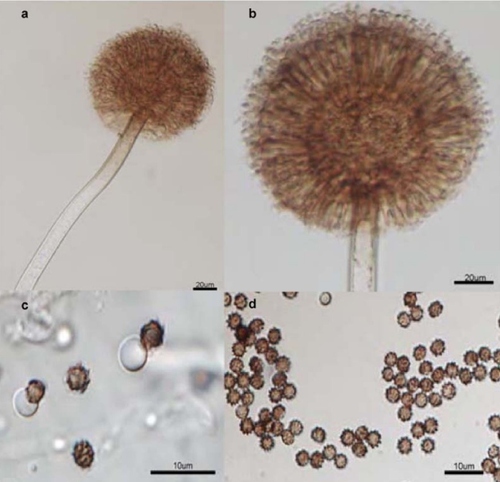
Fungal family including common molds like Aspergillus; some produce toxins, others used in food fermentation.
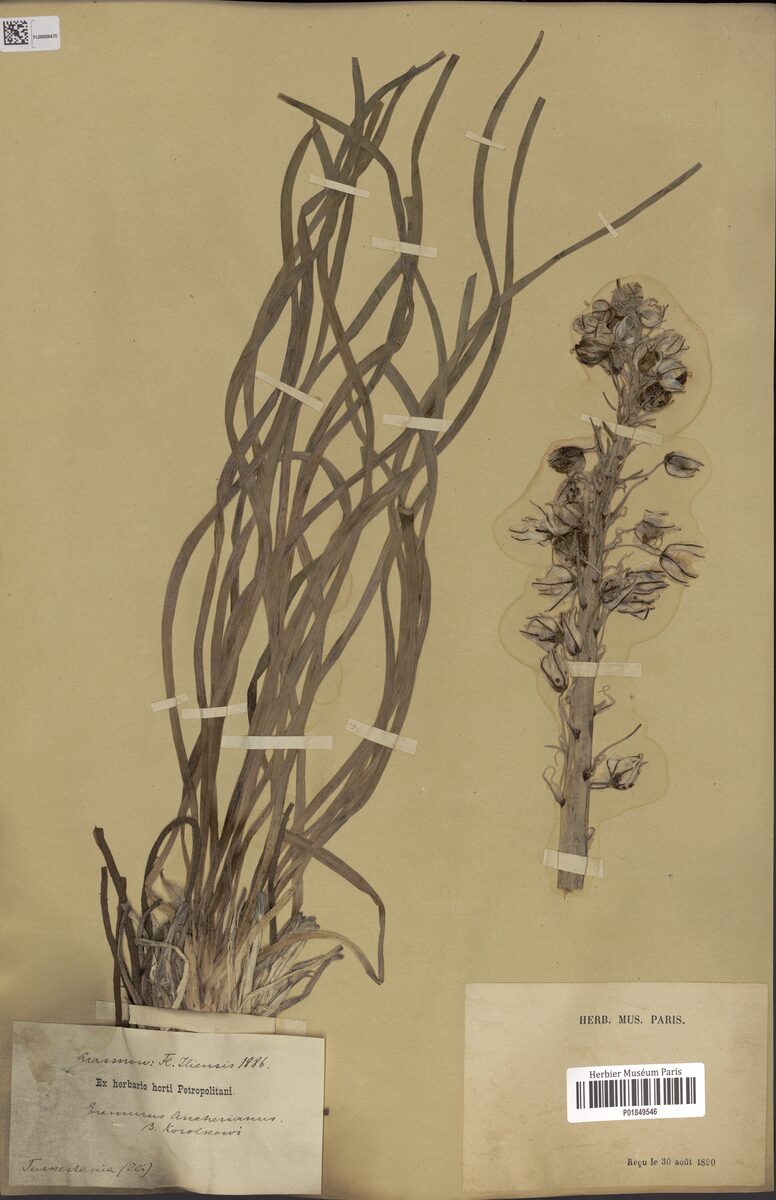
Herbaceous plants including aloe, with fleshy leaves; some species produce edible tubers.
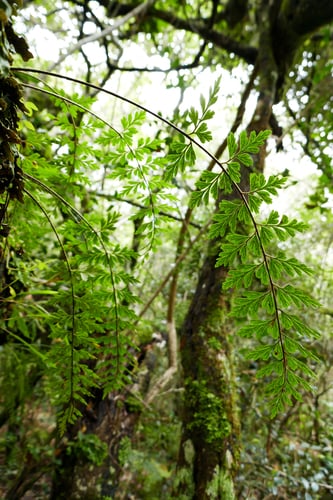
Fern family with small, delicate fronds; spleenwort ferns are common ornamental species.
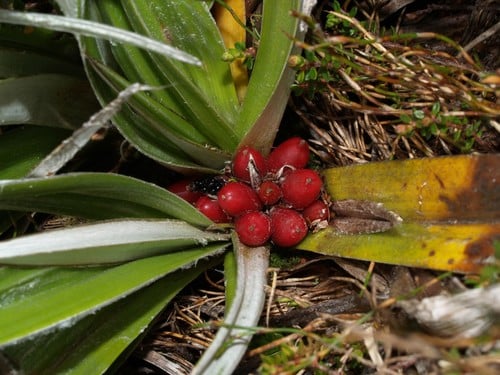
Monocots with strap-like leaves; found mainly in Southern Hemisphere, some produce edible berries.
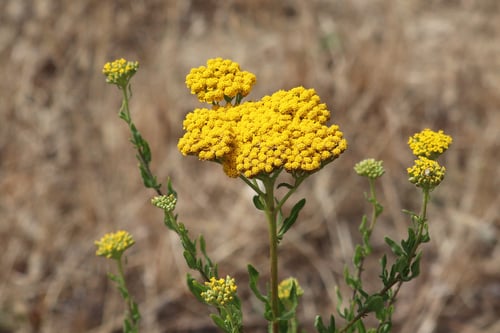
Largest flowering plant family including sunflowers, lettuce, artichokes, and chrysanthemums.
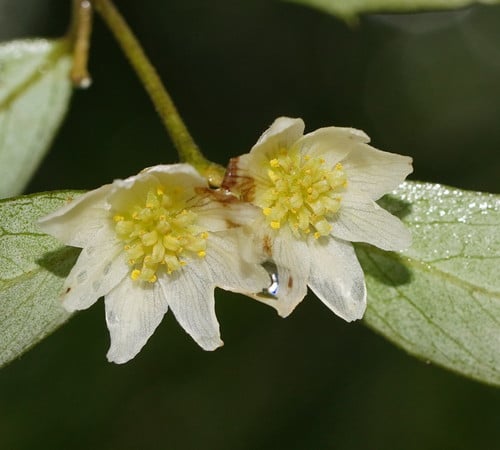
Woody shrubs and trees from Australia and South America; some produce aromatic oils.