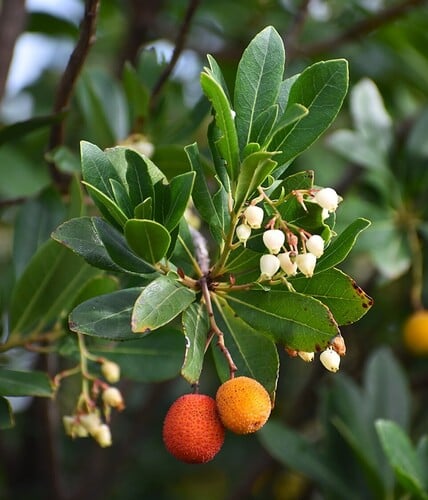
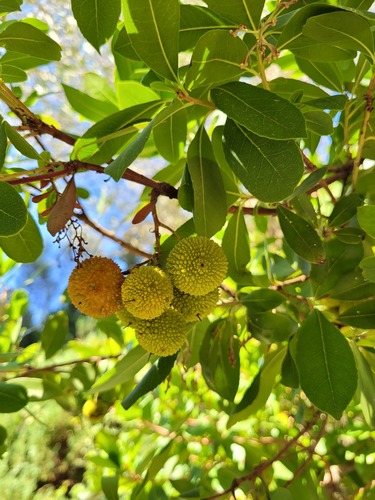
Gaultheria adenothrix
(Miq.) Maxim.
iNaturalist· cc-by-nc
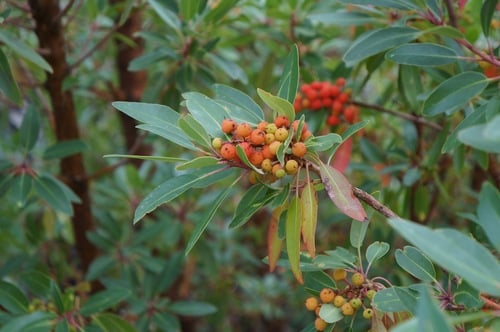
(c) fudao, some rights reserved (CC BY-NC)
iNaturalist· cc-by
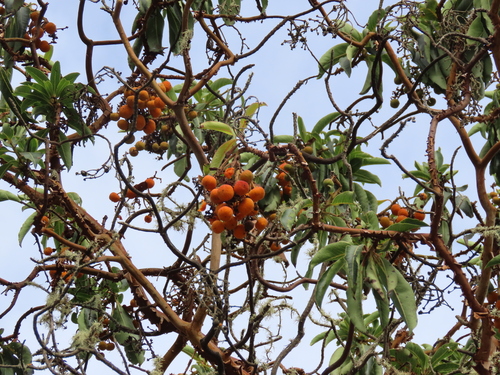
(c) Marco Mussita, some rights reserved (CC BY)
iNaturalist· cc-by
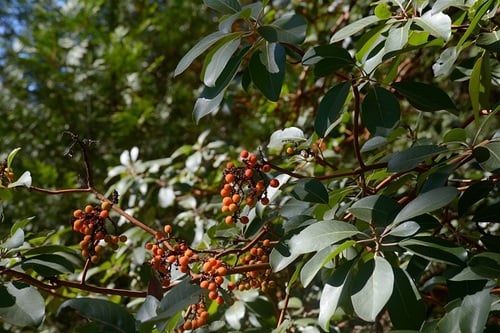
(c) Marco Mussita, some rights reserved (CC BY)
Summary
Source: WikipediaGaultheria adenothrix, known as アカモノ (akamono) or イワハゼ (iwahaze), is a small evergreen shrub in the Ericaceae. It is one of three Gaultheria species native to Japan and grows in low-mountain to subalpine areas.
Description
A small shrub. It grows 15 cm tall and spreads 60 cm wide. It spreads by underground runners or stolons. The above ground stems are arching, zigzag and hairy. The leaves are broadly oval and 3 cm long. The flowers are on slender red stalks. The fruit are red and 6 mm across.
Edible Uses
The fruit can be eaten raw or cooked and has a sweet flavour. Each fruit is about 6mm in diameter.
Traditional Uses
The fruit are eaten raw or cooked. They are sweet.
This uses section is brief — help expand it
Medicinal Uses
None known.
Distribution
It is a temperate plant. It suits light shade.
Where It Grows
Asia, Japan,
Cultivation
Plants can be grown from seeds. The seeds need extended cold treatment. They can also be grown by half ripe wood cuttings.
Propagation
Seed requires cold stratification — pre-chill for 4–10 weeks, then surface sow in lime-free compost in a shady part of the greenhouse, keeping the compost moist. Germination usually occurs within 1–2 months at 20°C, but seedlings are prone to damping off. Water carefully, ensure good ventilation, and consider watering with a garlic infusion to reduce damping off. Prick out seedlings into individual pots at about 25mm tall and grow on in light shade in the greenhouse for at least the first winter. Plant out in late spring or early summer. Protect from spring frosts for the first few years outdoors, as seedlings are susceptible. Leaves remain very small for the first few years. Cuttings of half-ripe wood, 3–6cm long, taken July/August in a shaded frame; roots form in late summer or spring, with a good success rate. Divide in spring just before new growth begins — larger clumps can go straight into permanent positions, but smaller clumps are best potted up in a cold frame until rooting well, then planted out in spring. Layering is also possible.
Other Uses
A useful ground cover plant for a semi-shaded position, spaced about 45cm apart each way.
Notes
There are about 170 Gaultheria species. There are about 37 Gaultheria species in tropical America.
Synonyms
References (2)
- Bull. Acad. Imp. Sci. Saint-Petersbourg 18:44. 1872 (Diagn. pl. nov. jap.)
- Plants for a Future database, The Field, Penpol, Lostwithiel, Cornwall, PL22 0NG, UK. http://www.scs.leeds.ac.uk/pfaf/