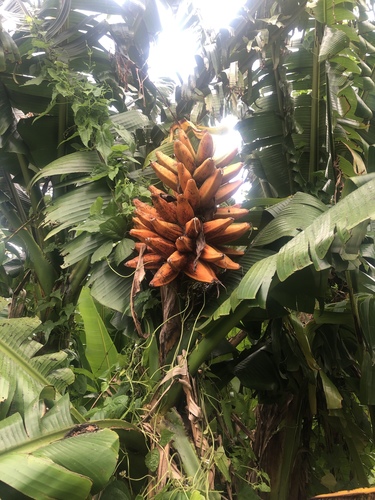
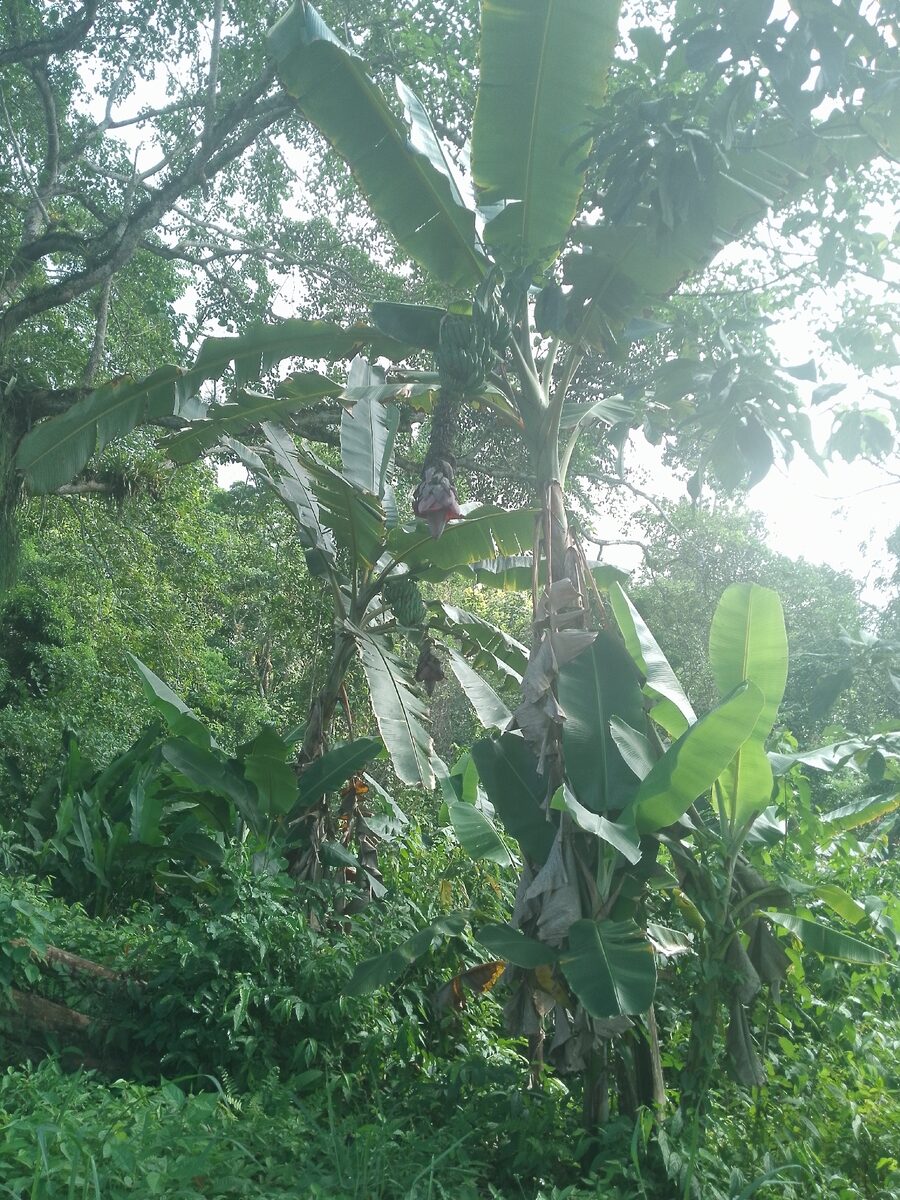
Musa acuminata subsp. malaccensis
Ridl.
iNaturalist· cc-by-nc
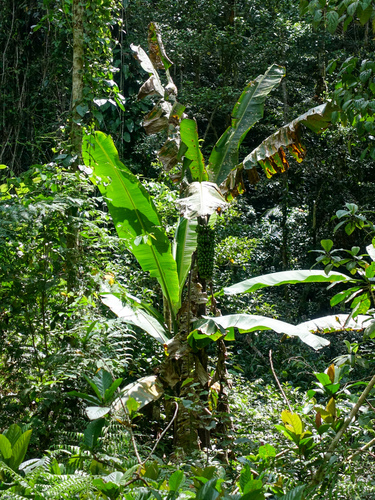
(c) Greg Lasley, some rights reserved (CC BY-NC), uploaded by Greg Lasley
iNaturalist· cc-by-nc
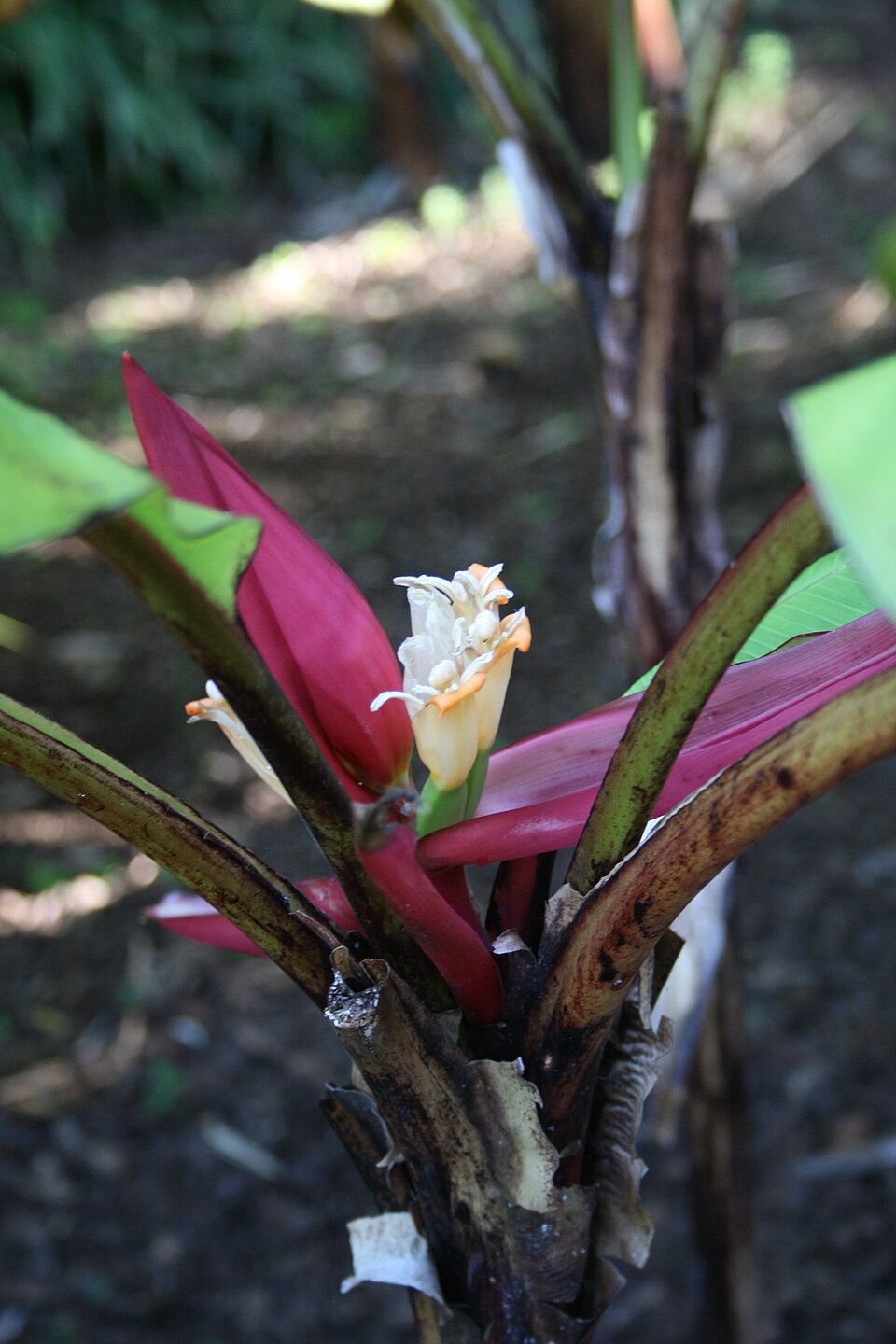
(c) Sam McNally, some rights reserved (CC BY-NC), uploaded by Sam McNally
iNaturalist· cc-by-nc
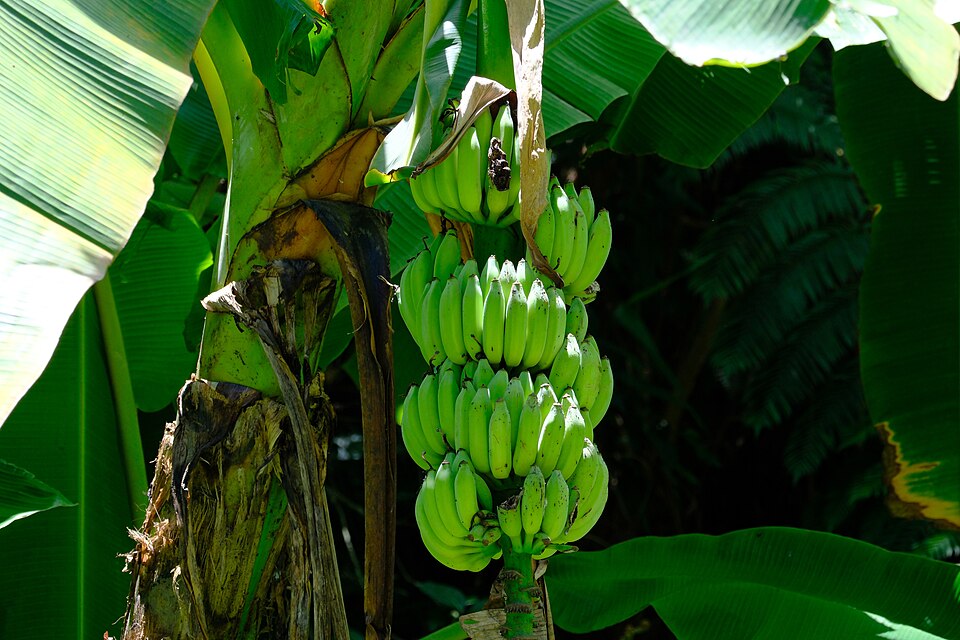
(c) Tan Kok Hui, some rights reserved (CC BY-NC), uploaded by Tan Kok Hui
Summary
Source: WikipediaMusa acuminata is a species of banana native to Southern Asia, its range comprising the Indian subcontinent and Southeast Asia. Many of the modern edible dessert bananas are derived from this species, although some are hybrids with Musa balbisiana. First cultivated by humans around 8000 BCE, it is one of the early examples of domesticated plants.
Description
A banana plant. The false stem can be 3.1 m high. The fruit bunch sticks upwards.
This description is brief — help expand it
Edible Uses
The small amount of flesh around the seeds in the fruit is edible.
Traditional Uses
The small amount of flesh around the seeds is edible.
This uses section is brief — help expand it
Distribution
A tropical plant. It grows in the hills in Malaysia.
Where It Grows
Asia, Malaysia, SE Asia,
Also Known As
Pisang hutan, Pisang karut, Pisang sorong, Pisang jahit
References (1)
- Burkill, I.H., 1966, A Dictionary of the Economic Products of the Malay Peninsula. Ministry of Agriculture and Cooperatives, Kuala Lumpur, Malaysia. Vol 2 (I-Z) p 1535