Apios americana
Medik.
Ground nut, Cinnamon Vine, American potato bean, Apios, Bog potato, Kopniss
iNaturalist· cc-by-nc
(c) natric4u, some rights reserved (CC BY-NC)
iNaturalist· cc-by
(c) Jensyn Scott, some rights reserved (CC BY), uploaded by Jensyn Scott
iNaturalist· cc-by-sa
(c) Douglas Goldman, some rights reserved (CC BY-SA), uploaded by Douglas Goldman
Summary
Source: WikipediaApios americana, sometimes called the American groundnut, potato bean, hopniss, Indian potato, hodoimo, America-hodoimo, cinnamon vine, or groundnut (not to be confused with other plants in the subfamily Faboideae sometimes known by that name) is a deciduous or evergreen perennial vine that bears edible beans and large edible tubers.
Description
A herb. It is a twining vine. It grows 3-4 m long. The leaves have 5 to 7 leaflets. The flowers are in the axils of leaves. The flowers range from pink to purple. They are in long racemes. The pods are about 8 cm long. The tubers are 5 cm long and form on the rhizomes. They are 5-8 cm below ground.
Edible Uses
Edible Parts: Root Seed Seedpod Edible Uses: Tuber - raw or cooked. A delicious flavour somewhat like roasted sweet potatoes, it always receives very high marks in taste trials with us. The tuber can also be dried and ground into a powder then used as a thickening in soups etc or can be added to cereal flours when making bread. Tubers contain 17% crude protein, this is more than 3 times that found in potatoes. The tubers can be harvested in their first year but they take 2 - 3 years to become a sizeable crop. They can be harvested at any time of the year but are at their best in the autumn. The tubers can also be harvested in the autumn and will store until at least the spring. Yields of 2.3 kilos of tubers per plant have been achieved. Seed - cooked. Rather small and not produced very freely, they are used like peas and beans. A good source of protein, they can be ground into a powder and added to cereals when making bread etc. The seedpods are 5 - 13cm long, containing 6 - 13 small seeds. Young seedpods. The seedpods are up to 13cm long. References More on Edible Uses Composition Figures in grams (g) or miligrams (mg) per 100g of food. Root (Fresh weight) 0 Calories per 100g Water : 0% Protein: 17g; Fat: 0g; Carbohydrate: 0g; Fibre: 0g; Ash: 0g; Minerals - Calcium: 0mg; Phosphorus: 0mg; Iron: 0mg; Magnesium: 0mg; Sodium: 0mg; Potassium: 0mg; Zinc: 0mg; Vitamins - A: 0mg; Thiamine (B1): 0mg; Riboflavin (B2): 0mg; Niacin: 0mg; B6: 0mg; C: 0mg; Reference: Notes:
Traditional Uses
The underground tubers and roots are eaten raw, boiled, fried or roasted. They can be added to soups, stews and casseroles. They are mashed and used in bread. The tubers can be boiled in maple syrup to make a preserve. The seeds are eaten. The pods can be roasted and eaten.
Medicinal Uses
The tubers were used in folk remedies for that cancerous condition known as "Proud Flesh" in New England. Nuts were boiled and made into a plaster, "For to eat out the proud flesh they (the Indians) take a kind of earth nut boyled and stamped".
Known Hazards
Studies in rats suggest that raw tubers should not be consumed. They contain harmful protease inhibitors that are denatured by cooking.
Distribution
It is a temperate plant. It grows in moist woods. It suits moist acid soils with a pH of 5 to 7. It needs a protected and partly shaded position. It suits hardiness zones 3-10.
Where It Grows
Asia, Australia, Canada, Europe, France, Germany, Italy, Japan, Korea, Mediterranean, North America*, USA,
Cultivation
Prefers a light, rich soil and a sunny position. When grown in a warm dry situation in well-drained sandy soil, the plants will be long-lived with the tuberous roots increasing in size and number each year. Another report says that the plant prefers light dappled shade. It tolerates acid soils. Prefers a pH in the range of 5 - 7.5, tolerating 4.5 - 8.5. Dislikes windy situations. Apios americana is a plant of the temperate zone, where it is found at elevations up to 1,000 metres. It grows best in areas where annual daytime temperatures are within the range of 10 - 20°c but can tolerate 8 - 30°c. When dormant, the plant can survive temperatures down to about -40°c, though young growth can be damaged by frosts. It prefers a mean annual rainfall in the range 1,000 - 1,200mm, but tolerates 700 - 1,500mm.The groundnut has occasionally been cultivated for its edible root and has the potential to become a commercial crop. Cultivars have been selected in the past for higher yields and larger tubers, it is said that the yields from some of these cultivars can rival potato crops. Some of these cultivars are gradually becoming available in Britain. The best yields are obtained when the plant is left in the ground for at least two growing seasons. Yields of 30 tonnes per hectare have been achieved from weed crops growing in a field of cranberries. This species has been grown in the past in S. Europe and has been suggested as a nitrogen-fixing edible ornamental for permaculturalists. The plant forms long thin roots which enlarge at intervals along their length to form the tubers; the effect is somewhat like a necklace. The flowers have the scent of violets. This species has a symbiotic relationship with certain soil bacteria; these bacteria form nodules on the roots and fix atmospheric nitrogen. Some of this nitrogen is utilized by the growing plant, but some can also be used by other plants growing nearby. ]. No pruning needed, it will die down in the fall.
Propagation
Seed - pre-soak for 3 hours in tepid water and sow February/March in a cold frame. The seed usually germinates in 1 - 3 months at 15°c. When large enough to handle, prick the seedlings out into individual pots and grow them on in light shade in the greenhouse for their first winter, planting them out in late spring or early summer. Division can be carried out at almost any time of the year, though spring is probably the best time. Simply dig up the roots, harvest the tubers and replant them where you want the plants to grow. It is also possible to harvest the tuber in winter, store them in a cool fairly dry but frost-free place over the winter and then plant them out in the spring. The tubers lose moisture rapidly once they have been harvested, so make sure that you store them in a damp medium such as leafmold.
Other Uses
Companion Latex There is one report that the plant contains a latex which could be used in the production of rubber. Special Uses Carbon Farming Food Forest Nitrogen Fixer Scented Plants
Other Information
It has been an important food amongst indigenous people in the USA.
Notes
There are 10 Apios species. For a tuber the roots are high in protein.
Synonyms
Also Known As
Wild Potato, Potato bean, Hopniss, American groundnut, Indian potato
More from Fabaceae
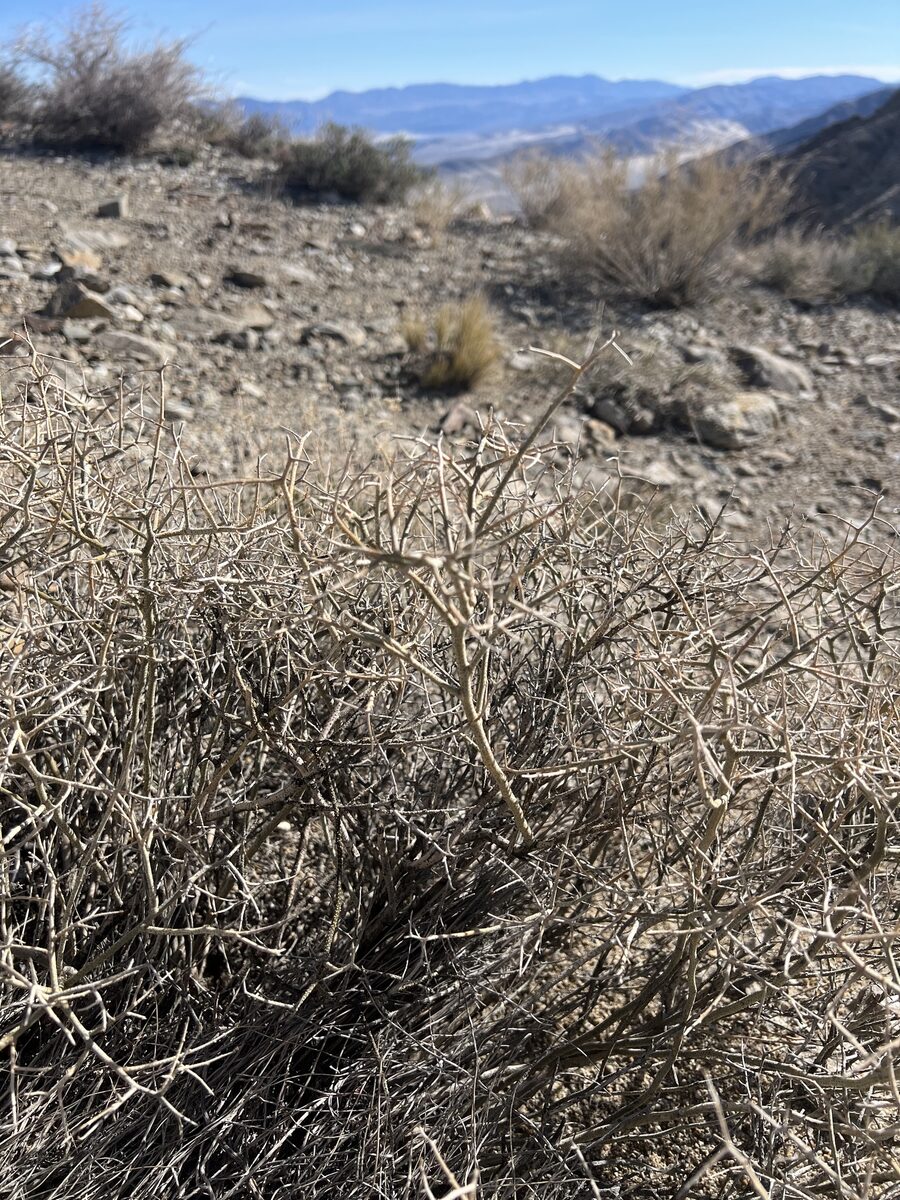
Psorothamnus polydenius - (Torr. ex S.Watson) Rydb.
Nevada smokebush
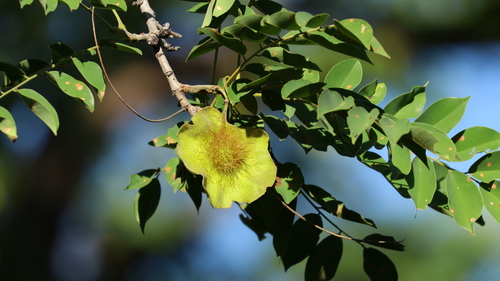
Pterocarpus angolensis
Bloodwood
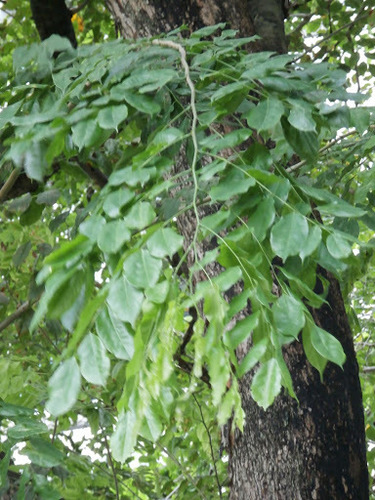
Pterocarpus dalbergioides
Andaman padauk, Andaman redwood
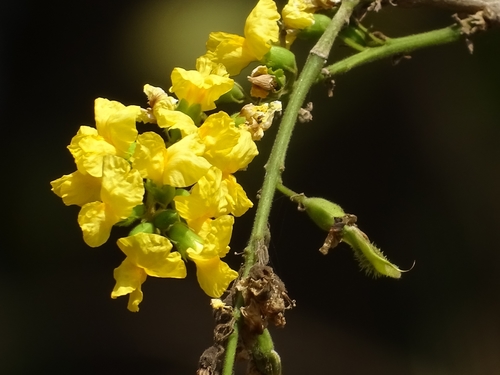
Pterocarpus erinaceus
West African rosewood
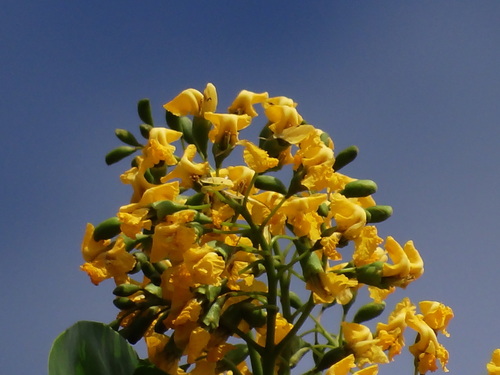
Pterocarpus indicus
Burmese Rosewood
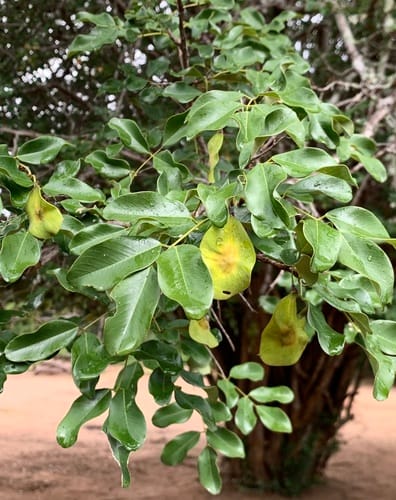
Pterocarpus lucens
Small-leaved kiaat, Small-leaved bloodwood