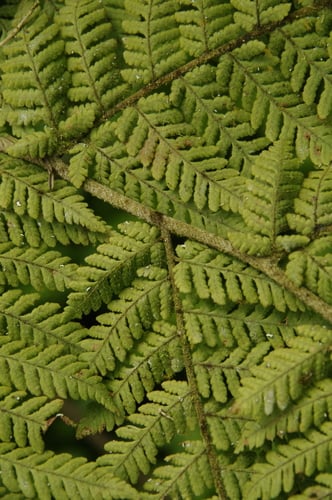
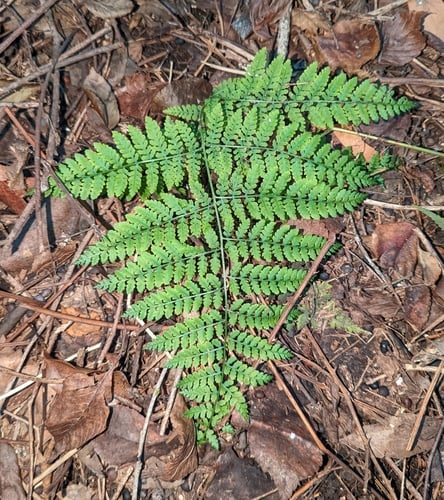
Pteridium aquilinum var. africanum
(L.) Kuhn; Donat
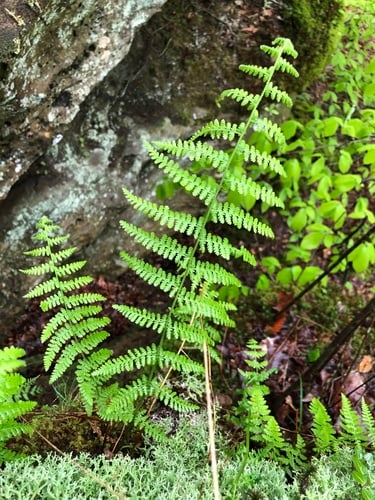
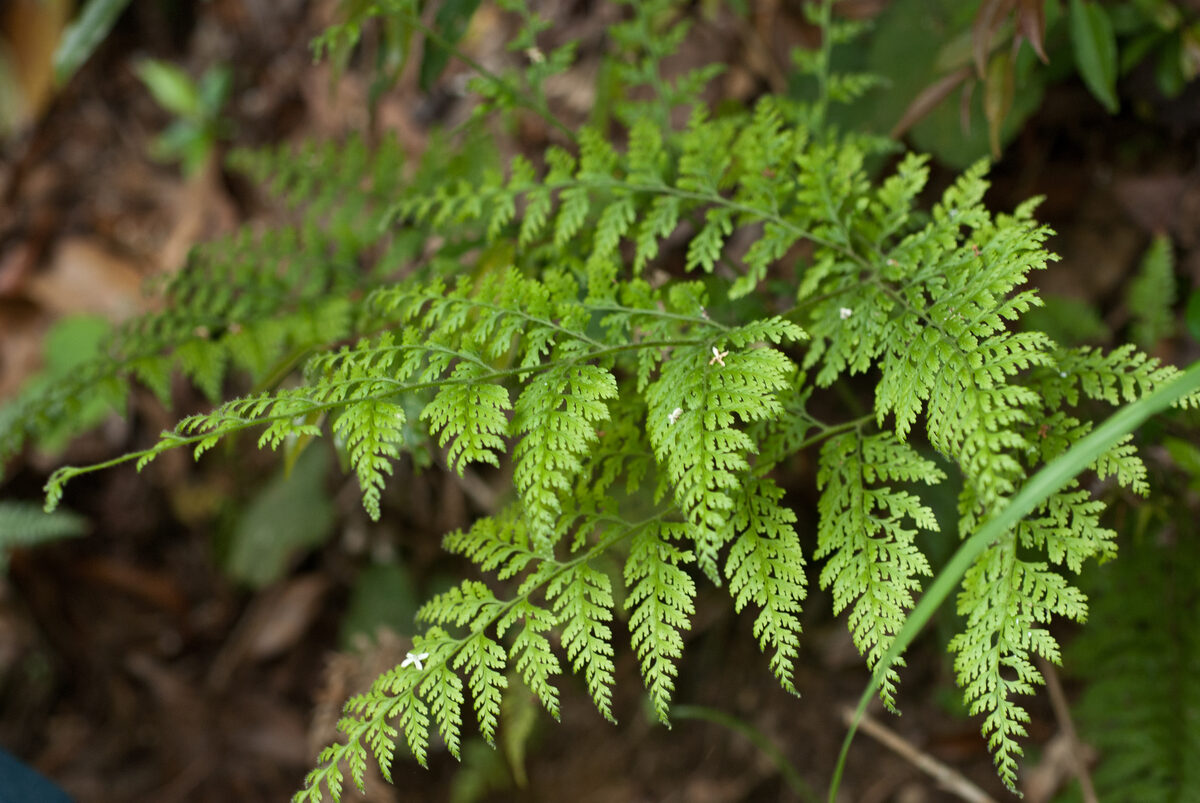
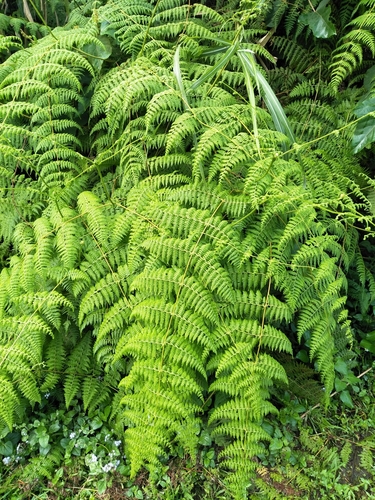
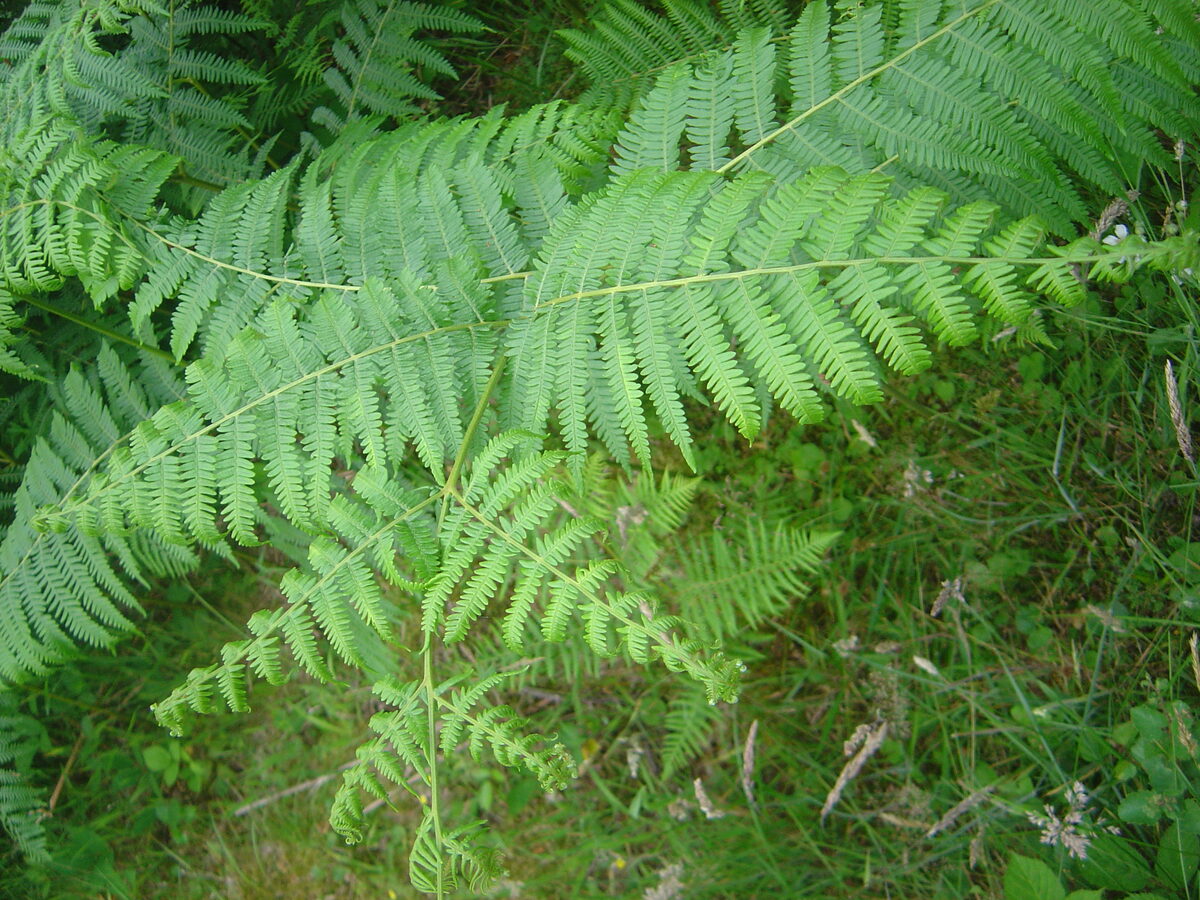
Bracken fern tips
gbif· cc0
Conveyor Belt
gbif· cc0
Conveyor Belt
gbif· cc0
Conveyor Belt
Summary
Source: WikipediaPteridium aquilinum, commonly called bracken, brake, pasture brake, common bracken, and also known as eagle fern, is a species of fern occurring in temperate and subtropical regions in both hemispheres. Originally native to Eurasia and North America, the extreme lightness of its spores has led to it achieving a cosmopolitan distribution.
Description
A tropical fern of the Dennstaedtiaceae family that grows in open woodland, with edible fronds, rhizomes, roots, and leaves sold in local markets.
This description is brief — help expand it
Edible Uses
The fronds, rhizomes, roots, and leaves are eaten.
Medicinal Uses
P. aquilinum has been investigated for its anti-inflammatory and antioxidative properties. In Finnish traditional medicine, bracken has been used as a remedy in many ways: Elias Lönnrot advised to use a powder made of the plant's roots to drive away maggots. A decoction made of bracken was used to treat stomach problems, gout and joint pain. The leaves have been used as filling in mattresses, because it was believed to lessen rheumatic pain and drive away vermin.
Known Hazards
The plant contains the carcinogenic compound ptaquiloside. Ptaquiloside is known to cause haemorrhagic diseases in ruminants, tumours and haematological problems in non-ruminants, and is correlated with oesophageal and gastric cancer in humans. Chronic bracken consumption is also associated with upper digestive tract (UDT) squamous cell carcinomas in cattle (ruminants)—with the most aggressive and serious tumors located in the caudal (lower) UDT. High stomach cancer rates are found in Japan and North Wales, where the young stems are used as a vegetable, but it is unknown whether bracken plays any part or if the cancer can be attributed to another cause. Consumption of ptaquiloside-contaminated milk is thought to contribute to human gastric cancer in the Andean states of Venezuela. The spores have also been implicated as carcinogens. Consumption of contaminated water and meat may be dangerous as well. However, ptaquiloside is water-soluble, and is reduced by soaking bracken in cool water. Korean and Japanese cooks have traditionally soaked the shoots in water and ash to detoxify the plant before eating. Ptaquiloside also degenerates at room temperature, which explains why the rat studies were done with the toxin stored at −20 °C (−4 °F). At boiling temperature, the carcinogen denatures almost completely. Salt and baking soda also help with volatilizing the chemical. It has been suggested that selenium supplementation can prevent as well as reverse the immunotoxic effects induced by ptaquiloside from Pteridium aquilinum.
Distribution
A tropical plant. It grows in open woodland.
Where It Grows
Africa, Angola, Cameroon, Central Africa, Congo, East Africa, Equatorial Guinea, Guinea, Guinée, North America, Sierra Leone, USA, West Africa, Zambia, Zimbabwe,
Other Information
It is sold in local markets.
Notes
There are 6 Pteridium species. Some people regard it as one variable species. They are also put in the Pteridiaceae family.
Also Known As
Kinzelele, Kumbi, Manzemba nzelele, Matekua, Mitekua, Mupetu, Mushili
References (6)
- Beckstrom-Sternberg, Stephen M., and James A. Duke. "The Foodplant Database." http://probe.nalusda.gov:8300/cgi-bin/browse/foodplantdb.(ACEDB version 4.0 - data version July 1994)
- Burkill, H. M., 1985, The useful plants of west tropical Africa, Vol. 5. Kew.
- Jardin, C., 1970, List of Foods Used In Africa, FAO Nutrition Information Document Series No 2.p 112
- Lautenschläger, T., et al, 2018, First large-scale ethnobotanical survey in the province of Uíge, northern Angola. Journal of Ethnobiology and Ethnomedicine (2018) 14:51
- Malaisse, F., 1997, Se nourrir en floret claire africaine. Approche ecologique et nutritionnelle. CTA., p 67 (Subsp. centrali-africanum)
Show all 6 references Hide references
- Mawunu, M., et al, 2020, First Survey of the Edible Non-Wood Forest Products Sold in Uige Province, Northern Angola. European Journal of Agriculture and Food Sciences. Vol. 2, No. 6