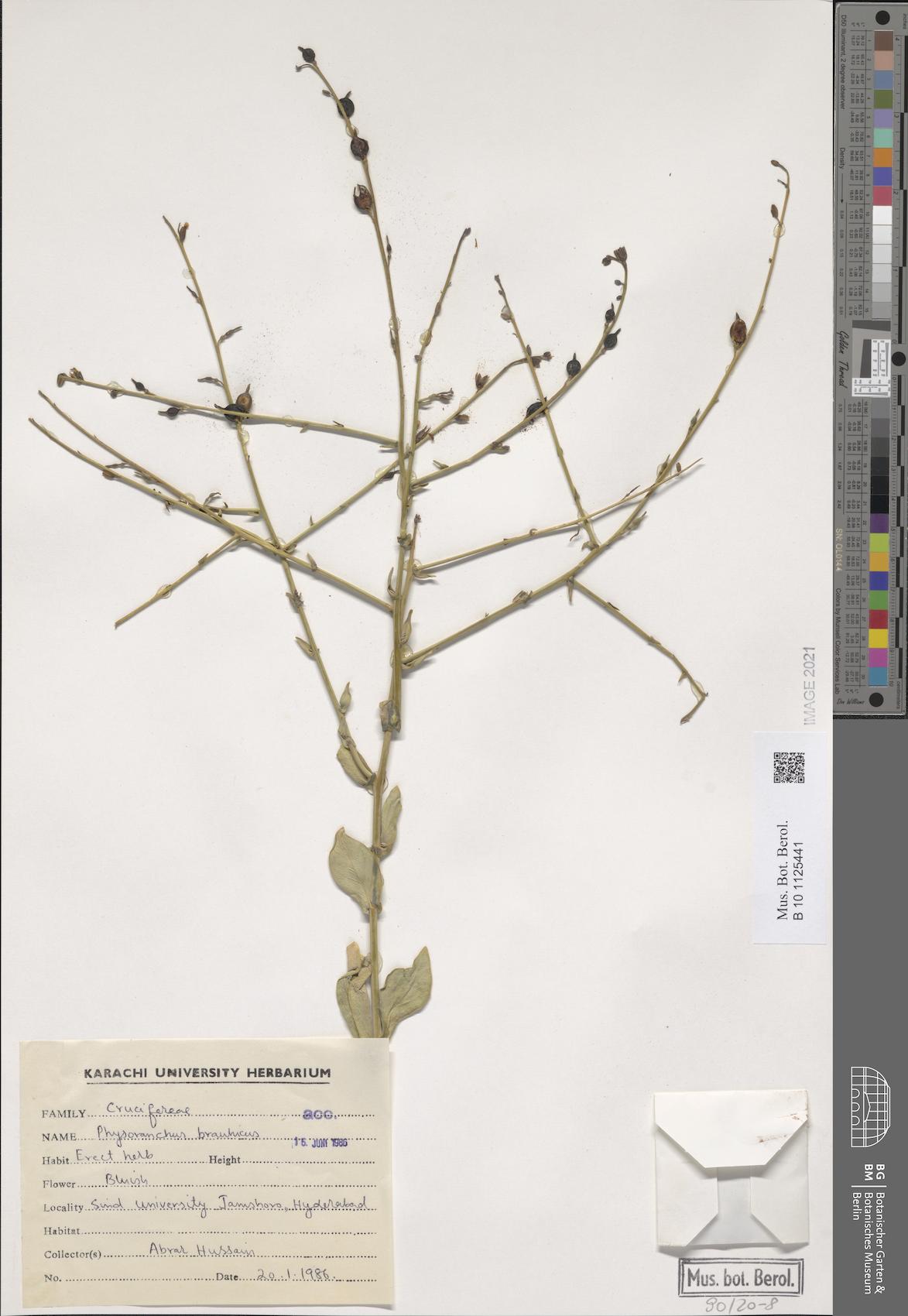
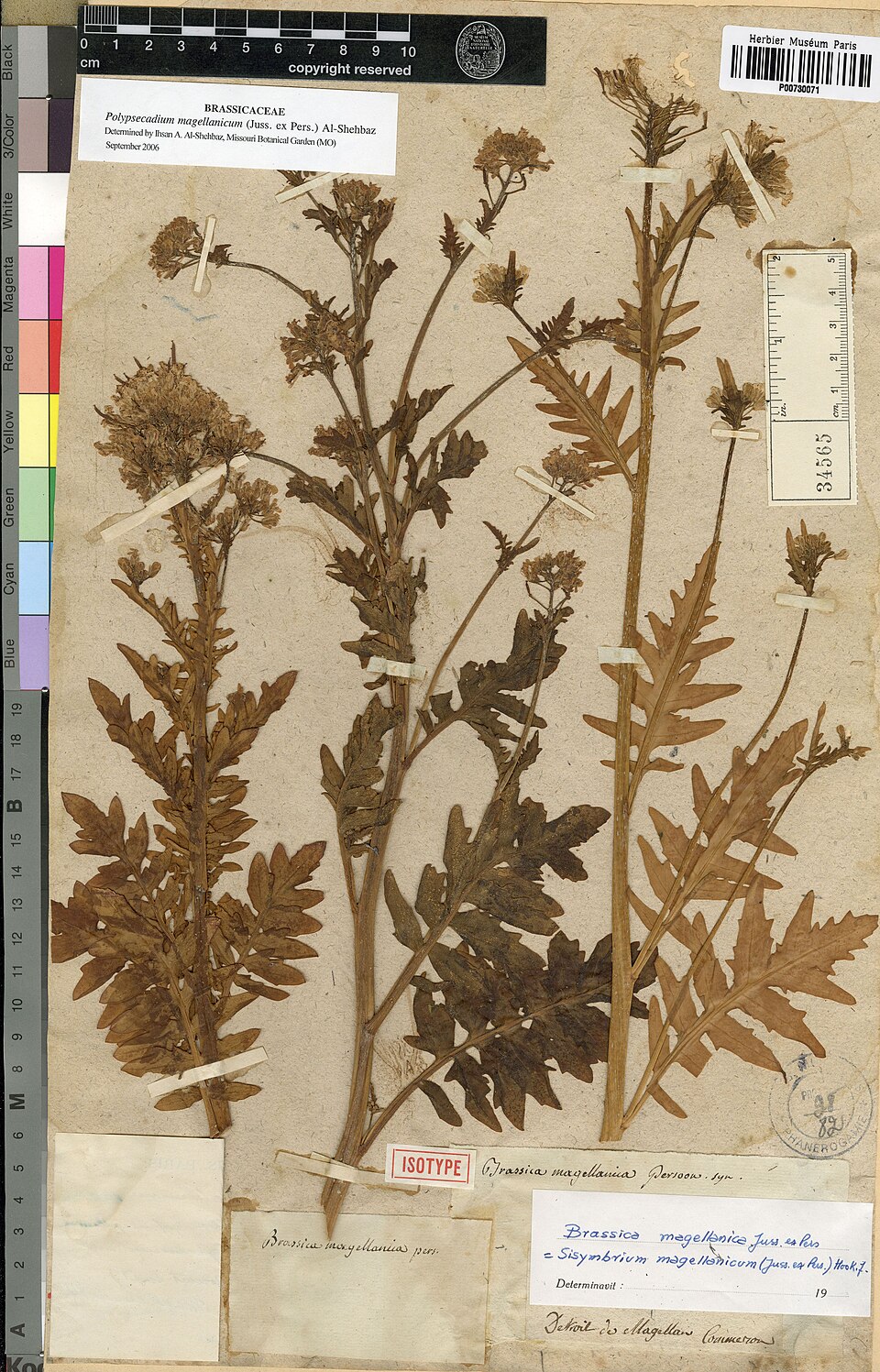
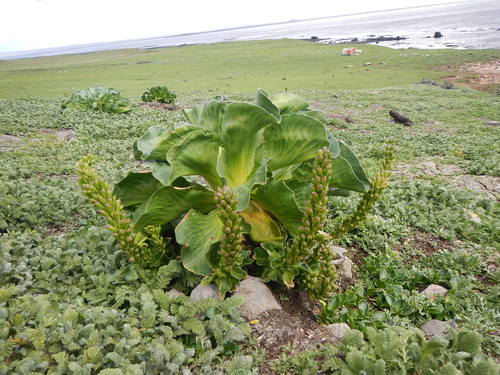
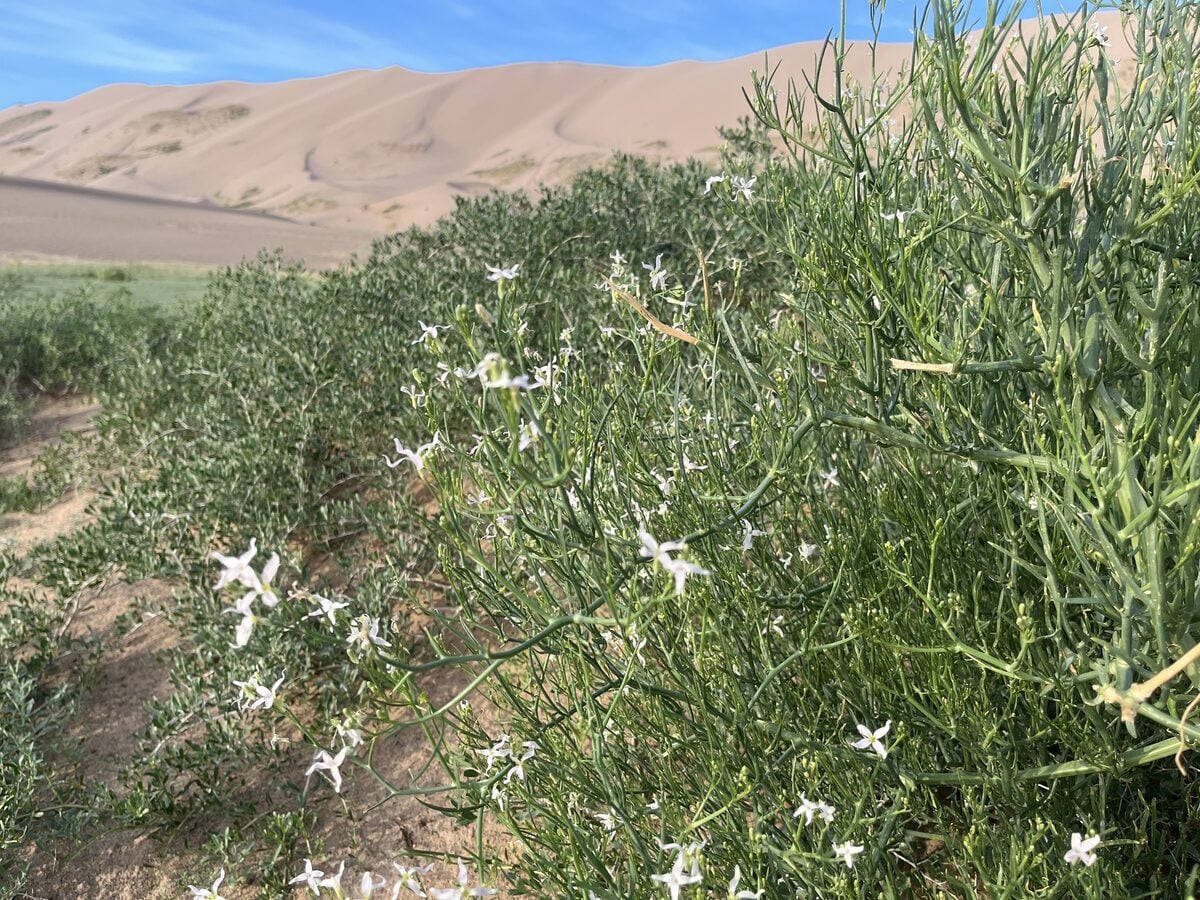
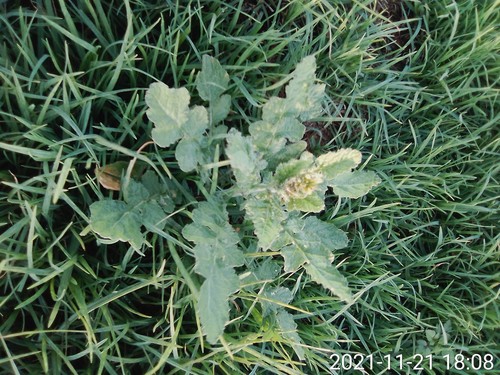
Nasturtium officinale
R.Br.
Watercress
iNaturalist· cc-by
(c) Andrew Tree, some rights reserved (CC BY), uploaded by Andrew Tree
iNaturalist· cc-by-nc
(c) andrewmaungakotukutuku, some rights reserved (CC BY-NC), uploaded by andrewmaungakotukutuku
iNaturalist· cc-by-nc
(c) Azucena Briones Muñoz, some rights reserved (CC BY-NC), uploaded by Azucena Briones Muñoz
Description
Nasturtium officinale is a PERENNIAL growing to 0.5 m (1ft 8in) by 1 m (3ft 3in) at a fast rate. See above for USDA hardiness. It is hardy to UK zone 6 and is not frost tender. It is in flower from May to October, and the seeds ripen from July to October. The species is hermaphrodite (has both male and female organs) and is pollinated by Bees, flies. The plant is self-fertile. It is noted for attracting wildlife. Suitable for: light (sandy), medium (loamy) and heavy (clay) soils. Suitable pH: mildly acid, neutral and basic (mildly alkaline) soils. It cannot grow in the shade. It prefers wet soil and can grow in water.
Edible Uses
Condiment. Leaves - raw or cooked. Water cress is mainly used as a garnish or as an addition to salads, the flavour is strong with a characteristic hotness. It has a reputation as a spring tonic, and this is its main season of use, though it can be harvested for most of the year and can give 10 pickings annually. Some caution is advised if gathering the plant from the wild, see the notes above on toxicity. The leaves are exceptionally rich in vitamins and minerals, especially iron. A nutritional analysis is available. The seed can be sprouted and eaten in salads. A hot mustardy flavour. The seed is ground into a powder and used as a mustard. The pungency of mustard develops when cold water is added to the ground-up seed - an enzyme (myrosin) acts on a glycoside (sinigrin) to produce a sulphur compound. The reaction takes 10 - 15 minutes. Mixing with hot water or vinegar, or adding salt, inhibits the enzyme and produces a mild but bitter mustard.
Medicinal Uses
Antirheumatic Antiscorbutic Appetizer Depurative Diuretic Expectorant Hypoglycaemic Miscellany Odontalgic Purgative Stimulant Stomachic TB Vitamin CWatercress is very rich in vitamins and minerals, and has long been valued as a food and medicinal plant. Considered a cleansing herb, its high content of vitamin C makes it a remedy that is particularly valuable for chronic illnesses. The leaves are antiscorbutic, depurative, diuretic, expectorant, purgative, hypoglycaemic, odontalgic, stimulant and stomachic[4, 7, 9, 21, 46, 222, 238]. The plant has been used as a specific in the treatment of TB. The freshly pressed juice has been used internally and externally in the treatment of chest and kidney complaints, chronic irritations and inflammations of the skin etc. Applied externally, it has a long-standing reputation as an effective hair tonic, helping to promote the growth of thick hair. A poultice of the leaves is said to be an effective treatment for healing glandular tumours or lymphatic swellings. Some caution is advised, excessive use of the plant can lead to stomach upsets. The leaves can be harvested almost throughout the year and are used fresh.
Known Hazards
Whilst the plant is very wholesome and nutritious, some care should be taken if harvesting it from the wild. Any plants growing in water that drains from fields where animals, particularly sheep, graze should not be used raw. This is due to the risk of it being infested with the liver fluke parasite. Cooking the leaves, however, will destroy any parasites and render the plant perfectly safe to eat. May inhibit the metabolism of paracetamol.
Distribution
Europe, including Britain, from Sweden and Denmark south and east to N. Africa and W. Asia.
Where It Grows
TEMPERATE ASIA: Armenia, Azerbaijan, Ciscaucasia, Cyprus, Dagestan, Egypt, Georgia, Iran, Iraq, Israel, Jordan, Kazakhstan, Kyrgyzstan, Lebanon, Russian Federation, Russian Federation-Ciscaucasia, Sinai, Syria, Tajikistan, Turkey, Turkmenistan, Uzbekistan,Afghanistan. TROPICAL ASIA: India, Pakistan, EUROPE: Denmark, United Kingdom (U.K.), Ireland, Sweden (south), Austria, Belgium, Switzerland, Czech Republic, Germany, Hungary, Netherlands, Poland, Slovakia, Ukraine (incl. Krym), Albania, Bulgaria, Bosnia and Herzegovina, Greece (incl. Crete), Croatia, Italy (incl. Sardinia, Sicily), North Macedonia, Montenegro, Romania, Serbia, Slovenia, Spain (incl. Baleares), France (incl. Corsica), Portugal, AFRICA: Spain, Canarias, Portugal, Madeira Islands, Algeria (north), Egypt, Libya (north), Morocco, Tunisia.
Cultivation
It prefers to grow in water about 5cm deep with an optimum pH 7.2. Plants can be grown in wet soil if the position is somewhat shaded and protection is given in winter, though the flavour may be hotter. Hardy to about -15°c. Watercress is often cultivated for its edible leaves, there are some named varieties. The plant is very sensitive to pollution so a clean source of water is required. Plants will often continue to grow all through mild winters. A fast-growing plant, the stems trail along the ground or float in water and produce new roots at the leaf nodes, thus making the plant very easy to propagate vegetatively. Unfortunately, virus diseases have become more common in cultivated plants and so most propagation is carried out by seed. This is a diploid species. It has hybridised naturally in the wild with the triploid species N. microphyllum to produce the sterile hybrid N. x sterilis which is also commonly cultivated as a salad crop. The flowers are a rich source of pollen and so are very attractive to bees. Watercress grows rapidly, often establishing itself in a few weeks under ideal conditions. The leaves can be harvested year-round, but spring to early autumn is the best time. Watercress typically flowers in late spring to summer. Watercress is self-fertile.
Propagation
Seed - sow spring in a pot emmersed to half its depth in water. Germination should take place within a couple of weeks. Prick out seedlings into individual pots whilst they are still small and increase the depth of water gradually until they are submerged. Plant out into a pond in the summer. Cuttings can be taken at any time in the growing season. Virtually any part of the plant, including a single leaf, will form roots if detached from the parent plant. Just put it in a container of water until the roots are well formed and then plant out in shallow water.
Other Uses
Hair Miscellany Agroforestry uses: Watercress can be used as a ground cover in wet areas, helping to control erosion and provide a habitat for beneficial organisms. The juice of the plant is a nicotine solvent and is used as such on strong tobaccos. A dynamic accumulator gathering minerals or nutrients from the soil and storing them in a more bioavailable form - used as fertilizer or to improve mulch. Watercress (Nasturtium officinale):