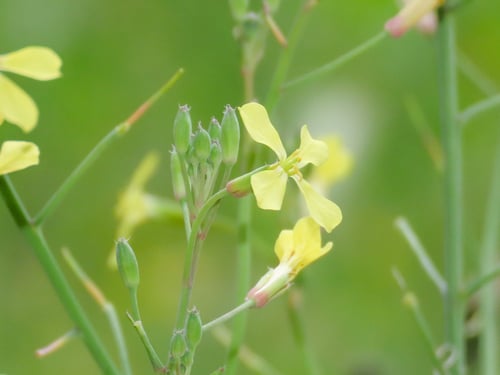
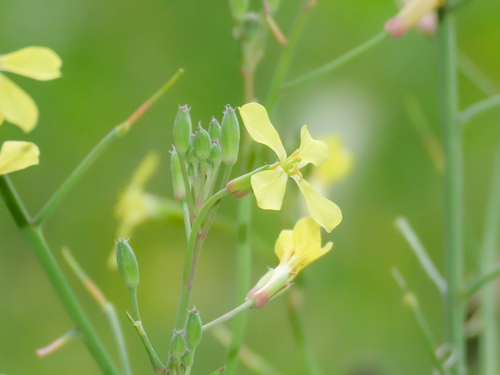
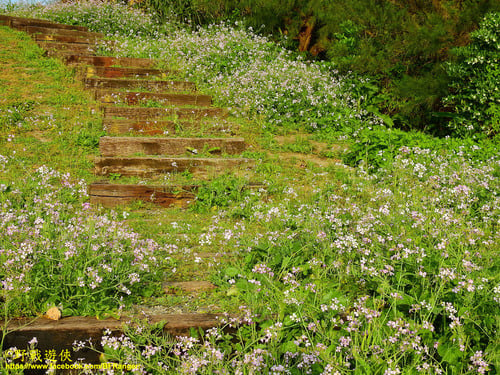
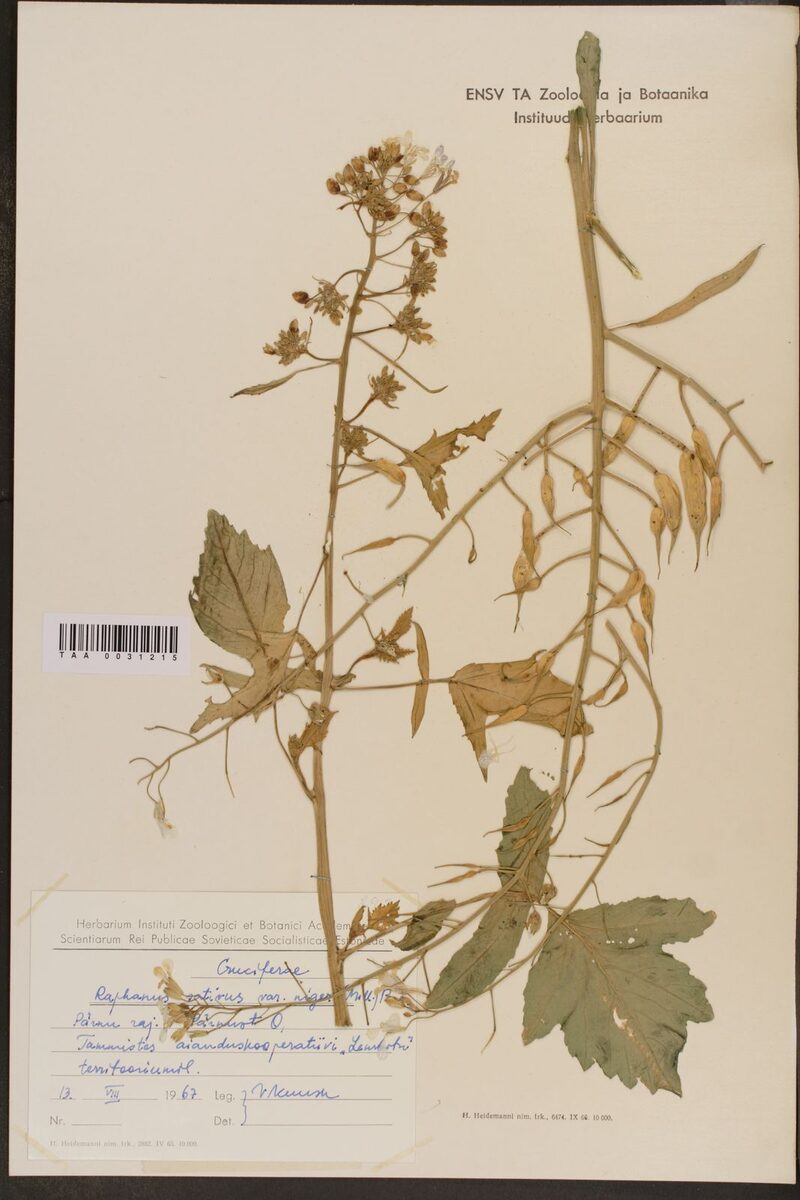
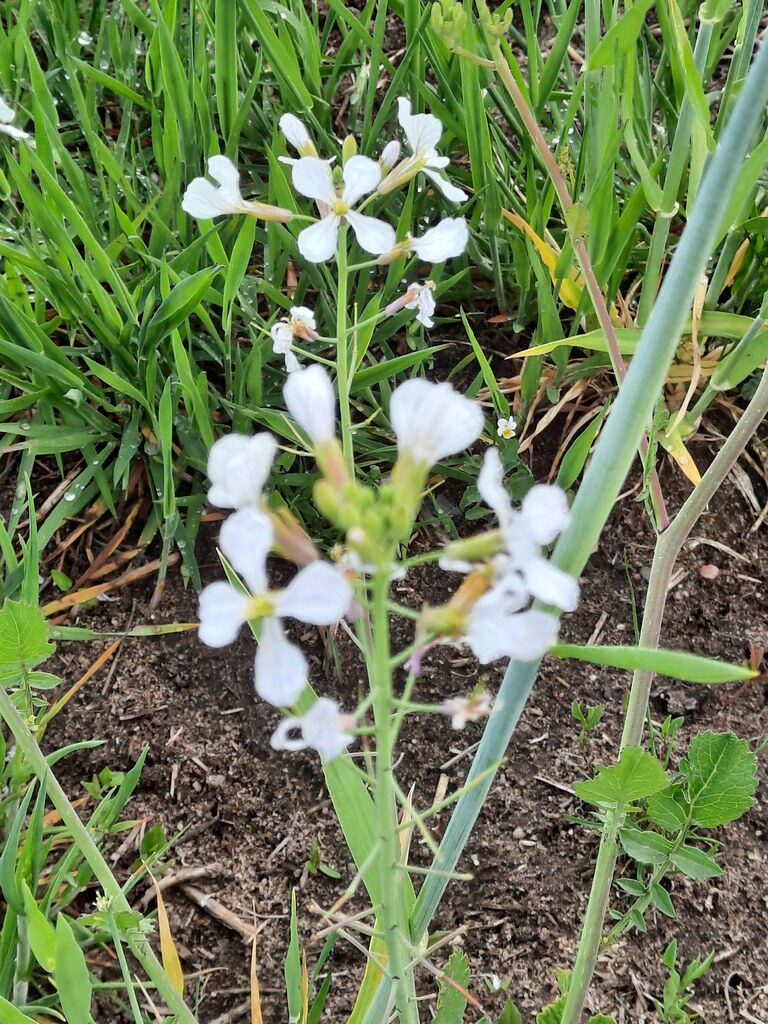
Brassica oleracea var. albiflora
Kuntze
Chinese kale
iNaturalist· cc-by-nc
(c) Miguel A. Casado, some rights reserved (CC BY-NC), uploaded by Miguel A. Casado
iNaturalist· cc-by-nc
(c) Peter Zika, some rights reserved (CC BY-NC)
Summary
Source: WikipediaBrassica oleracea, also known as wild cabbage in its uncultivated form, is a plant of the family Brassicaceae. The species originated from feral populations of related plants in the Eastern Mediterranean, where it was most likely first cultivated. It has many common cultivars that are used as culinary vegetables, including cabbage, broccoli, cauliflower, romanesco, kale, Brussels sprout, collard, Savoy cabbage, kohlrabi, and gai lan.
Description
A cabbage family plant which continues to grow from year to year. The stem base is long and cylindrical but not fleshy. It has leaves which are thick, oval and bluish-green. They can be dull or shiny. They are widely spaced and not grouped in a head. The leaf buds in the axils of leaves do not form a head. The flower stalk is lax and not fleshy. The flowers are white or rarely cream.
Edible Uses
The leaves are eaten.
Traditional Uses
Asia, Australia, China, East Timor, Pacific, Papua New Guinea, PNG, SE Asia, Singapore, Timor-Leste,
This uses section is brief — help expand it
Distribution
It is cultivated in China.
Production
There are about 30 Brassica species and many cultivated varieties.
Synonyms
Also Known As
Kobi tahan
References (4)
- Chin, H. F., 1999, Malaysian Vegetables in Colour. Tropical Press. p 15 (As Brassica alboglabra)
- Flora of China. www.eFloras.org
- Foo, J.T.S.(ed), 1996, A Guide to Common Vegetables. Singapore Science Foundation. p 32
- Zhou Taiyan, Lu Lianli, Yang Guang, Ihsan A. Al-Shehbaz, BRASSICACEAE (CRUCIFERAE), Flora of China.