Plant Families
569 families with edible plants · Page 9 of 12
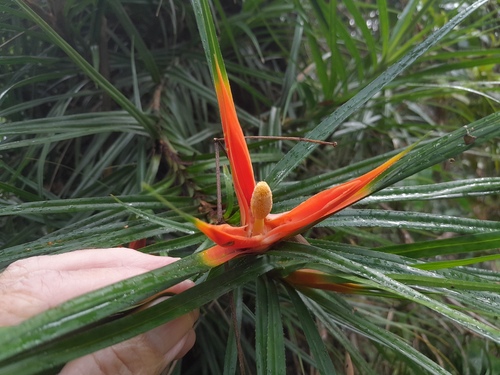
Screw pines; tropical plants with long leaves; some species produce edible fruits and fibers.
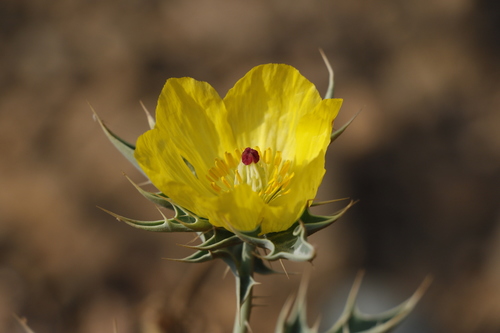
Poppy family; includes ornamental poppies, opium poppy, and plants yielding culinary seeds.
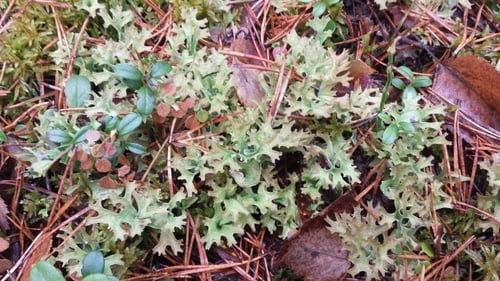
Lichens; symbiotic fungi and algae; some species edible and used in traditional medicines.
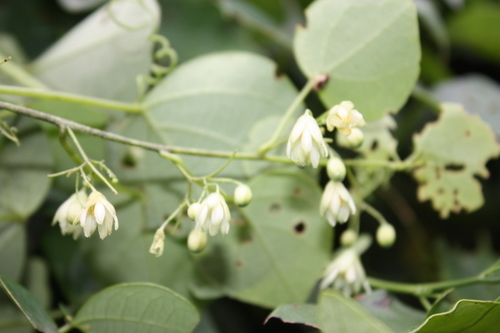
Passion fruits; climbing vines with exotic flowers and nutritious, tart edible fruits.
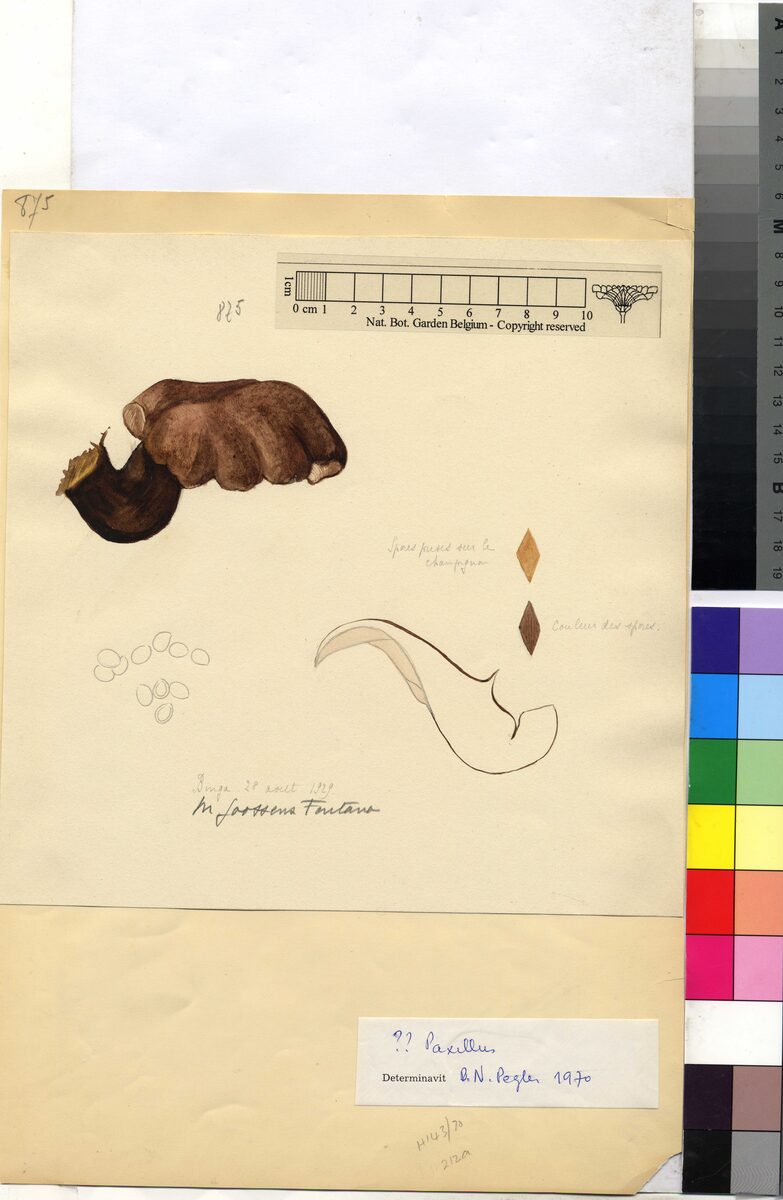
Fungi family; includes brown rot wood-decomposing mushrooms, mostly inedible or toxic.
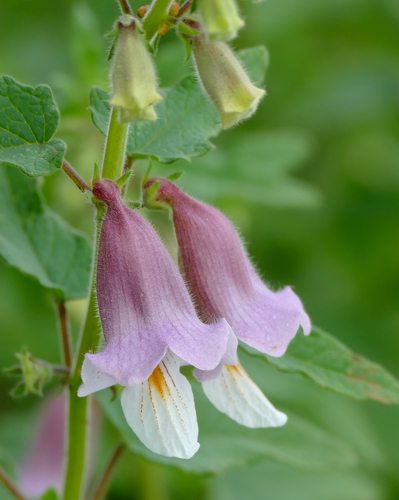
Sesame family; herbaceous plants producing sesame seeds and other oil-rich seeds for food.
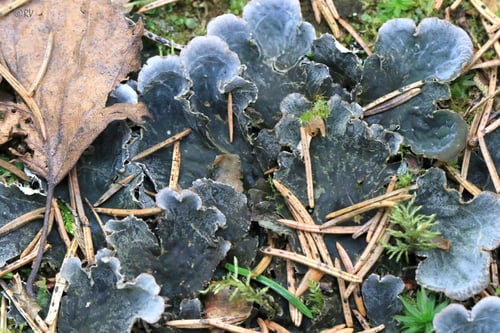
Lichens; symbiotic organisms; some species used as traditional foods and medicines.
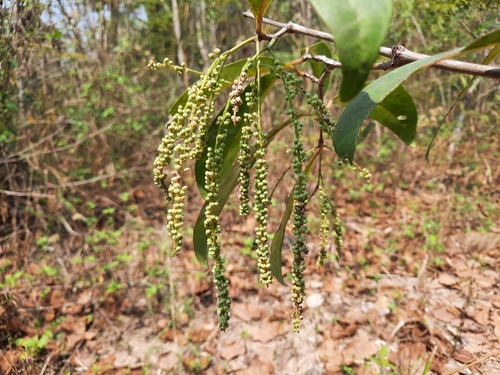
Small African shrub family; ornamental plants with minimal culinary or commercial importance.
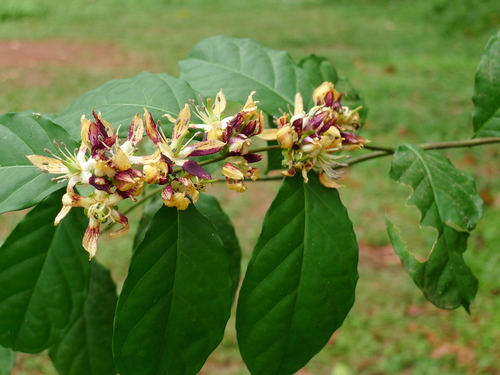
Tropical African trees; rarely cultivated, producing fruits with limited commercial use.
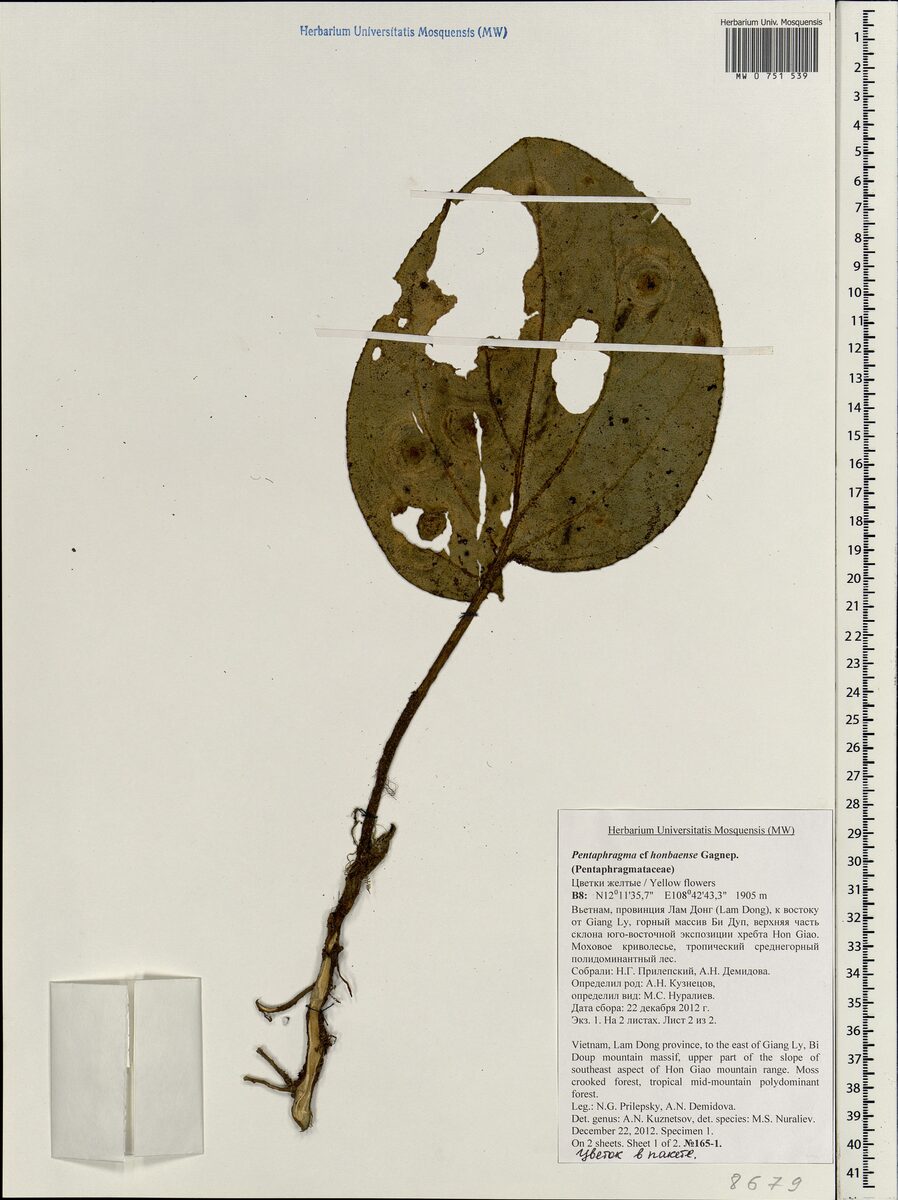
Herbaceous plants from tropical Asia; minimal economic importance or culinary use.
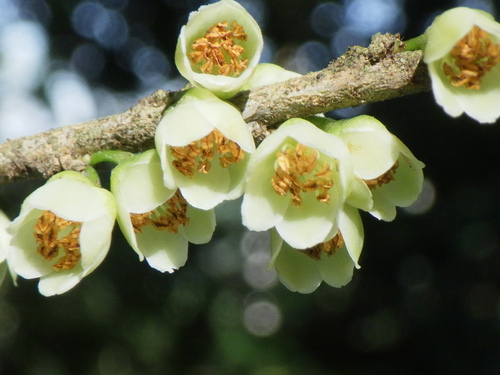
Tropical trees and shrubs; primarily ornamental with limited edible or commercial products.
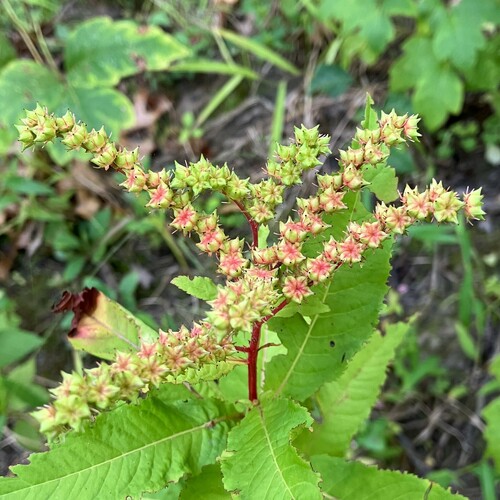
Ditch stonecrop family; small herbaceous plants with minimal culinary or economic significance.
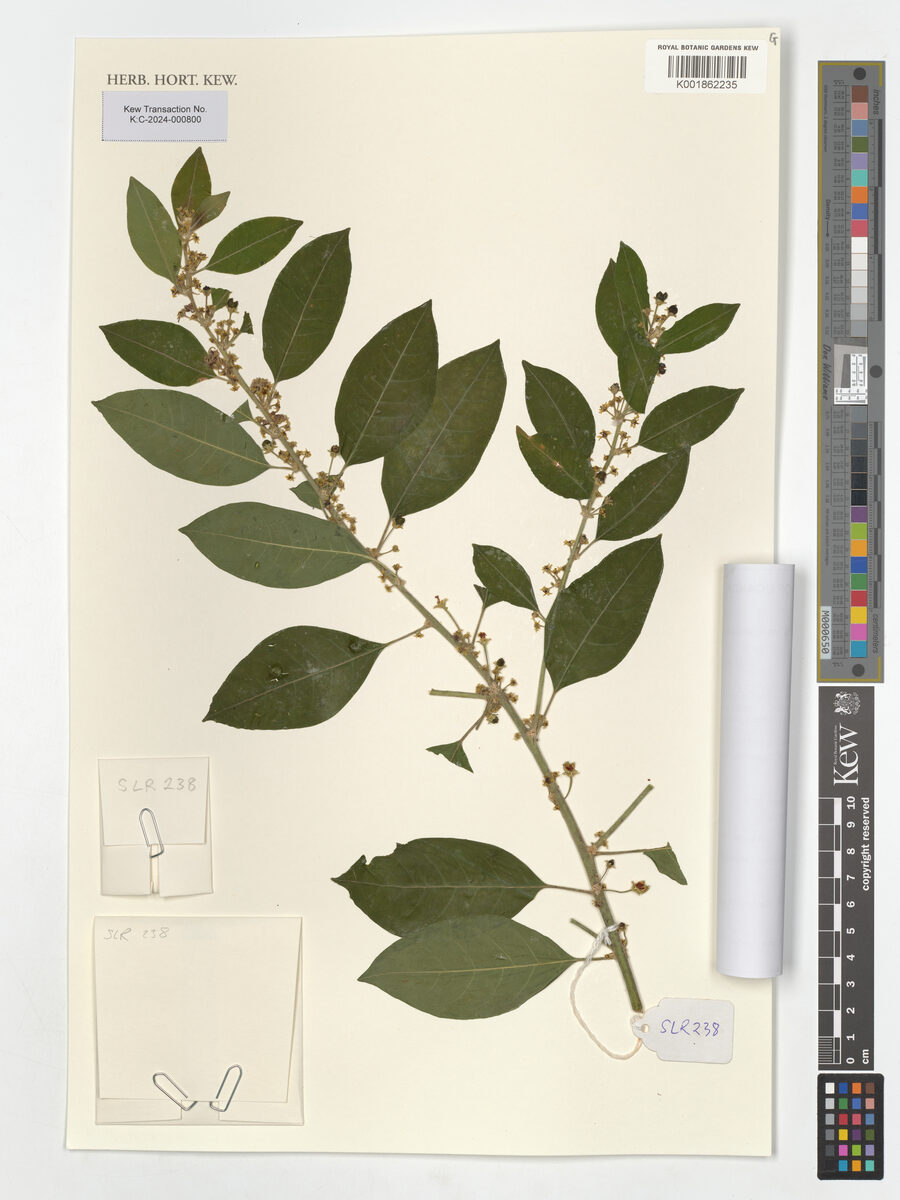
Tropical trees; produce edible fruits, though rarely cultivated outside native regions.
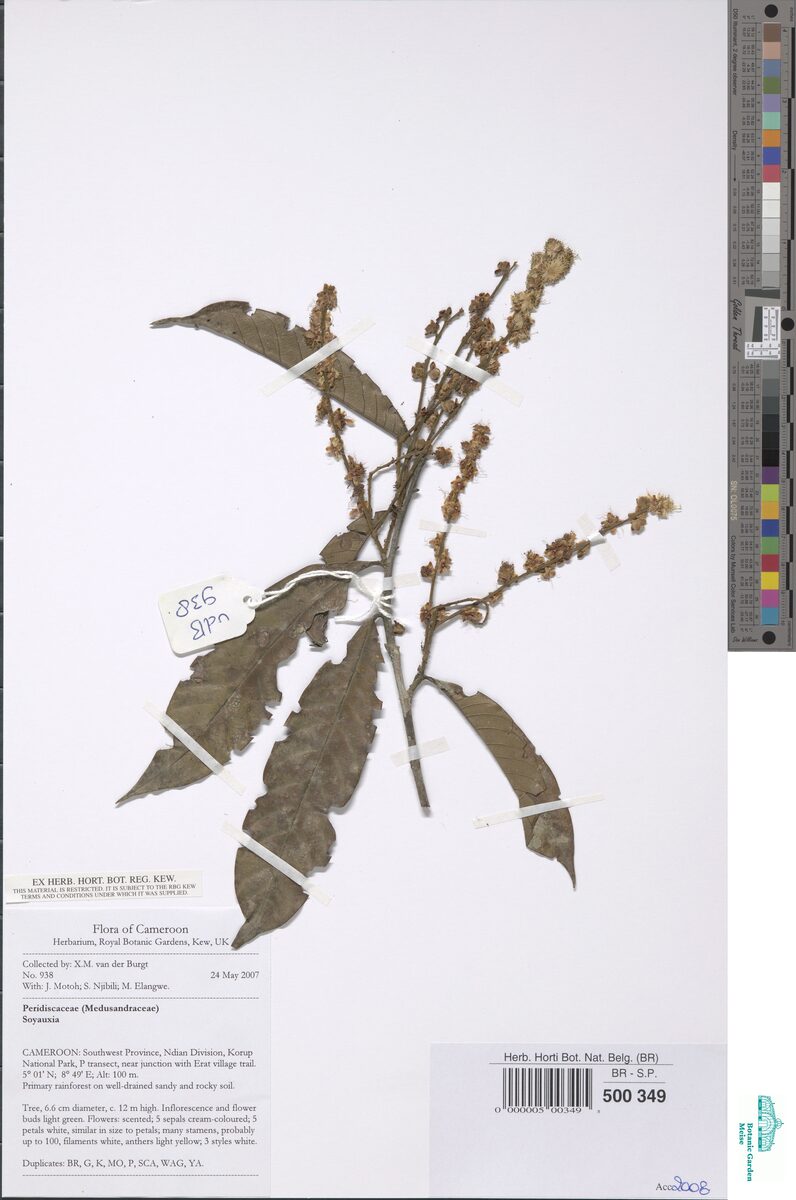
Tropical tree family; limited economic importance; minimal culinary or commercial use.
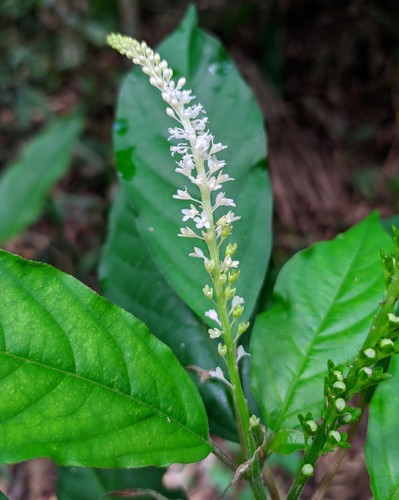
Herbaceous plants; some used in traditional medicine; minimal widespread culinary significance.
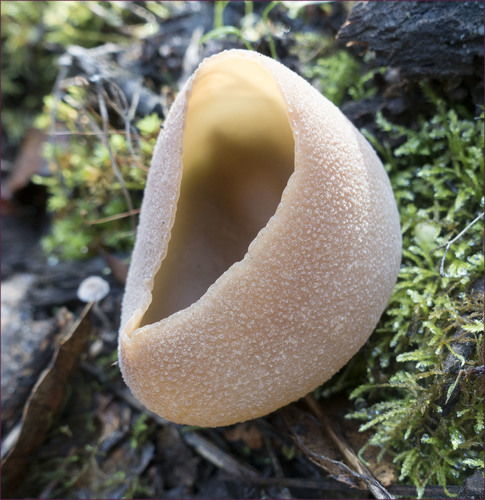
Fungi family; includes cup fungi; some edible species like morels, though variable toxicity.
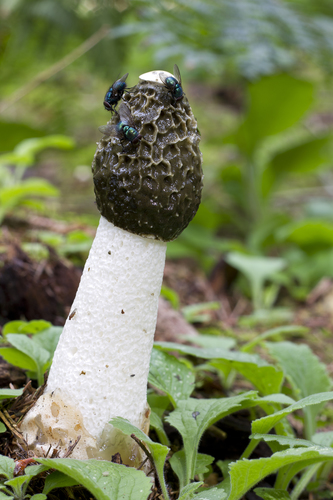
Fungi family including stinkhorns; fruiting bodies with foul odor dispersed by insects.
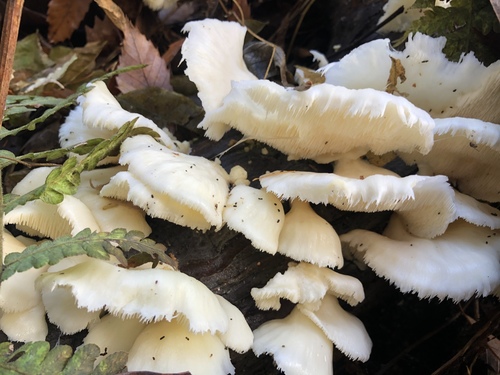
Wood-decay fungi family; includes bracket fungi and species used in traditional medicine.
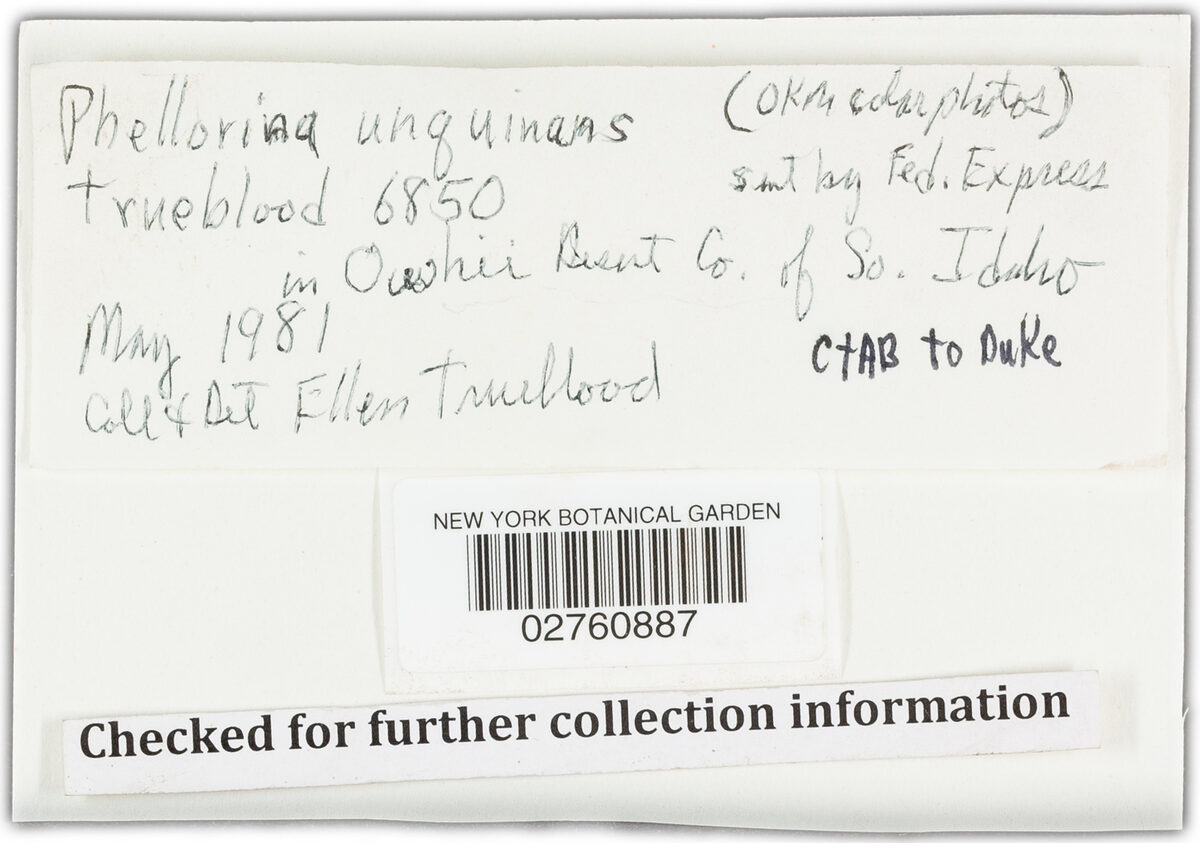
Small fungal family; earthstar-like fungi with spore-containing structures beneath soil surface.
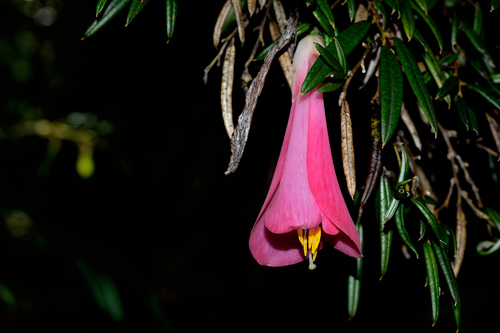
Rare Chilean plants; woody vines with red flowers; limited horticultural use.
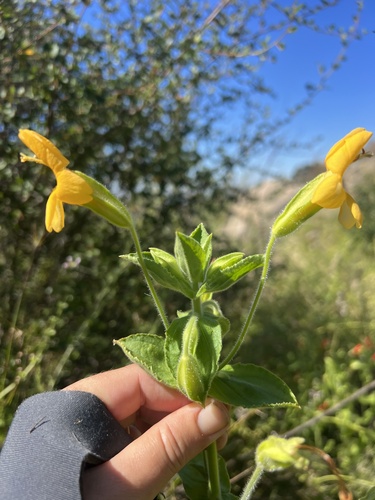
Flowering plants including lopseed; small herbaceous plants native to Asia and Americas.
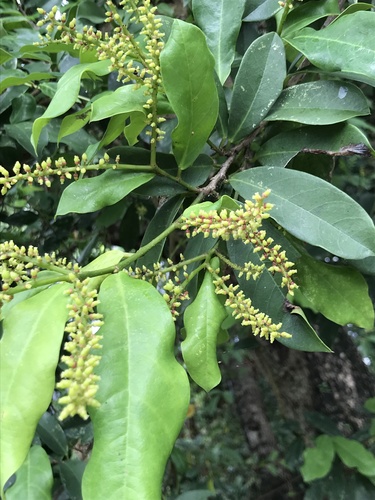
Tropical/subtropical plants including leaf flowers; some species produce edible fruit or medicinal compounds.
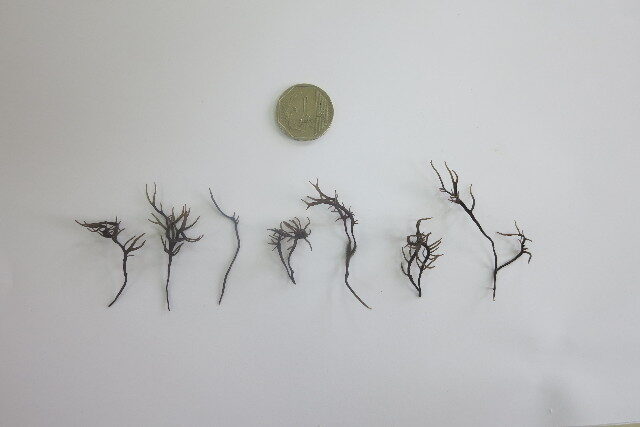
Red algae family; includes carrageenan-producing species valuable in food and cosmetic industries.
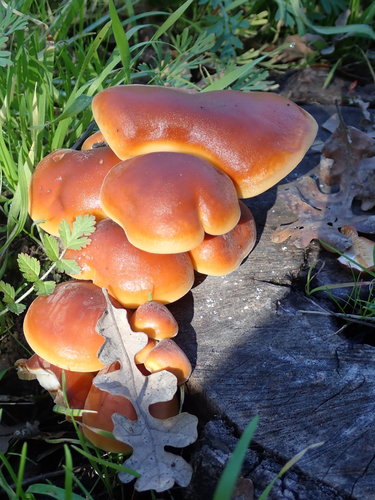
Fungal family including honey mushrooms; edible fungi with clustered fruiting bodies on wood.
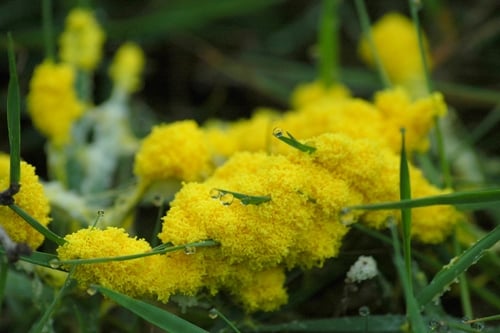
Slime mold family; plasmodial organisms producing spore cases on decaying wood and plant matter.
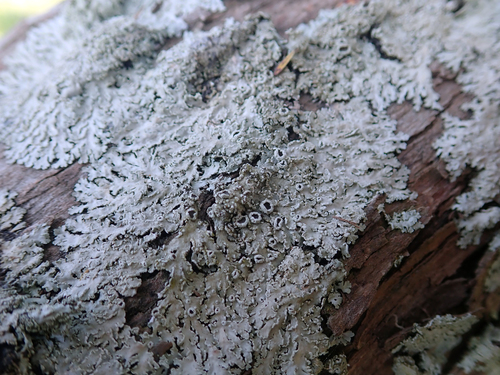
Lichen family; includes common foliose and fruticose lichens found on trees and rocks.
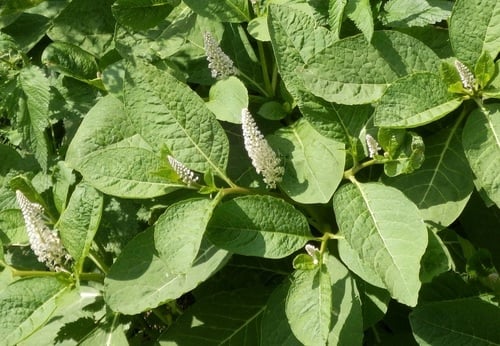
Berried plants including pokeweed; some edible berries, though many species contain toxic compounds.
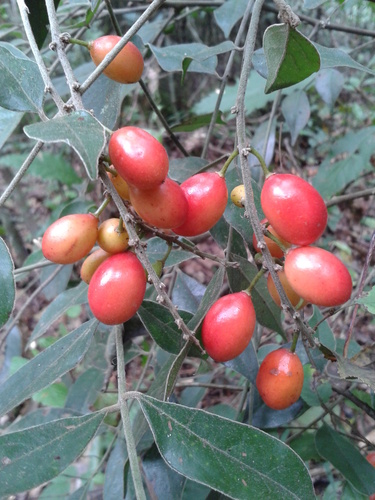
Tropical South American plants; small family with bitter wood used in traditional medicine.
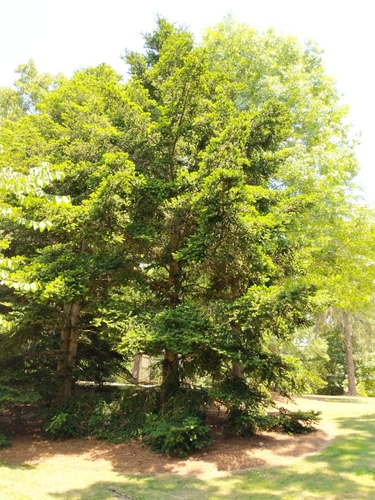
Conifer family including pines, firs, spruces; major timber source and valuable seed-bearing plants.
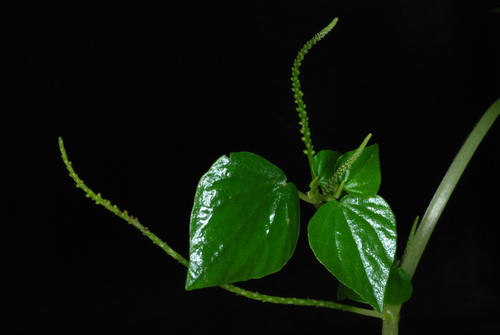
Pepper family; includes black pepper and other spice plants with pungent aromatic fruits.
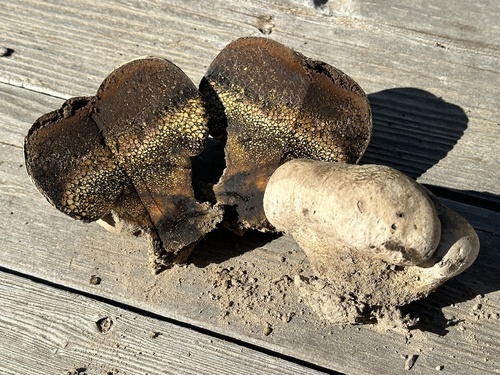
Fungal family; puffball-like fungi producing chambered spore masses within underground fruiting bodies.
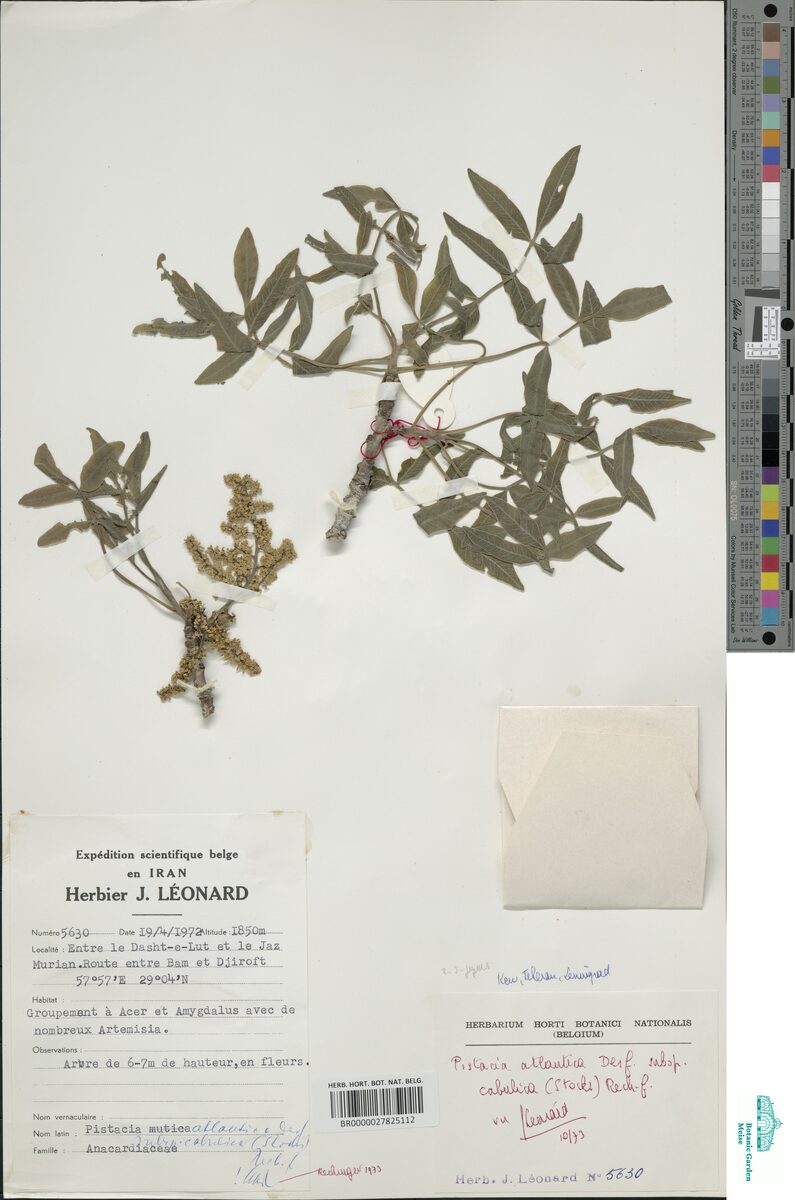
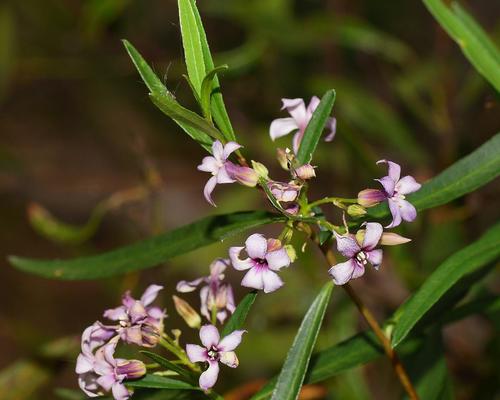
East Asian ornamental shrubs and trees; glossy-leaved plants with fragrant flowers and seed capsules.
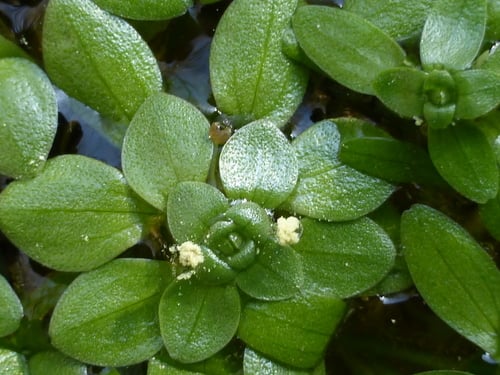
Flowering plant family including plantains and snapdragons; mostly herbaceous with simple leaves.
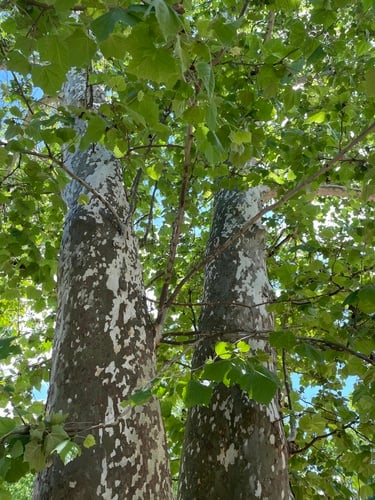
Plane trees; large deciduous trees with distinctive peeling bark and sycamore-like fruits.
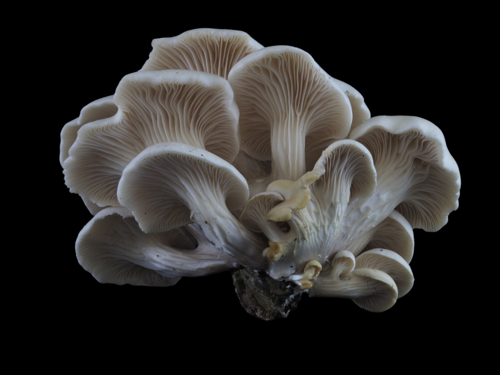
Fungal family including oyster mushrooms; edible wood-decay fungi with shelf-like fruiting bodies.
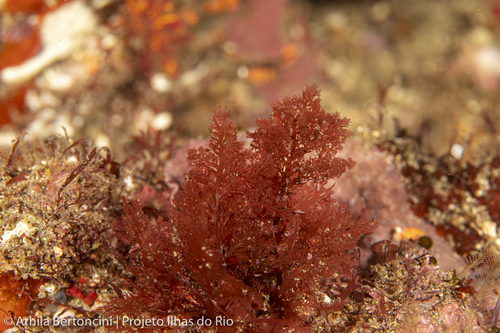
Red algae family; branched seaweeds from cold waters with limited commercial applications.
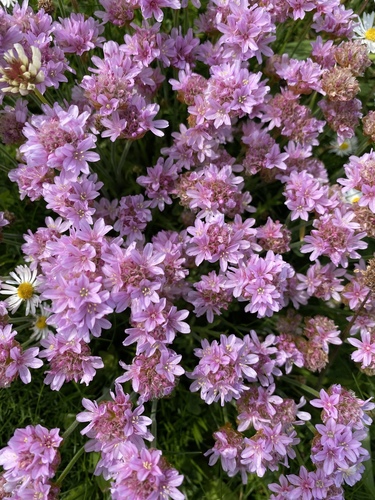
A family of flowering plants including statice and leadwort, often grown as ornamentals with colorful flowers.
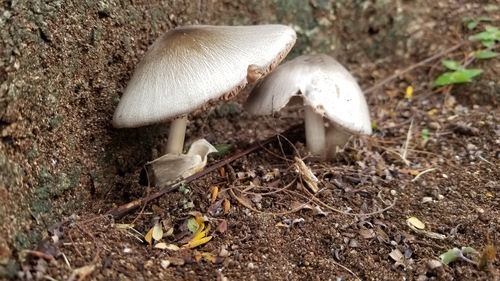
A fungal family of gilled mushrooms, including the deer mushroom and other woodland species.
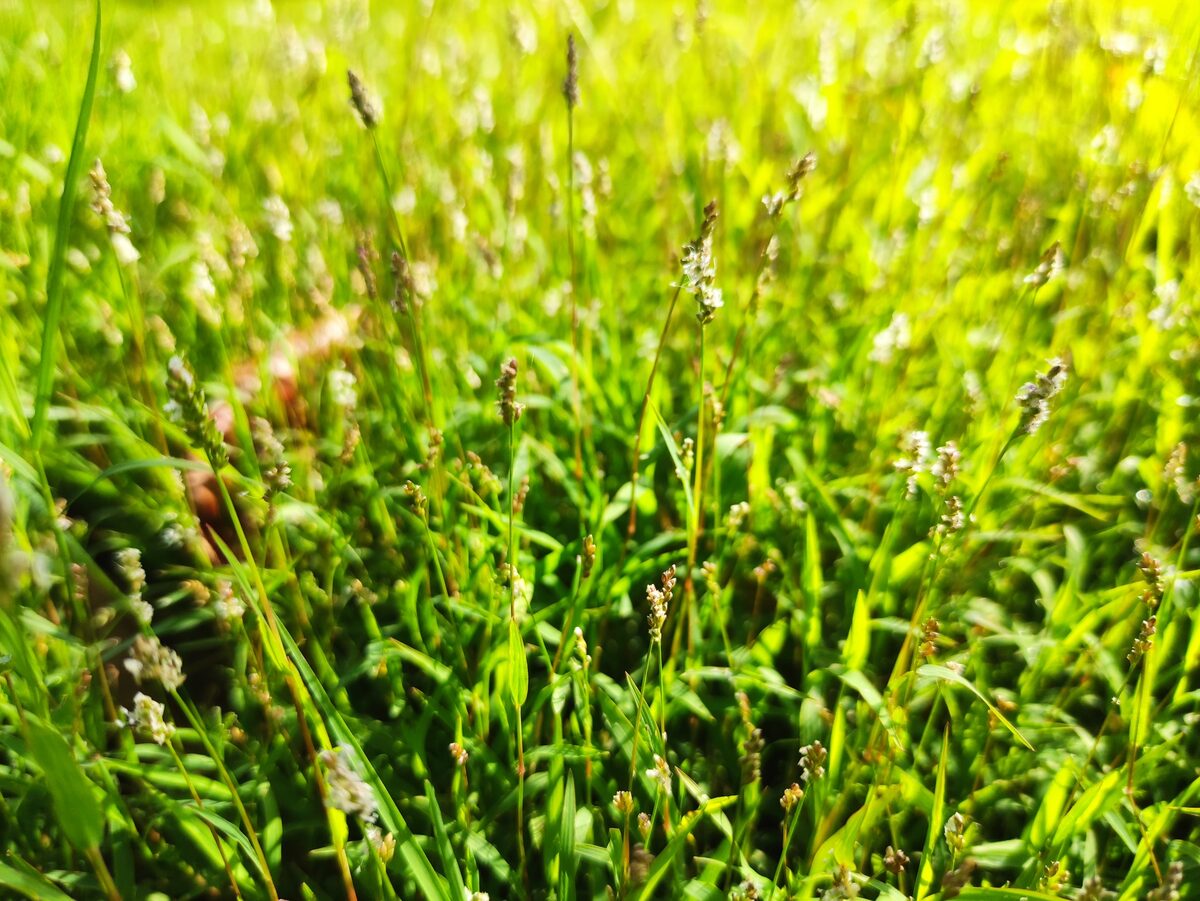
The grass family containing wheat, rice, corn, barley, and oats—humanity's most important food crops.
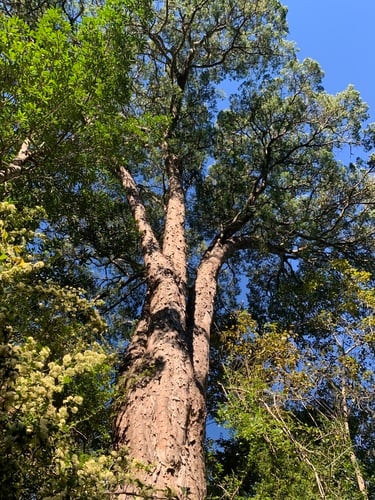
A family of conifers native to Southern Hemisphere regions, including timber and ornamental trees.
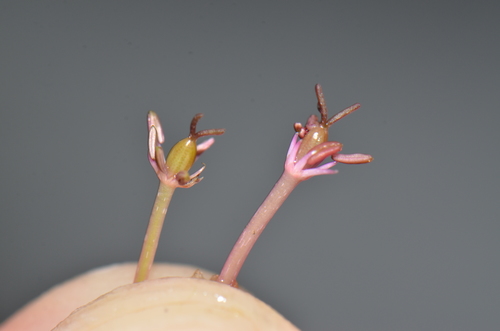
Aquatic flowering plants adapted to fast-flowing rivers, rarely cultivated and of minimal economic importance.
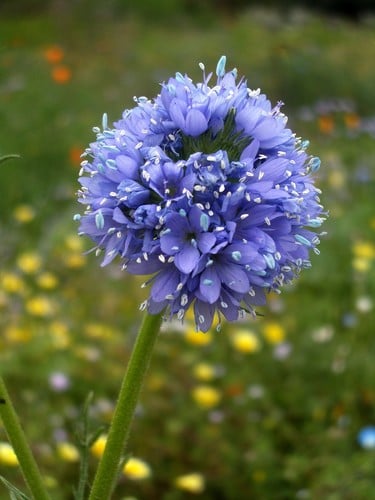
A family of flowering plants including phlox and Jacob's ladder, valued for colorful garden displays.
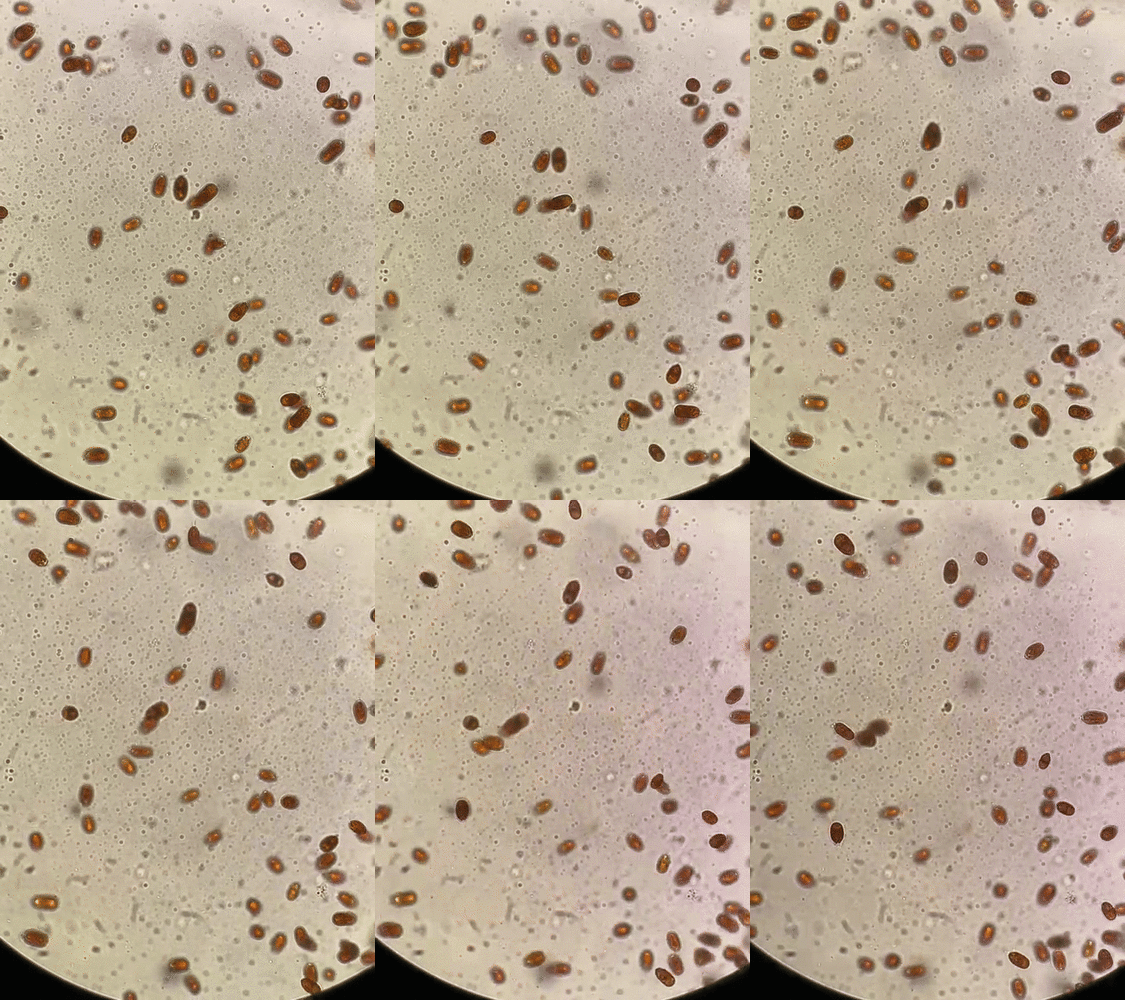
A family of green algae found in freshwater environments with minimal human economic significance.
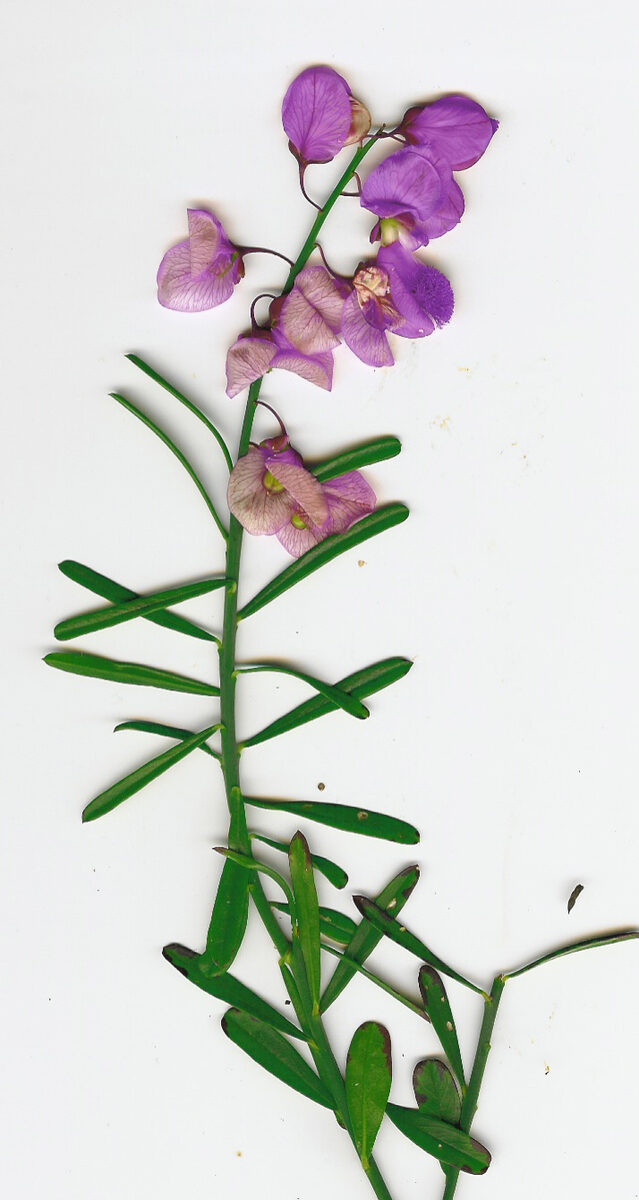
A family of herbaceous plants and shrubs including milkworts, mostly ornamental with few edible species.
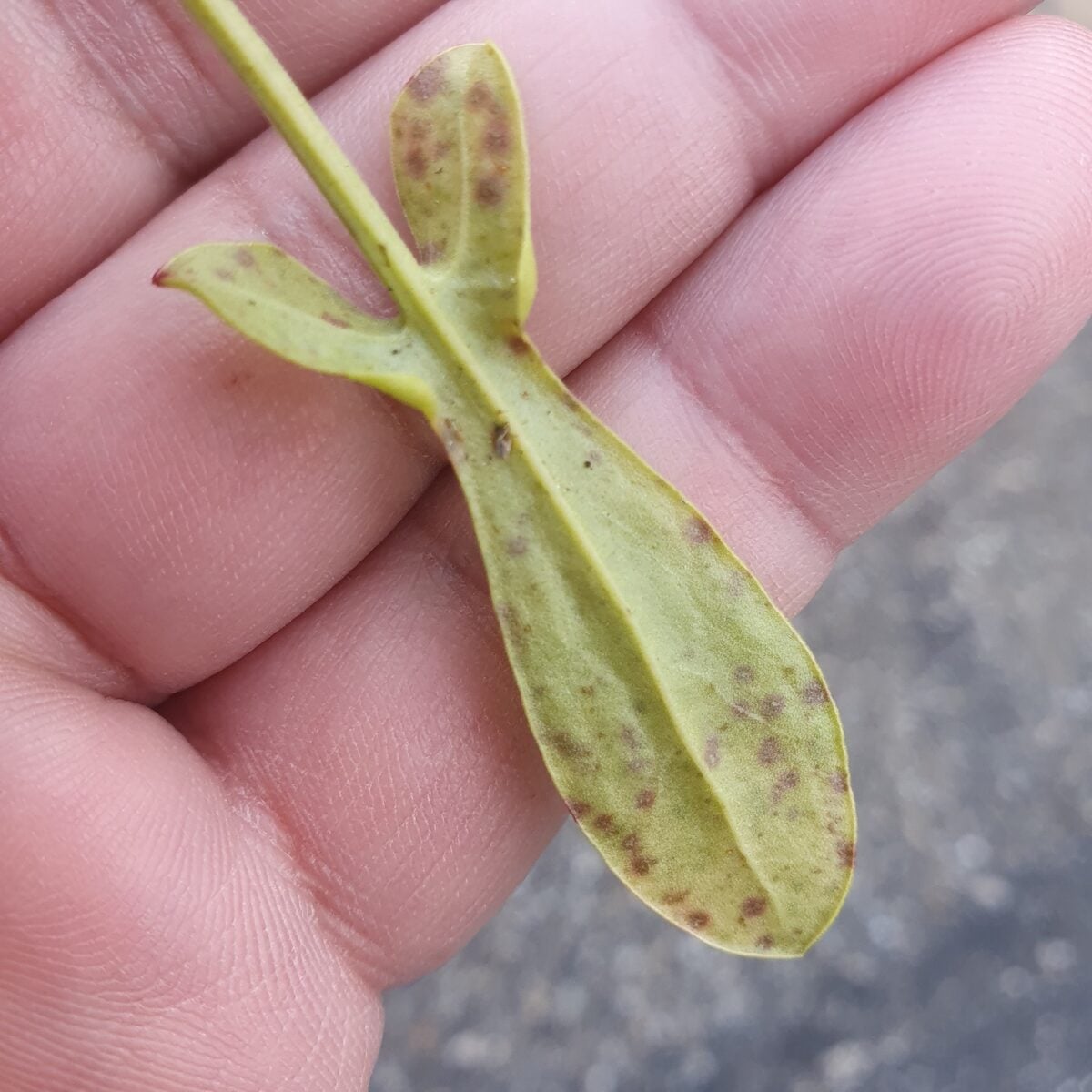
A family containing buckwheat, rhubarb, sorrel, and dock—plants valued for grains and leafy vegetables.
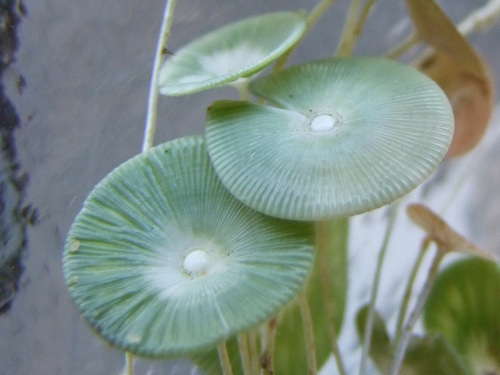
A family of dinoflagellates, microscopic marine organisms important in ocean ecosystems and harmful algal blooms.
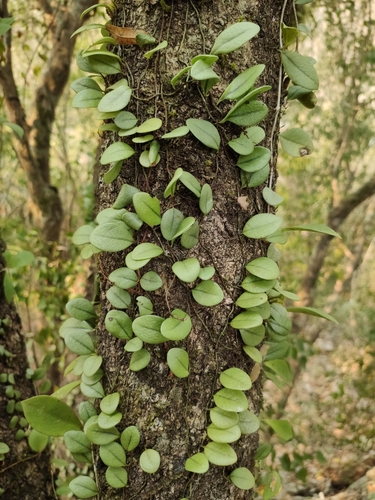
A family of true ferns with fronds, commonly found in forests and cultivated as houseplants.