Plant Families
569 families with edible plants · Page 6 of 12
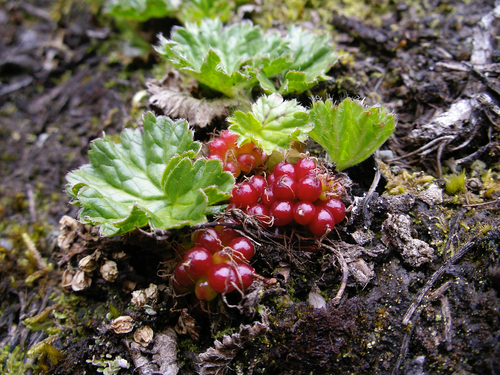
Plant family containing Gunnera, giant rhubarb-like herbs with enormous leaves native to South America.
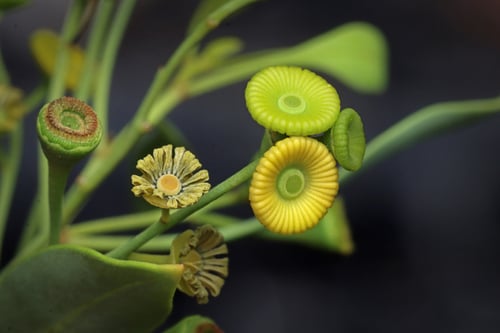
Small Australian plant family of shrubs and small trees with distinctive spiral-chambered fruits.
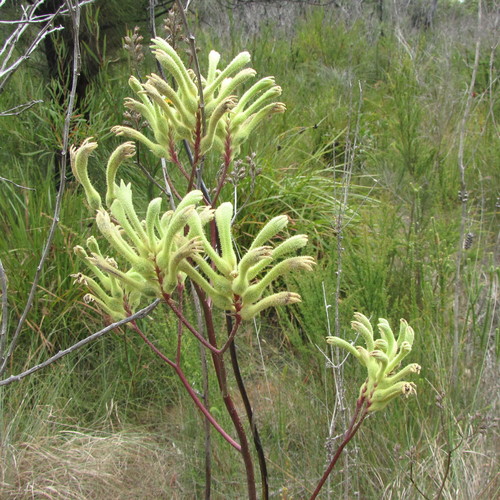
Bloodwort family containing ornamental plants with red sap and rhizomes, including kangaroo paw species.
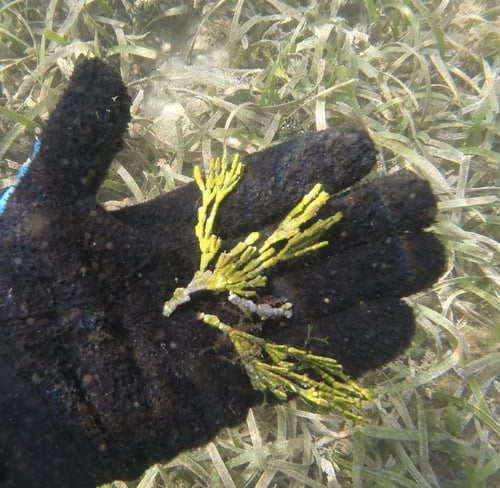
Calcified green algae family producing segmented branching forms, contributes to tropical reef sand.
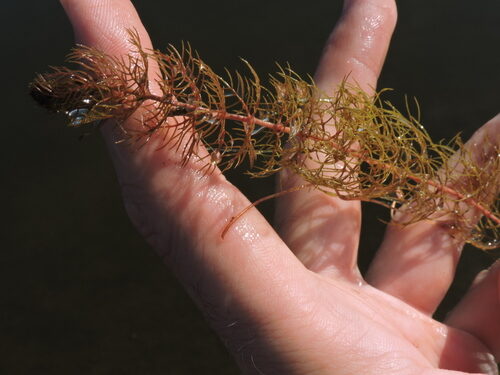
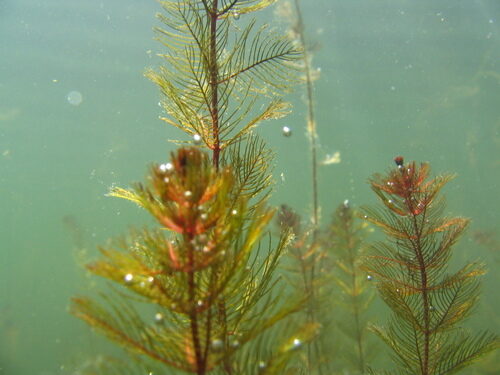
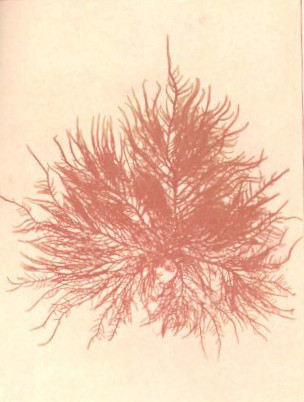
Red algae family with diverse morphologies, some species used as food additives and in agar production.
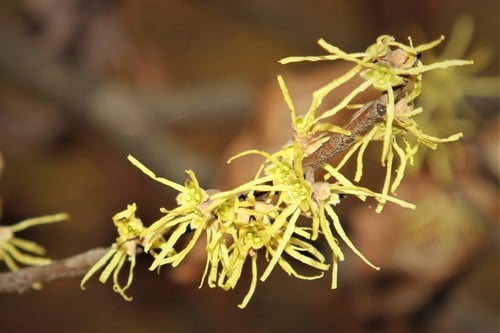
Witch hazel family including ornamental shrubs and trees with fragrant winter flowers and medicinal properties.
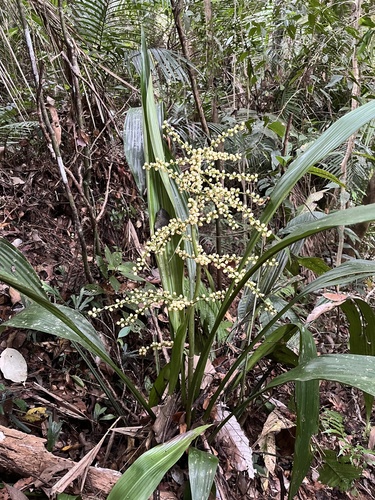
Small palm-like plant family from Southeast Asia containing climbing or spreading monocots with sword-shaped leaves.
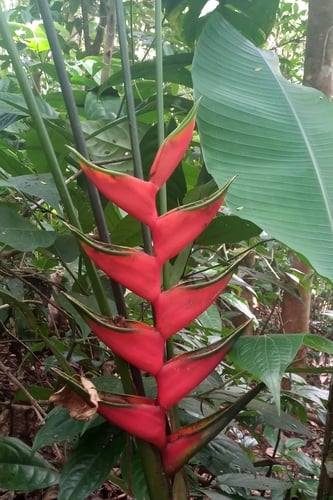
Tropical flowering plant family with distinctive waxy bracts, lobster-claw flowers, and edible banana-like fruits.
Cup fungus family containing saddle fungi and false morels, some edible but requiring careful identification.
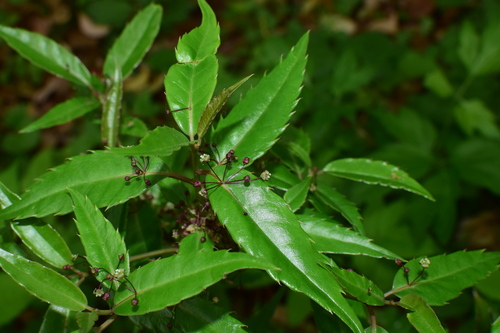
Small Asian plant family of evergreen shrubs with inconspicuous flowers and distinctive spine-like inflorescences.
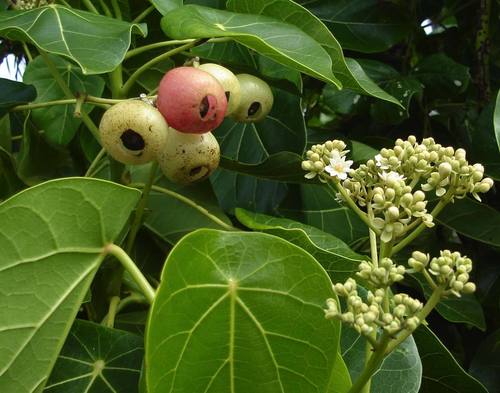
Tropical trees and shrubs in the laurel order, including species with aromatic properties and some edible fruits.
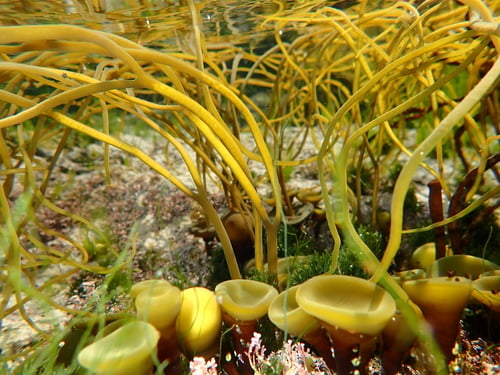
Brown seaweeds found in cool coastal waters, sometimes harvested as sea vegetables.
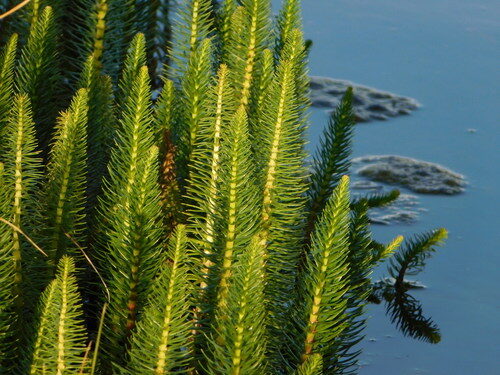
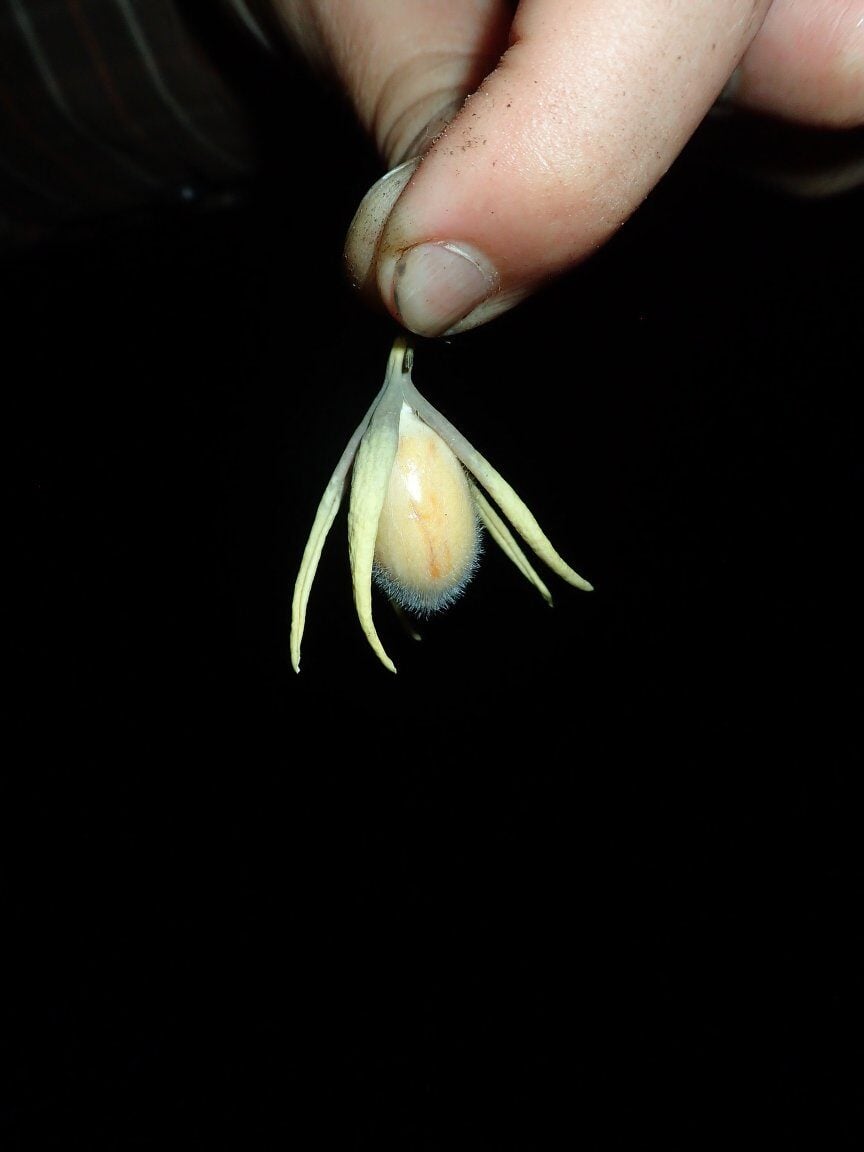
Small tropical family of trees and shrubs native to South America with limited commercial importance.
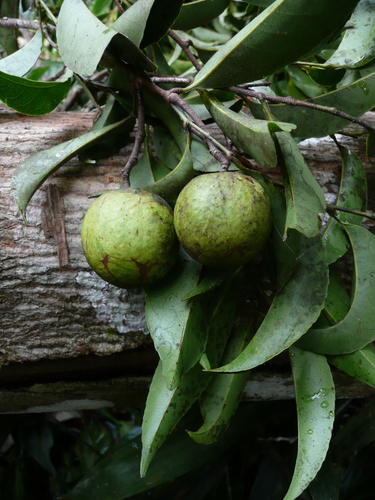
Tropical South American trees producing hard wood and some edible fruits rarely used locally.
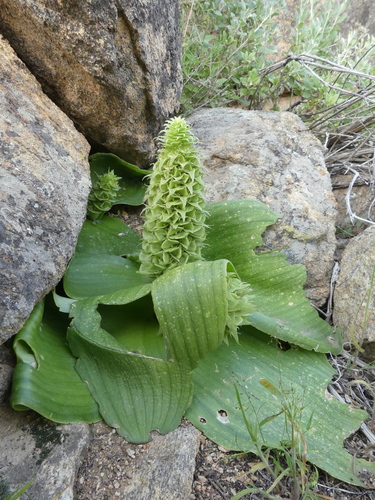
Bulbous flowering plants including edible hyacinth beans and ornamental species with clustered blue or purple flowers.
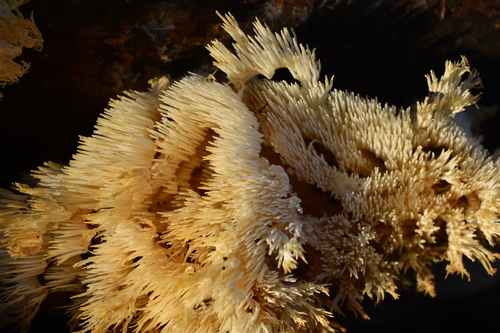
Fungi with tooth-like or spine-like structures under the cap; includes edible species like hedgehog mushrooms.
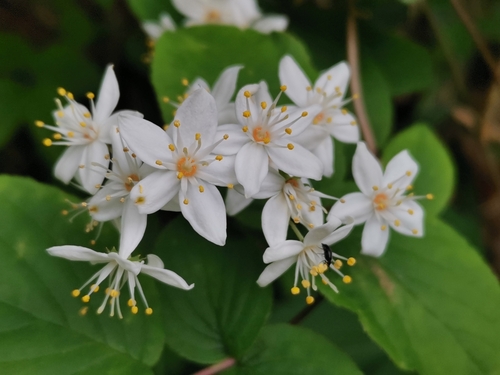
Ornamental shrubs and vines known for large, showy flower clusters; includes hydrangeas and mock orange.
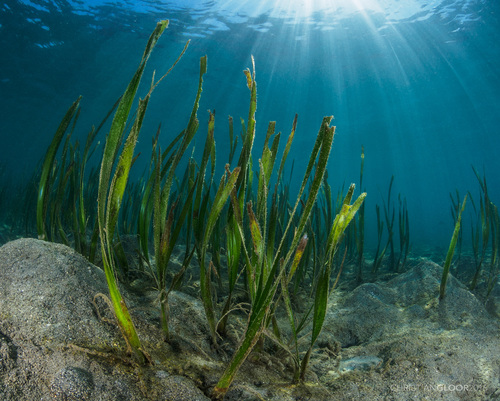
Aquatic flowering plants including waterweed and frogbit; some species used in aquariums and water gardens.
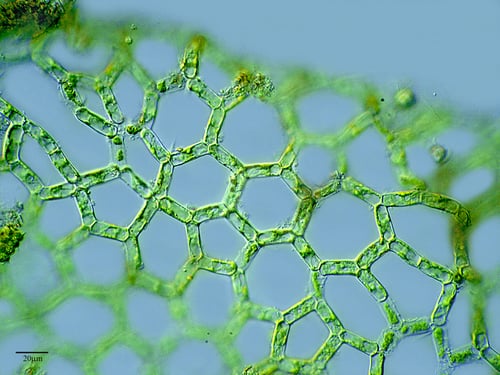
Freshwater green algae forming net-like or colonial structures; minimal economic importance.
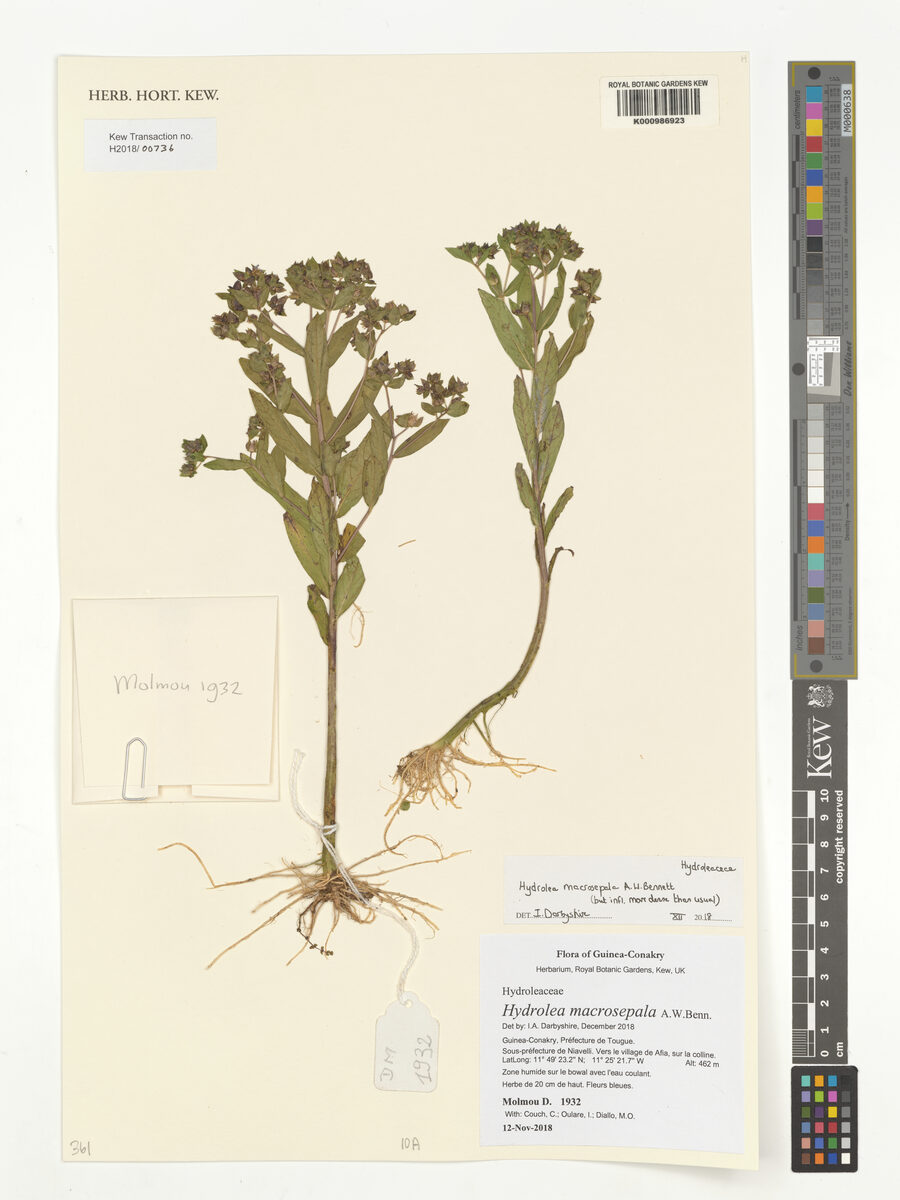
Small family of herbs and shrubs with blue flowers, primarily found in warm regions.

Fungi with waxy gill texture; includes edible wax cap mushrooms found in grasslands and woodlands.
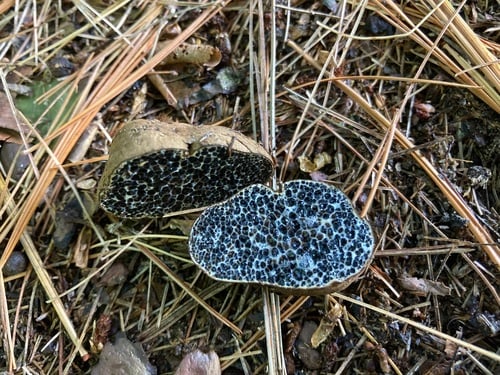
Underground-fruiting fungi related to truffles; some species edible but not commercially significant.
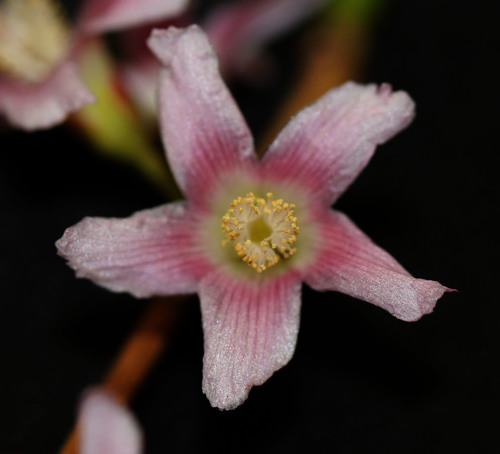
Herbaceous plants and shrubs including St. John's Wort; many species have medicinal properties.
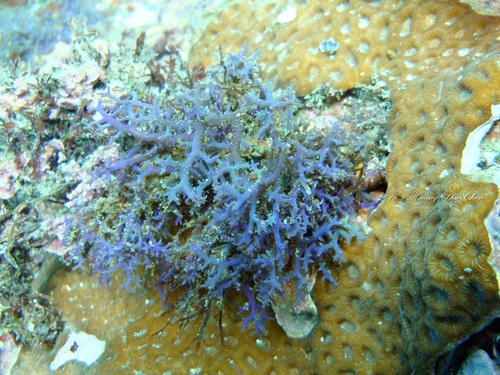
Red seaweeds used in Asia as food and for carrageenan extraction in food production.
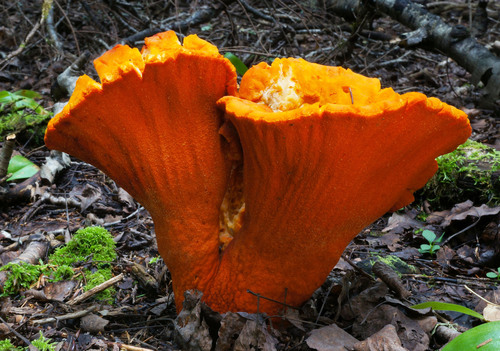
Parasitic and saprophytic fungi; includes cordyceps and some species used in traditional medicine.
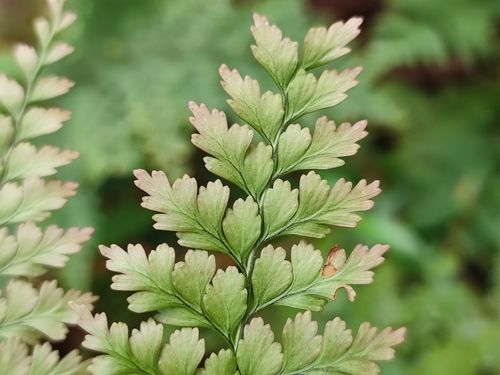
Small fungal family with limited economic or ecological importance in most regions.
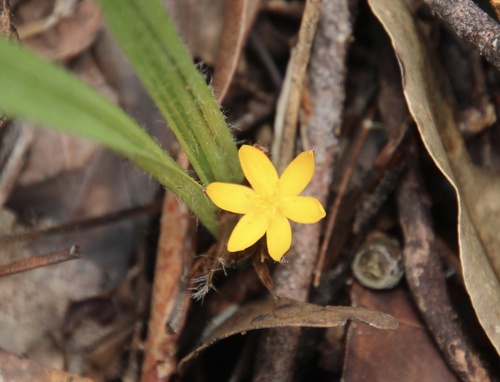
Herbaceous plants with star-shaped yellow flowers; includes some species with medicinal or ornamental value.
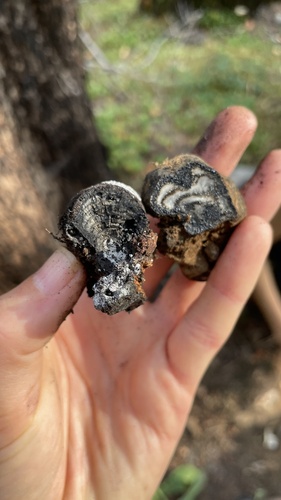
Wood-decaying fungi that form dark fruiting bodies; minor role in forest ecosystems.
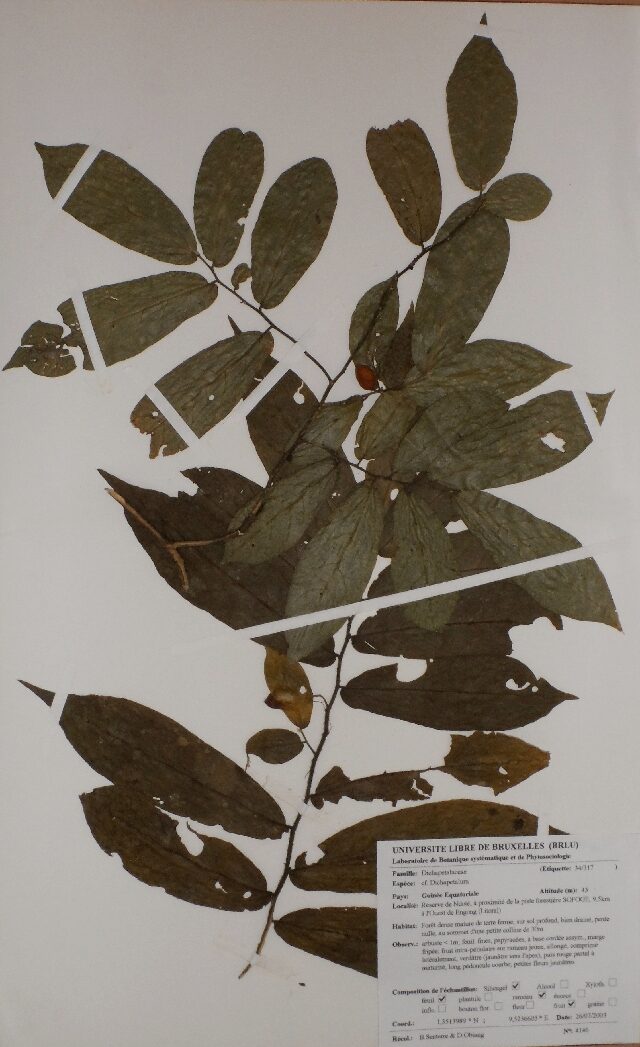
Tropical trees and shrubs producing edible fruits like plums and some timber species.
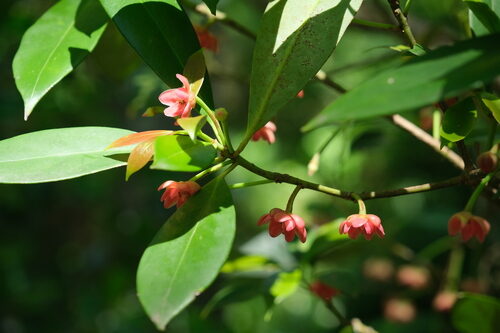

Fungi with distinctive fibrous caps; mostly inedible, some toxic species mistaken for edible mushrooms.
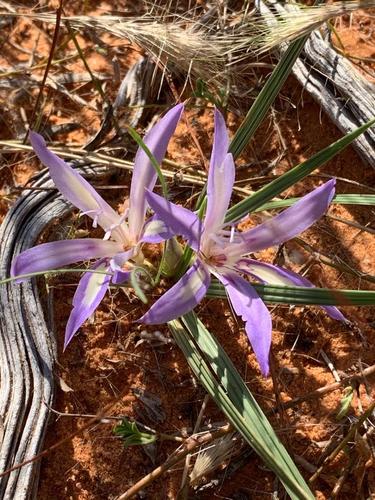
Flowering plants with sword-like leaves including iris, crocus, and saffron; grown for ornament and spice.
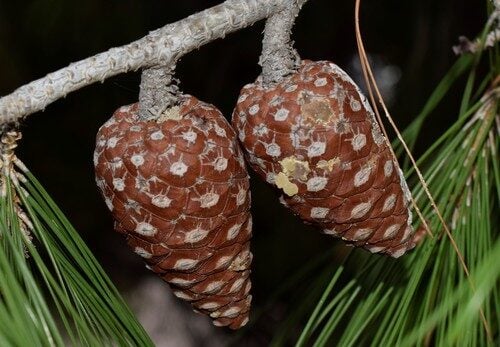
Tropical African trees producing edible mango-like fruits and seeds used in West African cuisine.
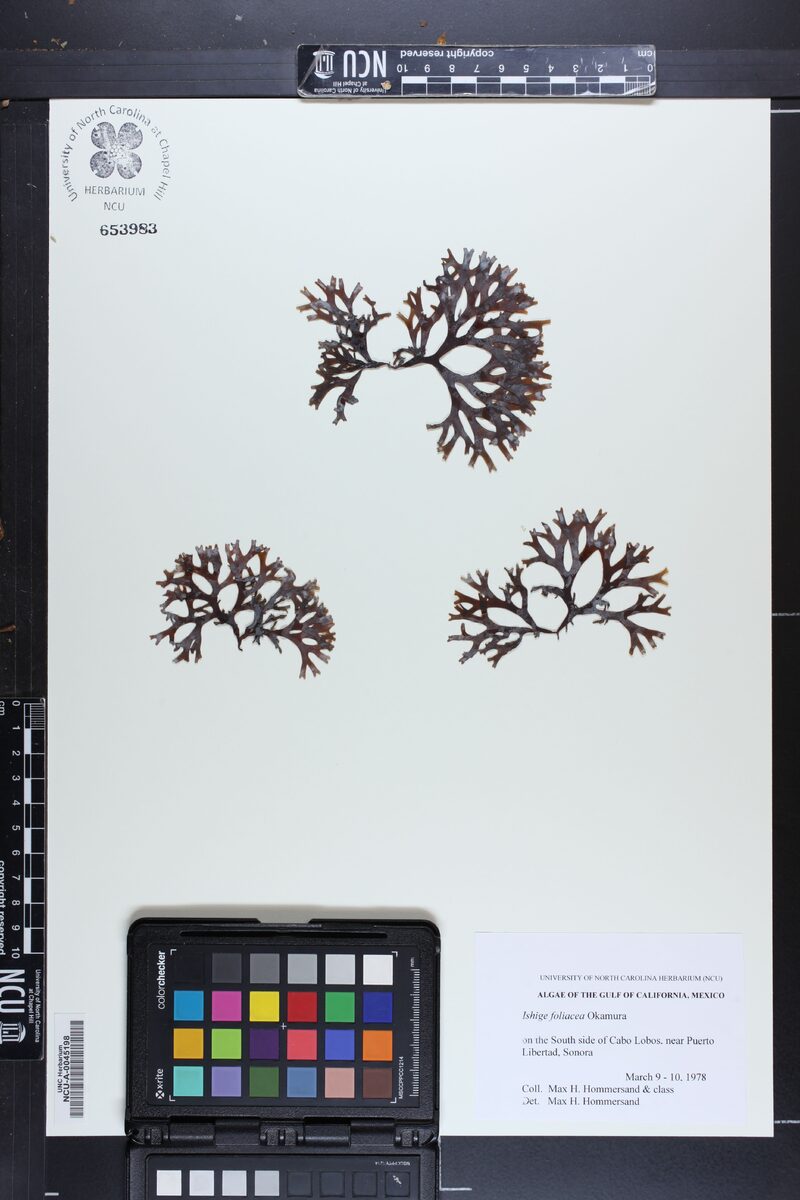
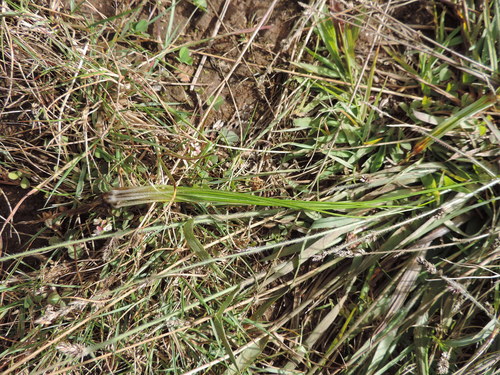
Aquatic and terrestrial fern allies with grass-like leaves, mostly small primitive vascular plants.
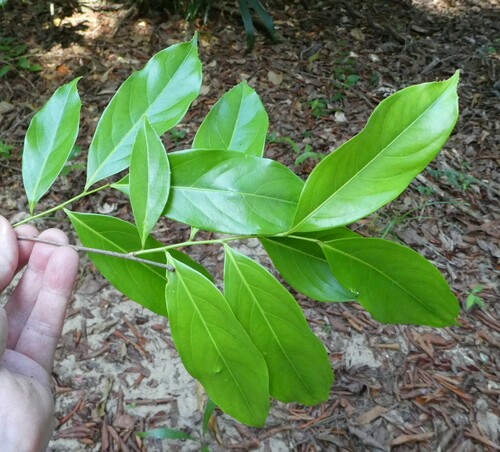
Small tropical tree family from Africa and Asia with limited economic importance.
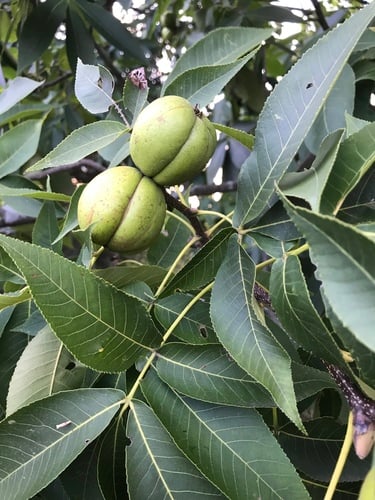
Trees producing nuts including walnuts, pecans, and hickories; economically important for nuts and timber.
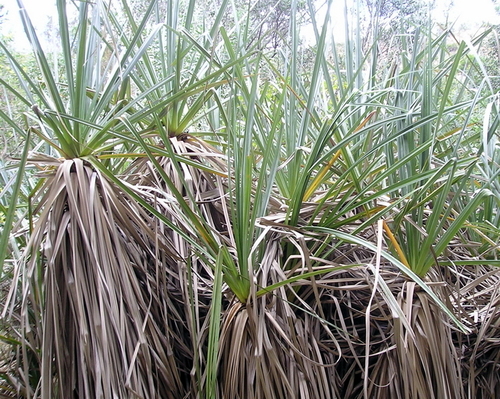
Rush family of grass-like herbaceous plants inhabiting wet areas; used for basketry and thatching.
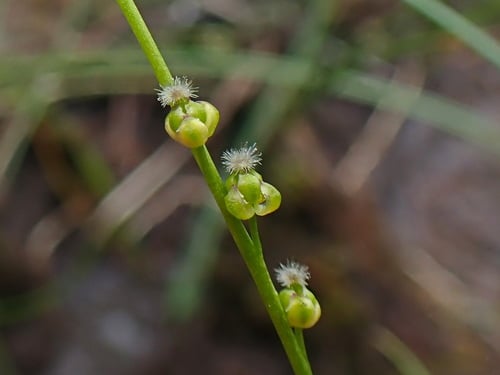
Small aquatic and wetland herb family with arrow-grass species; minor ecological importance.
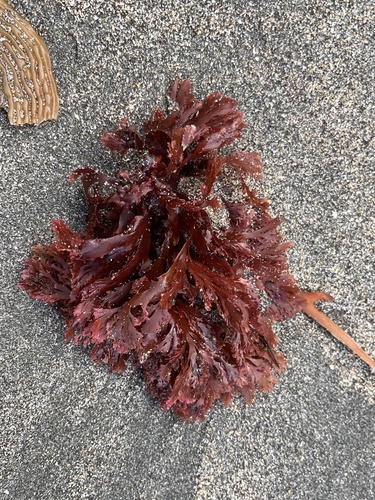
Red algae family from marine environments; some species harvested for food and cosmetic uses.
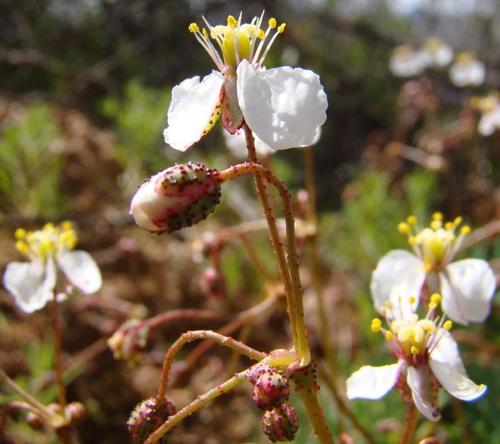
Rare African tree family with very limited distribution and minimal economic importance.
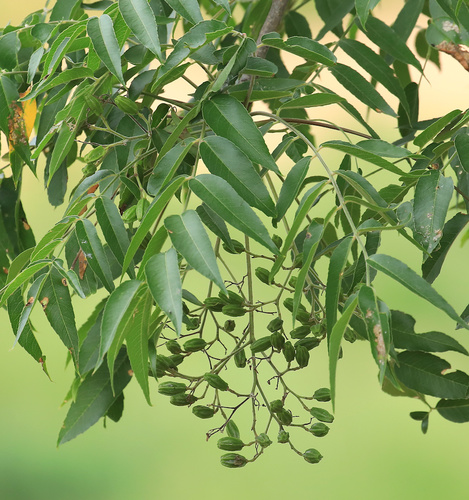
Small African tree family with aromatic properties; limited commercial use in traditional medicine.
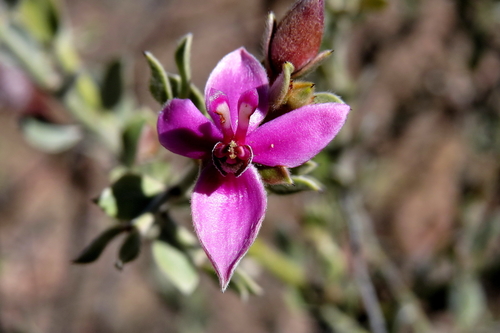
Desert shrub family from Americas with astringent properties; historically used in traditional remedies.
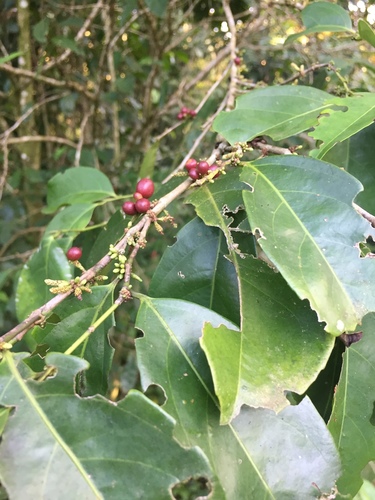
Small tropical tree family from South America with limited economic or culinary importance.
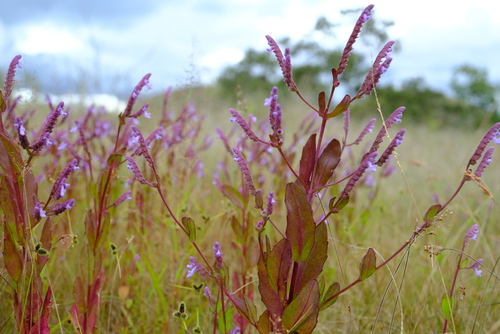
Mint family including basil, oregano, thyme, rosemary, and sage; essential for cooking and medicine.