Plant Families
569 families with edible plants · Page 11 of 12
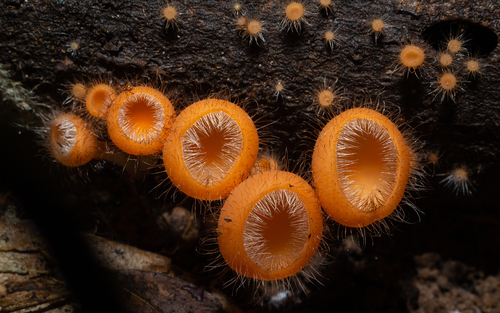
Cup fungi family with small colorful fruiting bodies in moist environments.
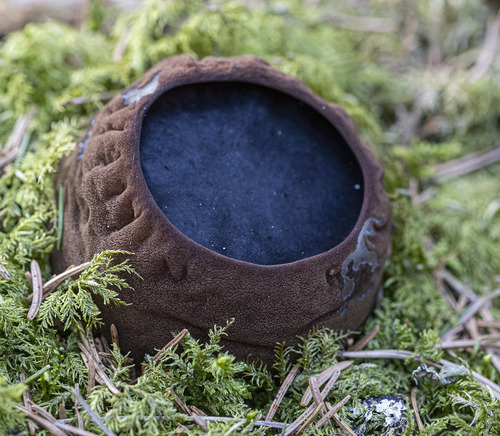
Brown cup fungi family found on wood and soil.

Brown algae family including floating sargassum seaweed in oceans.
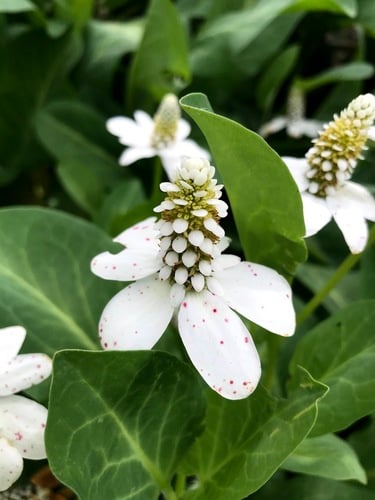
Small family of aromatic herbs including lizard's tail; mostly tropical with few economically important species.
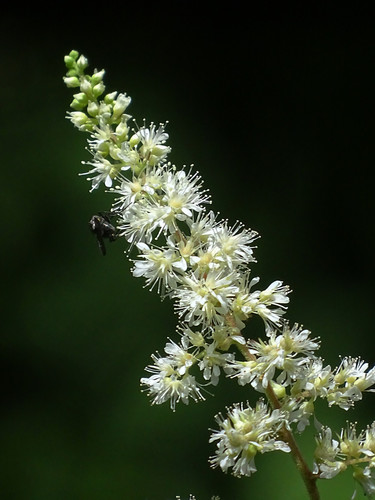
Diverse family of herbaceous plants and shrubs including saxifrages; some ornamental species, few edible members.
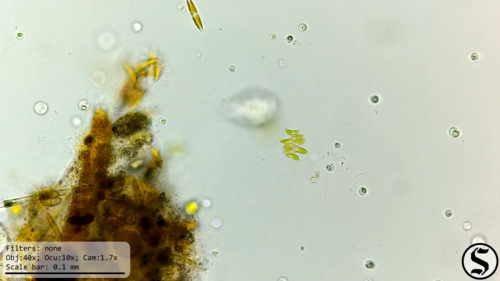
Family of microscopic green algae; single-celled organisms important in biotechnology and aquaculture but not culinary plants.
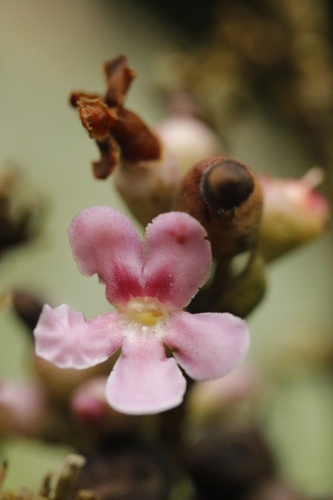
Small tropical family of trees and shrubs; limited economic importance and minimal edible or ornamental use.
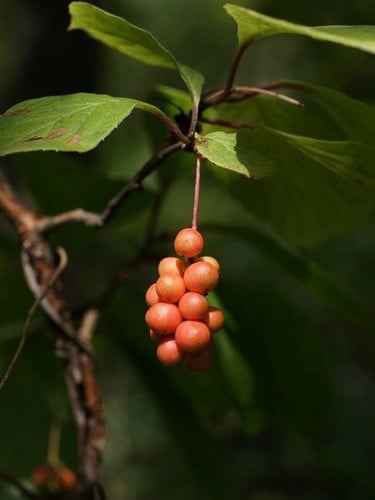
Woody vines with aromatic fruits; includes magnolia vine used in traditional Asian medicine and cuisine.
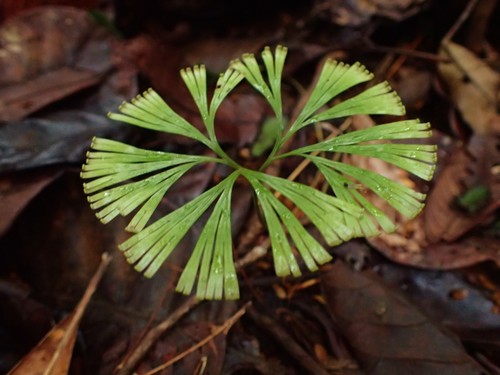
Ancient family of ferns with filmy fronds; primitive lineage with no significant economic or culinary value.
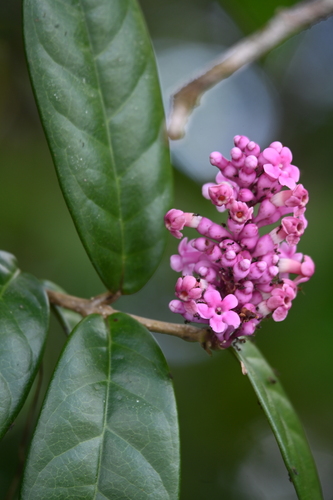
Small tropical family of epiphytic plants; minimal economic importance and rarely cultivated outside native ranges.
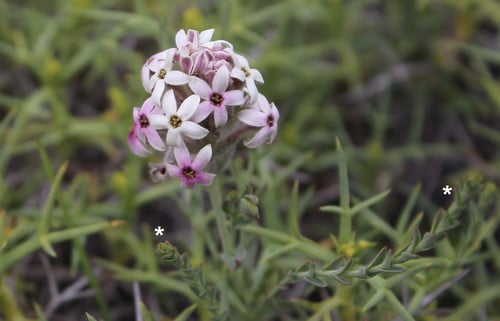
Small family of tropical shrubs and trees; no major culinary, medicinal, or ornamental significance reported.
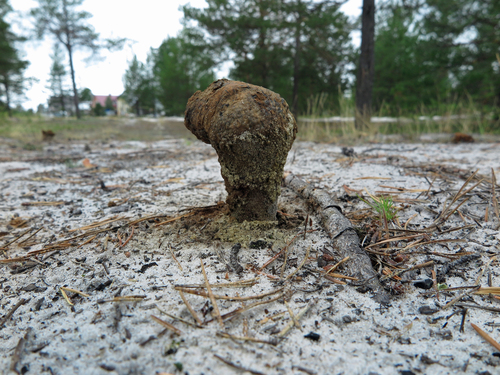
Family of puffball-like fungi; some species edible but often gelatinous and of limited culinary appeal.
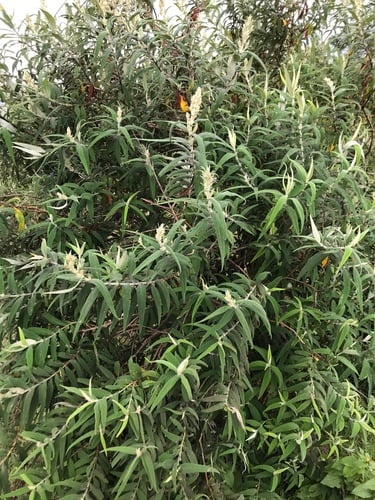
Large family including snapdragons and figworts; primarily ornamental with few significant edible members.
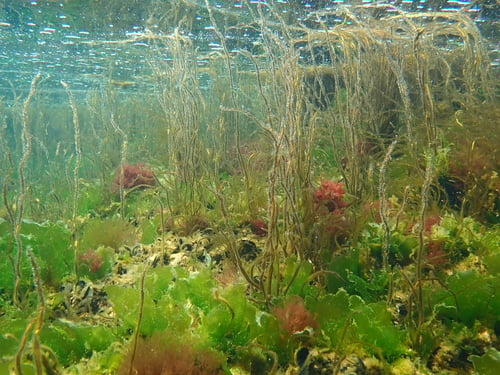
Family of brown algae; marine seaweeds with minimal culinary use despite ocean habitat.
Family of red algae; seaweeds primarily of scientific interest with limited human food applications.
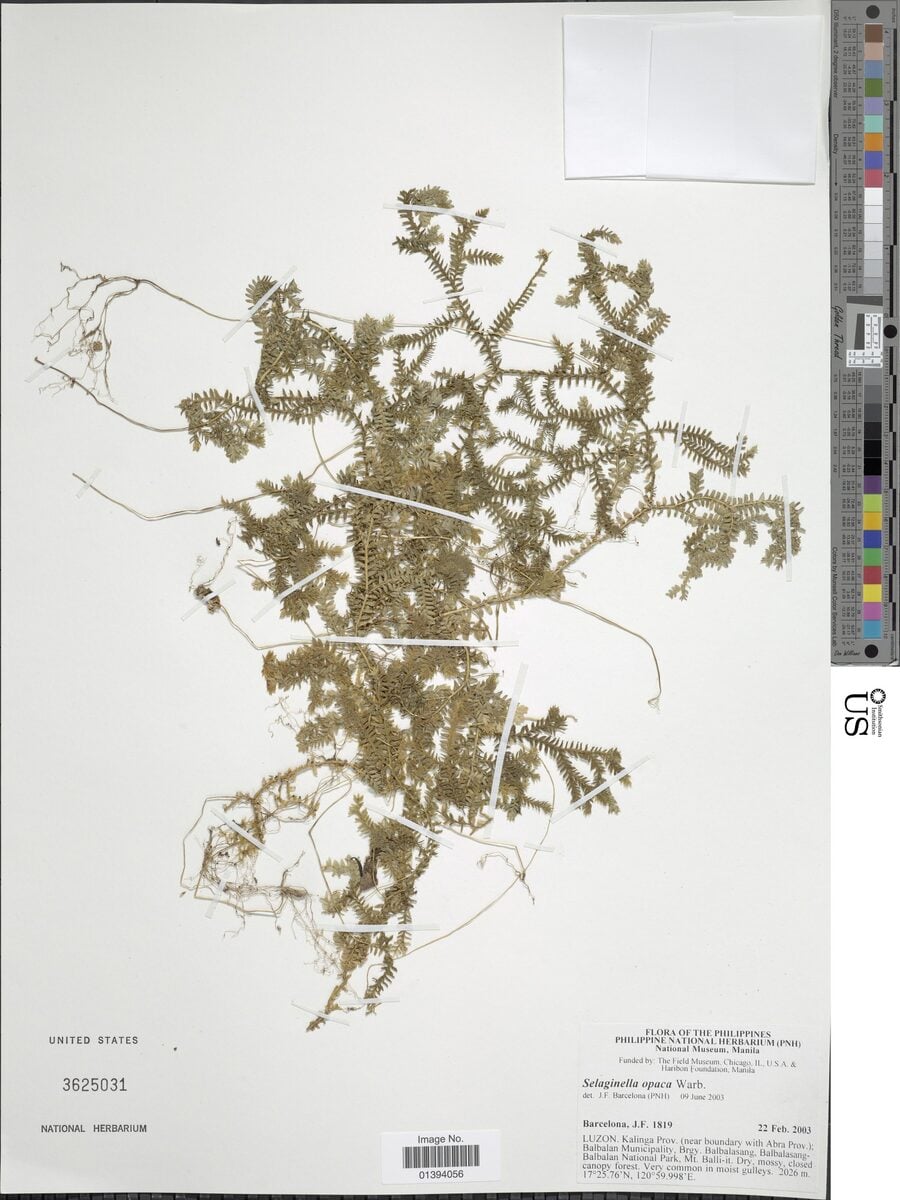
Ancient family of small club mosses; primitive plants resembling ferns but evolutionarily distinct, non-edible.
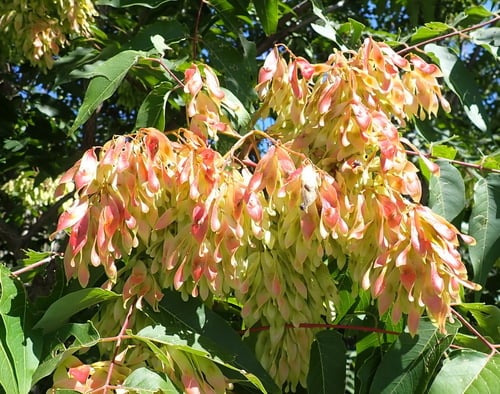
Tropical family including ailanthus and picrasma; bitter compounds used medicinally but few culinary applications.
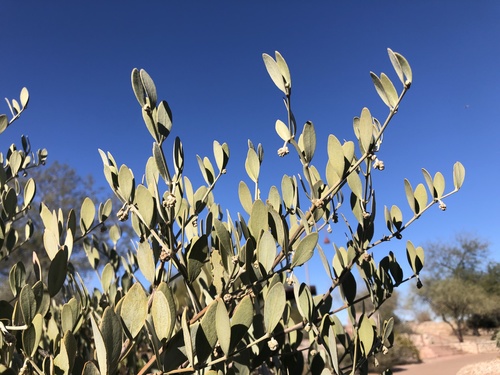
Monogeneric family containing jojoba; produces valuable wax-like oil used cosmetically and industrially, not food.
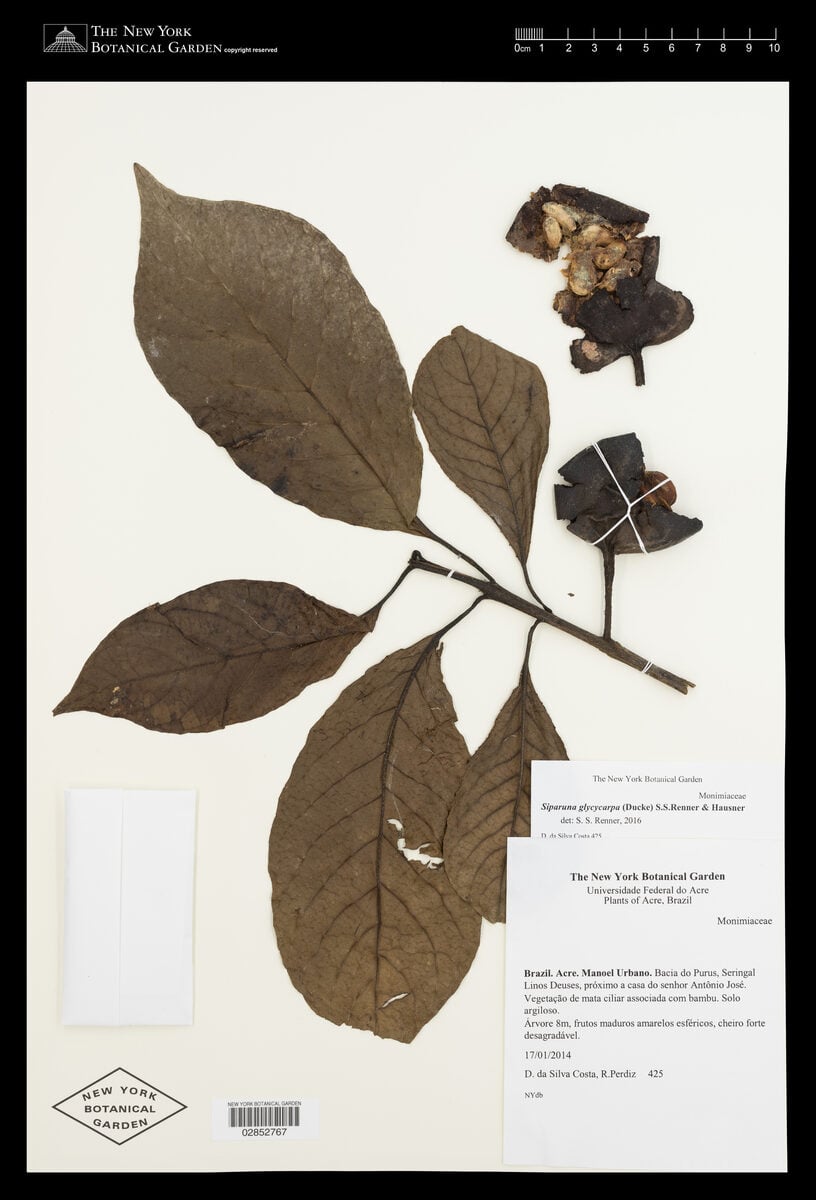
Tropical South American family of aromatic trees; limited commercial use aside from traditional medicine applications.
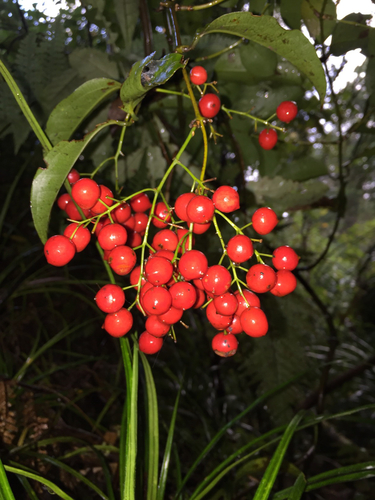
Family including sarsaparilla and greenbriers; some species produce edible tubers and berries in traditional cuisines.
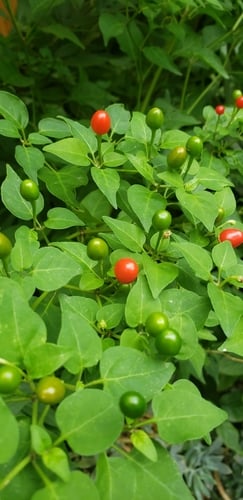
Major family including tomatoes, potatoes, peppers, eggplants; essential global food crops also containing tobacco.
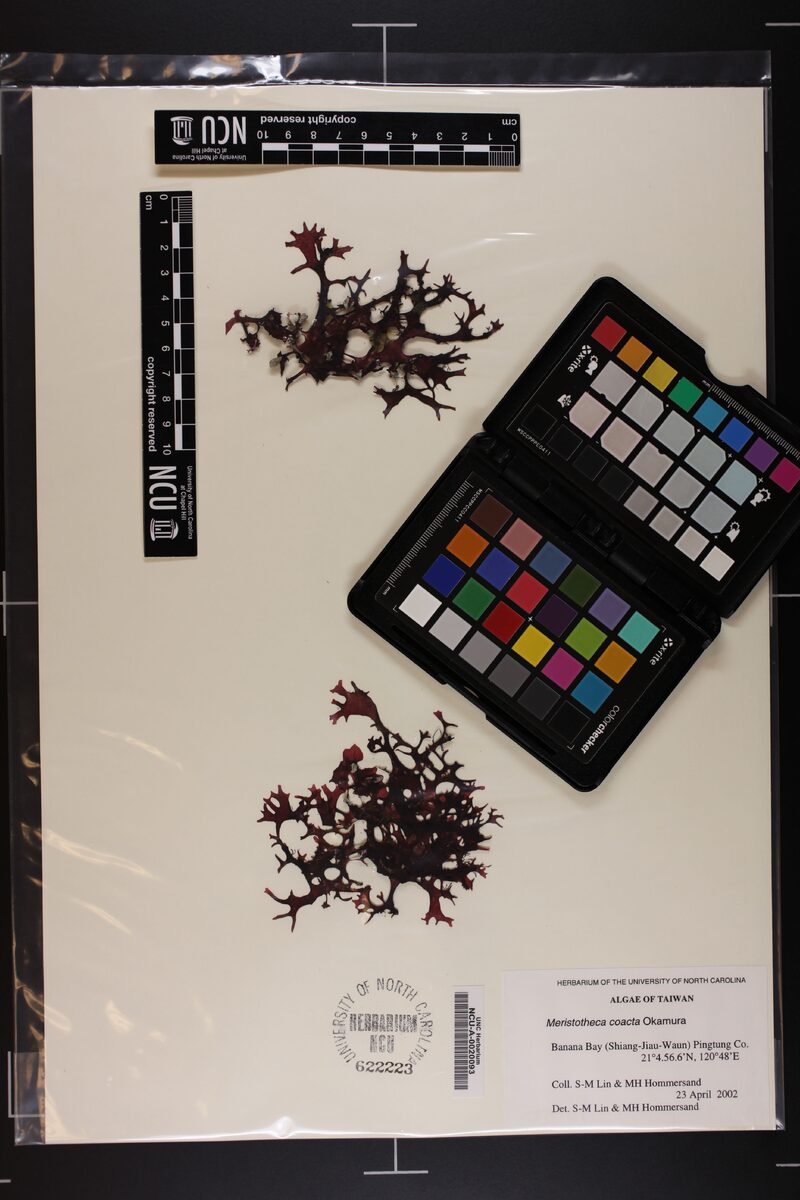
Family of red algae; edible seaweeds harvested in Asia for culinary and industrial carrageenan extraction.
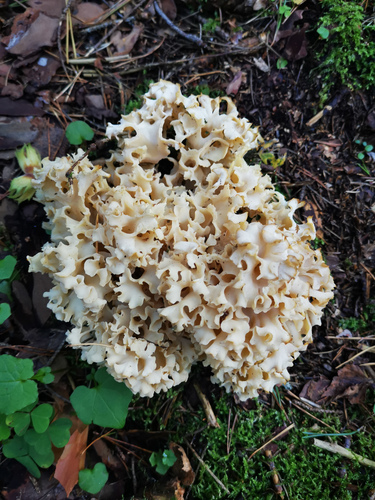
Family of shelf fungi including oyster mushrooms; widely cultivated edible fungi prized in global cuisine.
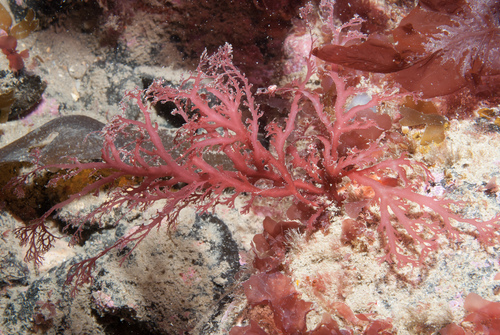
Red algae family found in marine environments, some species used in food production and agar extraction.
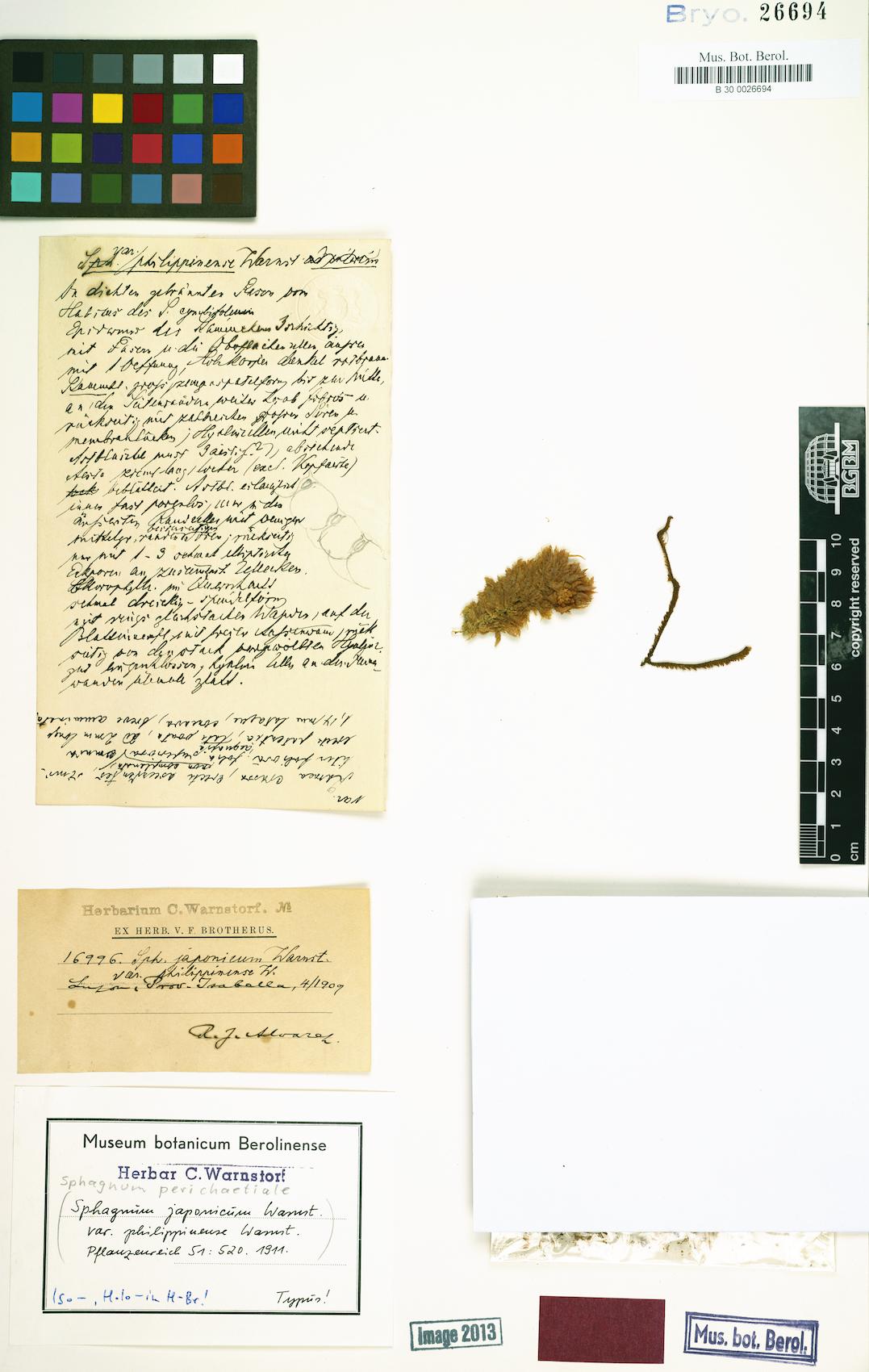
Moss family of peat mosses found in wetlands, important for soil formation and carbon storage.
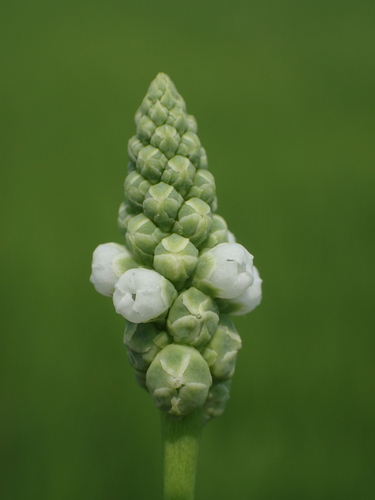
Small tropical plant family with herbaceous members, minor agricultural significance in some regions.
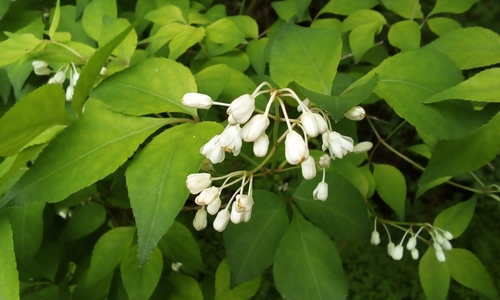
Bladdernut family of woody plants with compound leaves, primarily ornamental with inedible fruits.
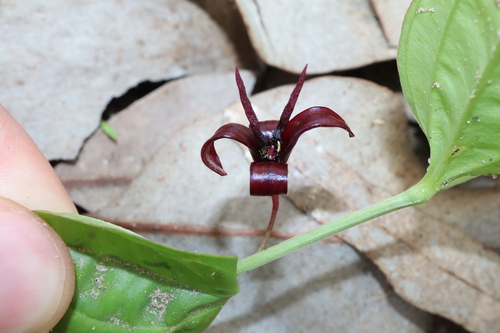
Asian plant family with tuberous roots, some species traditionally used in herbal medicine.
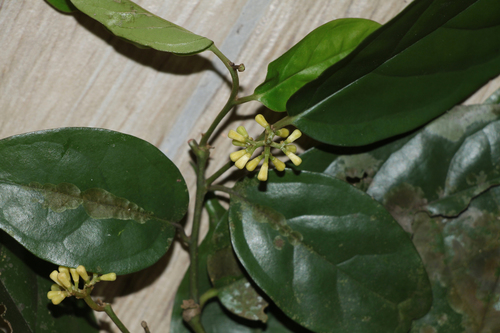
Tropical tree family from Southeast Asia, poorly studied with limited economic importance.

Wood-decay fungal family, important decomposers in forest ecosystems.
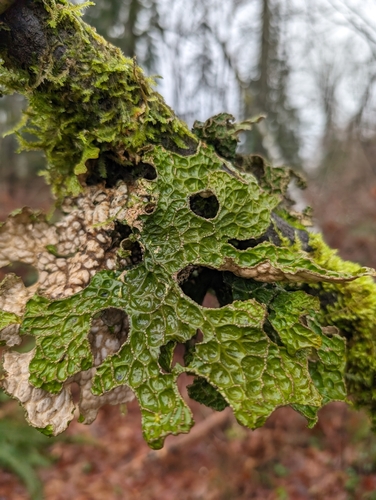
Lichen family with photosynthetic algal partners, found on tree bark and rocks worldwide.
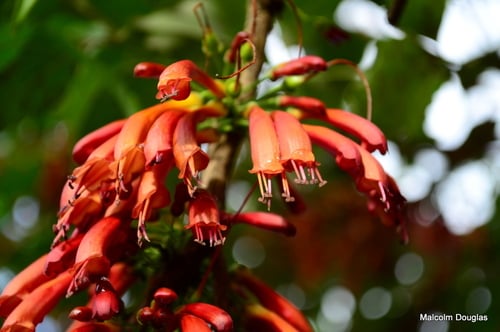
Plant family including candlewood trees, mainly ornamental with some medicinal uses in Africa.
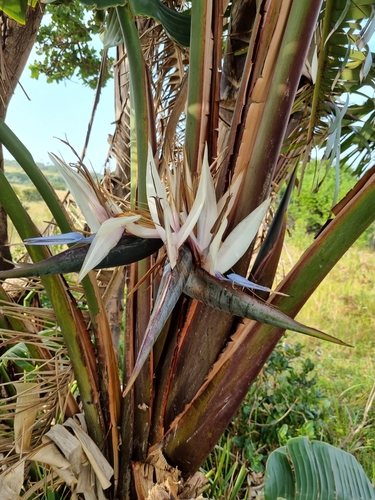
Tropical plant family including bird-of-paradise flowers, grown ornamentally for stunning colorful blooms.
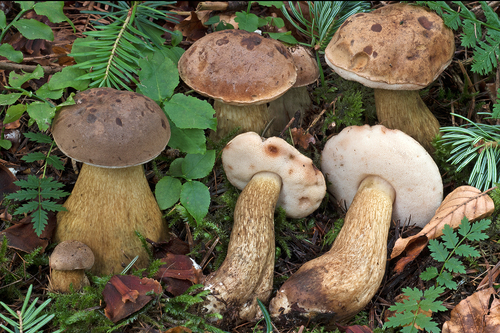
Fungal family of wood-decomposing mushrooms, some species edible though not widely cultivated.
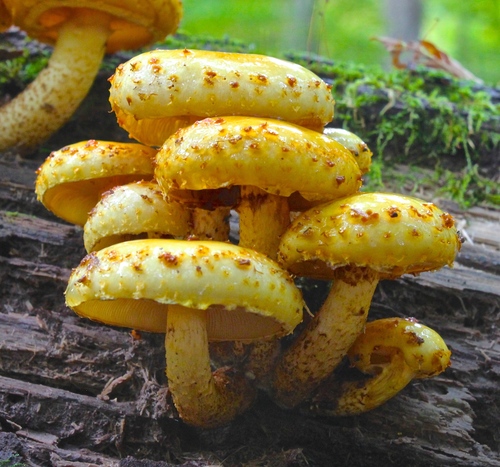
Fungal family including edible species like king trumpet mushrooms, cultivated commercially worldwide.
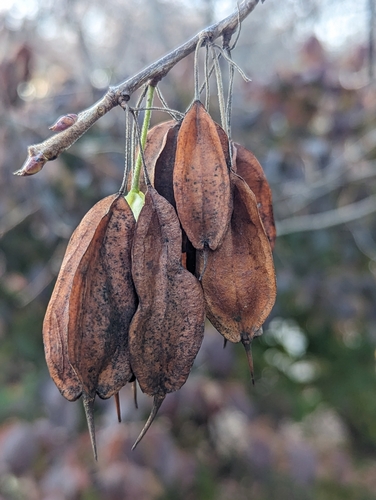
Tree family producing fragrant resins, includes storax and benzoin used in perfumes and medicine.
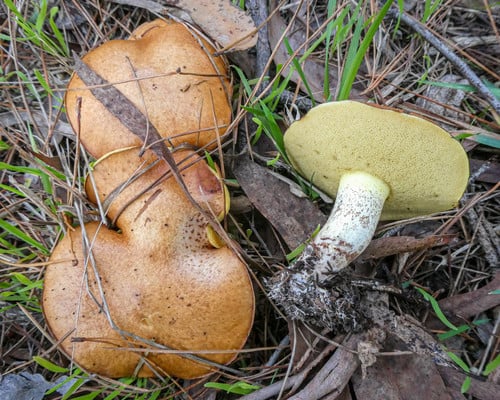
Fungal family of ectomycorrhizal mushrooms, some edible species foraged in coniferous forests.
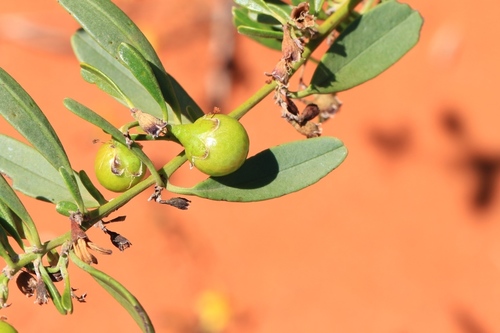
Tropical tree family with limited distribution, minimal economic or culinary importance.
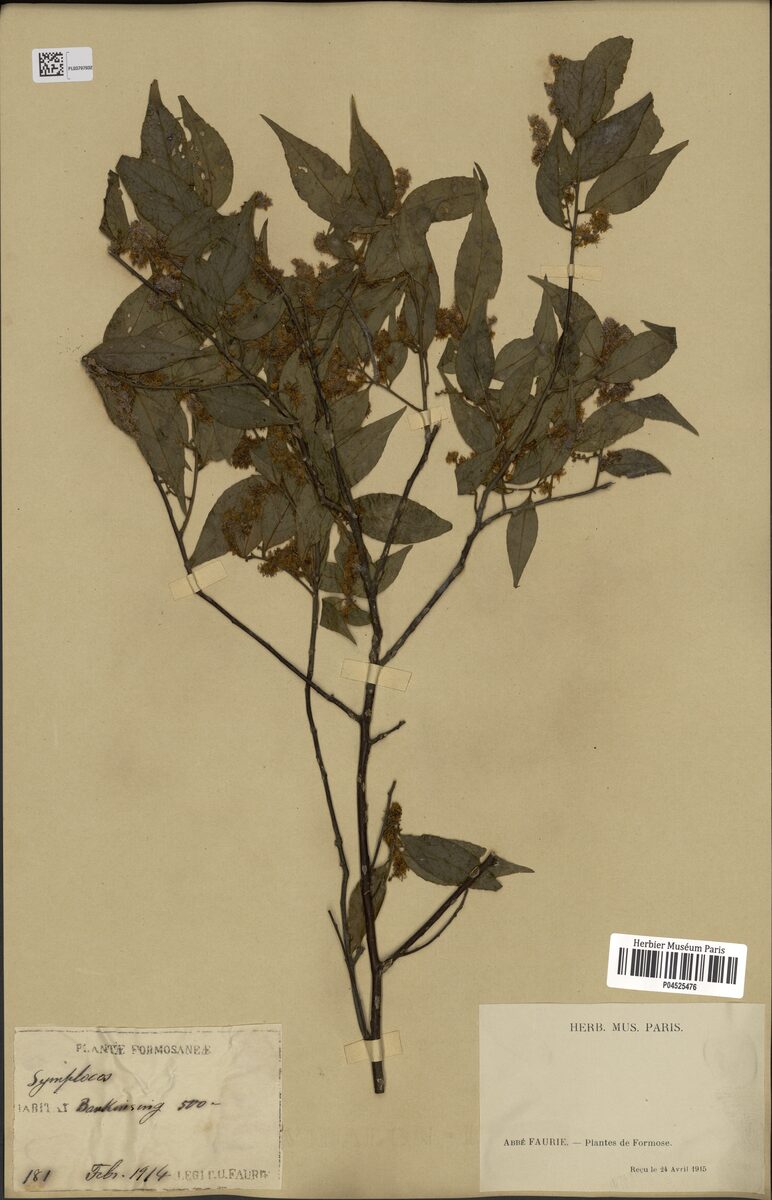
Tropical and subtropical trees, some species provide dyes and traditional medicines in Asia.

Succulent plant family with small herbaceous members, minor ornamental and culinary value.
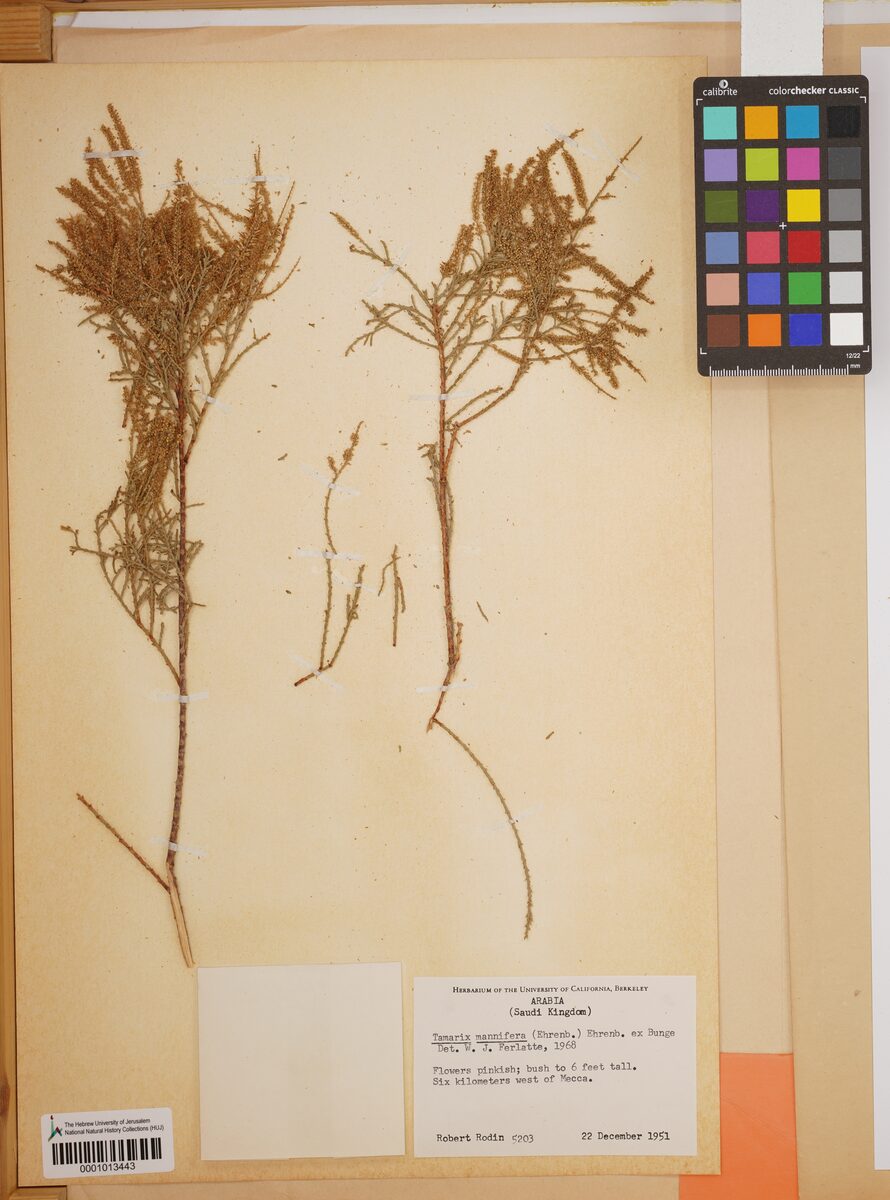
Salt-tolerant shrub family including tamarisk, useful for revegetation in arid and saline areas.
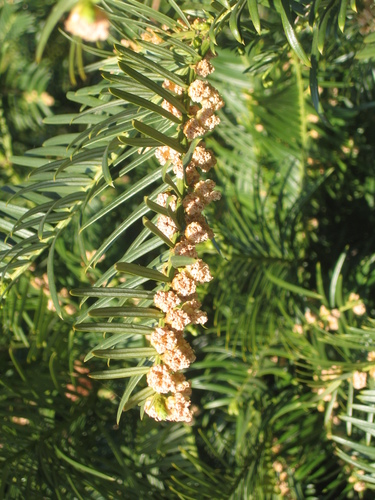
Conifer family including yew trees, toxic except for edible arils, important in traditional medicine.
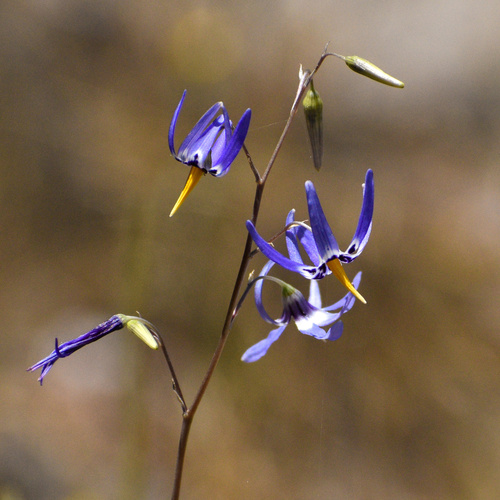
Small bulbous plant family from South America, grown ornamentally for blue flowers.
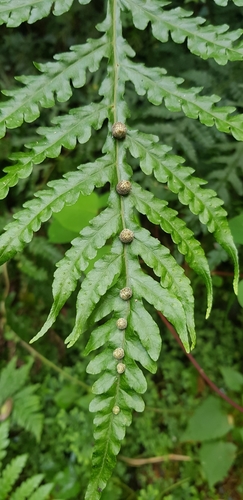
Tropical ferns with simple or compound fronds, including some ornamental species.
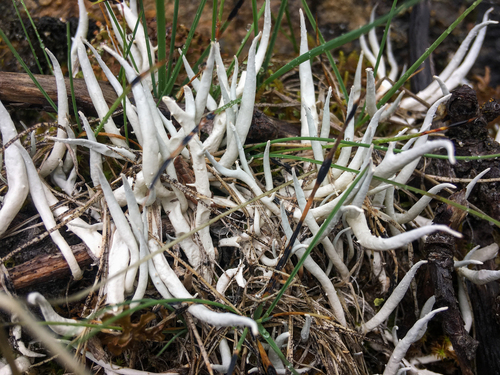
Lichens with colorful fruticose or foliose forms, often found on rocks and trees.
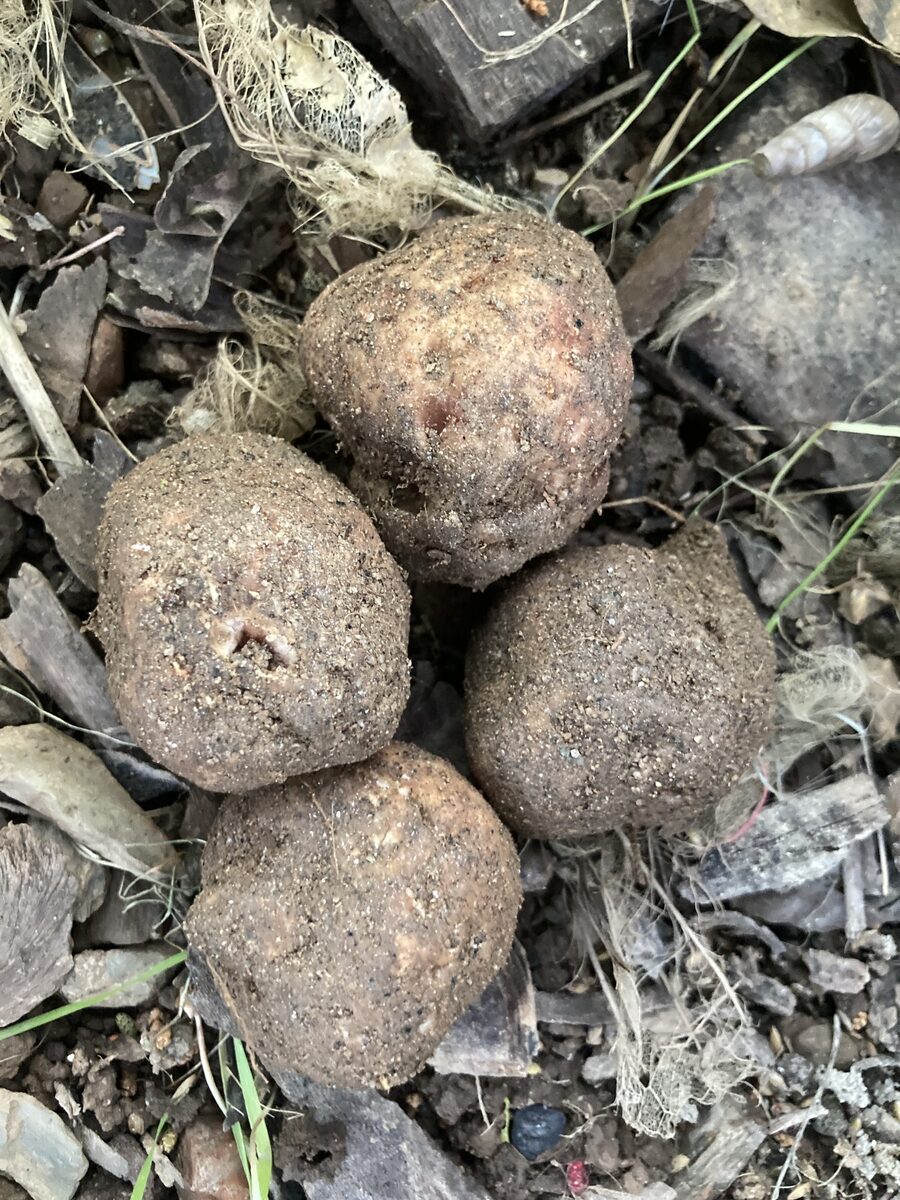
Desert truffles producing edible, prized underground fruiting bodies in arid regions.
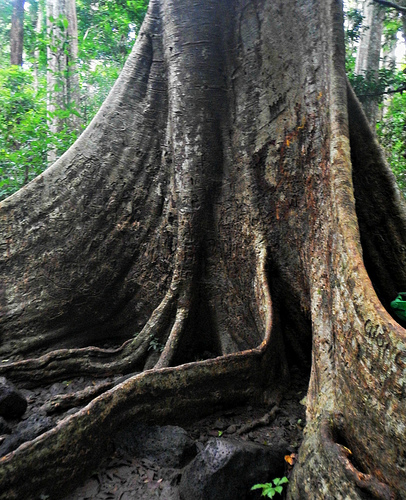
Tropical trees with large leaves and distinctive four-chambered capsule fruits.
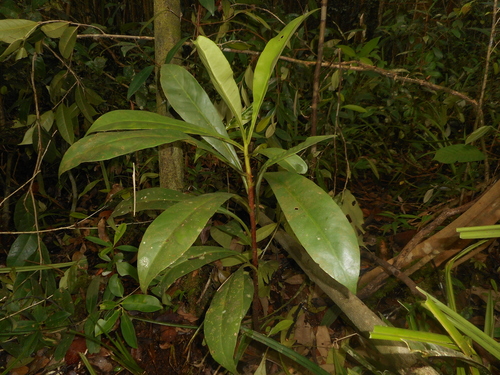
Small family of tropical rainforest trees with unusual flower structures.