Plant Families
569 families with edible plants · Page 7 of 12
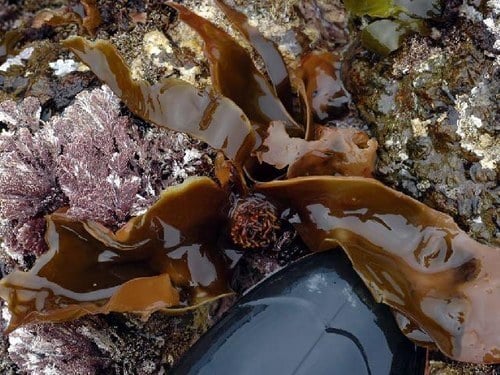
Kelp family of large brown algae harvested for food, fertilizer, and industrial compounds worldwide.
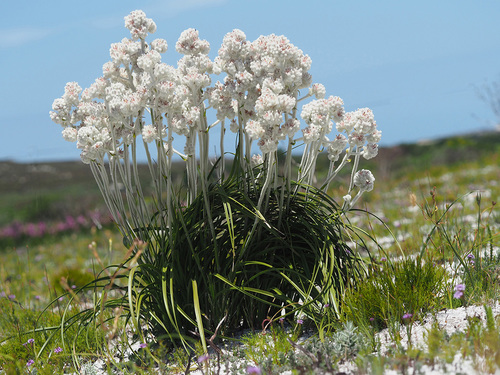
South African plant family related to bromeliads; minor horticultural and ornamental importance.
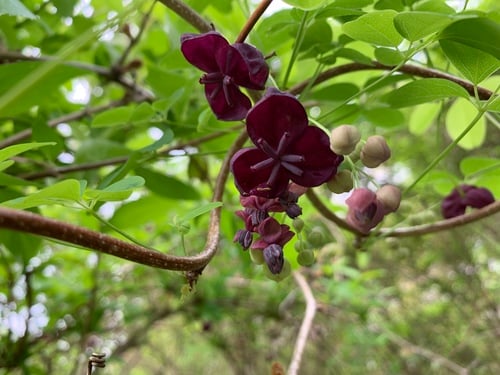
Climbing vines from East Asia producing edible berries and used ornamentally in gardens.
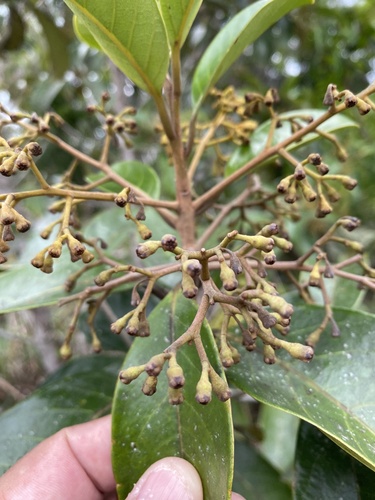
Trees and shrubs including bay laurel, cinnamon, avocado, and camphor; important spice and fruit crops.
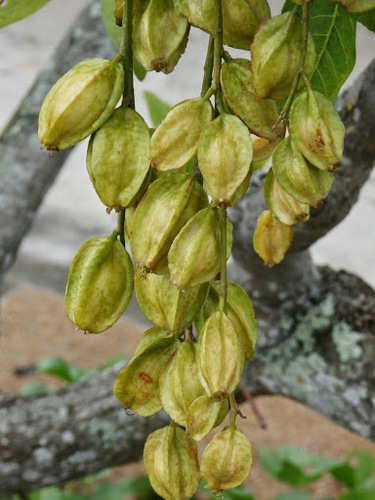
Tropical rainforest trees including Brazil nut tree; produces edible nuts and hard woods.
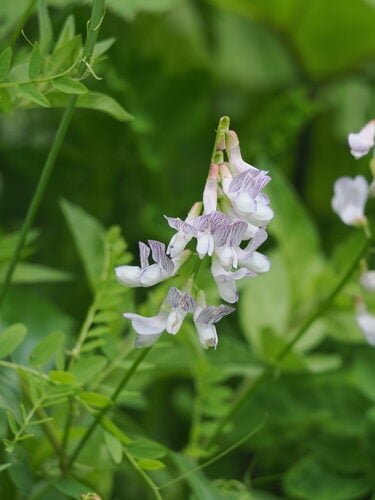
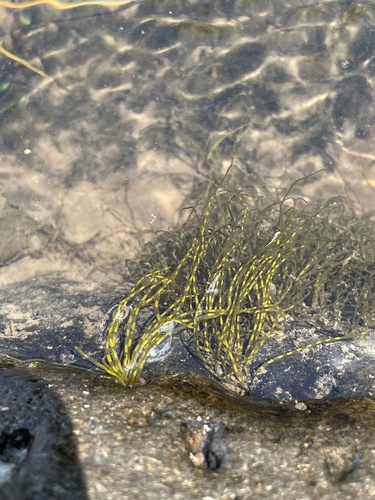
Red algae family from freshwater environments; minimal economic importance with limited human use.
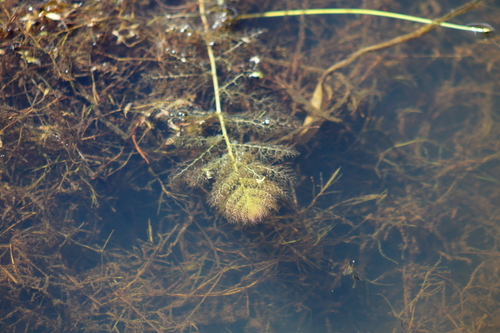
Carnivorous plants including bladderworts and butterworts that trap aquatic prey using specialized leaf structures.

Brown algae family containing large kelps and seaweeds found in cold ocean waters worldwide.

Small family of red algae, mostly microscopic species found in marine environments.
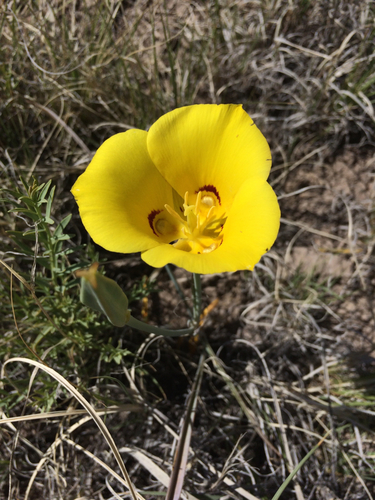
Monocots including lilies, tulips, and onions; diverse herbs with bulbs and colorful flowers.
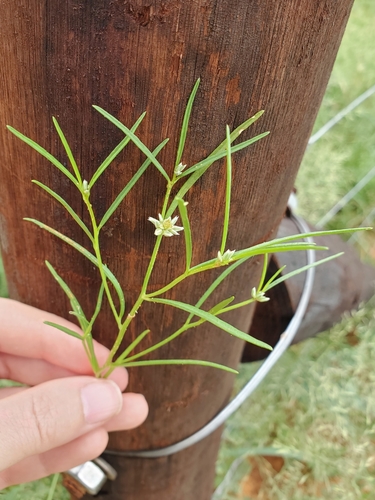
Extinct early fish family; not applicable to modern plant classification systems.
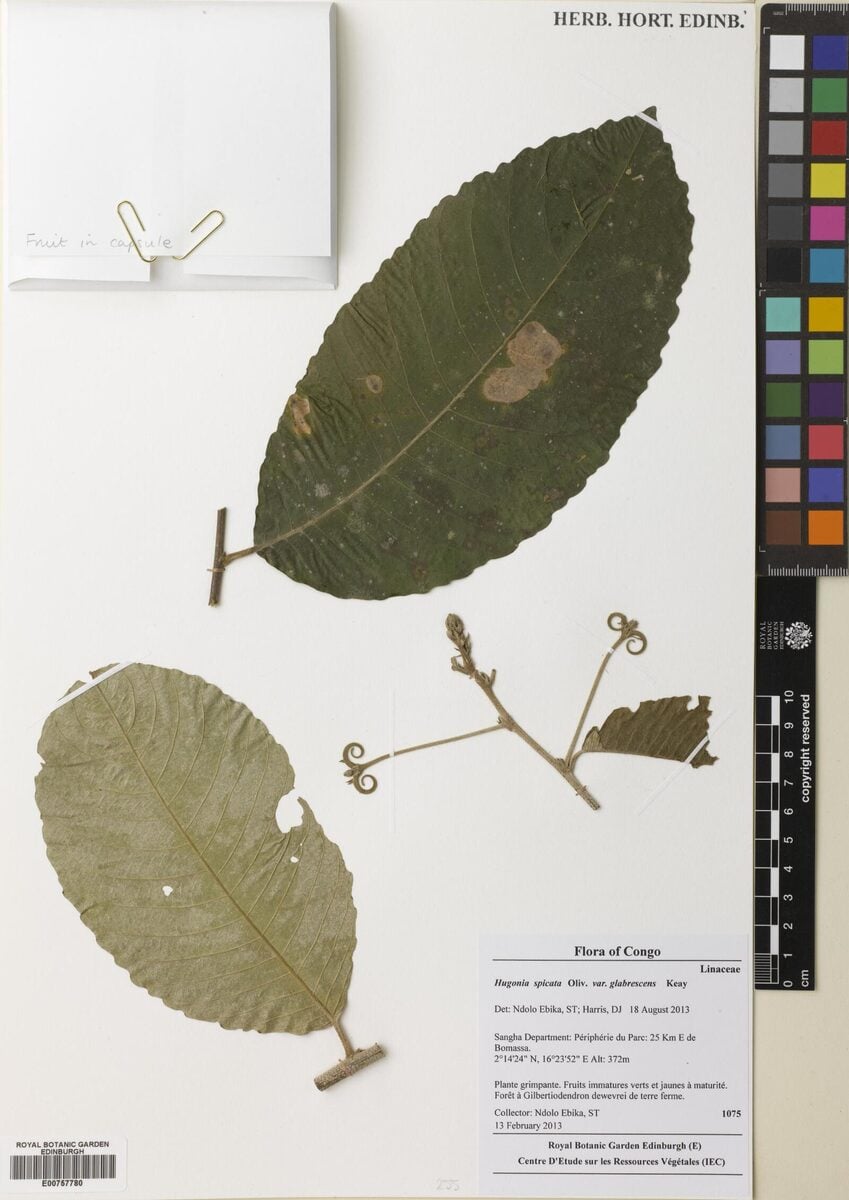
Flax family producing linseed oil and fiber; includes herbaceous plants with small clustered flowers.
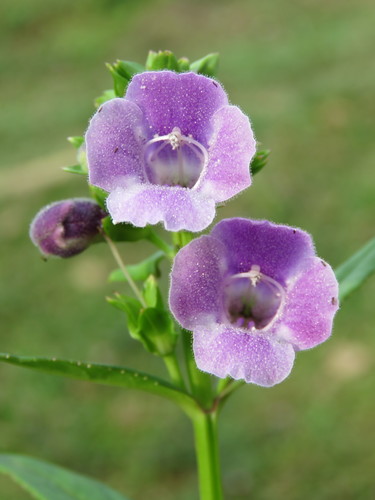
Small family of herbaceous plants, some used traditionally in Asian medicine and cuisines.
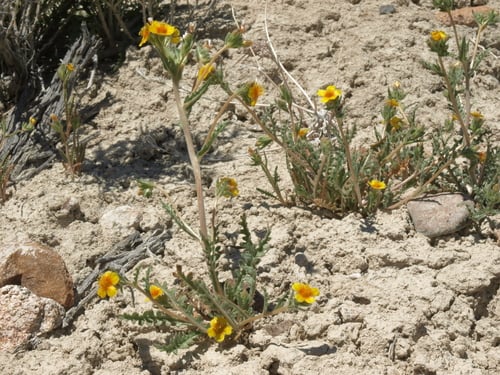
Tropical and subtropical herbs with stinging hairs, showy flowers, and sometimes edible fruits.
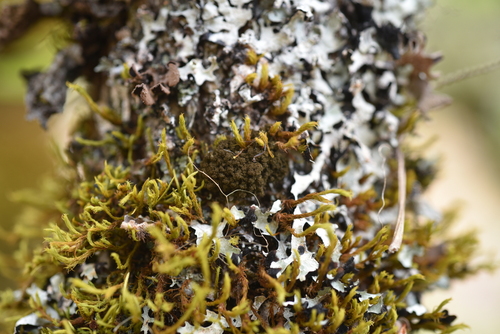
Lichen family combining fungi and algae; found on trees and rocks in humid regions.
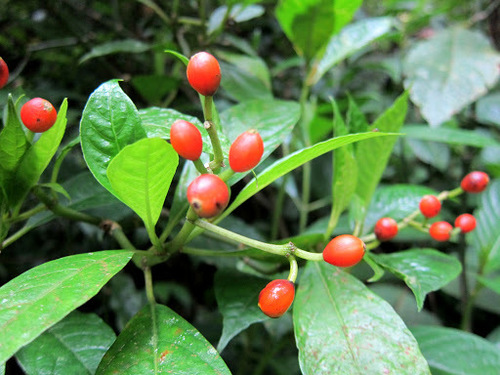
Tropical woody plants including strychnine tree; various species with medicinal and toxic properties.
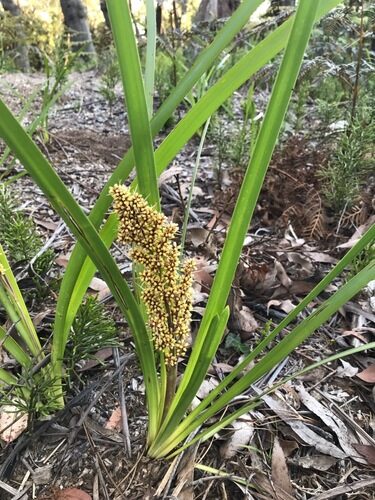
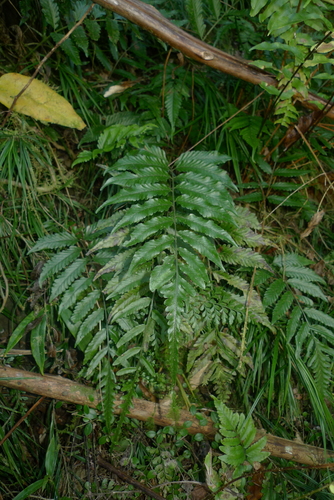
Ferns with climbing or creeping fronds, found in tropical rainforests and moist habitats.
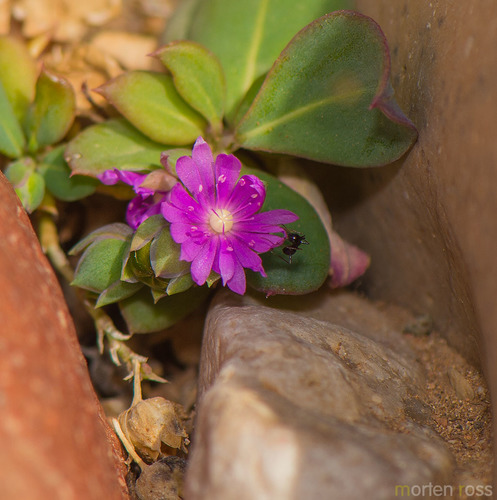
Small family of tropical trees with unusual fruit structures and limited economic importance.
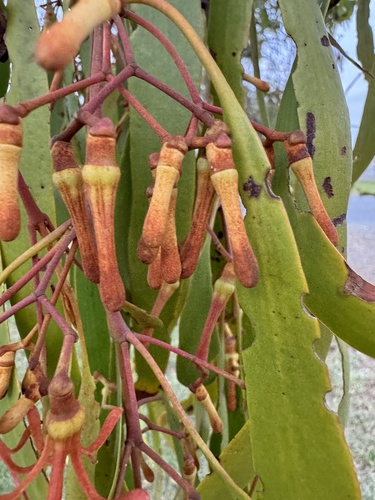
Parasitic flowering plants (mistletoes) living on tree branches with colorful berries and flowers.
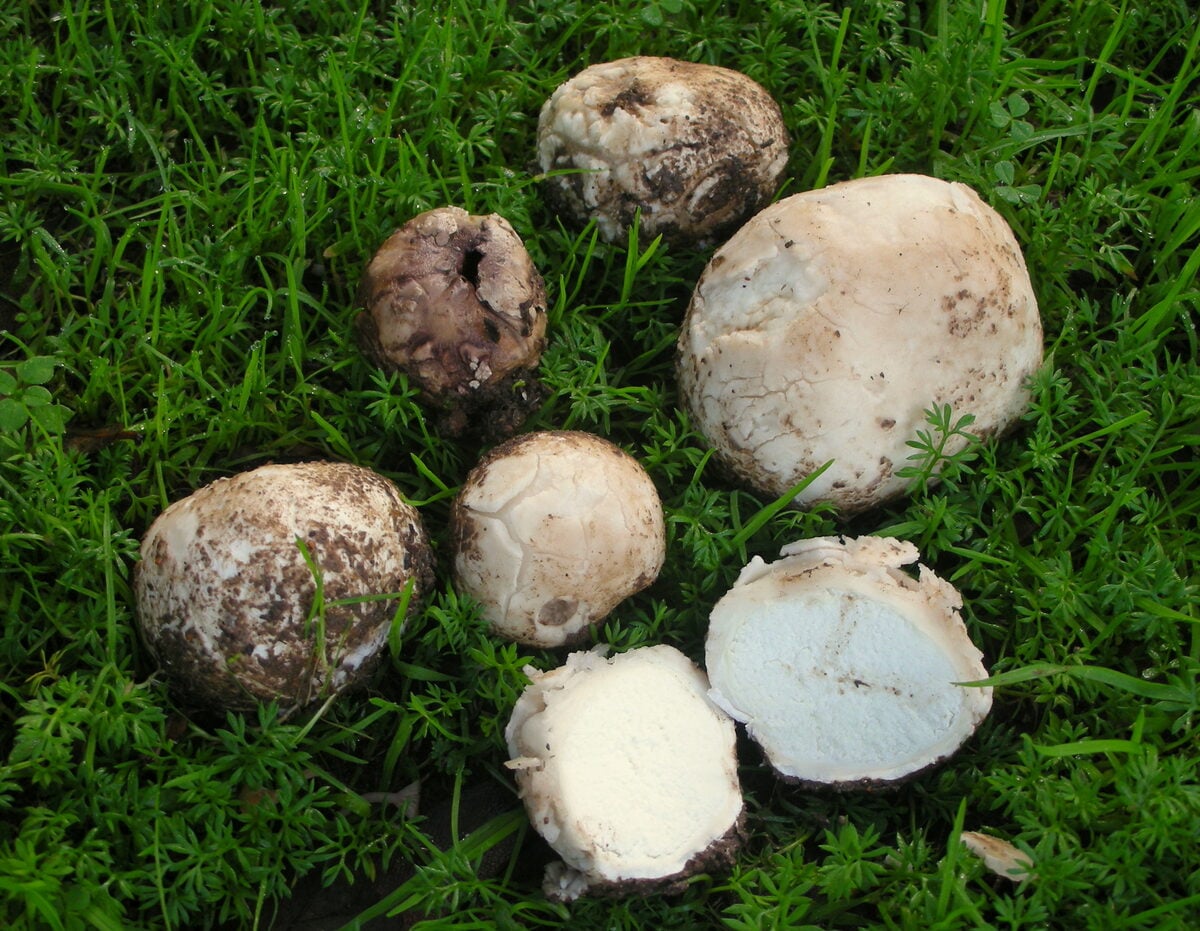
Puffball fungi family producing spore-filled fruiting bodies, some species edible when young.
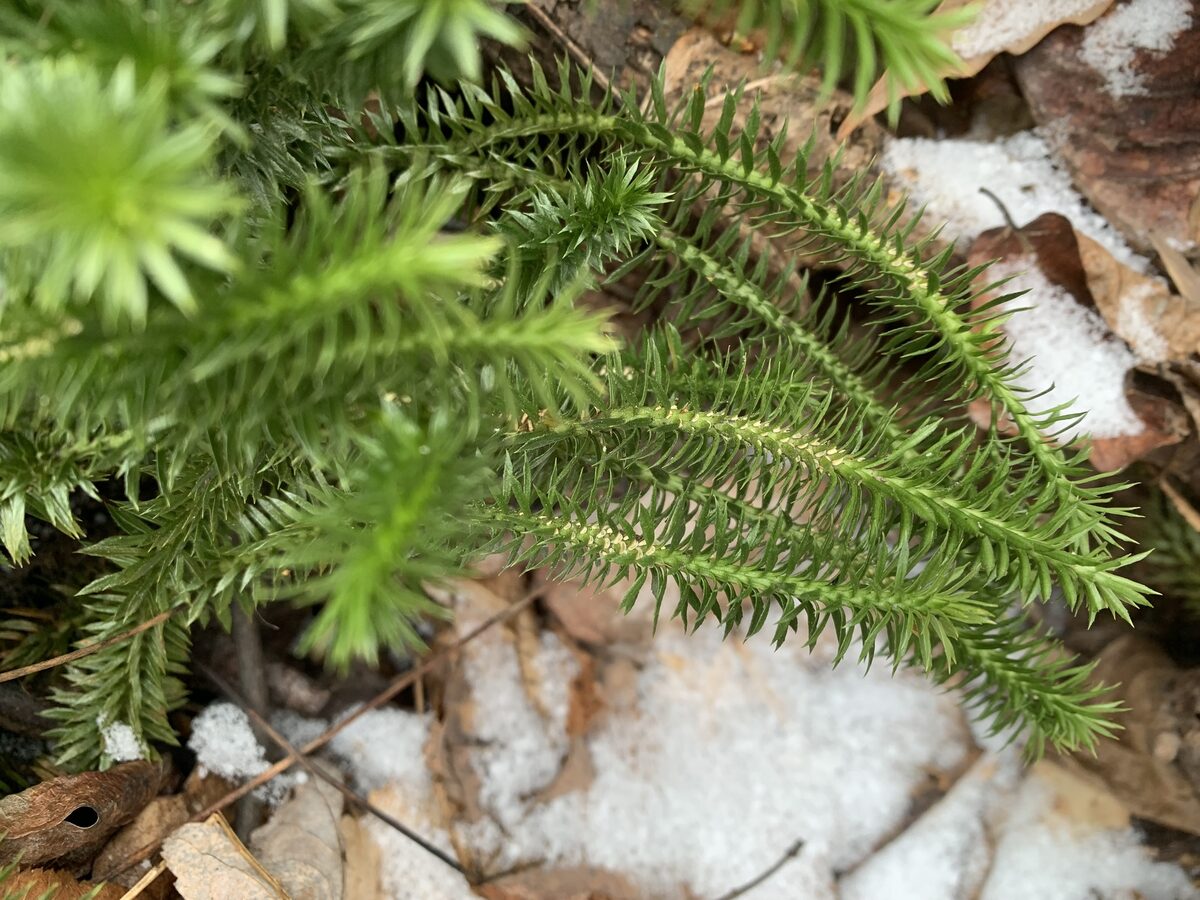
Ancient clubmosses with scale-like leaves; primitive vascular plants reproducing via spores.
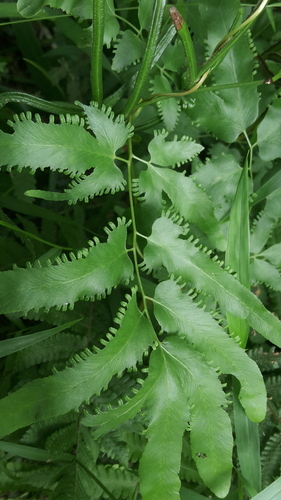
Climbing ferns with feathery fronds, found in tropical and subtropical moist regions.

Wood-decomposing fungi family including gilled mushrooms found on dead wood.
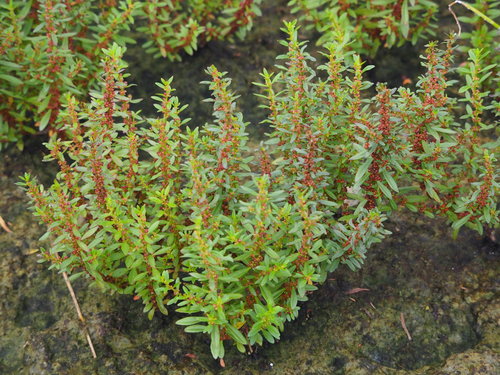
Diverse herbs and shrubs including loosestrife; some produce dyes and have medicinal uses.
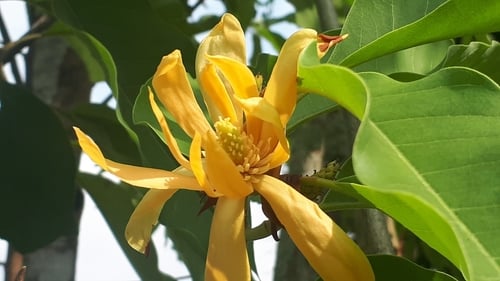
Ancient flowering trees including magnolias and tulip trees; large fragrant flowers and edible fruits.
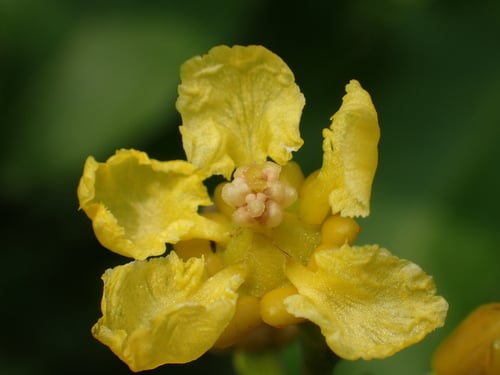
Large tropical family including passionfruits, flax, and hypericum; diverse morphology and uses.
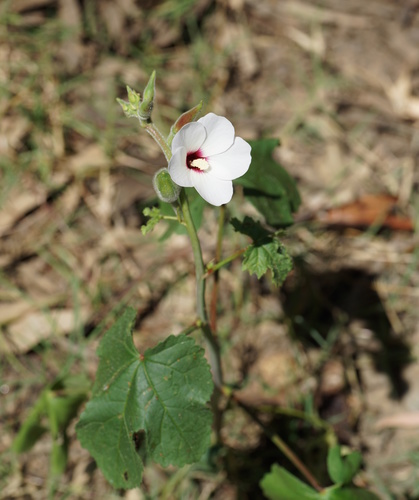
Family including hibiscus, okra, and cacao; characterized by five petals and prominent stamens.
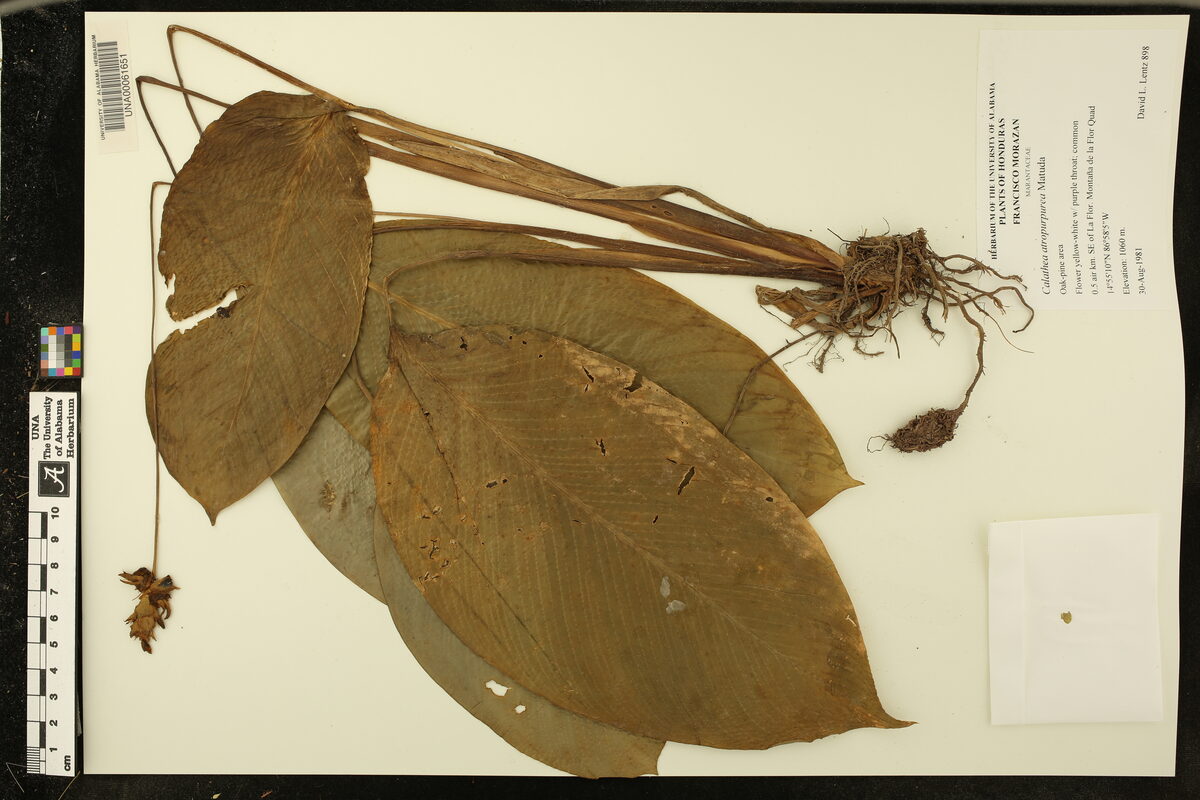
Tropical plants with distinctive leaves; includes arrowroot and prayer plant, valued for starch and ornament.
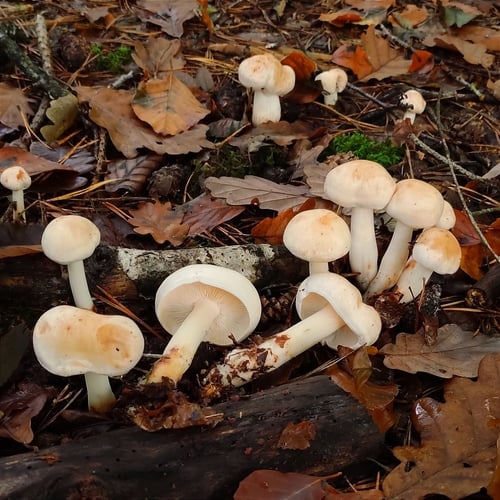
Family of small, delicate fungi; includes edible species like fairy ring mushrooms.
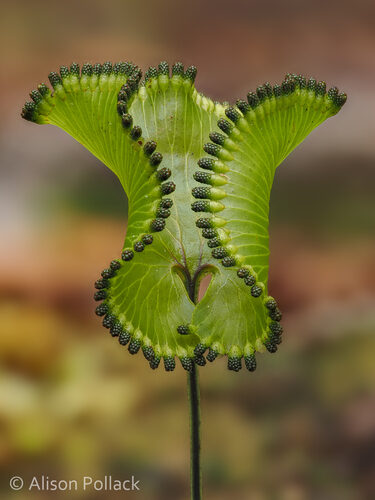
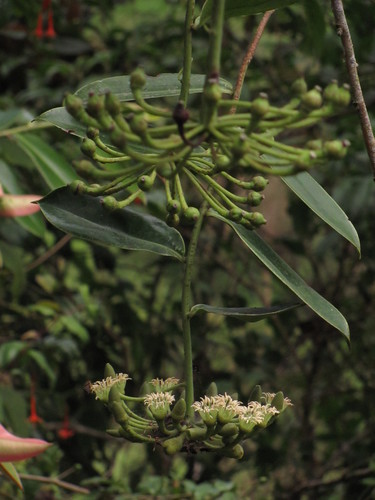
Tropical climbing plants with specialized nectar-producing bracts; includes mostly non-edible ornamentals.
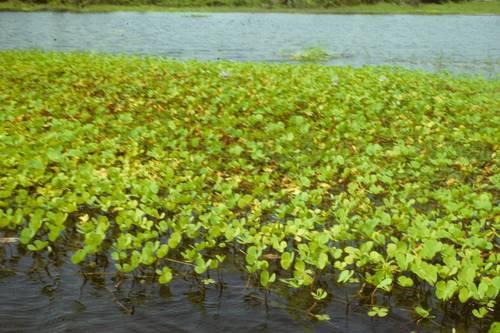
Aquatic ferns with clover-like leaves; some species used as vegetables in Asian cuisine.
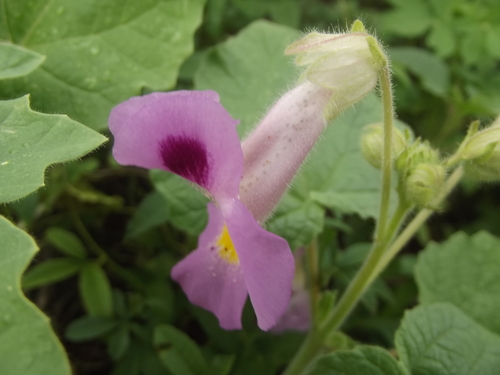
Plants producing distinctive hooked seed pods; devil's claw used medicinally and ornamentally.

Filamentous cyanobacteria family; rarely edible, primarily ecological interest.
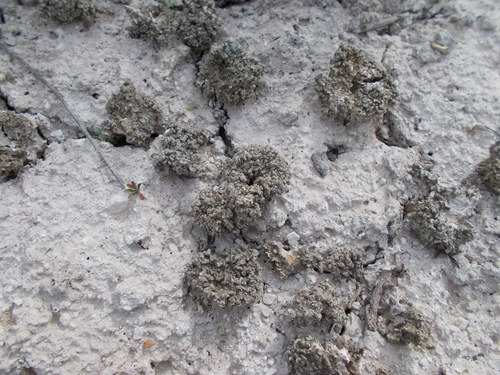
Fungal family with large spores; saprotrophs playing roles in forest decomposition.

Family of truffle-like fungi; some species edible or used as flavoring agents.
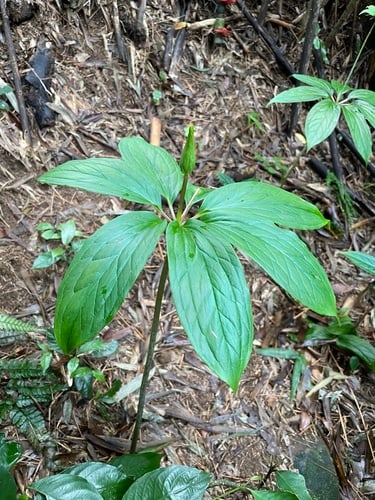
Herbaceous plants including baneberry and false hellebore; mostly toxic, not edible.
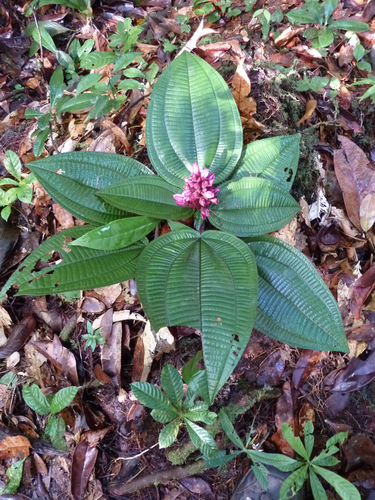
Tropical shrubs with distinctive flowers; includes edible Tibouchina and medicinal species.
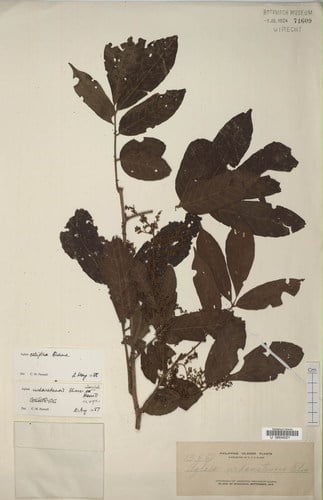
Family containing mahogany and neem; includes edible chinaberry and West Indian cedar.
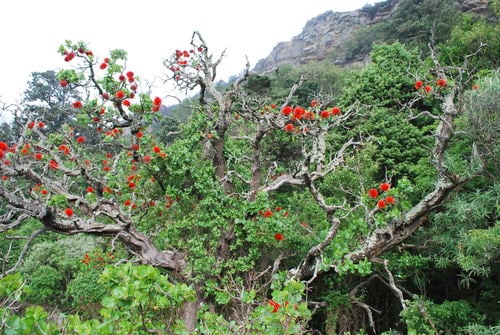
Southern African plants with nectar-rich flowers; primarily ornamental with no culinary significance.
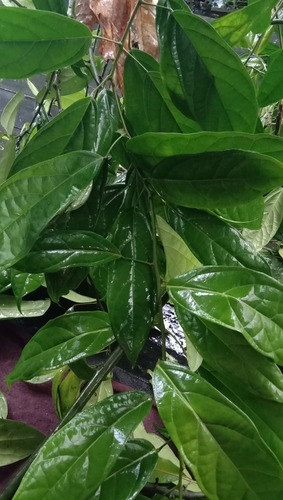
Climbing vines producing moon-seed fruits; mostly toxic despite edible-appearing berries.
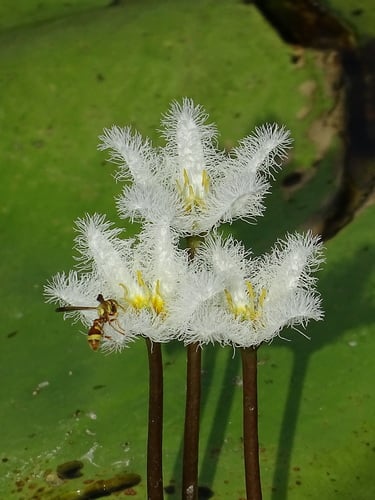
Aquatic and wetland plants including bogbean; some traditionally used as bitter herbs.
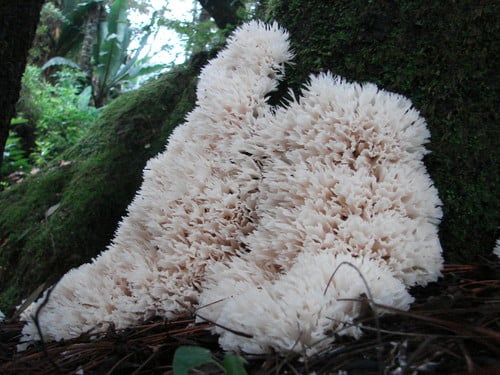
Wood-decay fungi family; includes bracket mushrooms without culinary or edible value.

Family of shelf and bracket fungi; saprotrophs with no edible species.
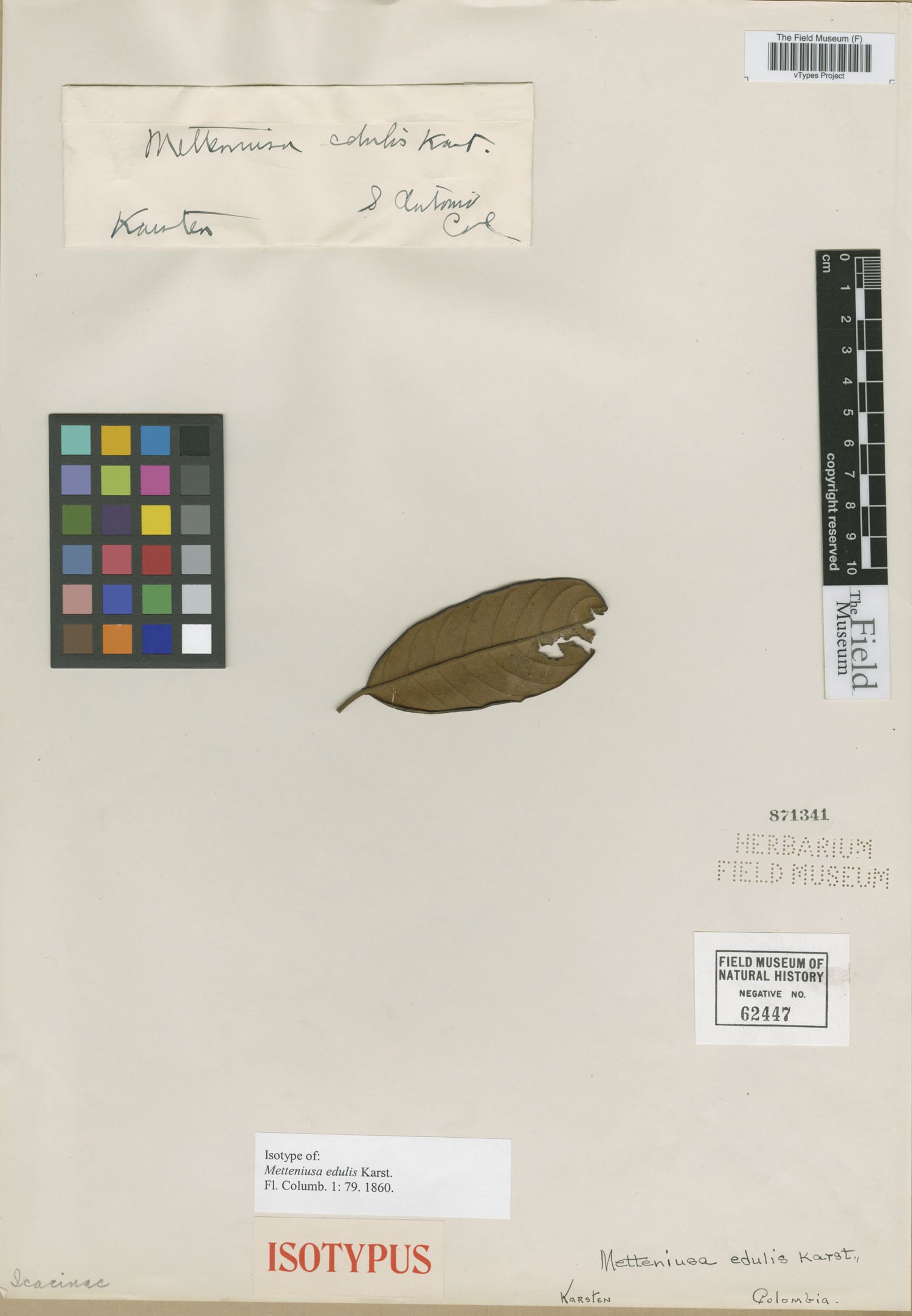
Small tropical tree family; largely unknown with minimal economic or culinary importance.
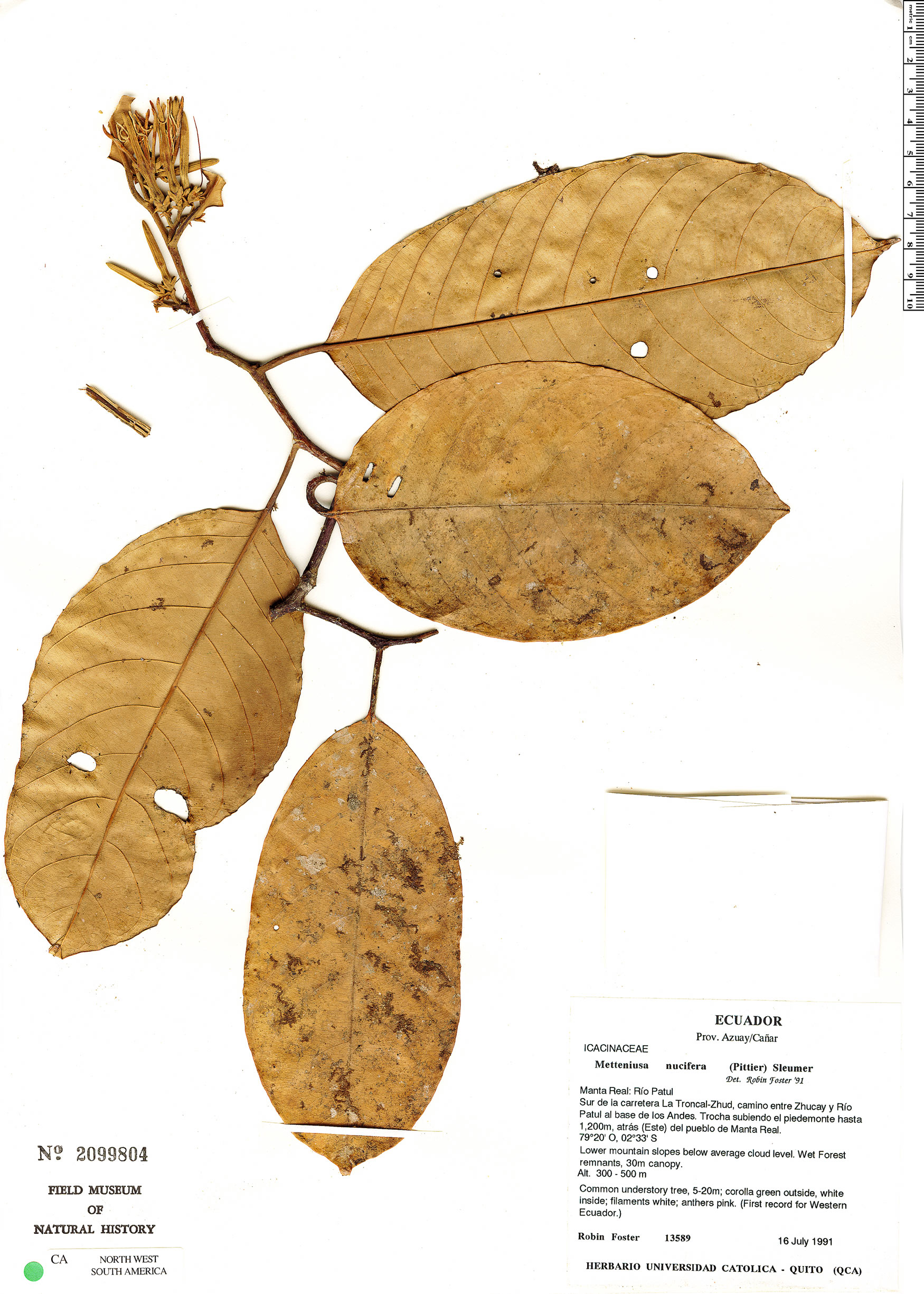
Rare tropical family; taxonomically obscure with negligible economic or edible significance.