Plant Families
569 families with edible plants · Page 12 of 12
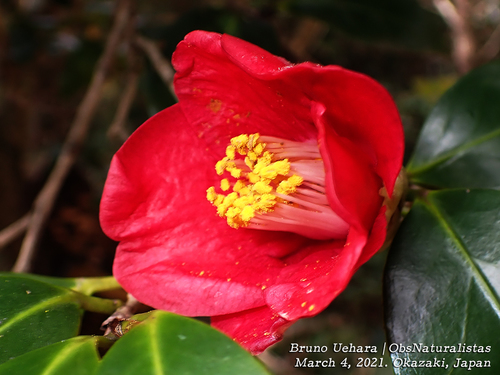
Woody plants including tea (*Camellia sinensis*) and ornamental camellias with showy flowers.
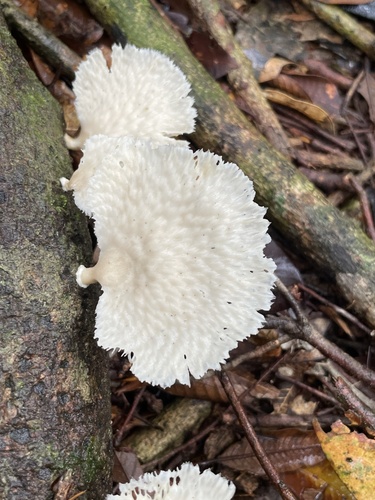
Wood-decaying fungi forming bracket or funnel-shaped fruiting bodies on logs.
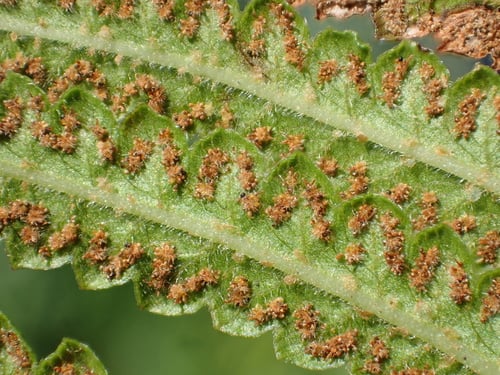
Marsh ferns with soft, delicate fronds, mostly temperate and tropical species.
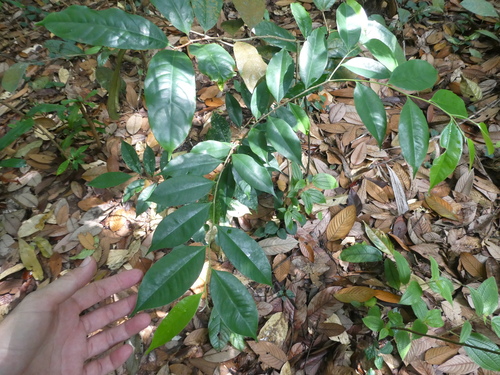
Shrubs and trees with tough bark; includes daphnes and flax plants.
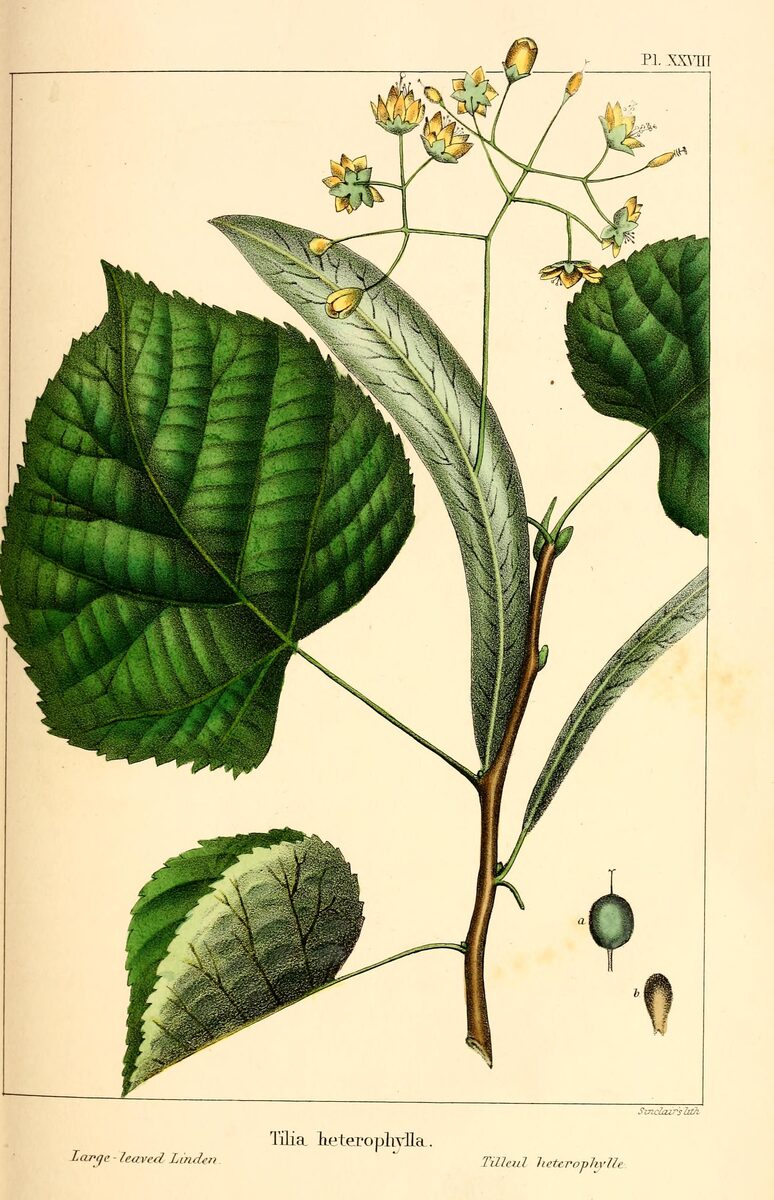
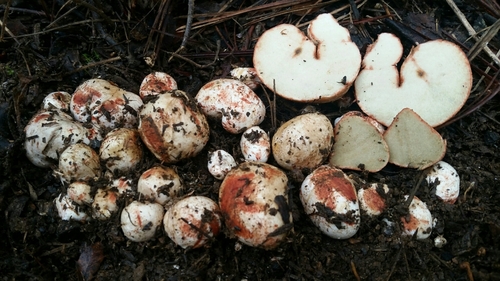
Jelly fungi forming gelatinous fruiting bodies, edible species include wood ear mushrooms.
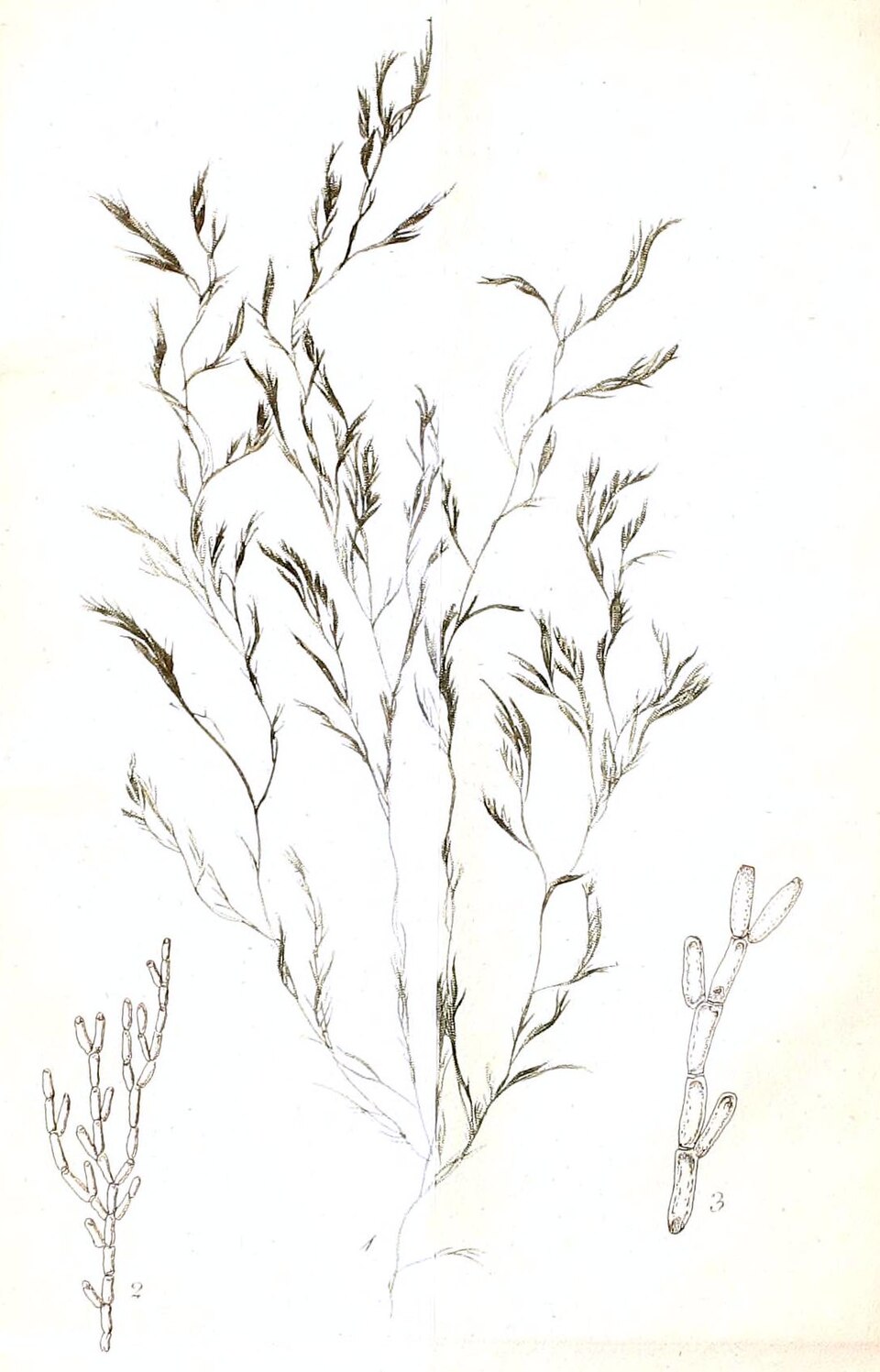
Green algae forming filaments in freshwater environments, important in aquatic ecosystems.
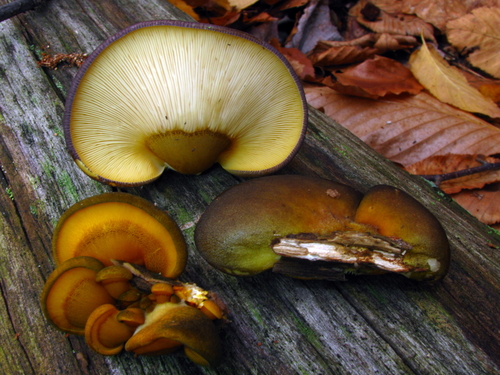
Mushrooms with gills including edible species like matsutake and honey mushrooms.
Tropical lianas and shrubs with distinctive three-winged fruits and colorful flowers.
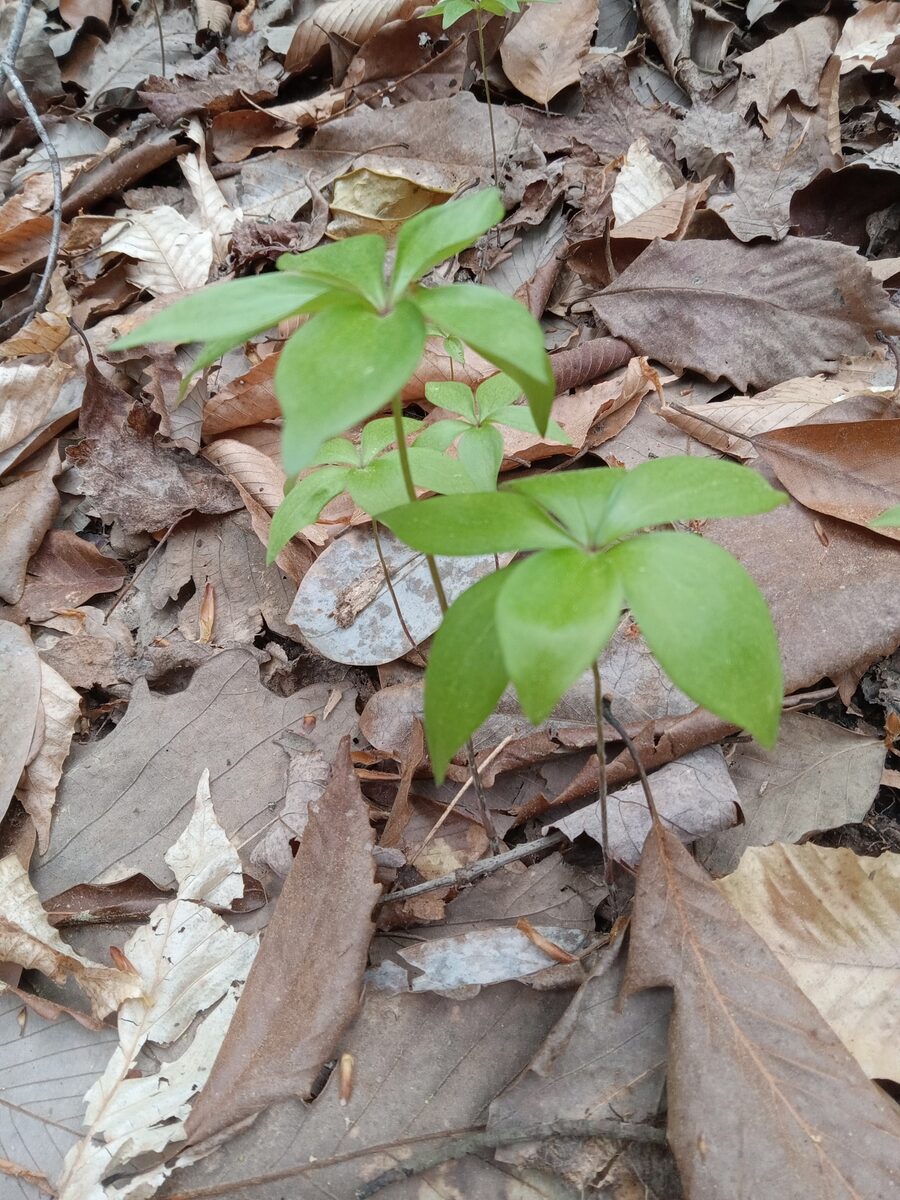
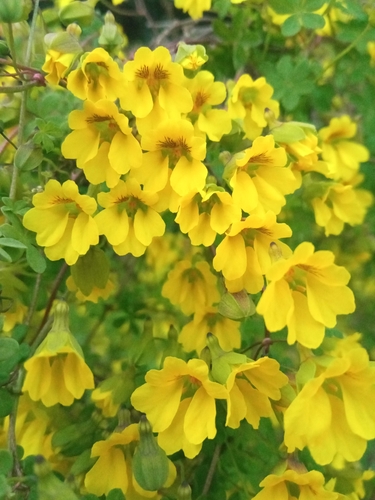
Herbaceous plants with peppery edible leaves and flowers; includes garden nasturtium.
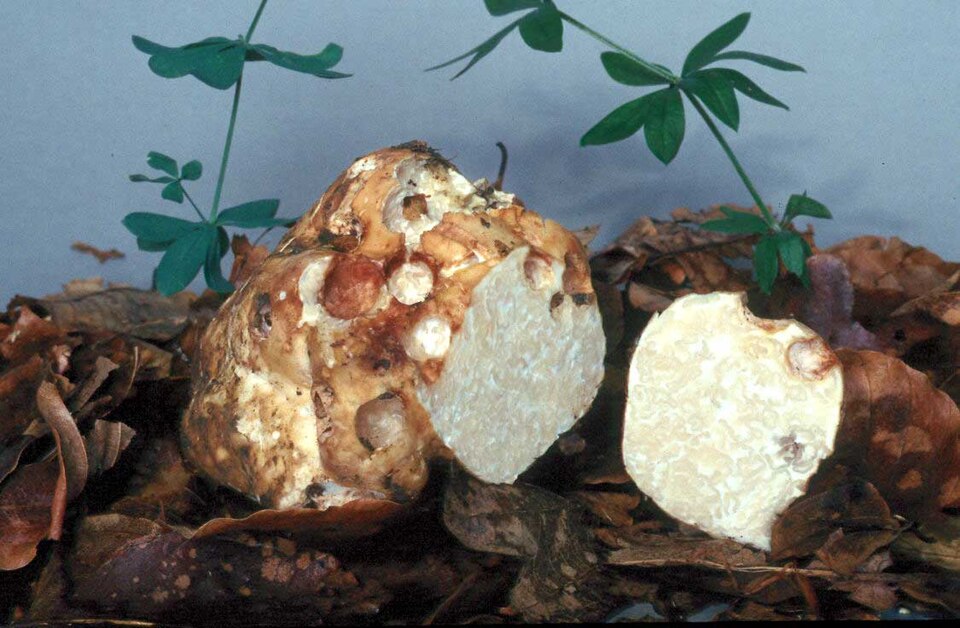
Truffles producing highly prized, fragrant underground fruiting bodies valued in cuisine.
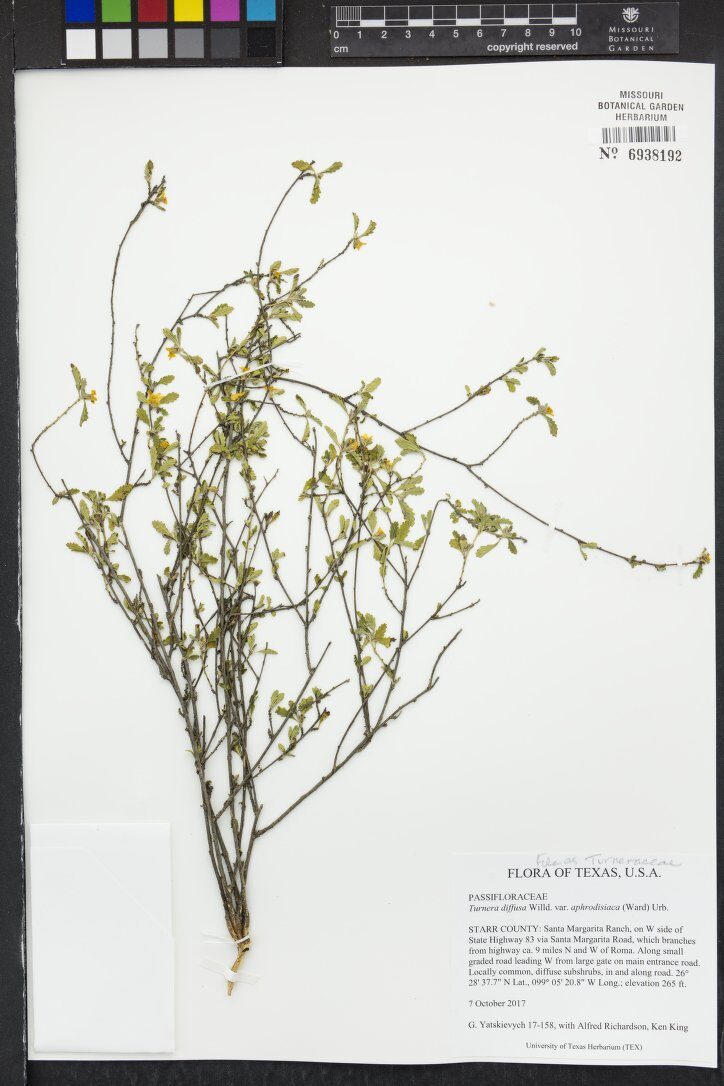
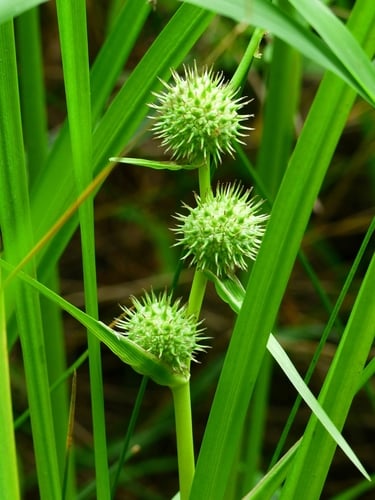
Wetland plants including cattails with cylindrical brown seed heads and edible rhizomes.
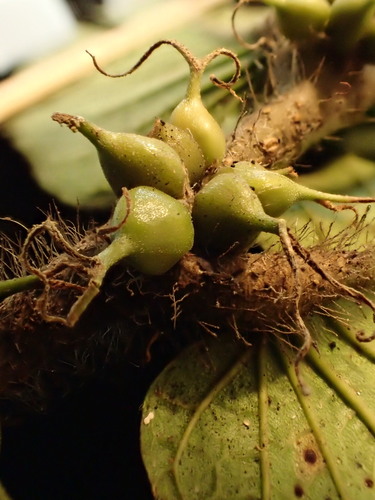
Trees including elms and hackberries; adaptable hardwoods with small flowers.
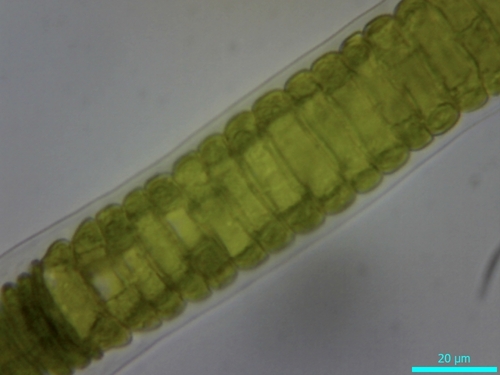
Green algae forming unbranched filaments in freshwater and marine environments.
Green algae including sea lettuce, edible seaweed found in coastal waters.
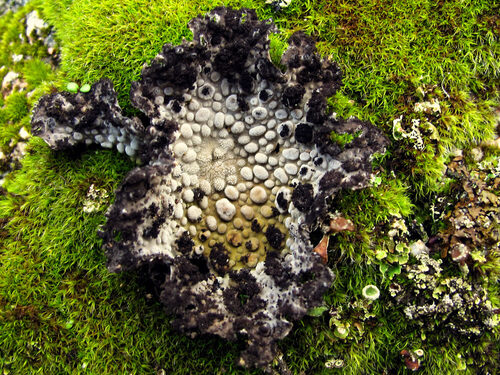
Rock lichens with distinctive disc-like thalli, some species traditionally eaten.
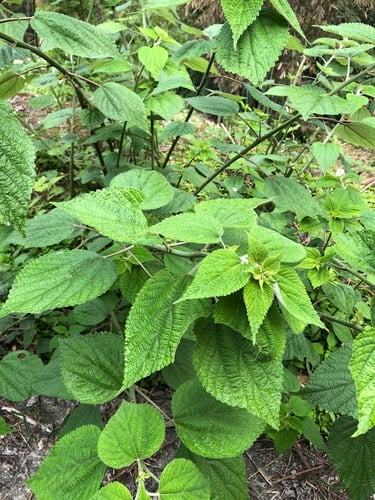
Family of herbaceous plants and shrubs including nettles; some species edible when cooked to remove stinging hairs.
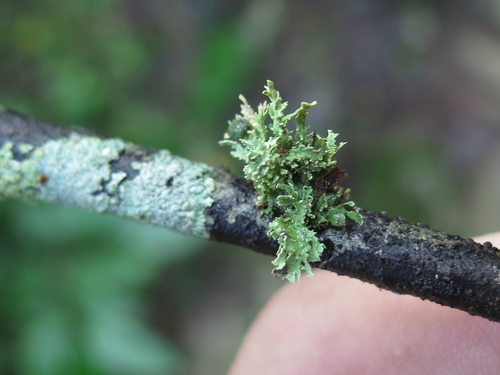
Lichen family producing fruticose forms; not typically consumed but used medicinally in traditional practices.
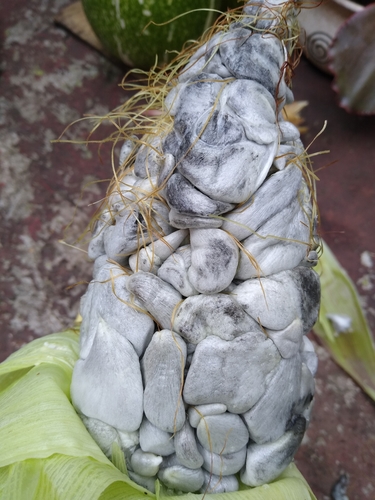
Fungal family causing smut diseases on grains; some species historically harvested as food delicacy.
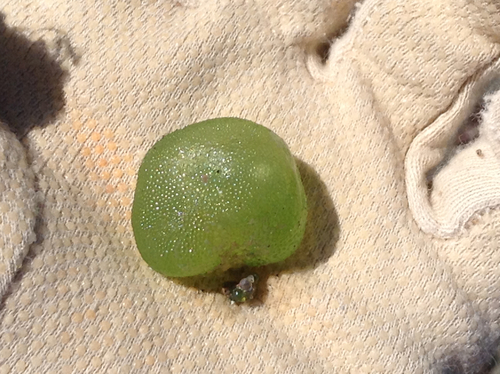
Marine green algae family; limited culinary use but studied for nutritional potential.
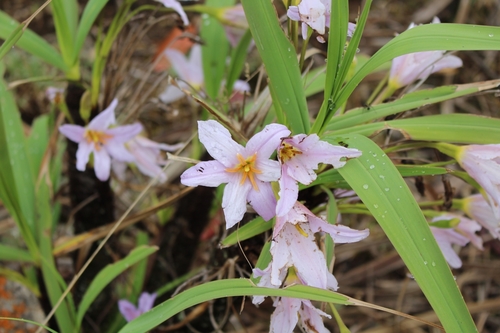
Drought-resistant plants from Africa and South America; rarely cultivated or consumed.
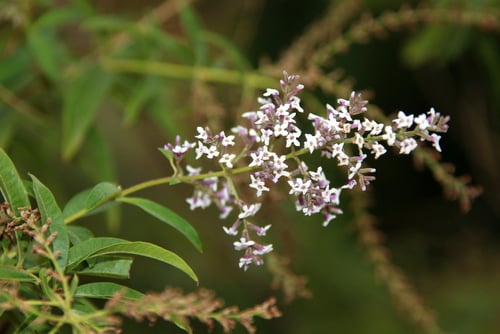
Herbaceous family including lemon verbena and vervain; valued for herbal teas and flavoring.
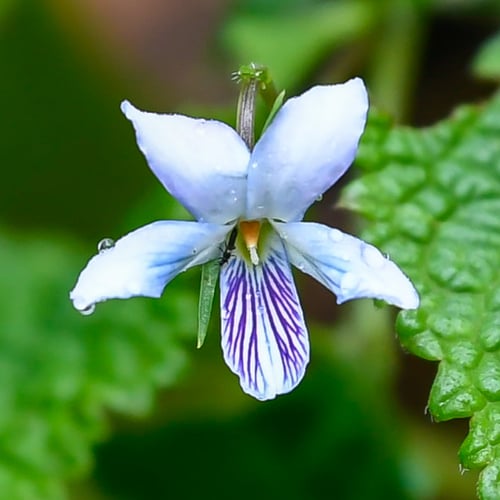
Includes violets and pansies; flowers edible with mild flavor, used for garnish and candying.
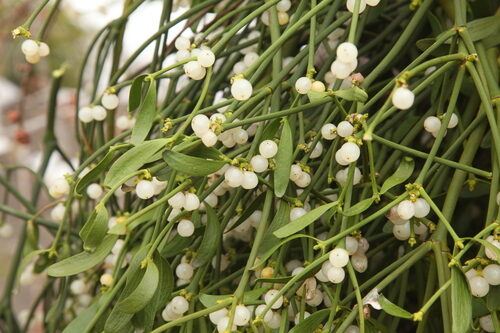
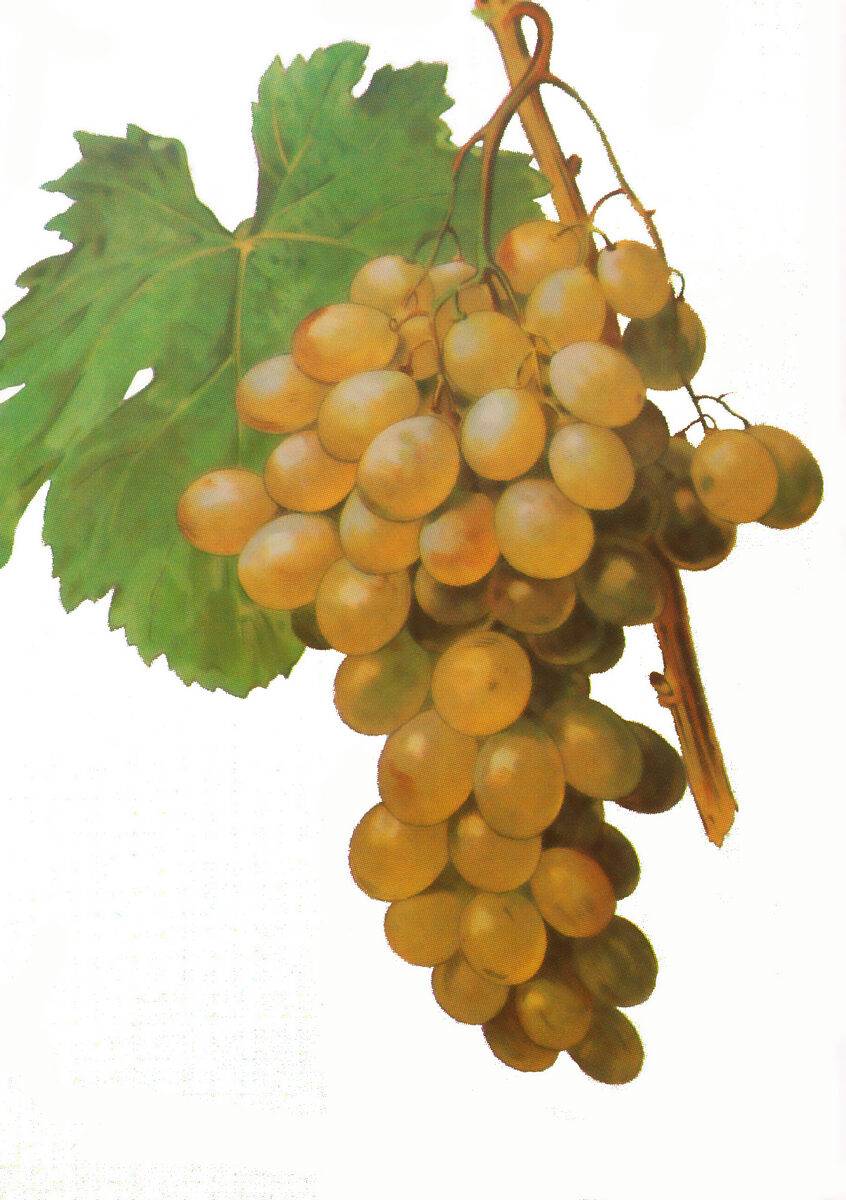
Grapevines and relatives; grapes are major fruit crop, leaves used in Mediterranean cuisines.
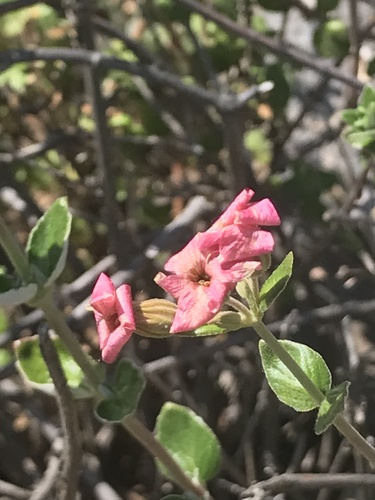
Small South American plant family; no significant culinary or economic importance.
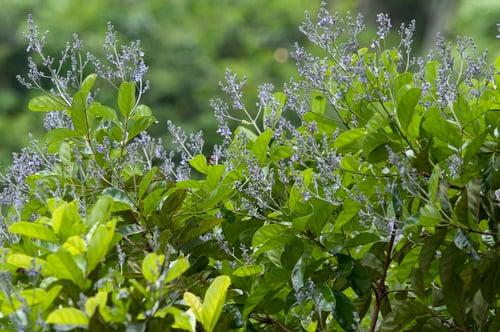
Tropical trees from South America; limited use, some species produce useful timber.
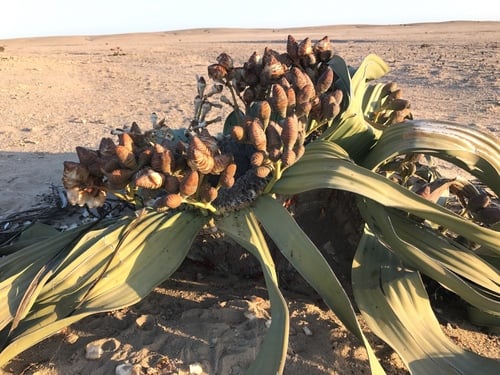
Monotypic family of desert plant; rarely used, primarily botanical curiosity with no edible value.
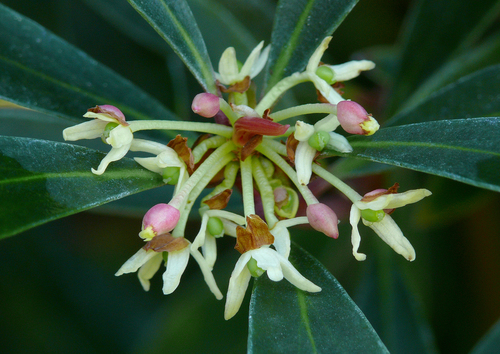
Ancient flowering plant family; some species used medicinally, no major culinary applications.
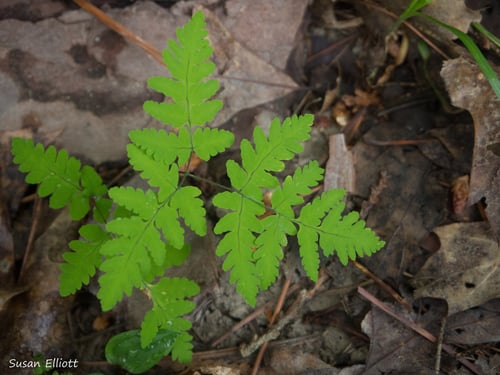
Fern family producing small woodland ferns; some species edible when young as fiddleheads.
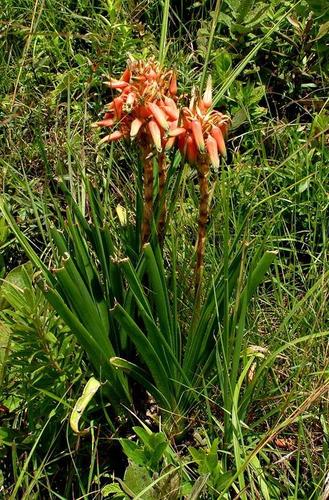
Includes grass trees and aloe relatives; some species used medicinally or ornamentally.
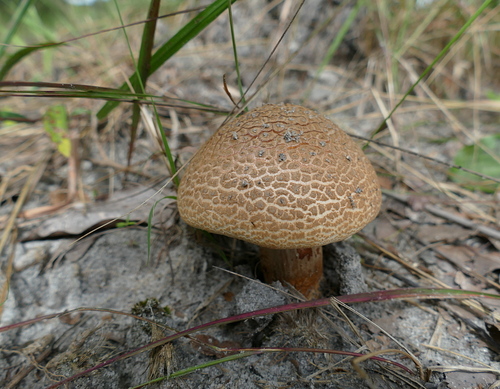
Fungal family of edible boletus mushrooms; includes prized species like porcini and cepe.
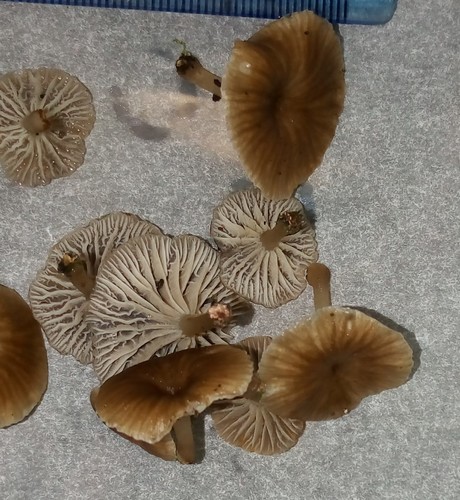
Fungal family containing small forest mushrooms; some edible species but generally not commercially important.
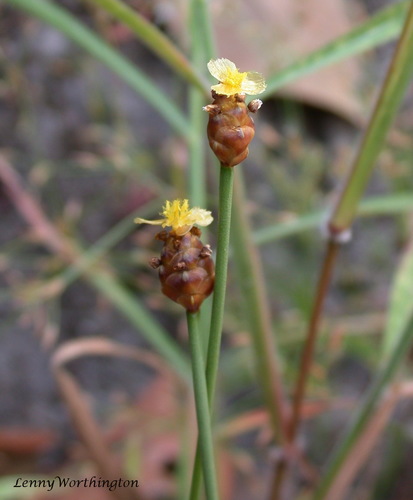
Tropical plants with grass-like foliage; no significant culinary or economic applications.
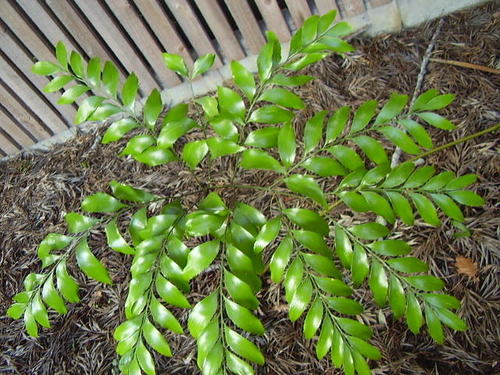
Cycads producing starch-bearing seeds; some traditionally processed for food but potentially toxic without preparation.
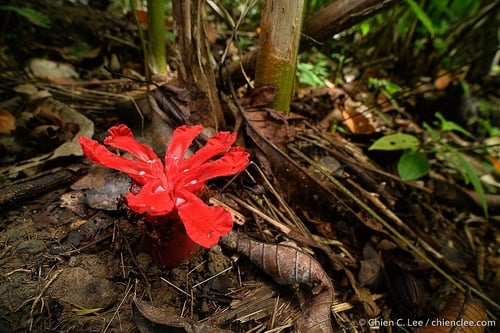
Ginger and turmeric family; economically important spices and flavoring agents worldwide.
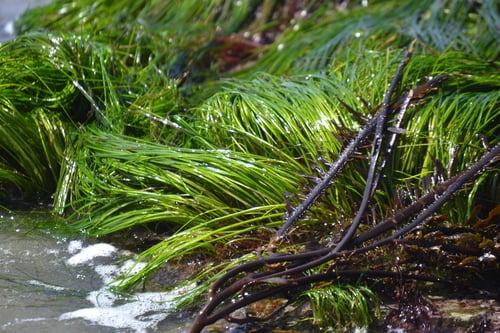
Seagrass family found in coastal marine habitats; minimal culinary use but ecologically important.
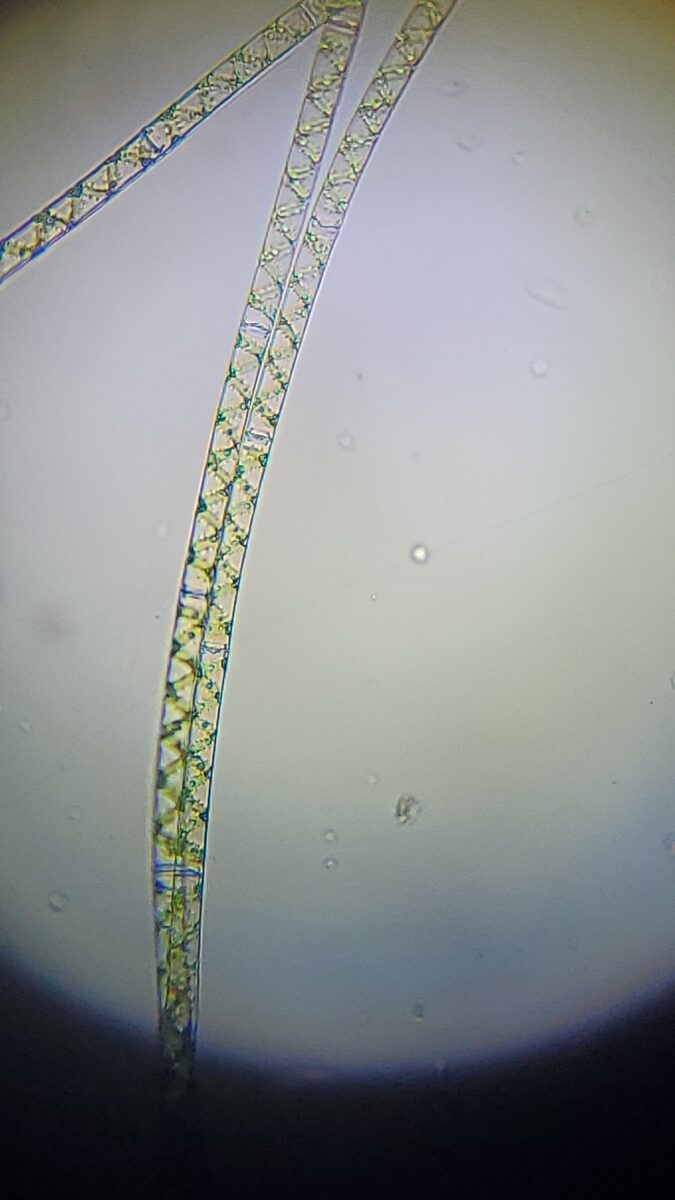
Freshwater green algae family, including conjugating algae; mostly microscopic aquatic organisms without commercial food use.
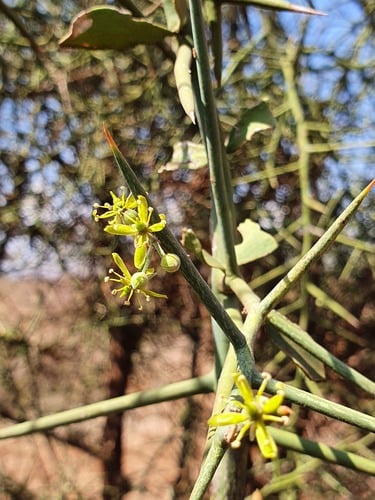
Tropical and arid plant family containing guaiacum, creosote bush, and caltrop; few edible members of note.