Plant Families
569 families with edible plants · Page 8 of 12
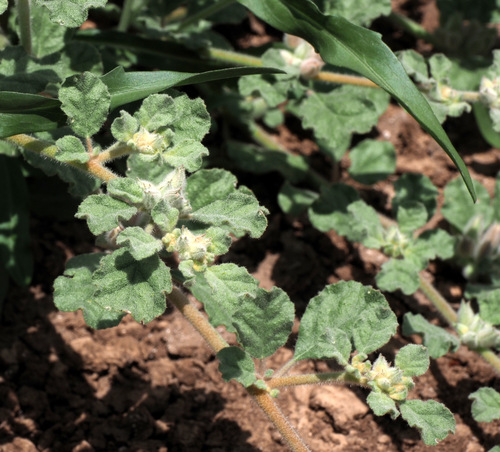
Small herbaceous plants in tropical/subtropical regions, some used as leafy vegetables in Asian cuisines.
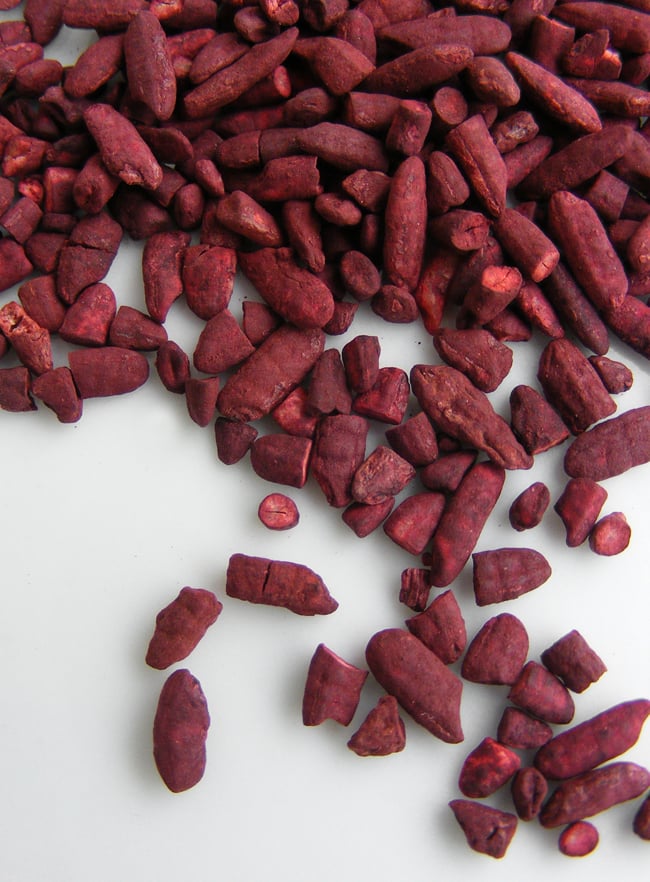
Fungi producing monacolin compounds; used in fermented foods and traditional medicine.
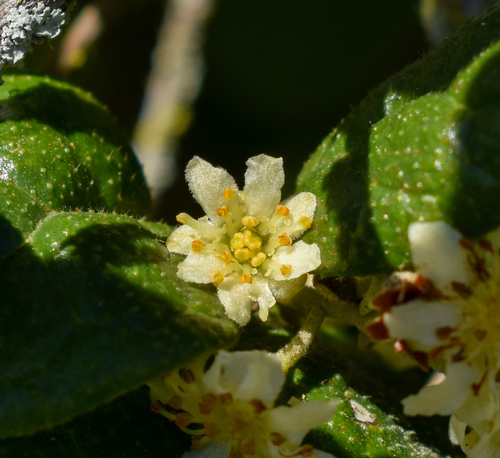
Tropical woody plants with aromatic leaves; includes species with culinary or medicinal uses.
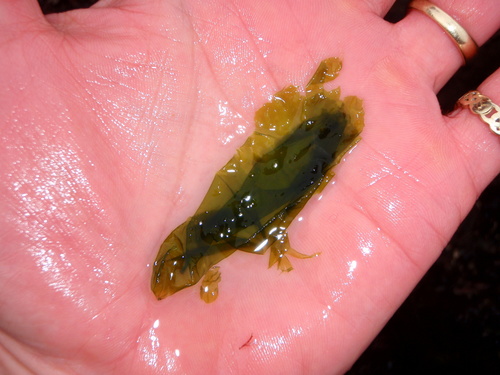
Marine green algae; simple seaweed species with minimal commercial significance.
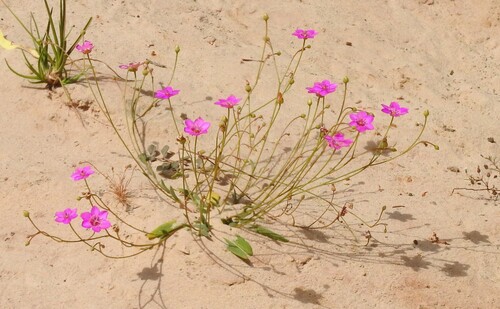
Small succulent herbs including spring beauty; minor edible tubers in some cultures.
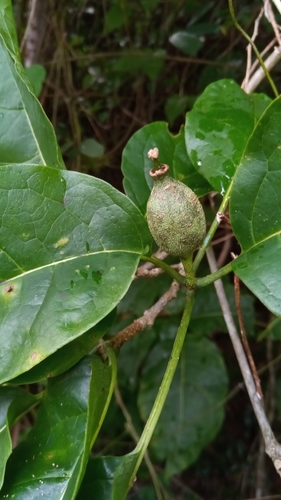
Tropical African shrubs and trees; limited economic importance.
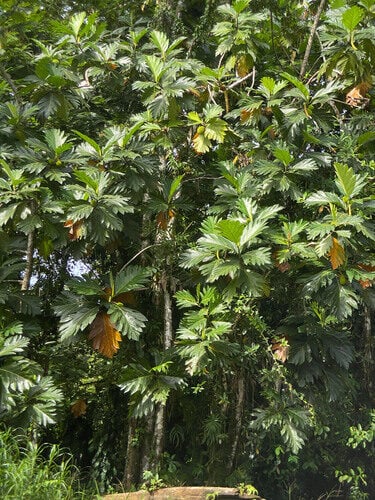
Includes figs, mulberries, breadfruit, and jackfruit; important tropical fruits and timber trees.
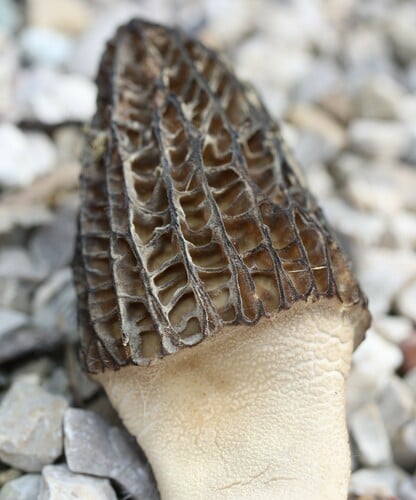
True morel mushrooms; highly prized edible fungi with distinctive honeycomb caps.
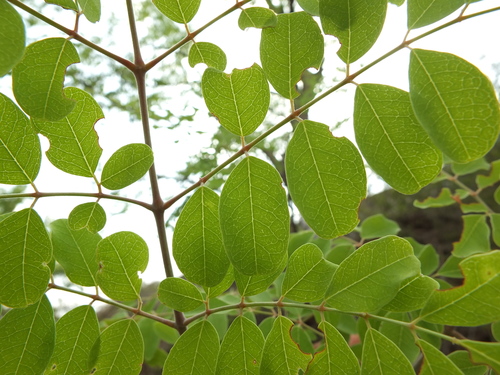
Drumstick/moringa tree; highly nutritious leafy vegetable and seeds used in tropical regions.
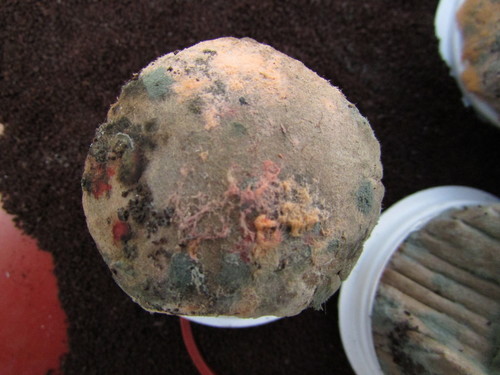
Fungal family with cellulose-degrading molds; mostly decomposers with limited practical use.
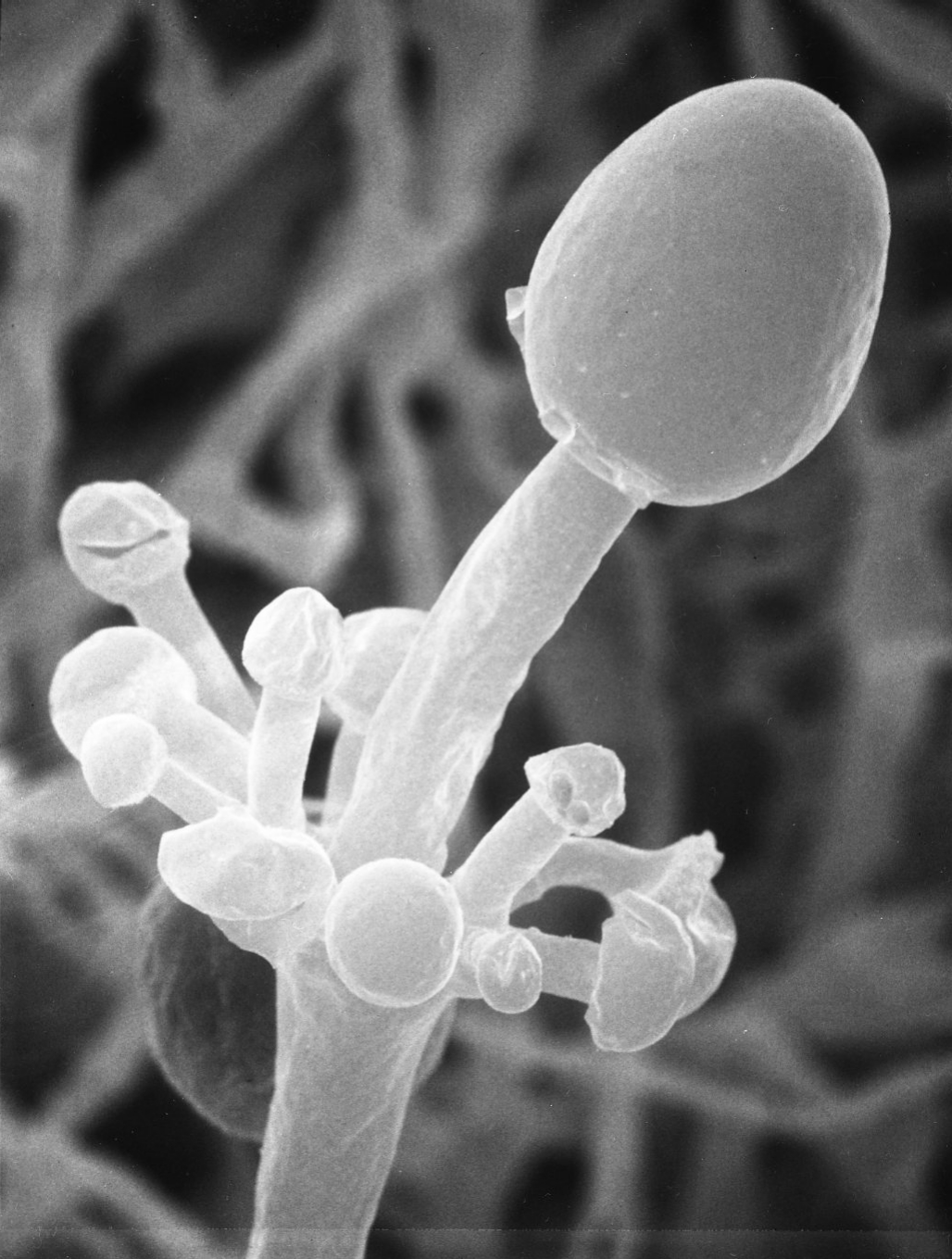
Fast-growing molds including bread molds; used in fermented foods and bioproduction.
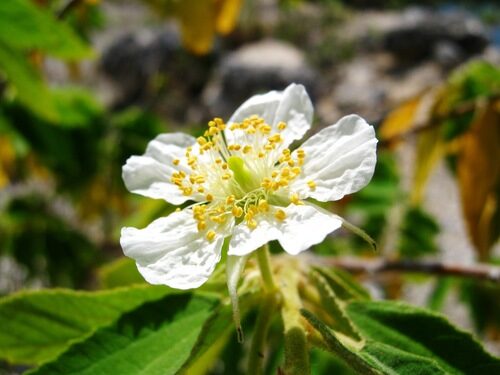
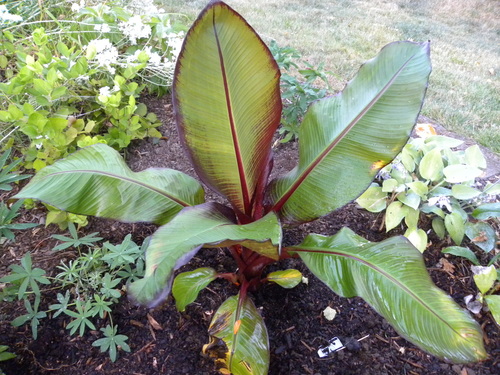
Banana and plantain family; globally important staple fruits and carbohydrate sources.
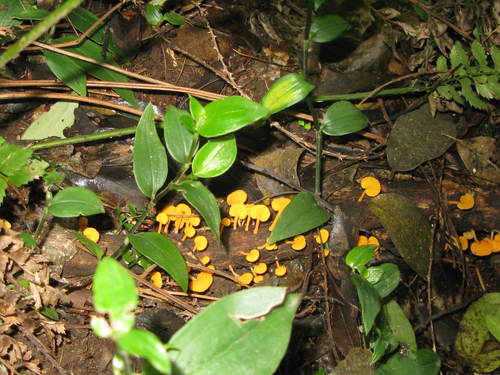
Small delicate mushrooms; some edible species but many toxic look-alikes.
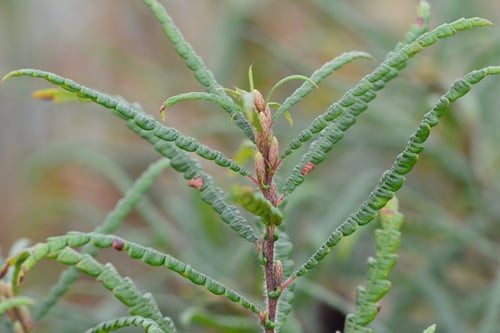
Aromatic shrubs including bayberry and waxmyrtle; used for wax and seasonings.
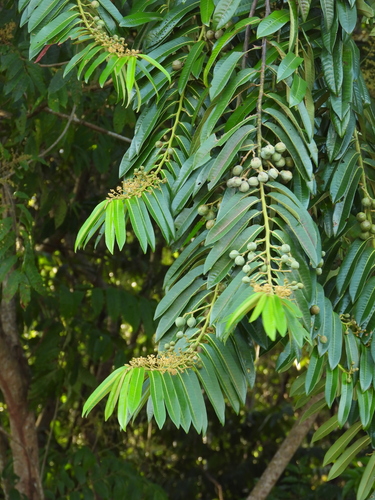
Nutmeg and mace family; valuable warm spice from tropical seed coverings.
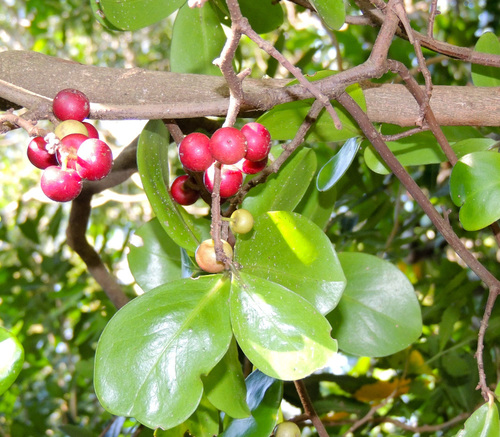
Tropical and subtropical shrubs; includes some plants with edible berries.
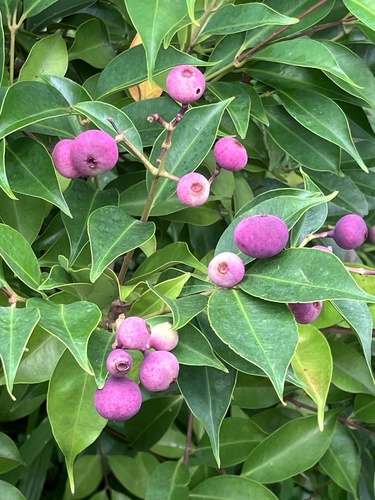
Eucalyptus, guava, myrtle; includes berries, spices, and essential oil sources.

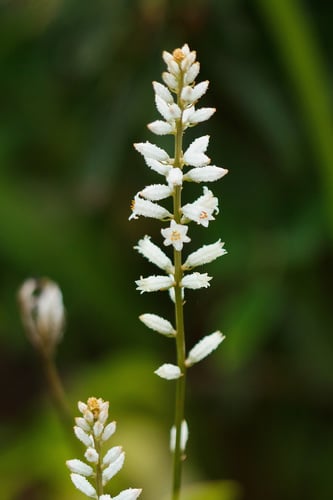
Bog plants with modest flowers; no significant culinary or commercial importance.
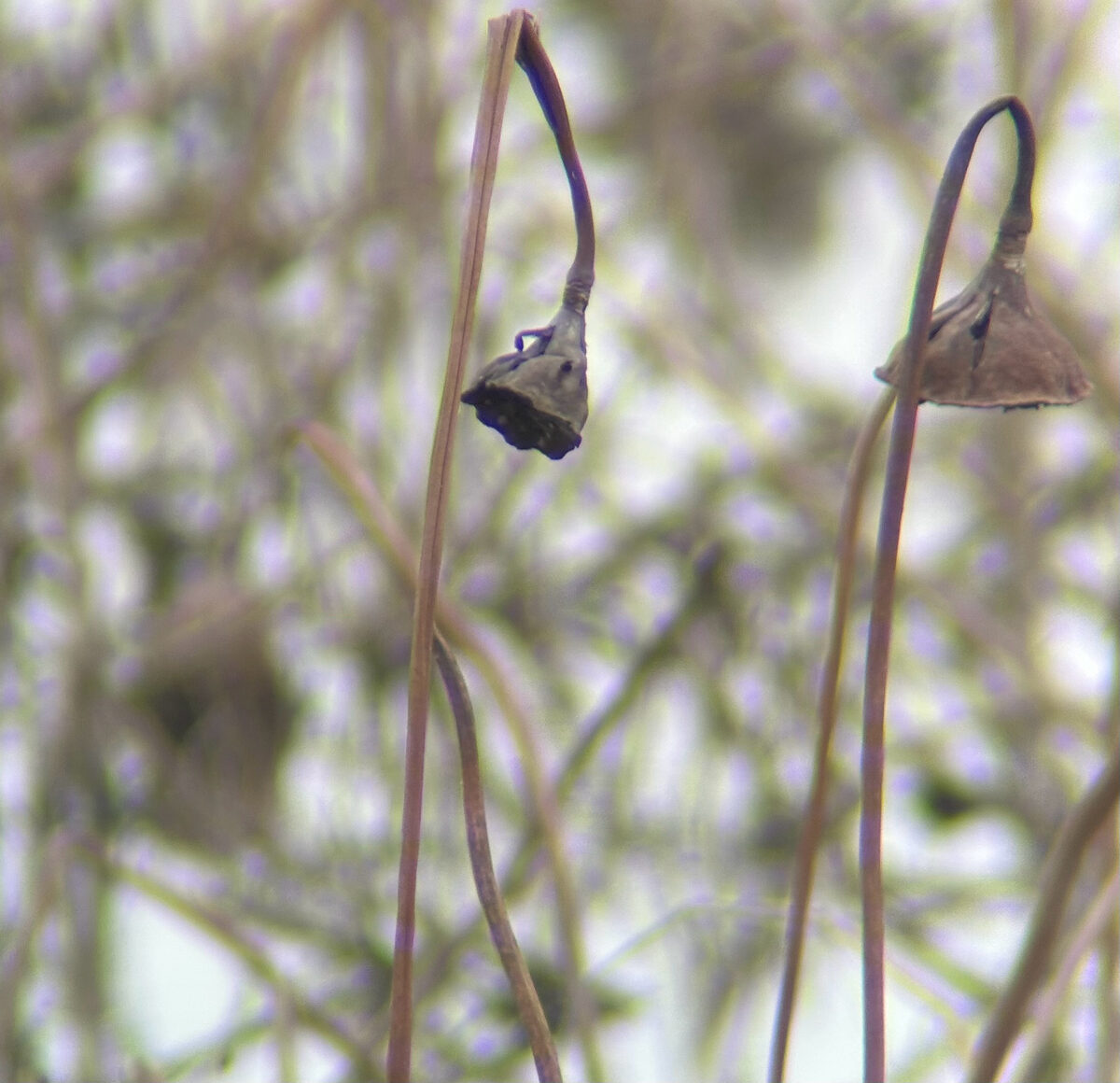
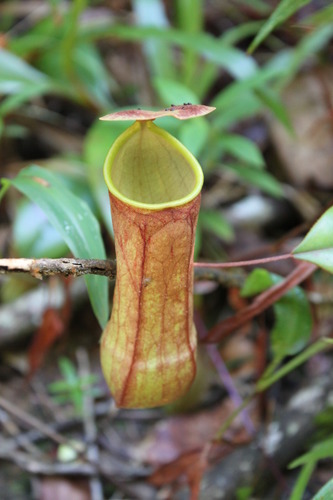
Tropical carnivorous pitcher plants; ornamental species with no edible use.
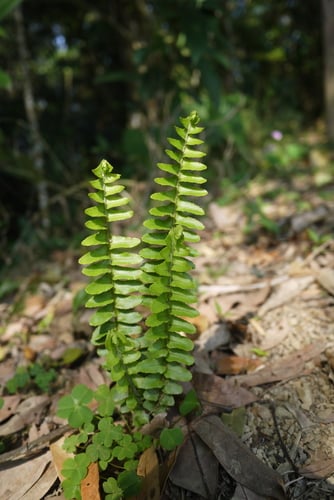
Sword ferns; common ornamental houseplants with no culinary significance.
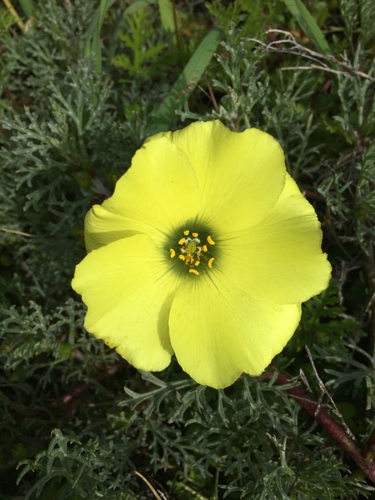
Small herb family found in arid regions; contains low-growing plants with minimal economic importance.
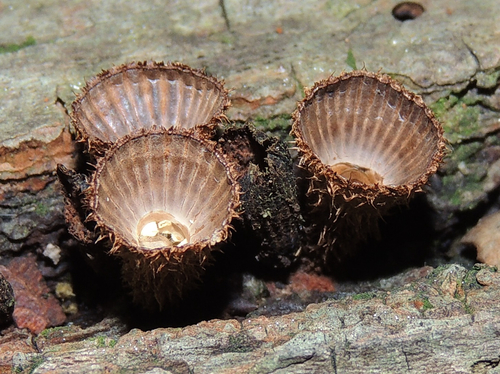
Fungal family of tiny "bird's nest" fungi with cup-shaped fruiting bodies.
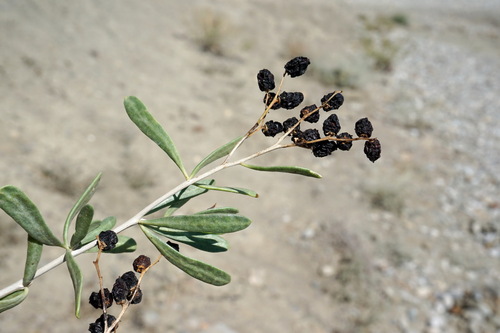
Small shrub family from arid regions; contains salt-tolerant plants with minor edible fruits.
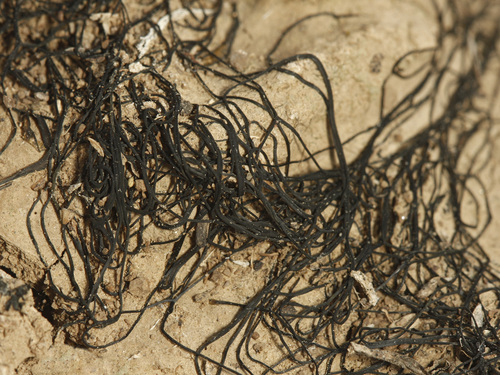
Cyanobacteria family forming gelatinous colonies; includes edible spirulina-related organisms.
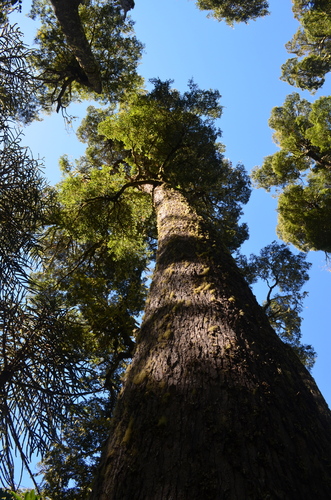
Southern beech trees from Southern Hemisphere; produces small edible nuts.
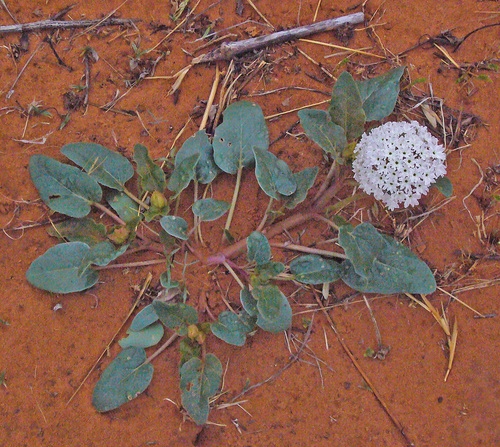
Four o'clock family; ornamental herbs and shrubs with showy flowers and edible roots in some species.
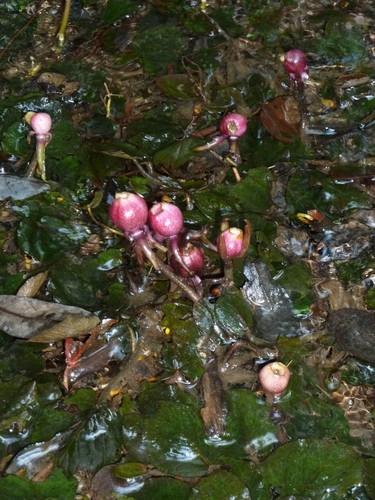
Water lily family; aquatic plants with large floating leaves and edible rhizomes/seeds.

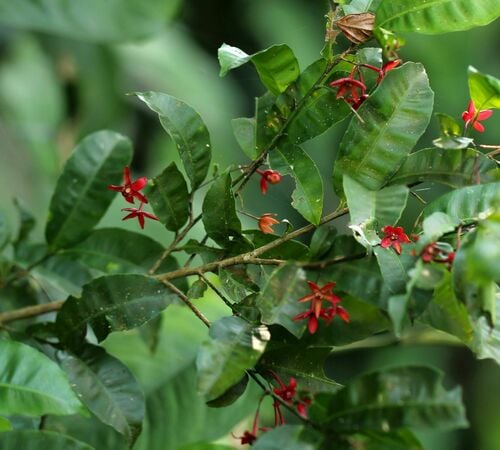
Tropical family including Mickey Mouse plant; ornamental shrubs with colorful fruits.
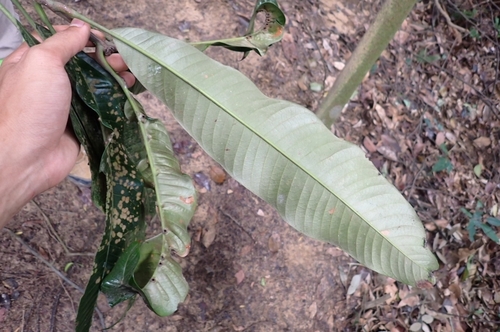
Tropical tree family with small flowers; includes some species with edible fruits.
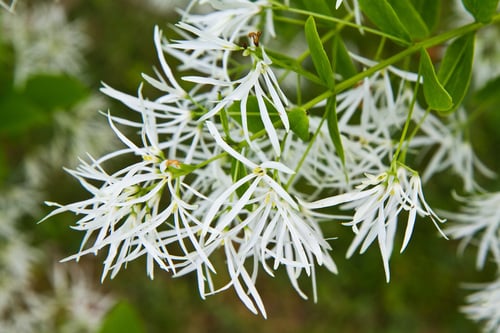
Ash, olive, and lilac family; includes olives, jasmine, and valuable timber trees.
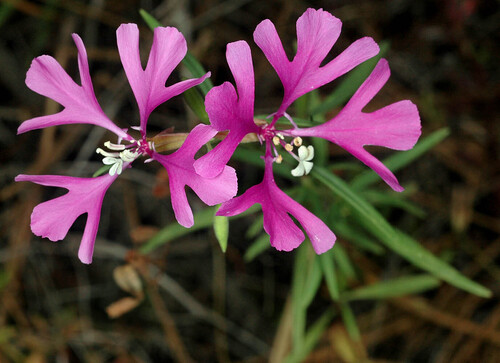
Evening primrose family; includes edible plants like evening primrose oil and berries.
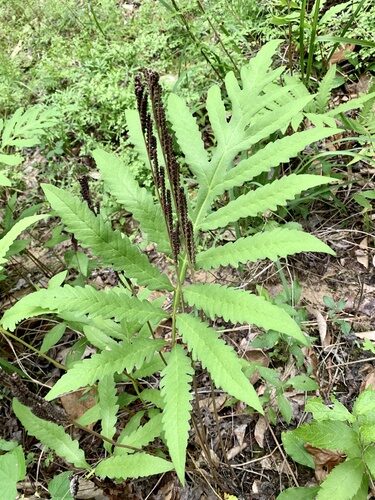
Small fern family with sensitive fern; includes some edible fiddleheads.
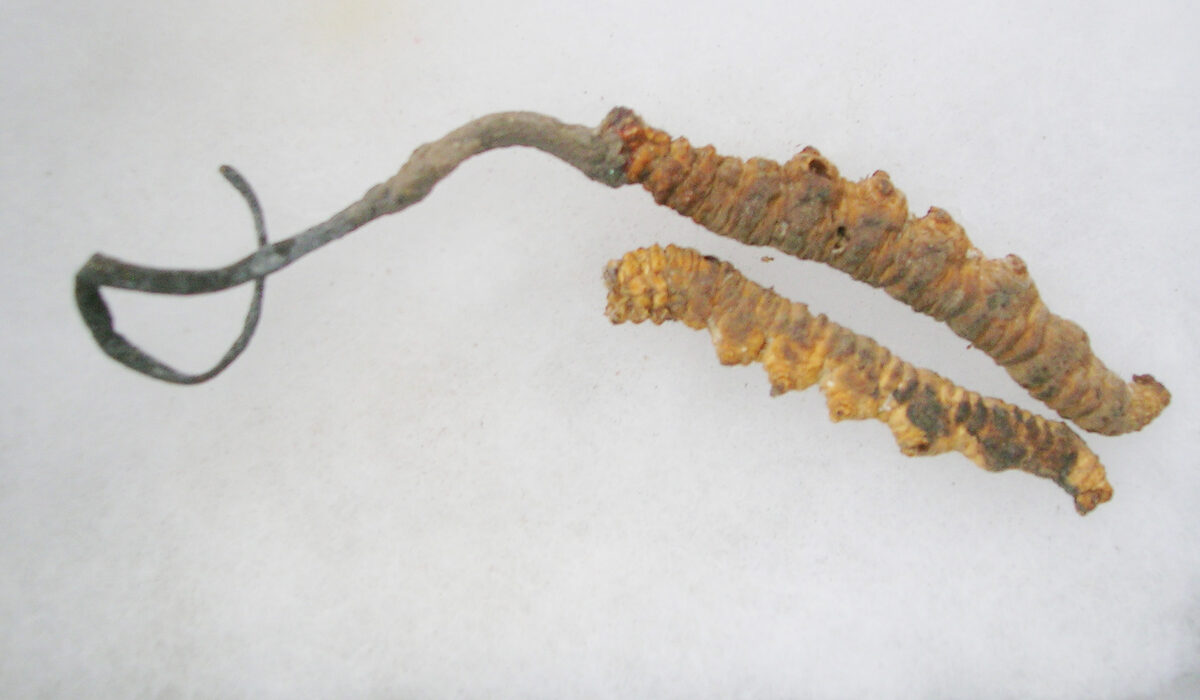
Fungal family of cordyceps; includes insect-parasitic fungi used in traditional medicine.
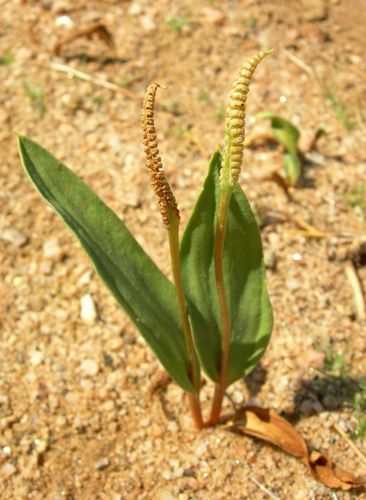
Adder's tongue fern family; small primitive ferns with simple fronds.
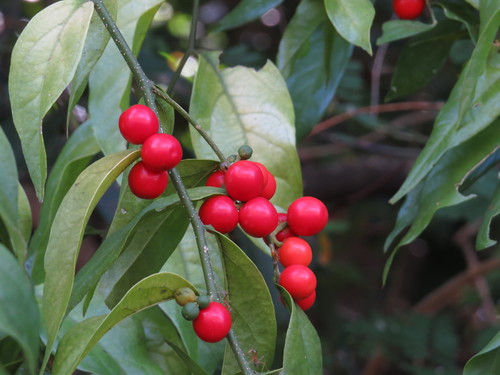
Tropical tree family with small flowers; minor edible fruits in some species.
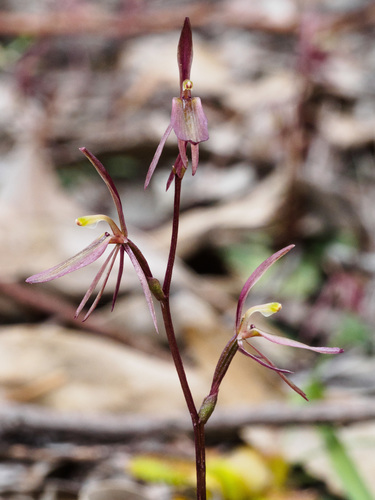
Largest flowering family with 25,000+ species; mostly ornamental; vanilla is primary edible crop.
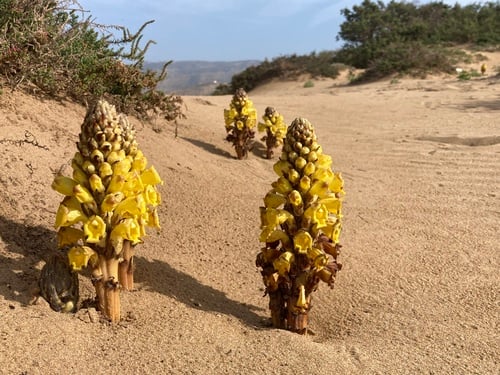
Parasitic plants including broomrape; some species edible but mostly weeds.
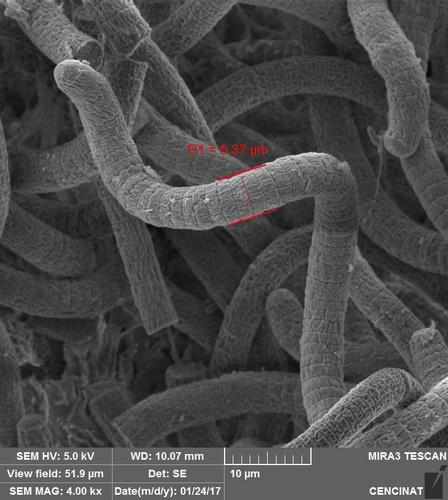
Cyanobacteria family forming filamentous mats; includes spirulina and edible algae.
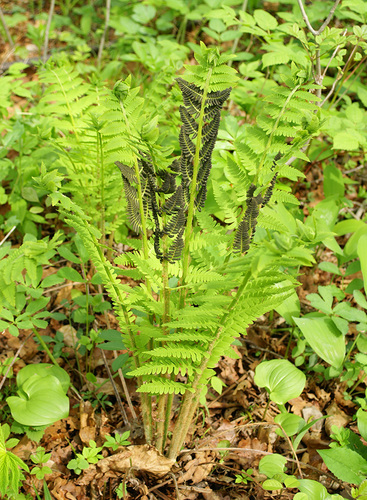
Royal fern family; large primitive ferns; fiddleheads are edible delicacy.
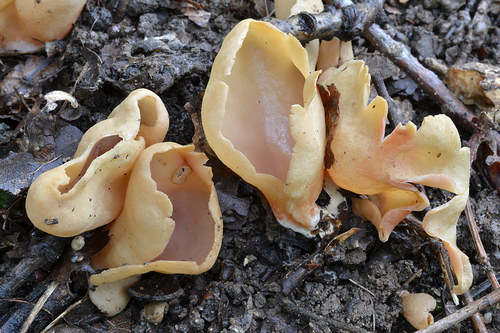
Small fungal family of cup fungi; mostly inedible and microscopically small.
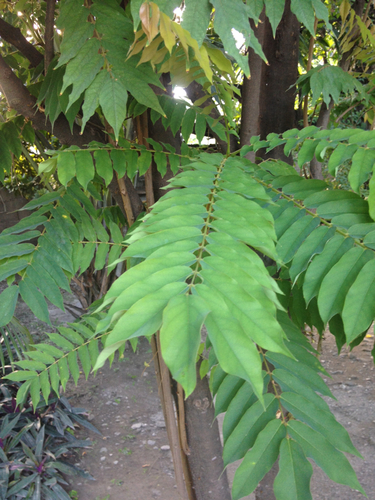
Wood sorrels and their relatives; some species edible with tart leaves, others cultivated ornamentally.
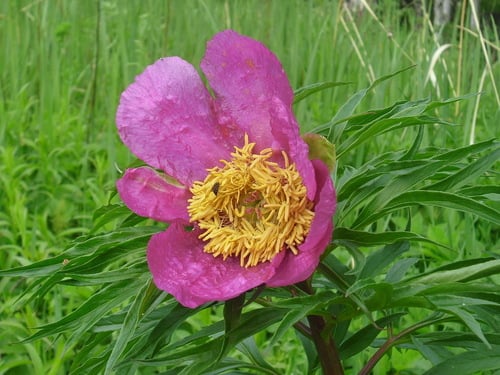
Peonies; herbaceous and woody ornamental plants prized for large, colorful flowers.
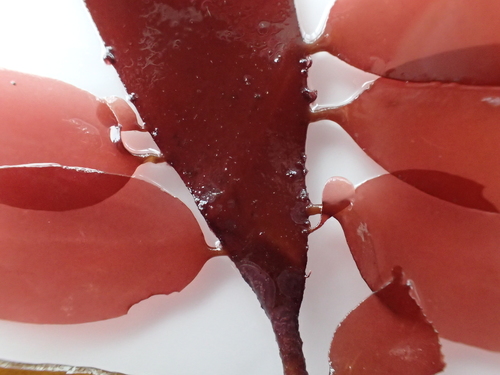
Red algae family; includes edible and commercially harvested seaweed species.
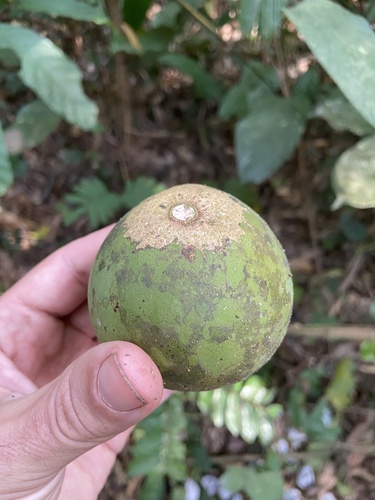
Small tropical tree family; includes plants with edible fruits and useful timber.