Plant Families
569 families with edible plants · Page 10 of 12
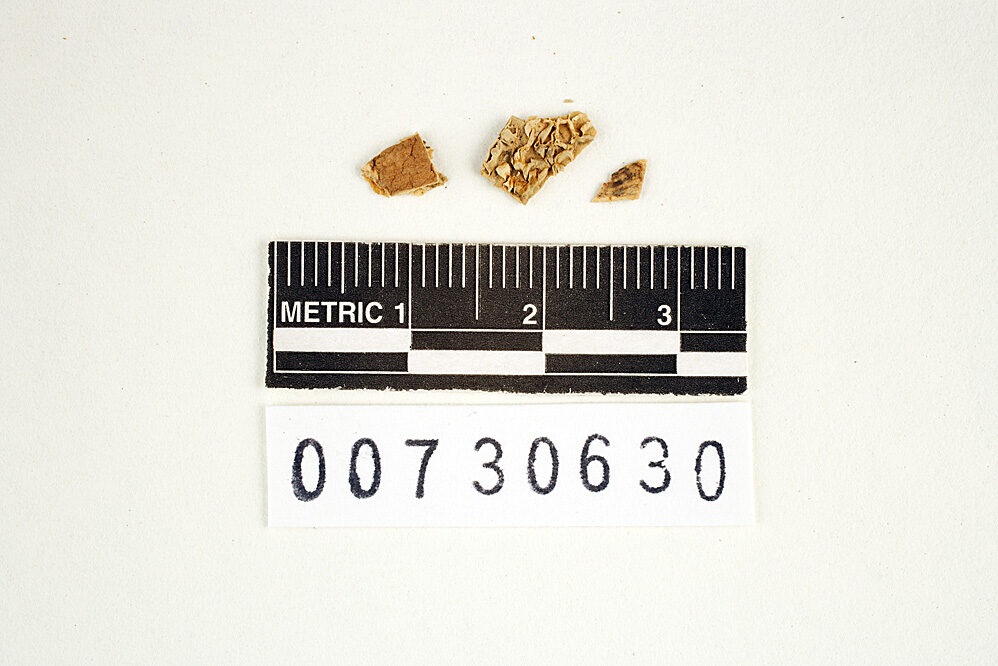
A family of shelf fungi and bracket fungi, including edible species like chicken of the woods.
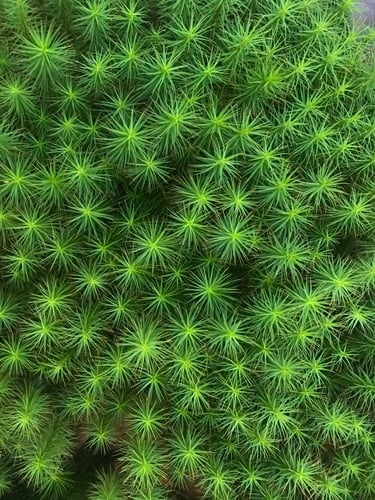
A family of mosses, including hair cap mosses, found in moist forests and acidic soils.
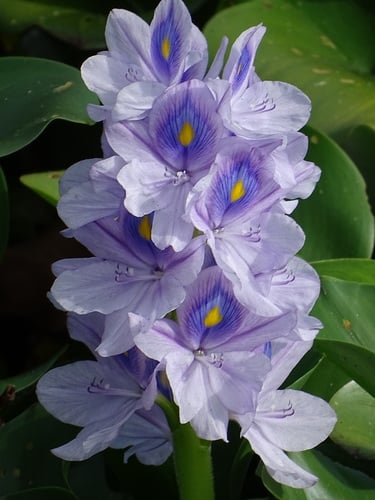
Aquatic flowering plants including water hyacinth and pickerel rush, used in ornamental water gardens.
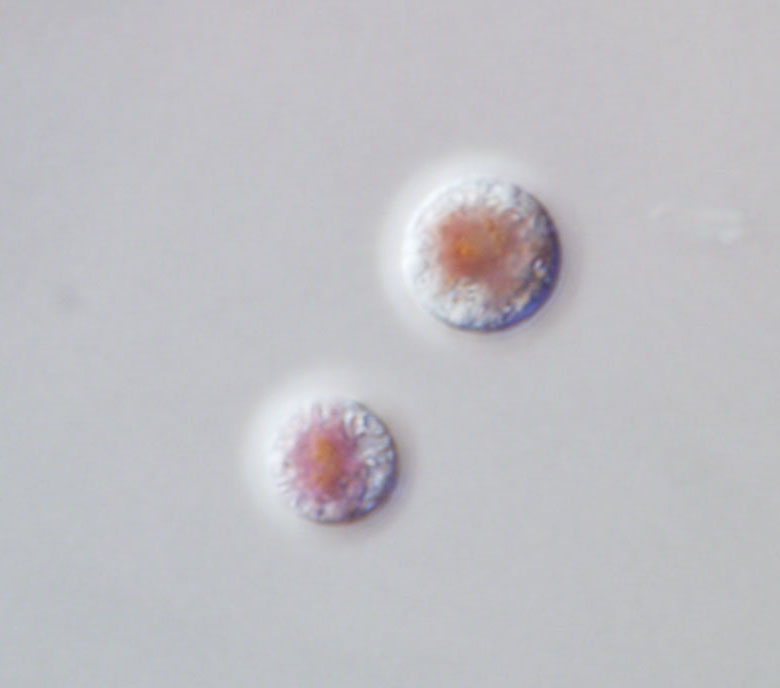
A family of red algae used in research and biotechnology, some species cultured commercially.
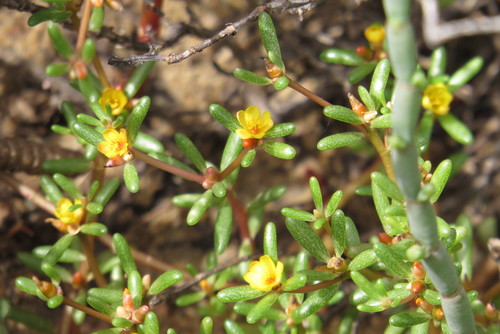
A family including purslane and miner's lettuce—succulent edible greens and ornamental flowering plants.
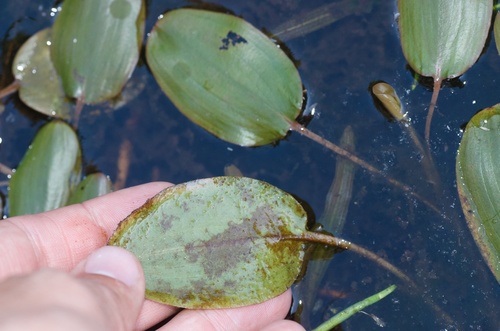
Aquatic plants including pondweeds, important for freshwater ecosystem structure and fish habitat.
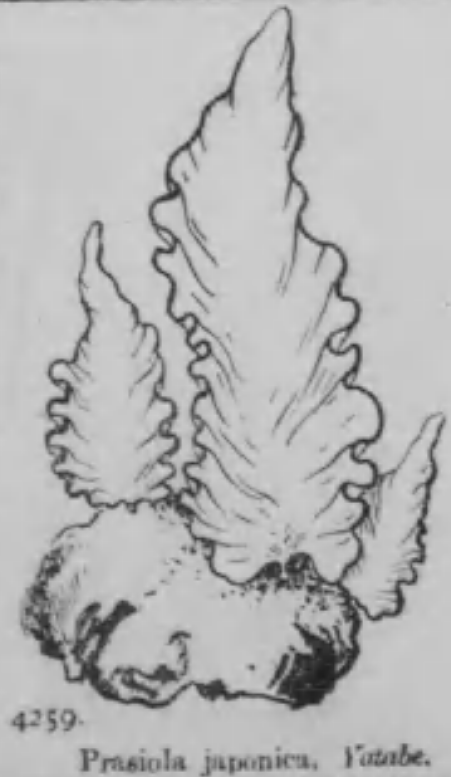
A family of green algae found in freshwater and marine environments with minimal commercial use.
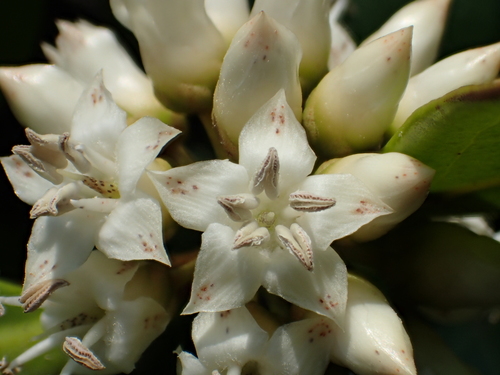
A family including primrose, cyclamen, and pimpernel, prized as decorative garden and indoor flowering plants.
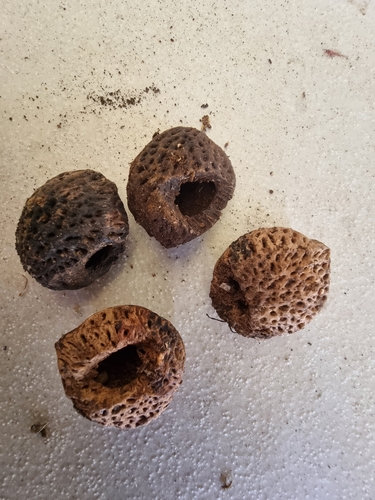
A Southern Hemisphere family including protea, macadamia nuts, and Australian native ornamental trees.
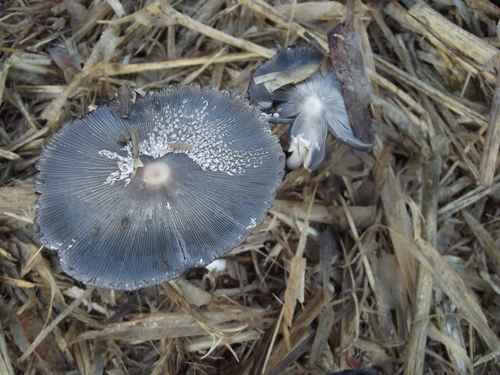
Family of small, delicate mushrooms with thin fruiting bodies, including edible species like ink caps.
Filamentous cyanobacteria family found in freshwater and marine environments, important for nitrogen fixation.
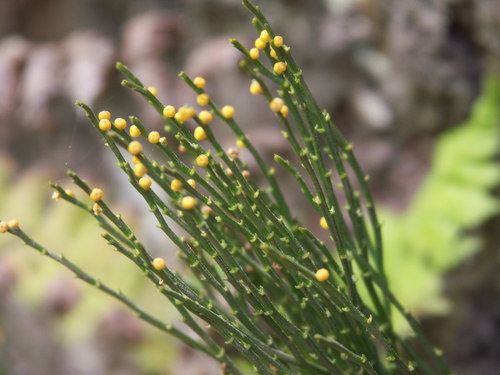
Ancient vascular plants lacking true roots and leaves, primitive ferns with whisk-like branching.
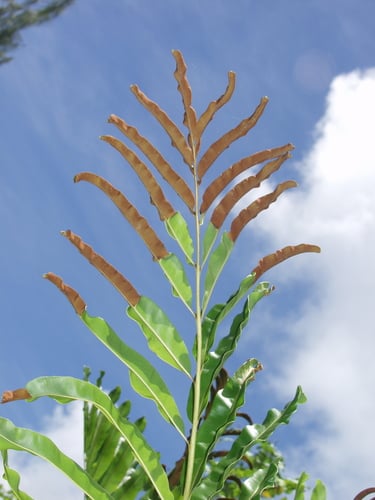
Fern family including bracken and maidenhair ferns, with fronds varying from delicate to robust.
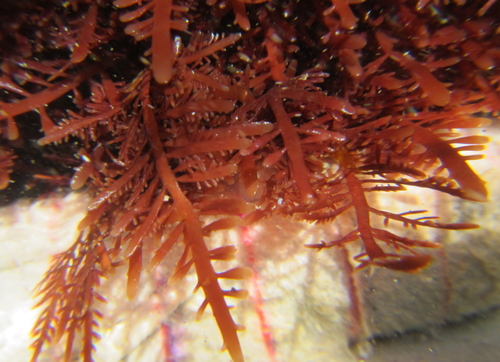
Red algae family containing gelidium species used commercially to produce agar for culinary and scientific use.
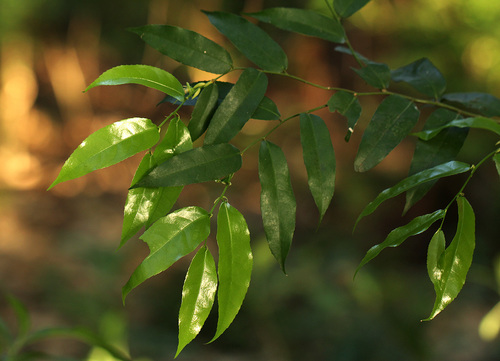
Small tropical tree family with dioecious species producing useful timber and medicinal compounds.
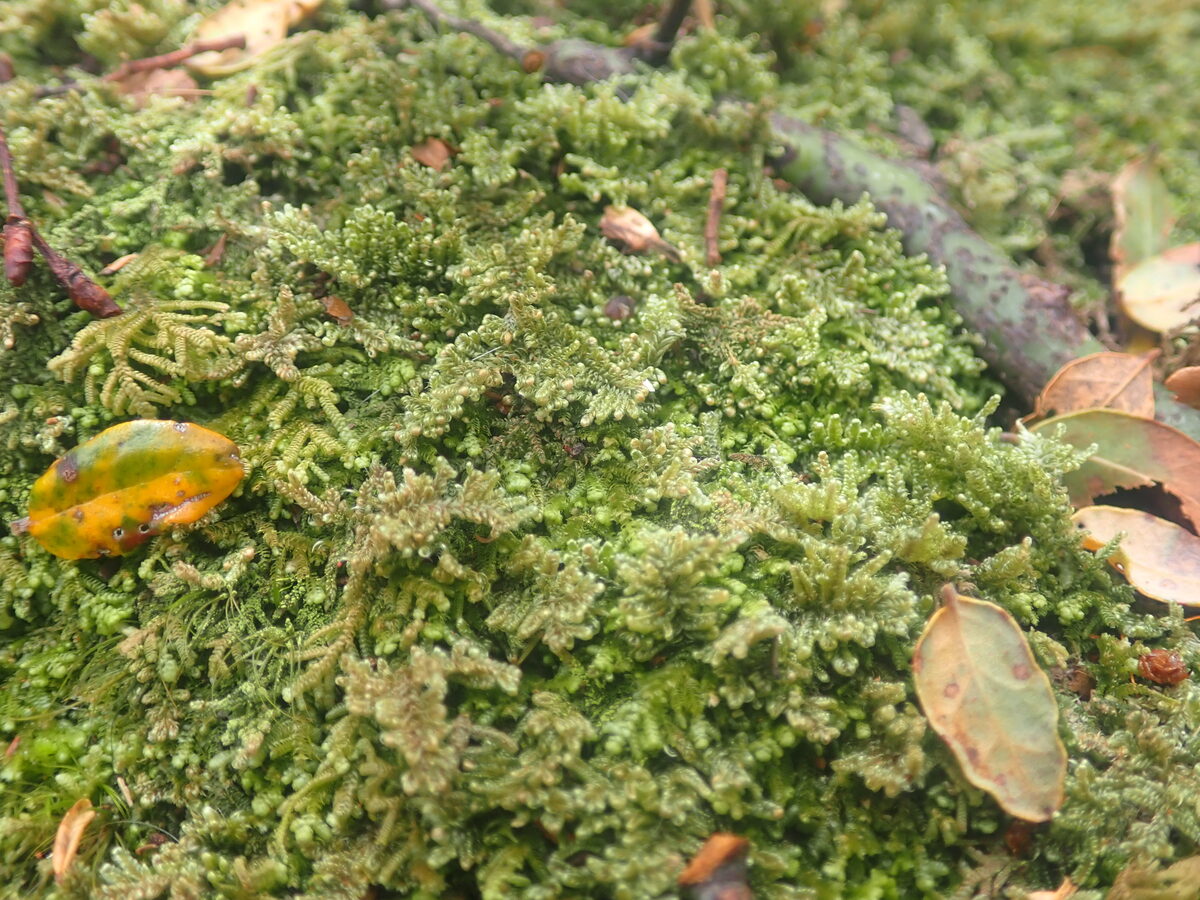
Moss family characterized by pinnately branched shoots, common in temperate forests on bark and soil.
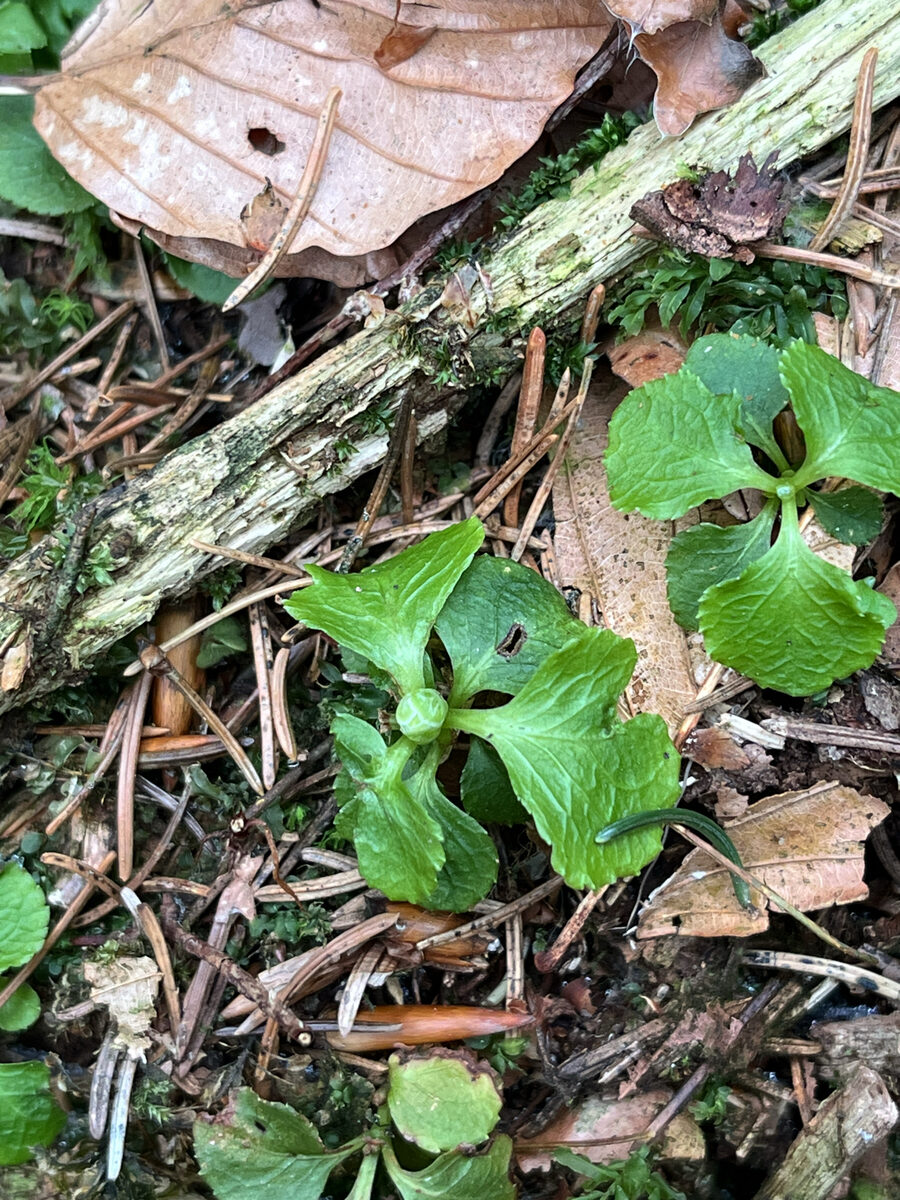
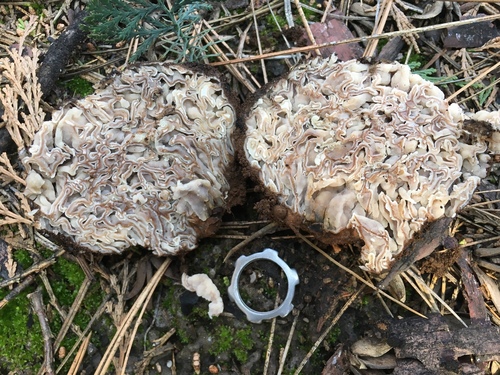
Fungal family of small cup fungi and earth-tongue species found decomposing organic matter in soil.
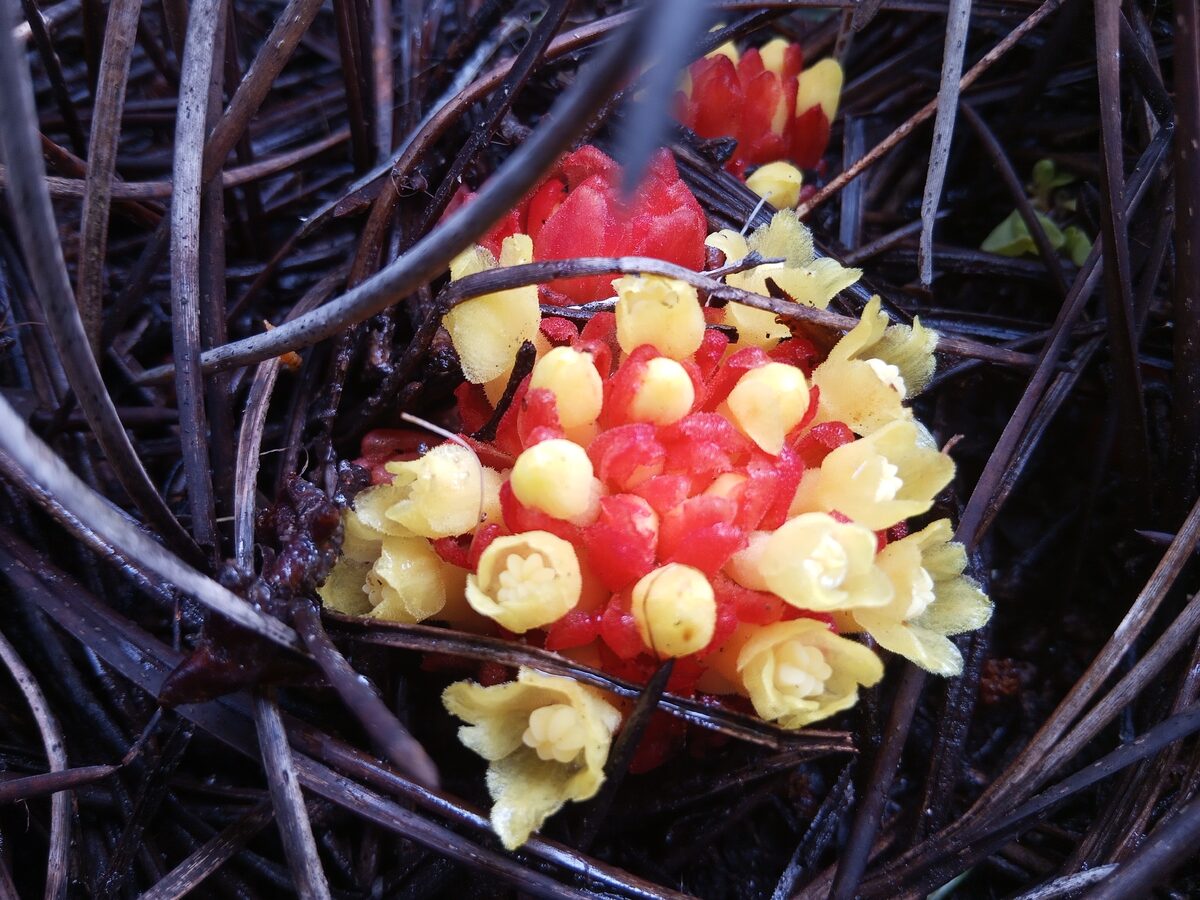
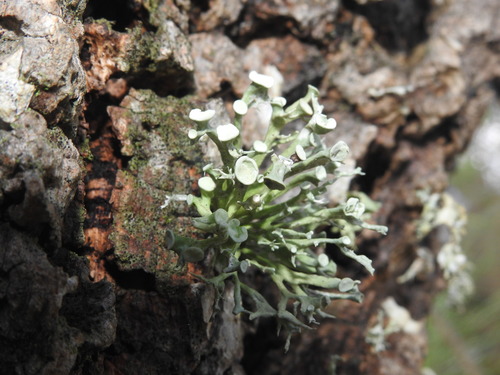
Lichen family with branched fruticose or foliose forms, commonly found on tree bark and rocks.
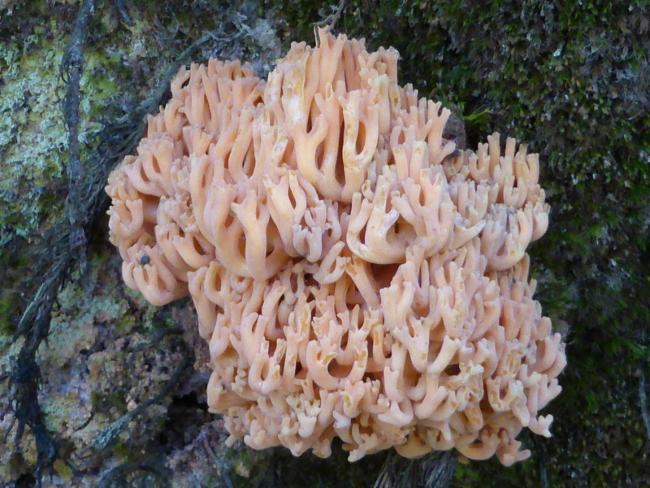
Fungal family of coral fungi and club fungi, some edible species like cauliflower mushrooms.
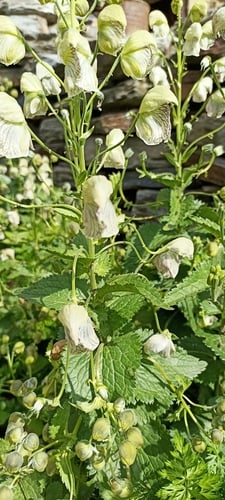
Buttercup family including diverse herbs with simple flowers; contains buttercups, anemones, and columbines.
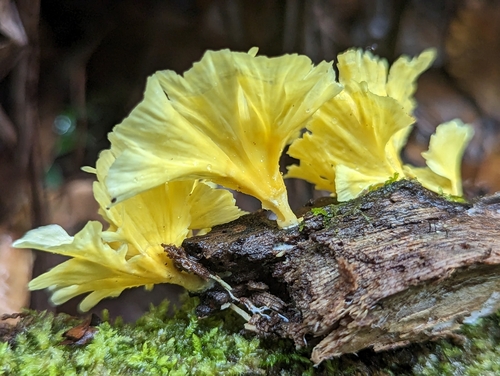
Fungal family with basidiomycete fruiting bodies, typically small wood-decaying species.
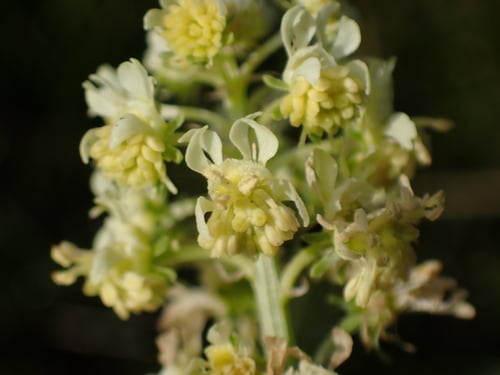
Small herb family including mignonette and weld, historically used for yellow dyes.
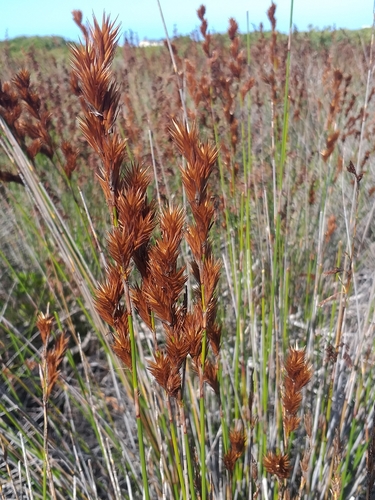
Grass-like southern hemisphere family with rush-like shoots, important in wetland ecosystems.
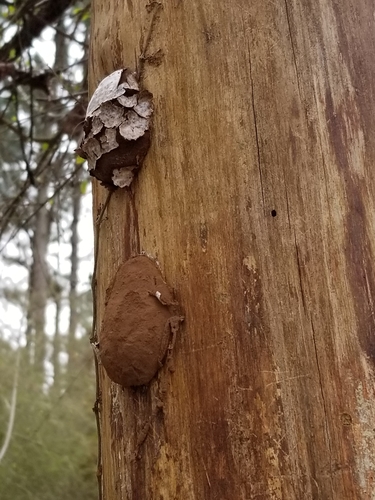
Fungal family of slime molds forming network-like plasmodia during their life cycle.
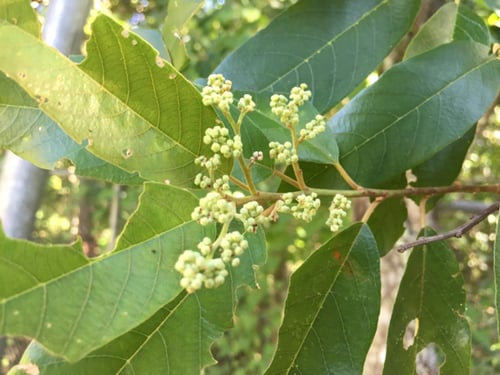
Woody plant family including buckthorn and jujube; produces edible fruits and medicinal compounds.
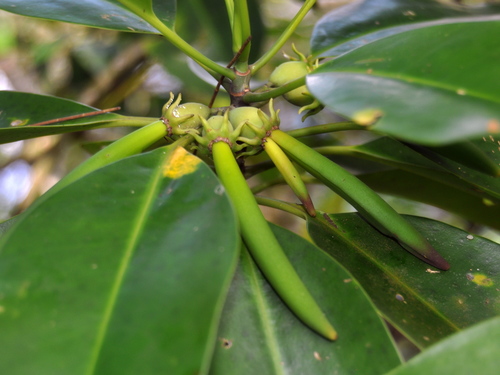
Mangrove family with salt-tolerant trees adapted to coastal environments with specialized aerial roots.
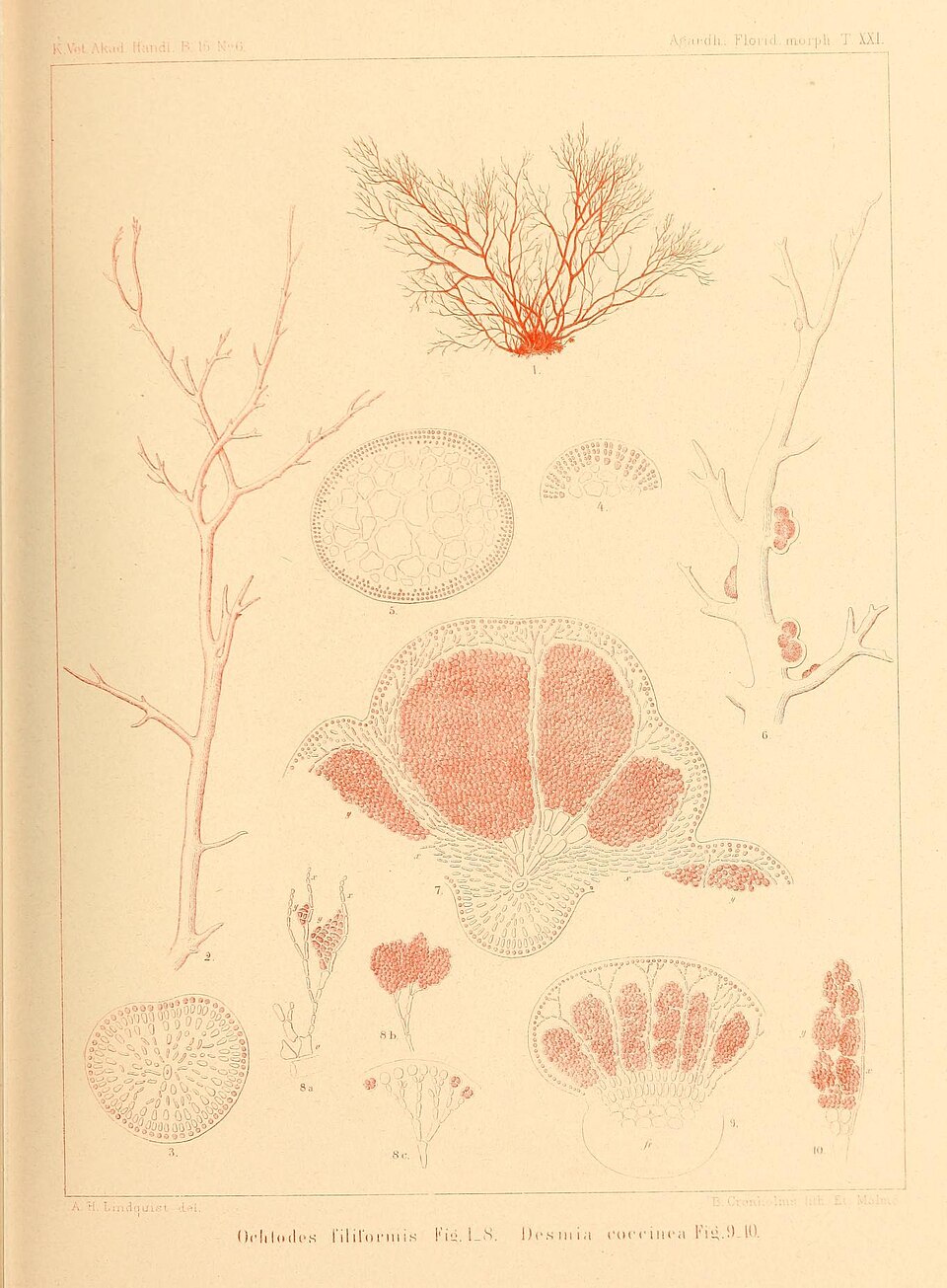
Red algae family of small marine seaweeds found primarily in tropical and subtropical waters.
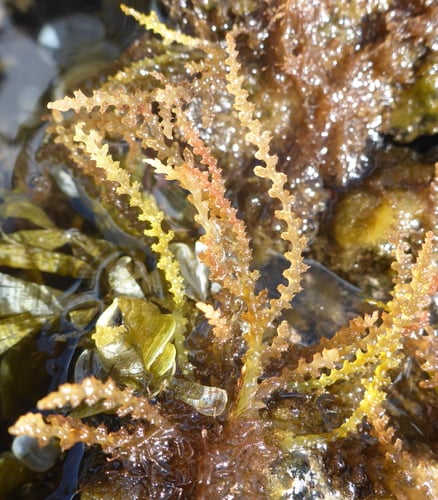
Large red algae family with complex branching patterns, includes species used in food production.
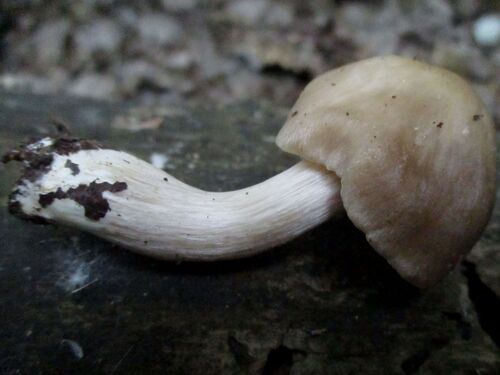
Red algae family with diverse morphologies, found in marine rocky shore and deeper water habitats.
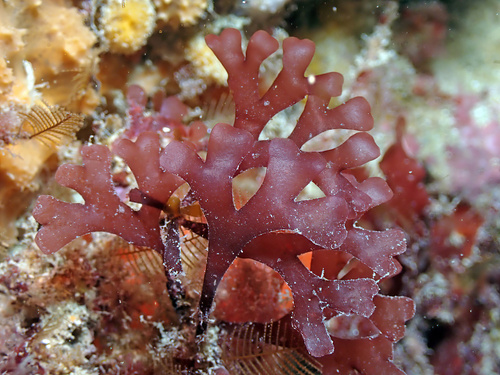
Red algae family with branched thalli; some species used in food and agar production.
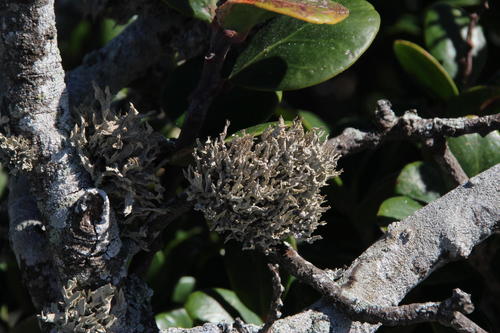
Lichen family producing usnic acid; historically important for dye production.
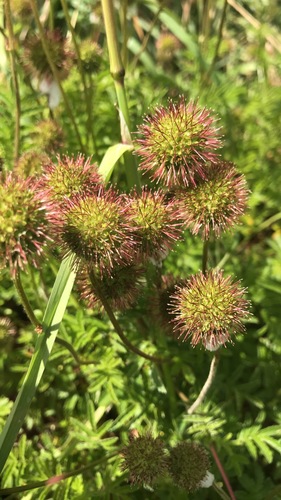
Flowering plants including apples, pears, strawberries, almonds, and roses.
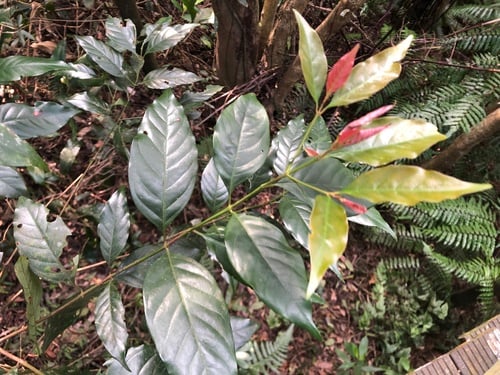
Tropical family containing coffee, quinine, and madder plants.
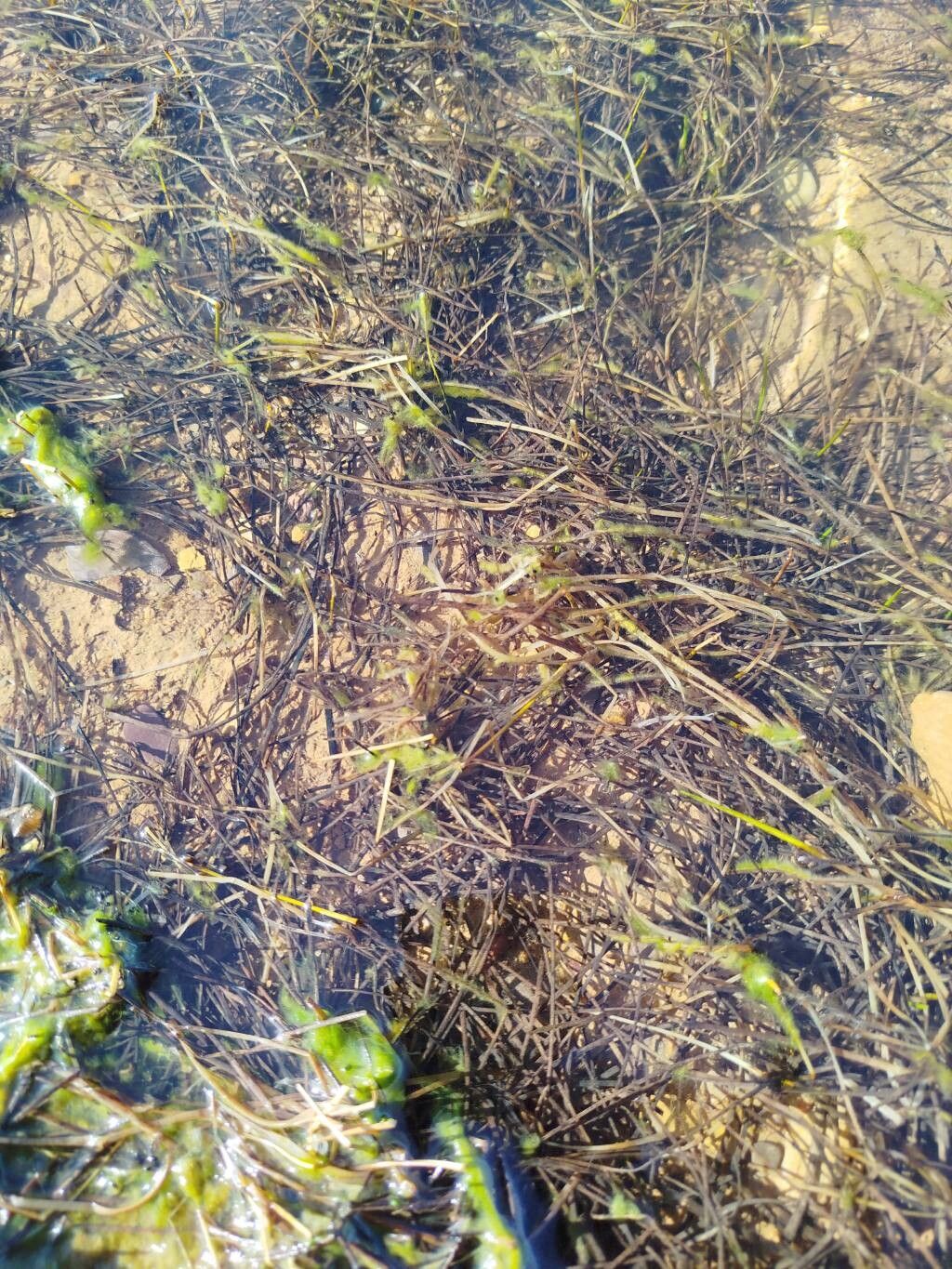
Aquatic flowering plants found in brackish and saline waters.
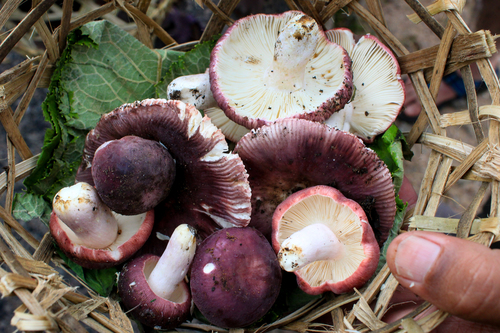
Fungal family with edible and toxic mushrooms including russula and brittlegill species.
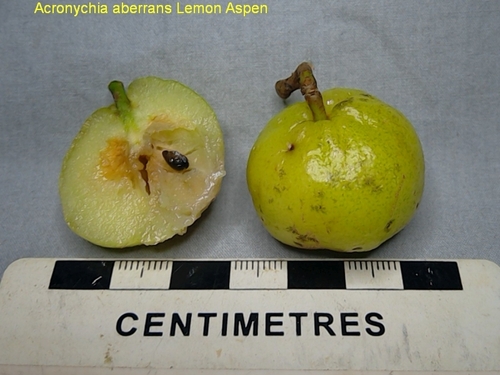
Citrus family producing oranges, lemons, limes, and aromatic oils.
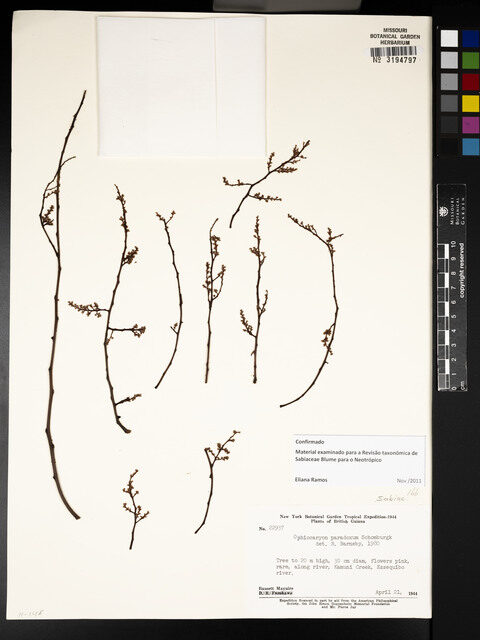
Small tropical tree family with limited economic importance.
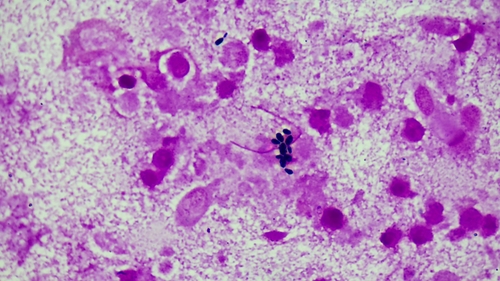
Yeast family including baker's and brewer's yeast used in fermentation.
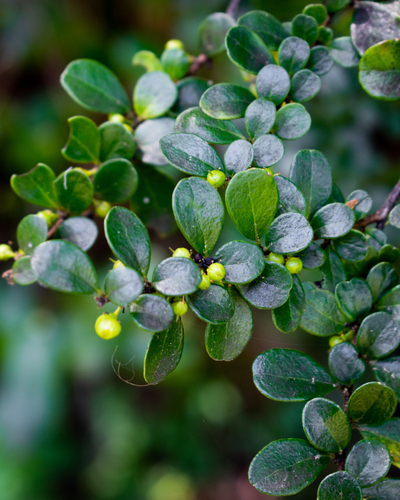
Trees and shrubs including willows and poplars.
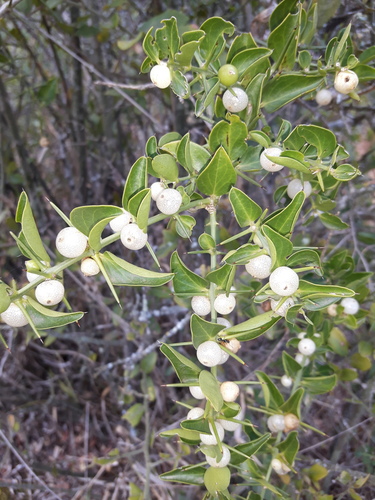
Tropical shrub family with salt-tolerant species in arid regions.
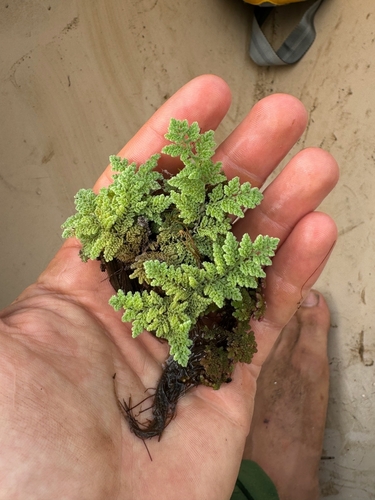
Aquatic fern family with free-floating fronds used as animal feed.
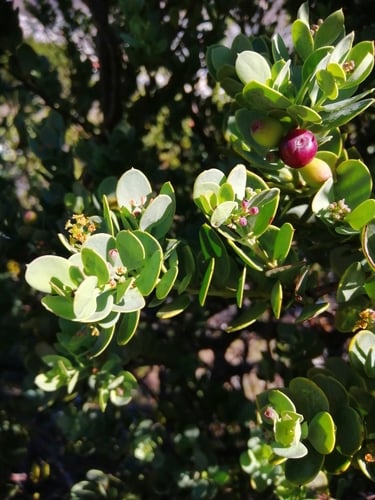
Sandalwood family; trees producing fragrant wood and parasitic species.
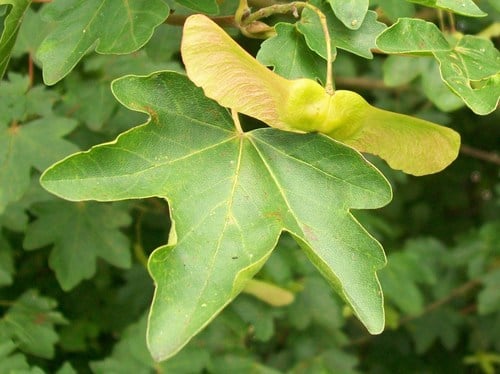
Tropical family including lychee, longan, and soapberry plants.
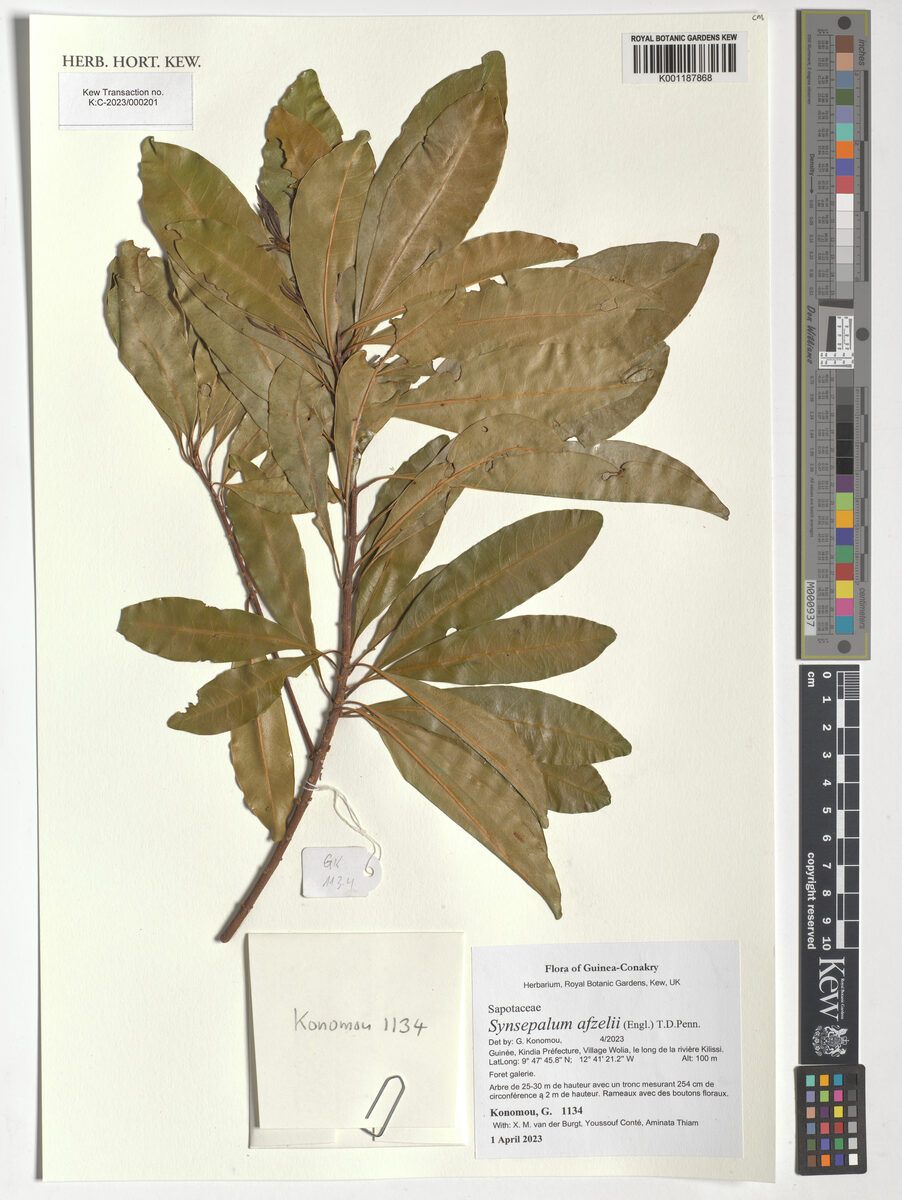
Tropical family with edible fruits like sapodilla and shea butter.
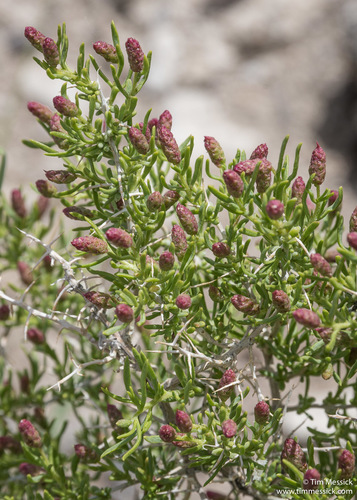
Desert saltbush family with halophytic shrubs.
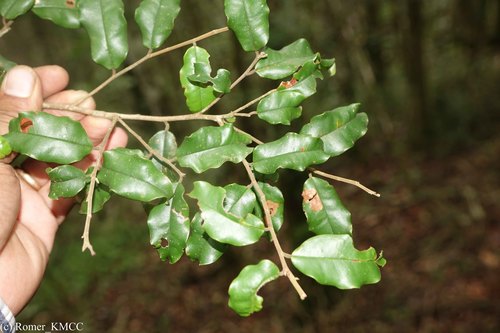
Tropical Madagascar family with limited distribution and uses.