Plant Families
569 families with edible plants · Page 5 of 12
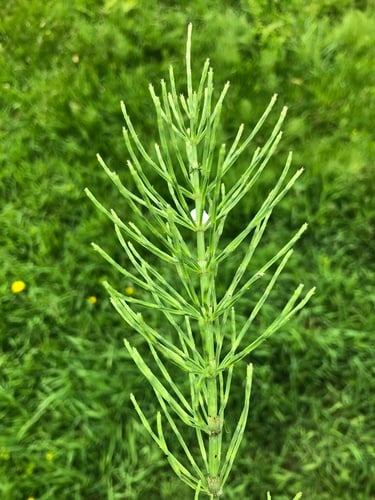
Primitive vascular plants (horsetails) with jointed stems and silica-rich tissues; no true edible species.
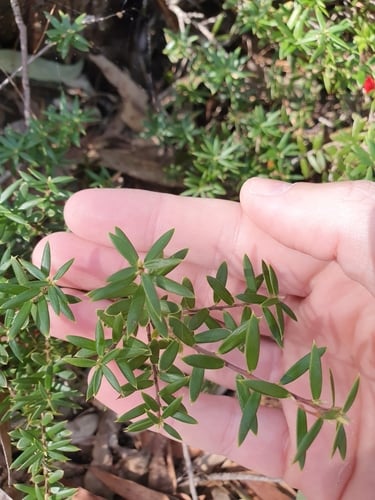
Diverse family including heaths, blueberries, cranberries, and rhododendrons; many produce edible berries.
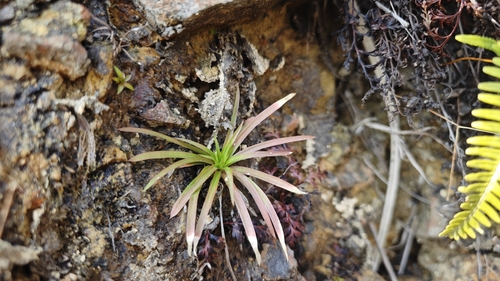
Monocot family of small herbaceous plants found in wetlands; generally not economically important.
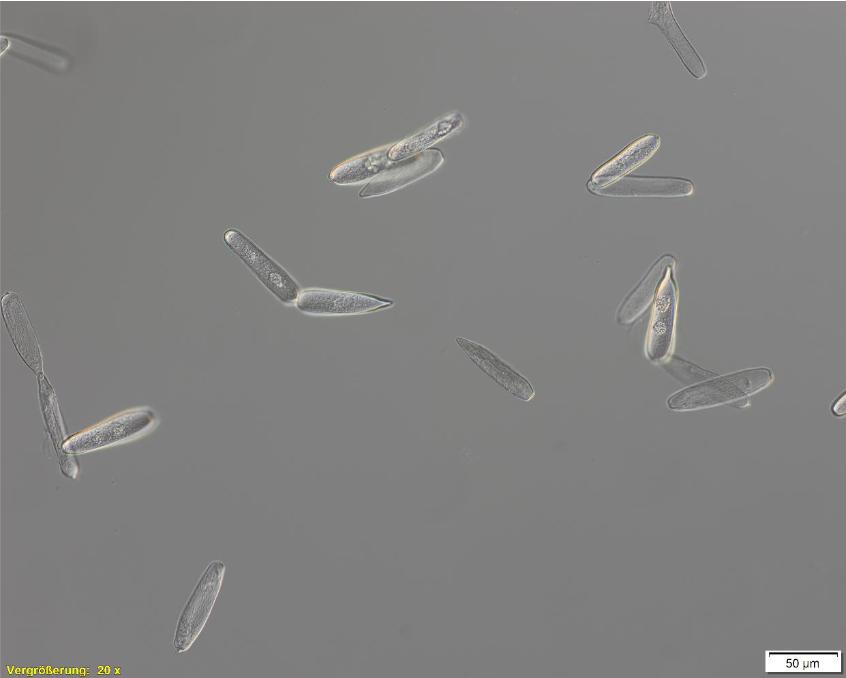
Fungal family causing powdery mildew diseases on plants; plant pathogens with no edible use.
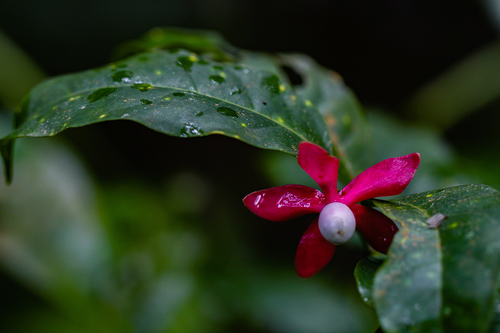
Tropical tree family from South America; some species produce edible fruits and medicinal compounds.
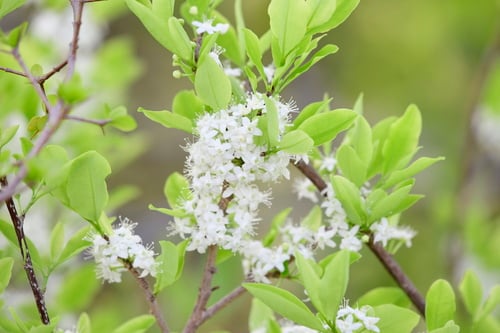
Small tree family including coca (Erythroxylum coca), source of cocaine alkaloid.
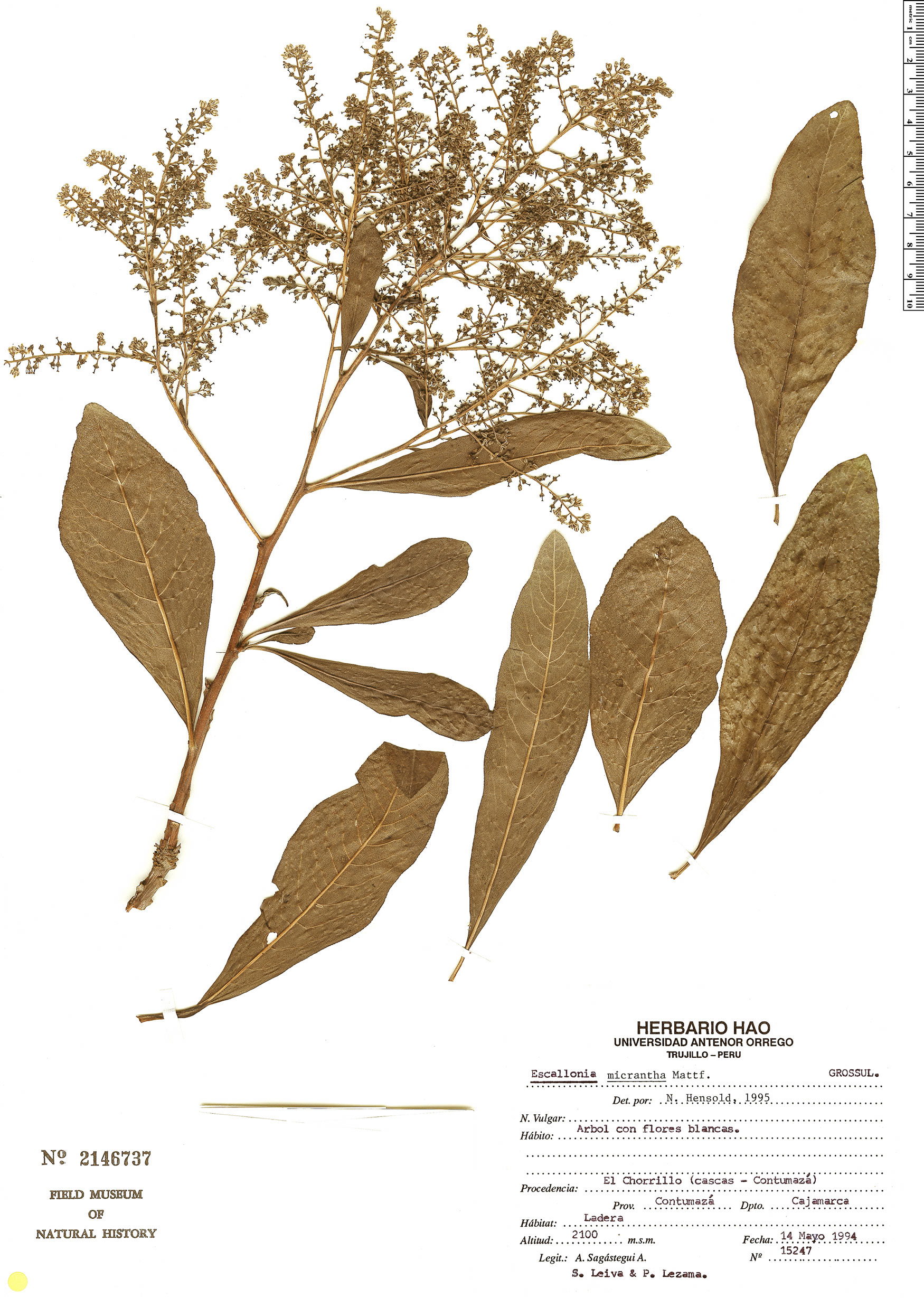
South American family of ornamental shrubs with simple leaves; minimal economic importance.
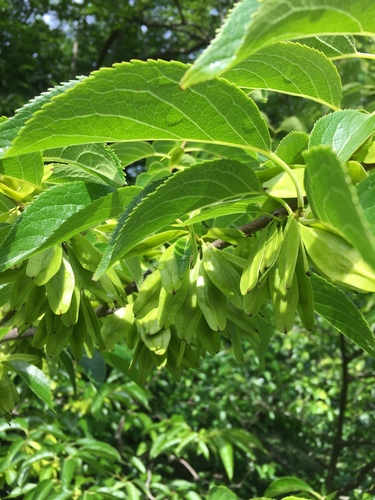
Single-species family containing rubber tree (Eucommia ulmoides) producing gutta-percha latex.
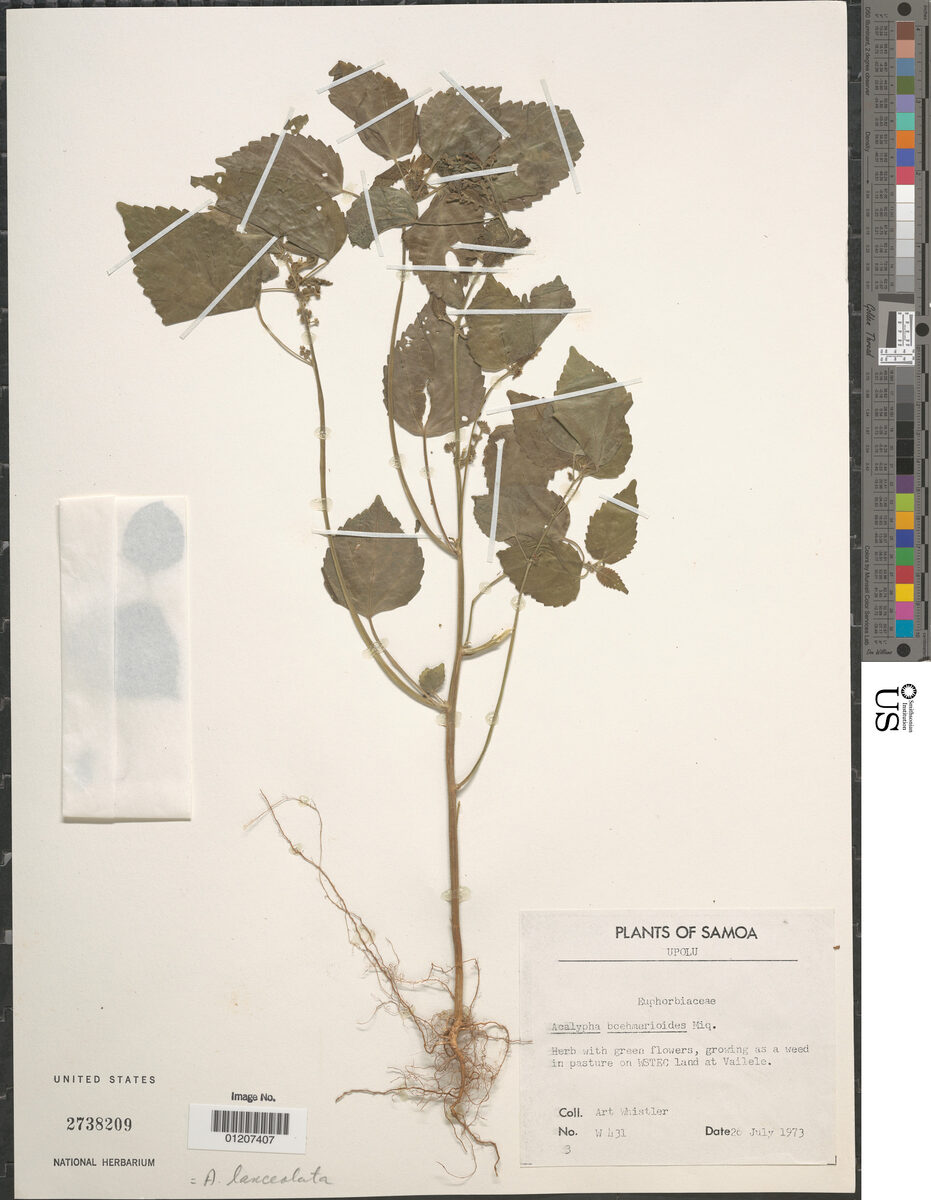
Huge diverse family including cassava, rubber, ricin, and castor bean; many toxic or edible species.
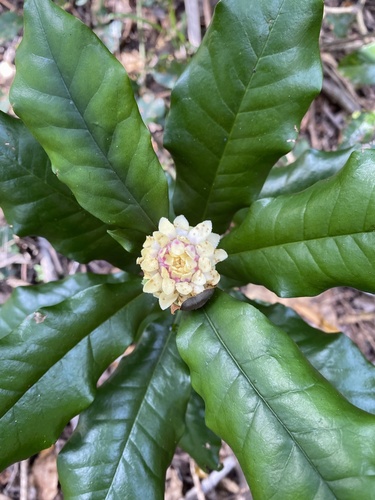
Australian rainforest family with aromatic primitive flowers; Eupomatia produces edible fruits.
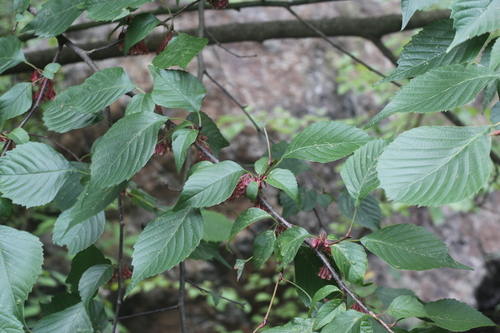
Small Asian family of deciduous trees with unusual flower structure; no major economic uses.
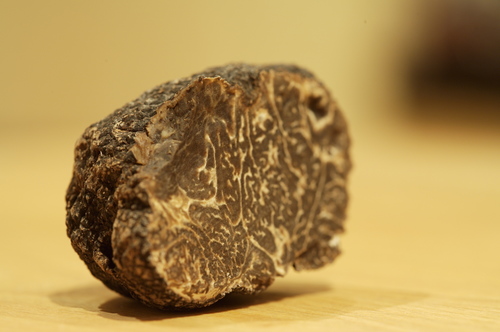
Ascomycete fungal family containing true truffles prized as culinary delicacies.
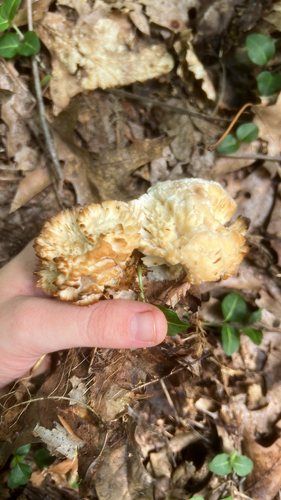
Gelatinous fungal family including wood ear mushrooms; some species are edible.
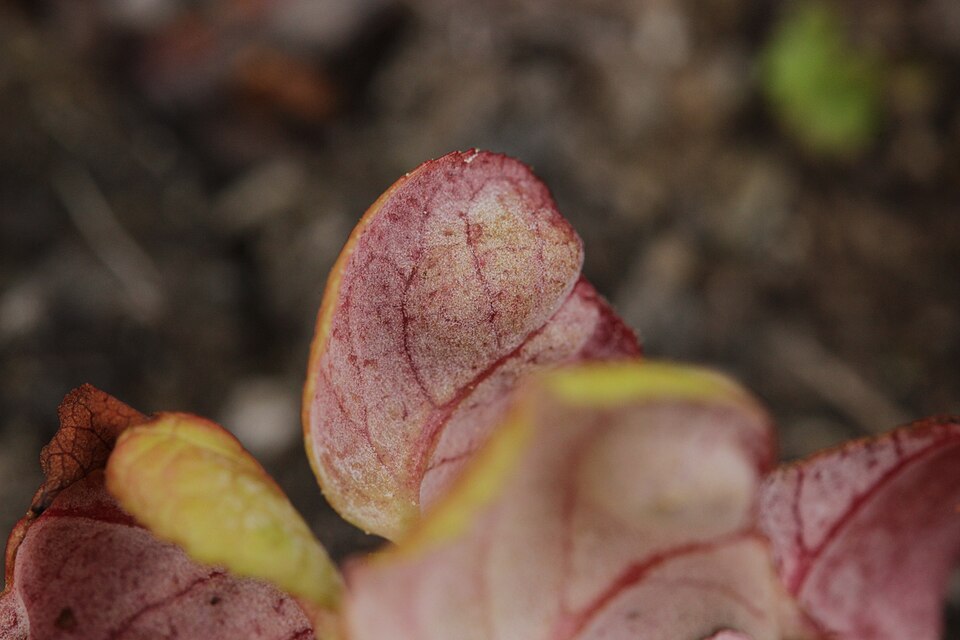
Parasitic fungal family causing leaf galls on plants; not edible or economically important.
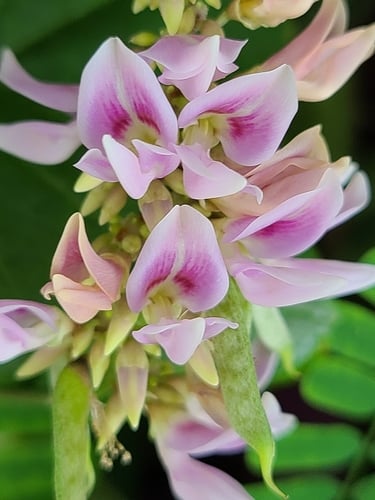
Legume family with nitrogen-fixing roots; includes beans, peas, lentils, peanuts, and alfalfa.
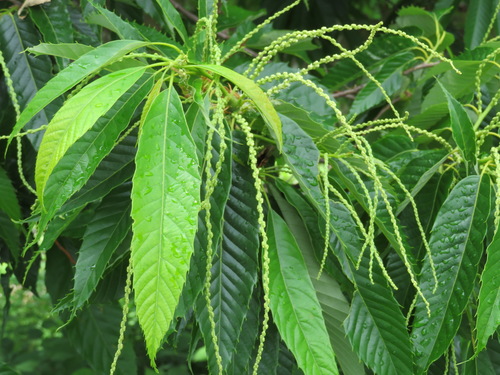
Tree family containing oaks, beeches, and chestnuts; produces edible nuts and acorns.
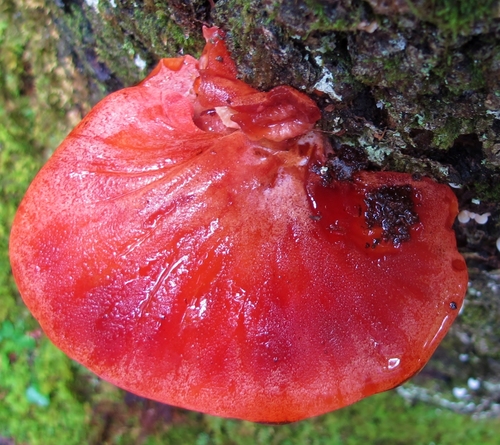
Fungal family with single pore; includes beefsteak fungus, an edible bracket mushroom.
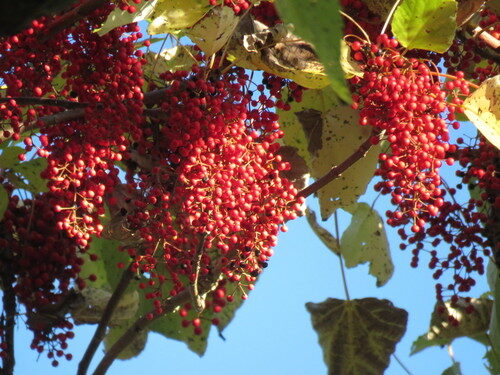
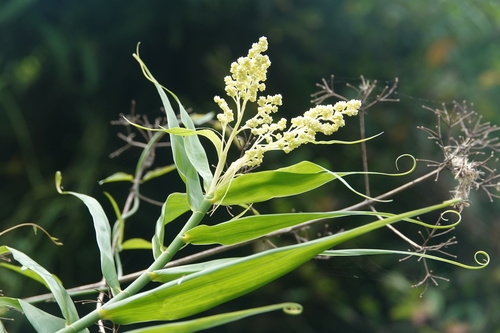
Tropical climbing plants with long, whip-like leaves; minor ornamental and traditional use species.
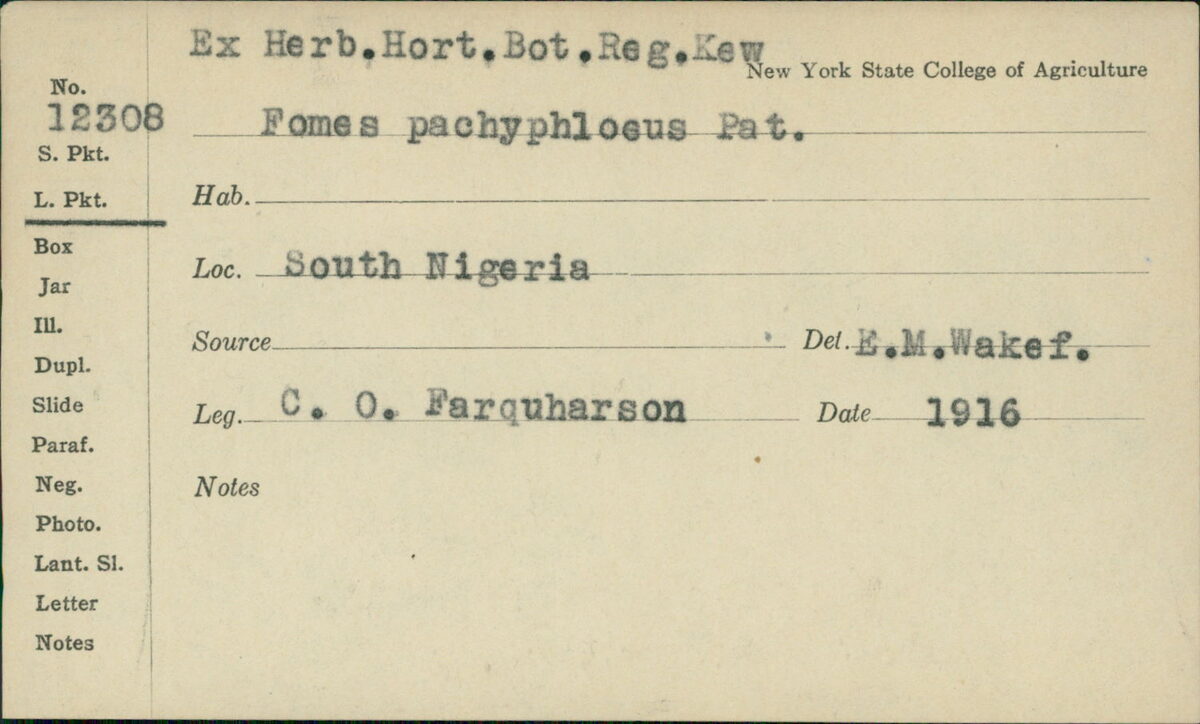
Wood-decay fungi family including shelf mushrooms; some species used in traditional medicine.
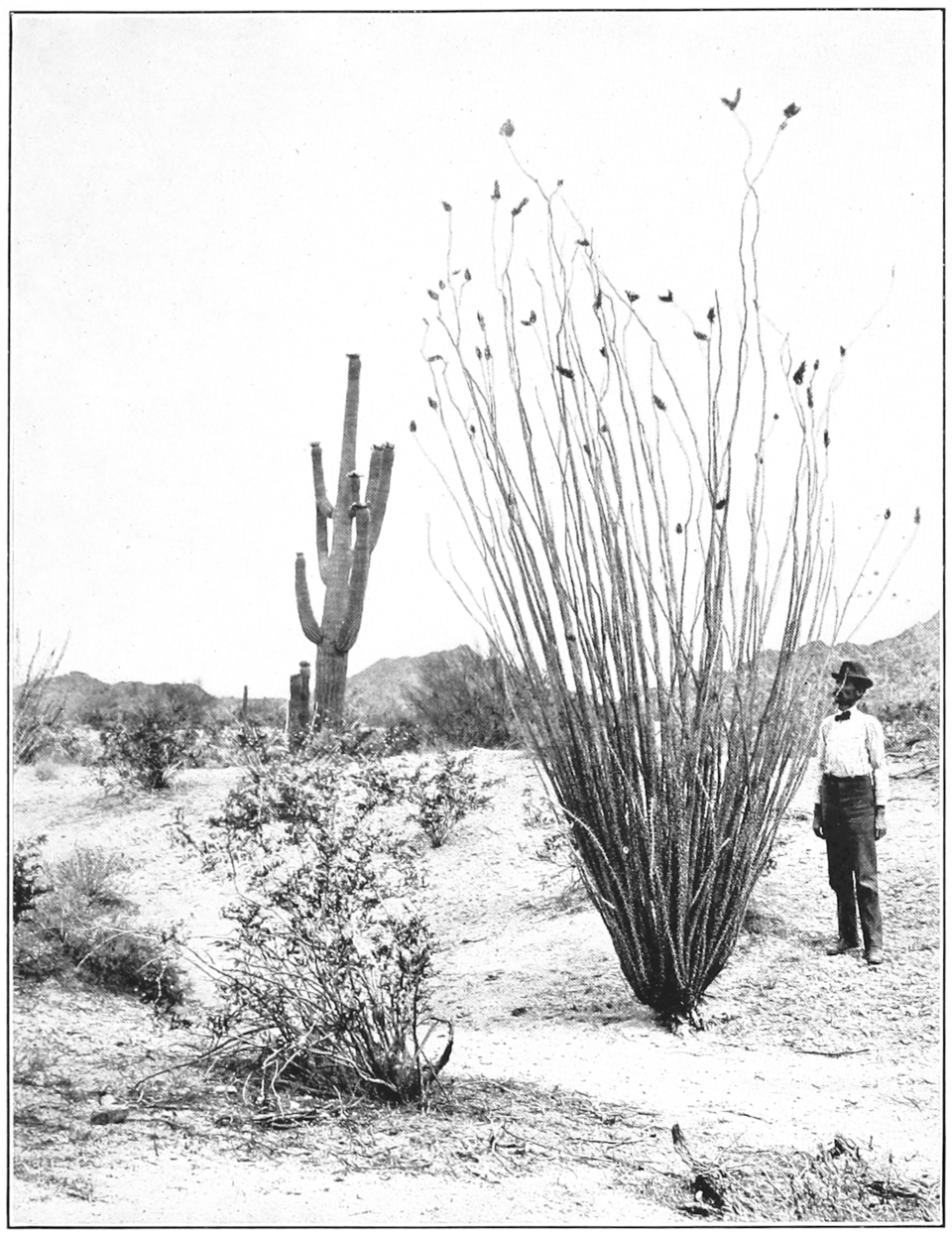
Desert shrubs with succulent stems and colorful flowers; mostly ornamental in cultivation.
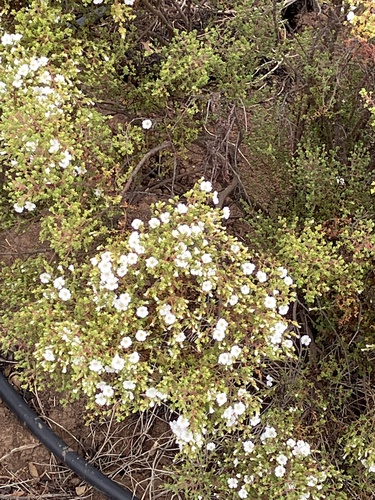
Salt-tolerant shrubs found in coastal and saline environments; minimal economic importance.
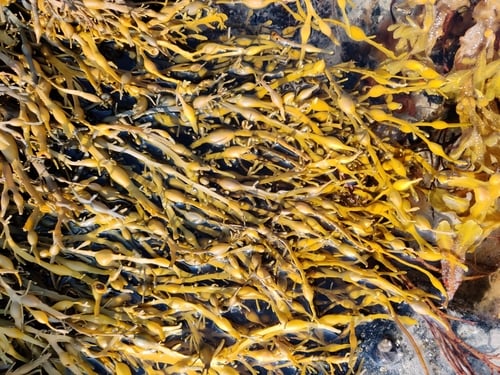
Brown seaweeds including kelps; economically important for food, fertilizer, and industrial uses.
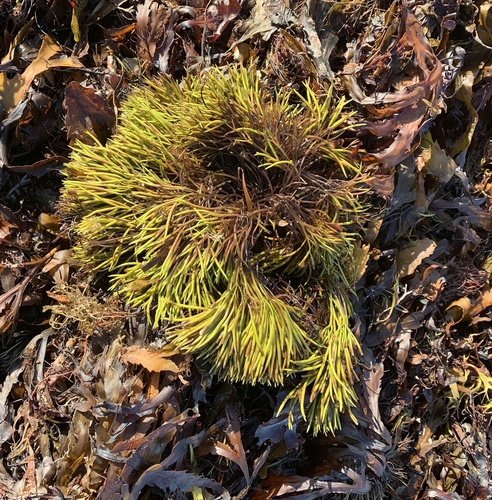
Red seaweeds used as carrageenan source; important for food thickening and gelling.
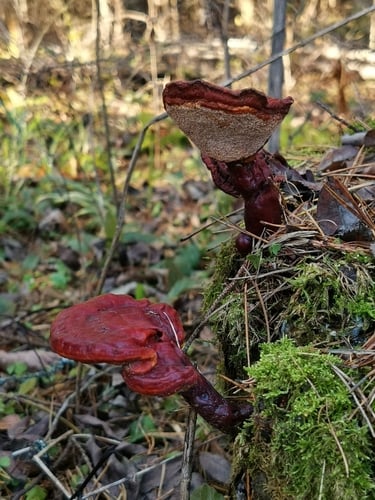
Shelf fungi with medicinal properties; Reishi mushroom used in traditional Asian medicine.
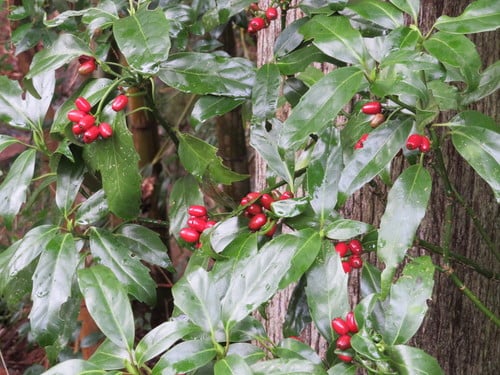
Ornamental evergreen shrubs with distinctive catkin flowers; cultivated for landscaping purposes.
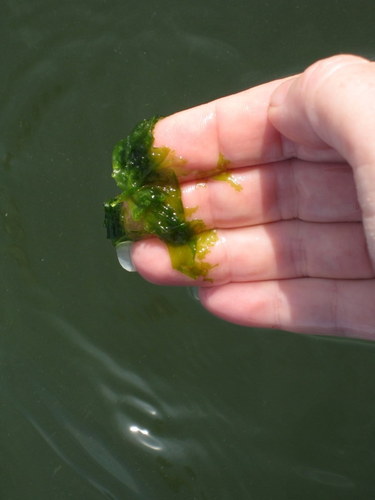
Obscure plant family with minimal known members; limited economic or ecological importance.
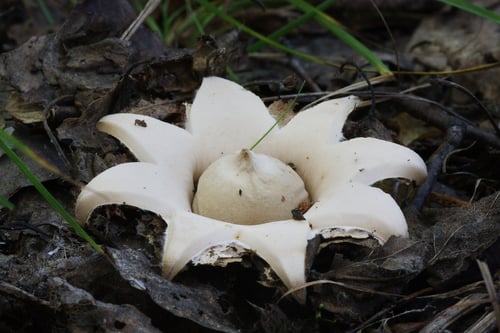
Earthstar fungi with distinctive star-shaped spore dispersal structures; mostly inedible.
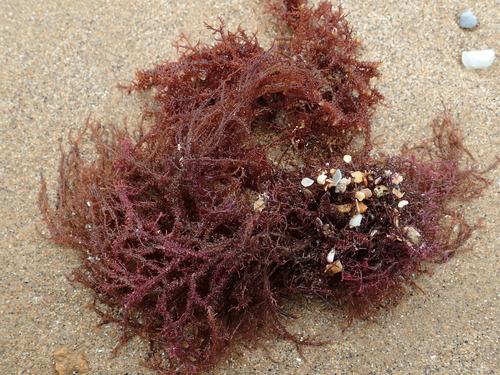
Red seaweeds yielding agar; essential for laboratory media and food industry uses.
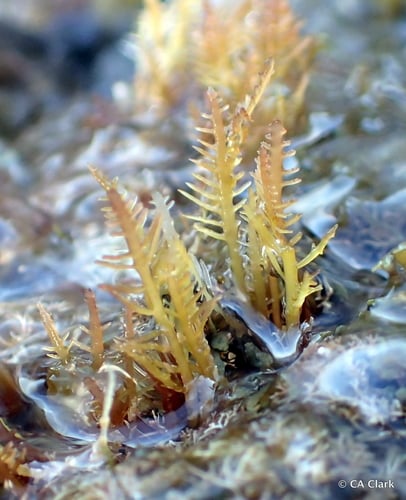
Small red seaweeds producing agar; less economically important than related families.
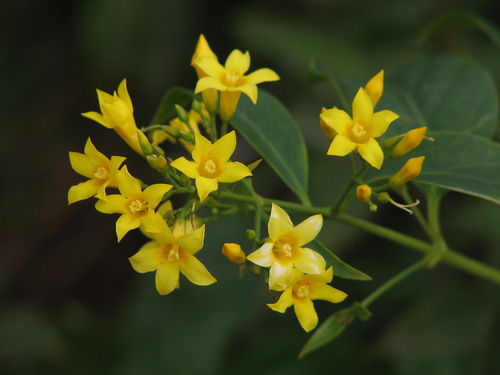
Climbing vines; Carolina jasmine valued as ornamental; contains toxic alkaloids.
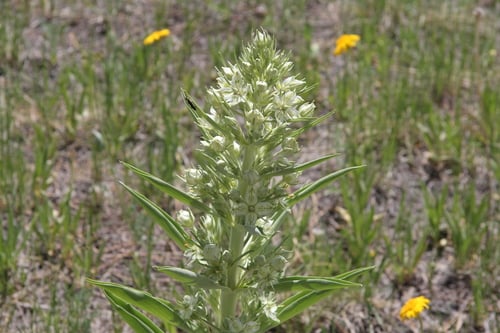
Herbaceous plants with bright flowers; some species used for bitter digestive tonics.
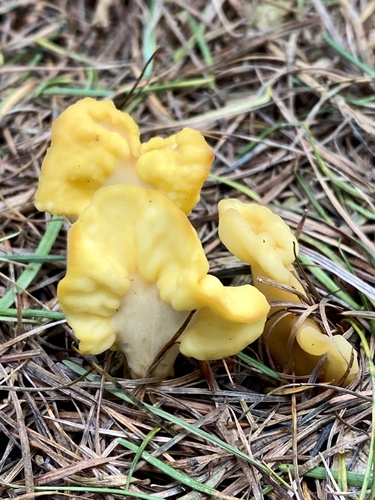
Earth-tongue fungi with distinctive clublike fruiting bodies; mostly inedible species.
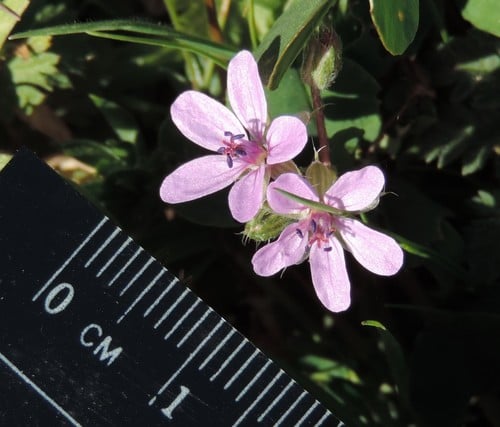
Includes geraniums and pelargoniums; valued ornamental flowers; some produce scented oils.
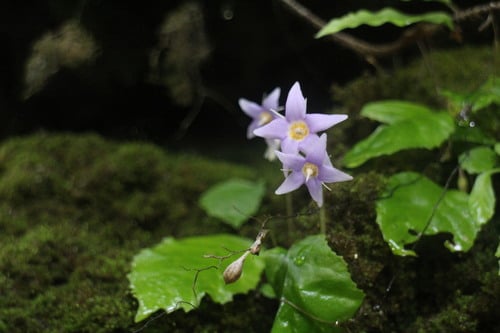
Tropical herbaceous plants including African violets; popular indoor ornamental houseplants.
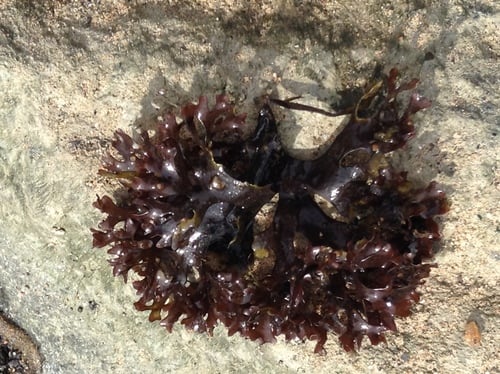
Red seaweeds yielding carrageenan; important for food thickening and industrial applications.
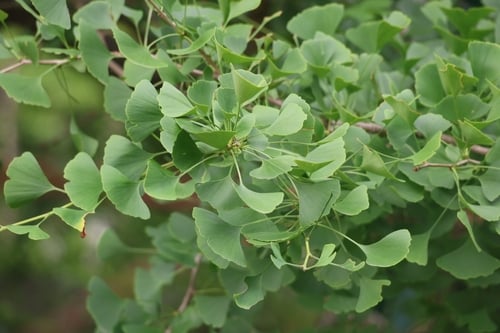
Ancient tree family with single living species; ginkgo nuts are edible; medicinal uses.
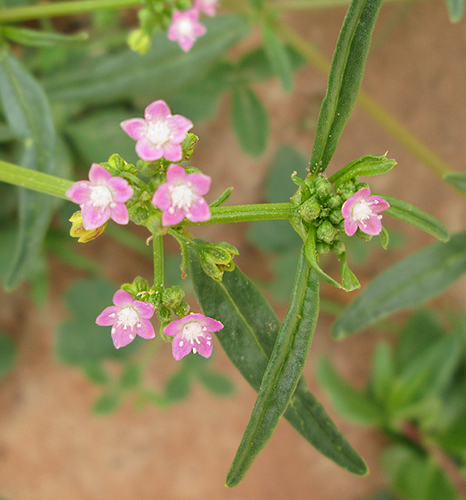
Minor succulent herbs; primarily of botanical interest; negligible economic importance.
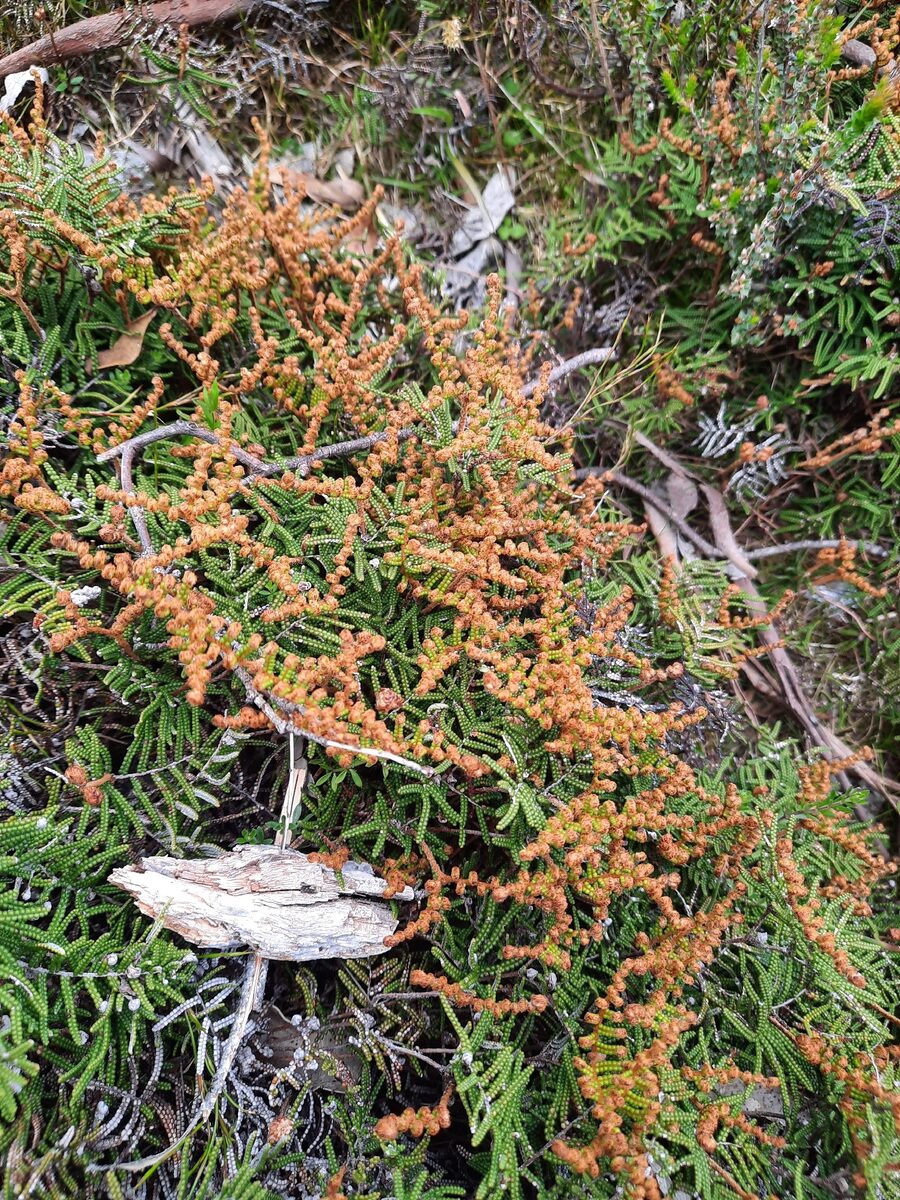
Ancient fern family containing climbing and scrambling ferns with distinctive forked fronds found in tropical and subtropical regions.
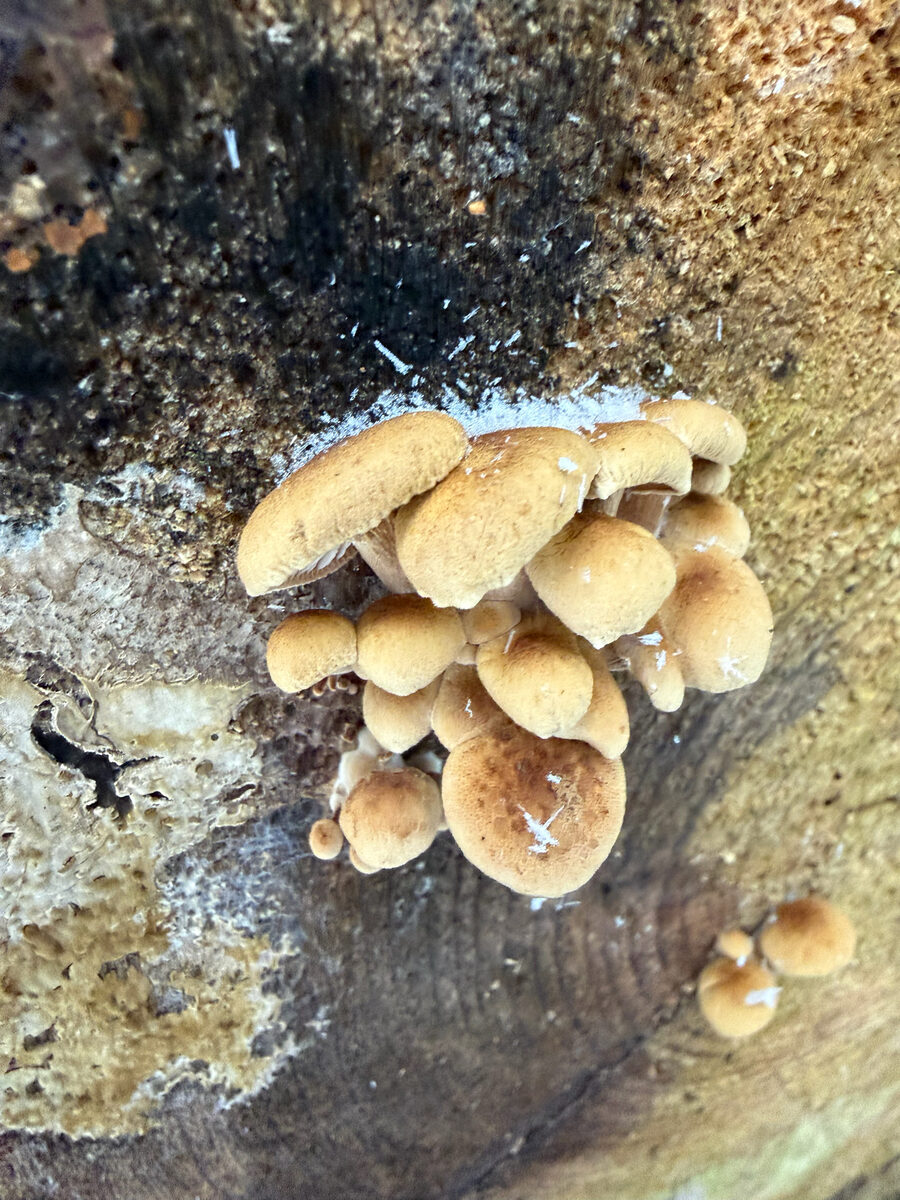
Small fungal family of wood-decay basidiomycete fungi with gills, related to polypores and shelf fungi.
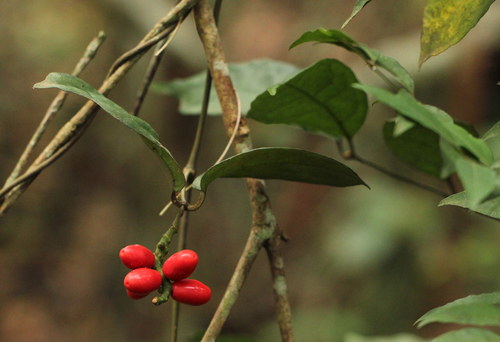
Gymnosperm family including Welwitschia and Ephedra, unique plants with vessel elements in their wood.
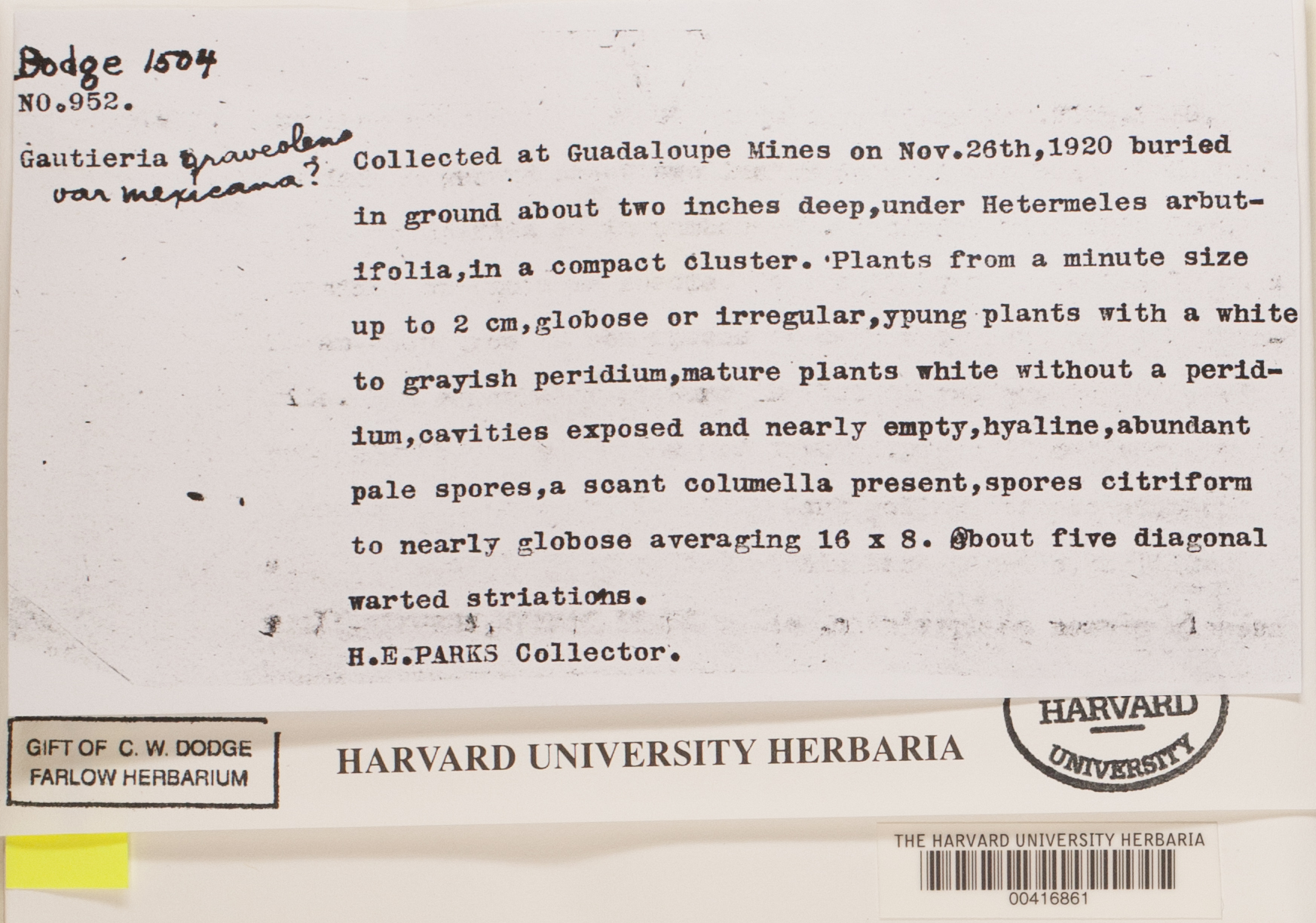
Fungal family containing tooth fungi and relatives, with spore-bearing structures on gills or ridges rather than pores.
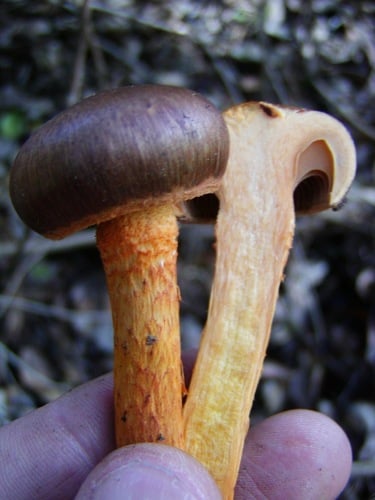
Fungal family of slimy cap mushrooms with blackening gills, closely related to boletes and conifers.
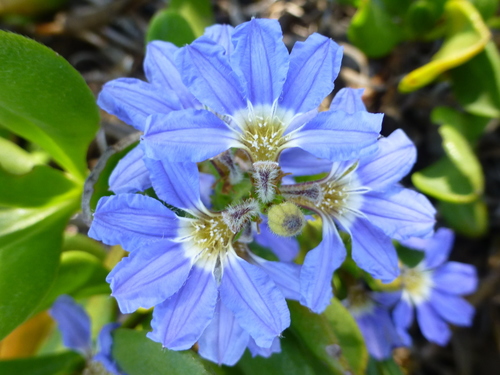
Flowering plant family with mostly Australian wildflowers, small herbs and shrubs with characteristic winged fruits.
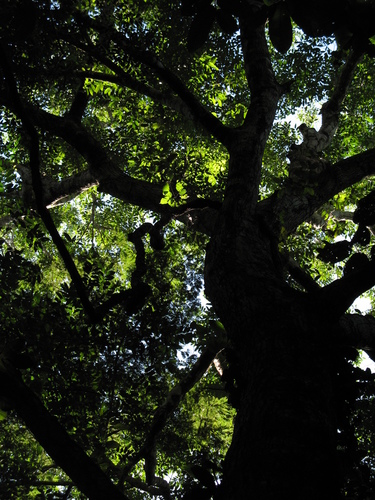
Tropical South American tree family producing the Curupay tree, yielding hardwood and edible fruits.
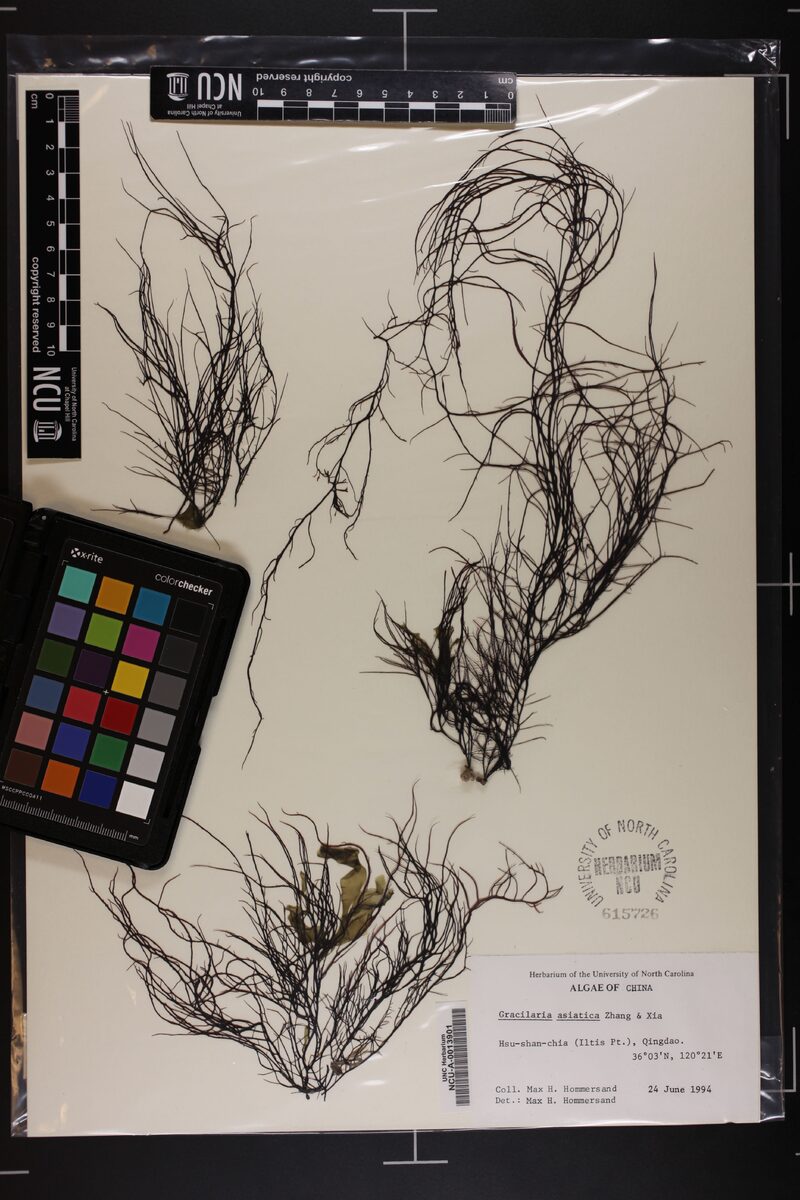
Red algae family containing economically important species harvested for carrageenan, a common food thickening agent.
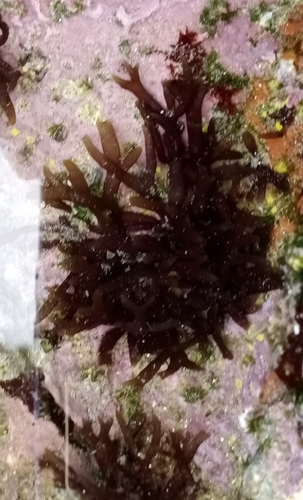
Alternative spelling of Gracilariaceae; red algae family providing carrageenan used in food and cosmetic industries.
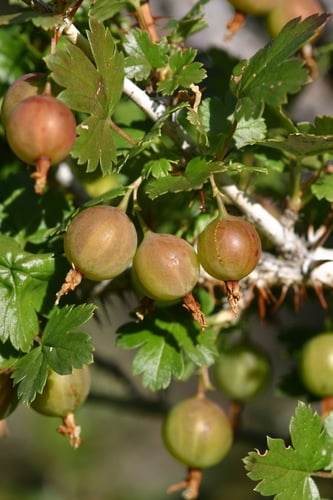
Currant and gooseberry family, producing tart edible berries rich in vitamin C and widely cultivated.