Plant Families
569 families with edible plants · Page 4 of 12
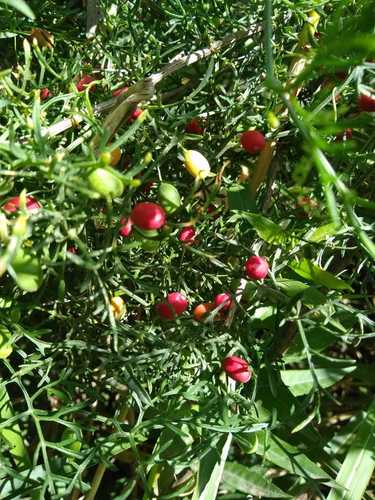
Family of climbing vines producing cucumbers, squashes, melons, and pumpkins with large leaves and tendrils.
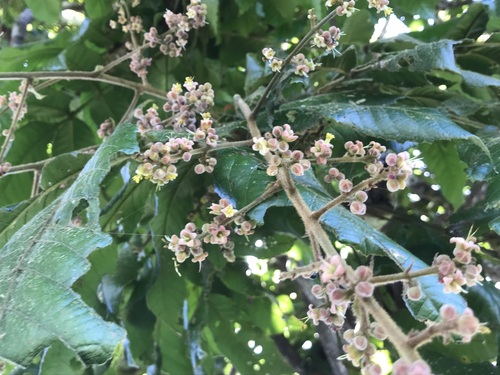
Tropical and subtropical trees and shrubs, some producing timber; includes species with compound leaves.
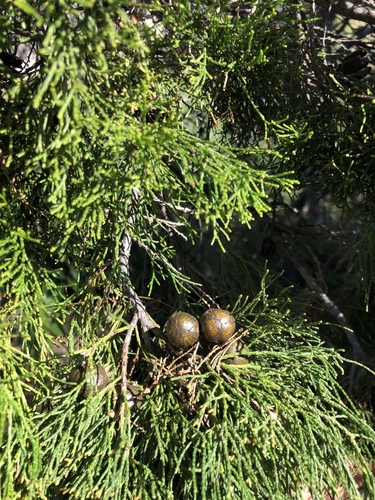
See Cupressaceae (spelling variant).
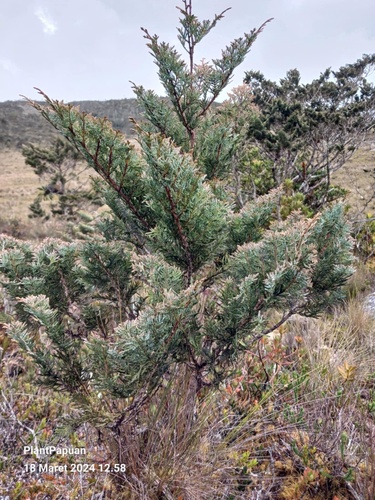
Coniferous family including cypress, juniper, and arborvitae trees valued for timber and ornamental use.
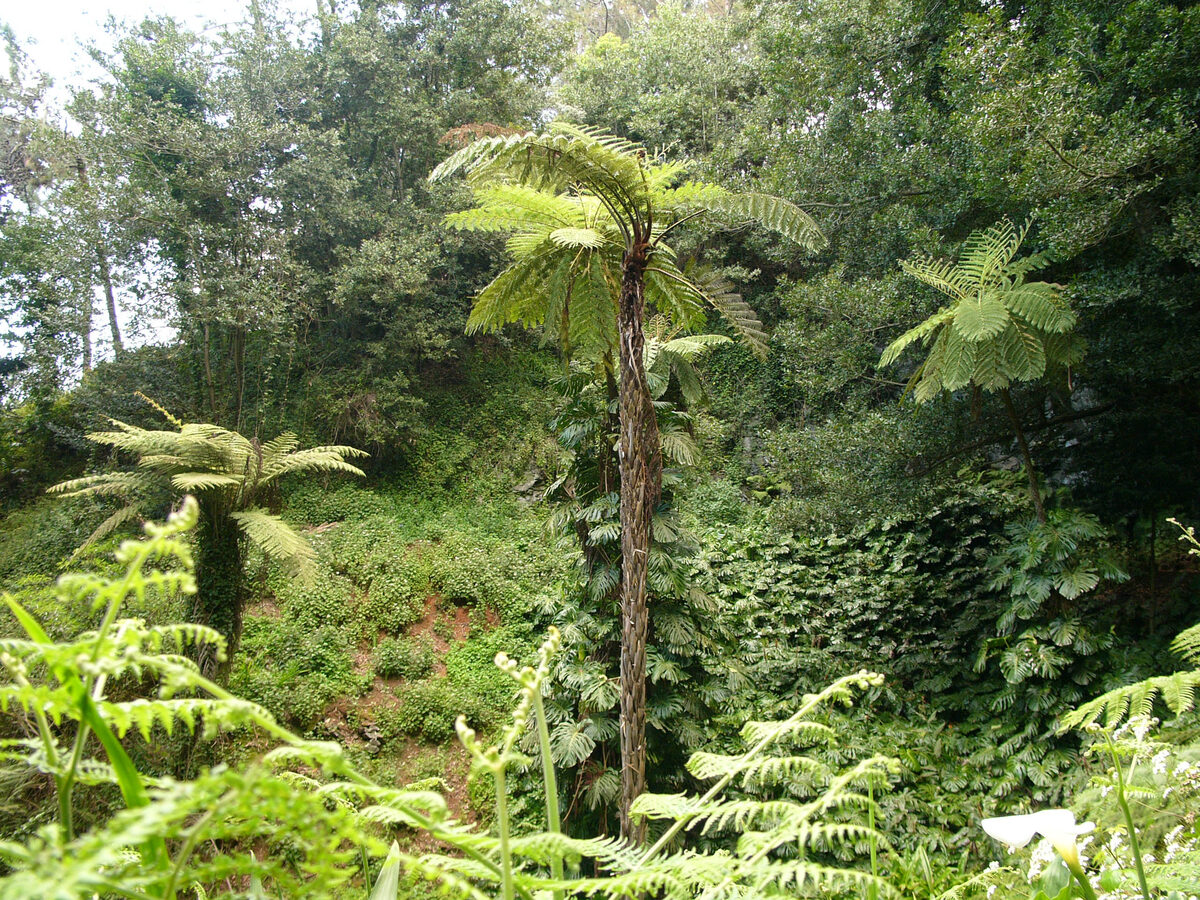
Tree fern family with large fronds; ancient group found in tropical and subtropical forests.
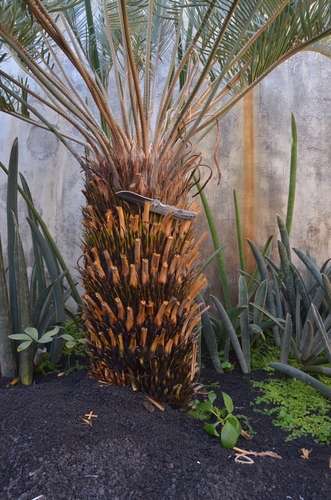
Primitive seed plants resembling ferns with stout trunks and feathery leaves; includes cycads and sago palms.
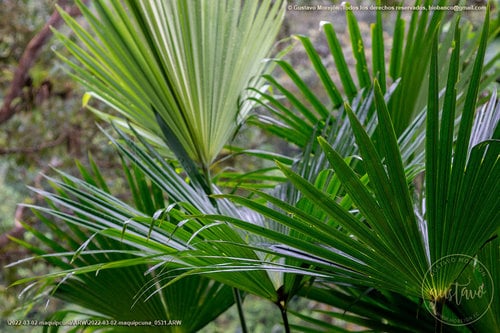
Tropical American plants with spiral leaf arrangements; includes Panama hat palm used for weaving.
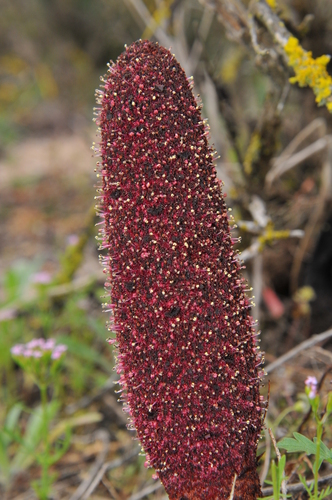
Parasitic plants lacking chlorophyll; rare family with underground stems and fleshy fruiting structures.
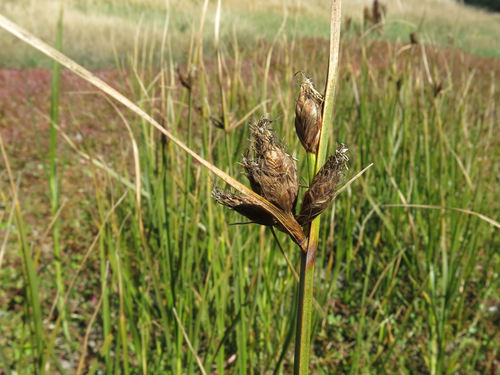
Grass-like sedges with triangular stems; abundant in wetlands; includes papyrus and nutgrass species.
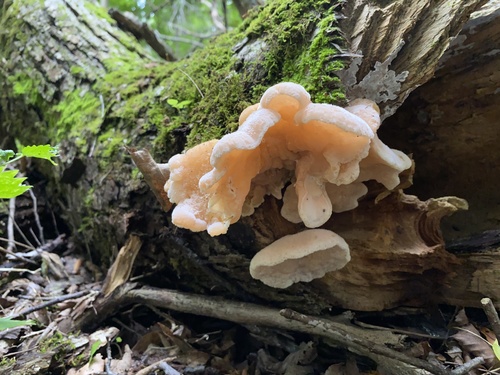
Small fungi forming tiny cup-shaped fruiting bodies on decaying wood in moist environments.
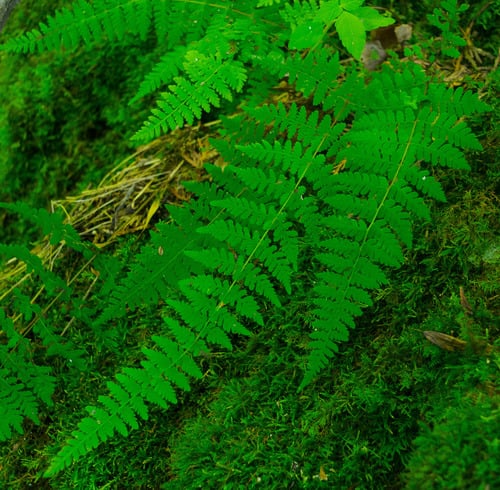
Fragile ferns with delicate fronds; small family of herbaceous ferns in temperate regions.
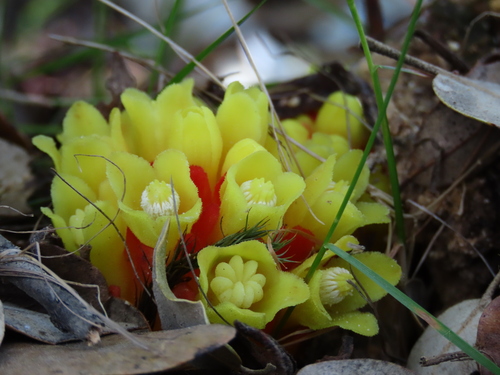
Parasitic plants with no leaves living inside host vines; includes cytinus species.
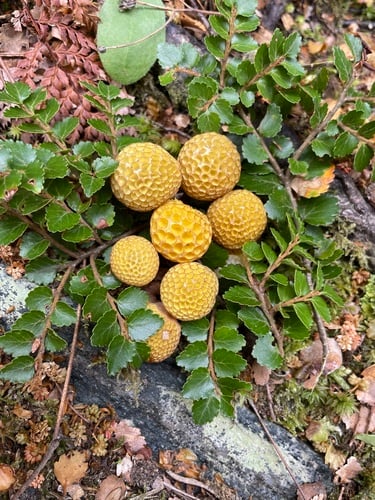
Fungi causing galls on southern beech trees; includes edible beech apple fungus in South America.
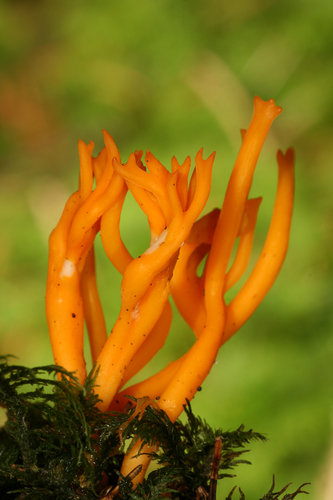
Jelly fungi producing translucent, gelatinous fruiting bodies on decaying wood.
Evergreen shrubs and trees from Asia; glossy leaves; minimal economic importance.
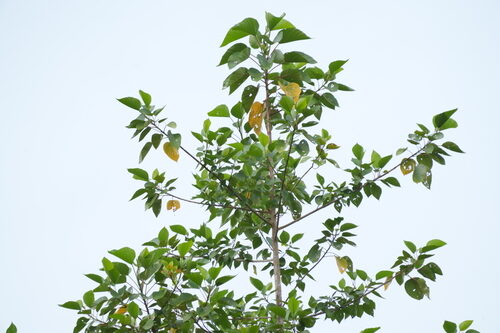
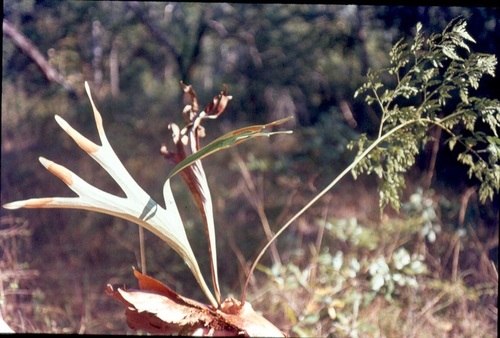
Epiphytic ferns with scaly rhizomes; includes rabbit's foot fern and similar ornamental species.
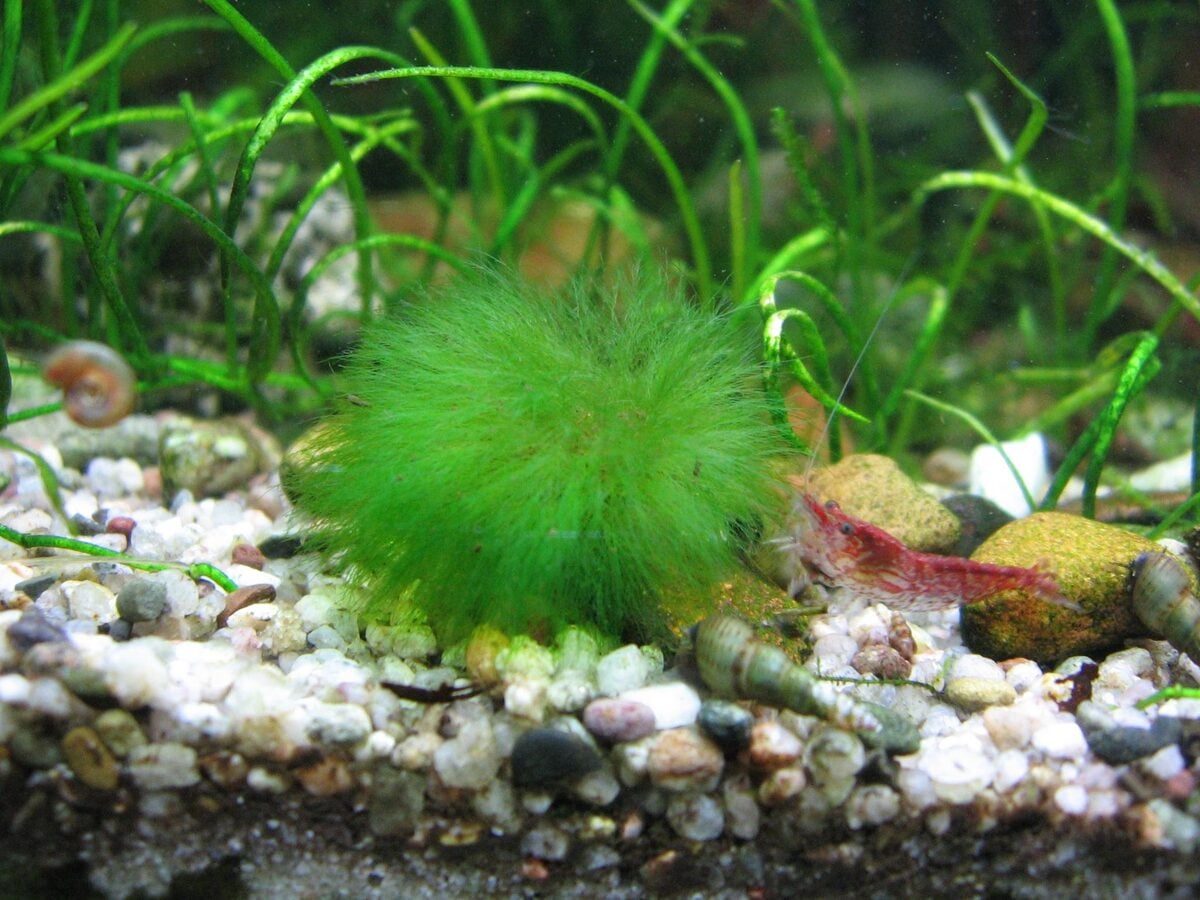
Red algae with delicate, leafy thalli; marine family found in cool coastal waters worldwide.
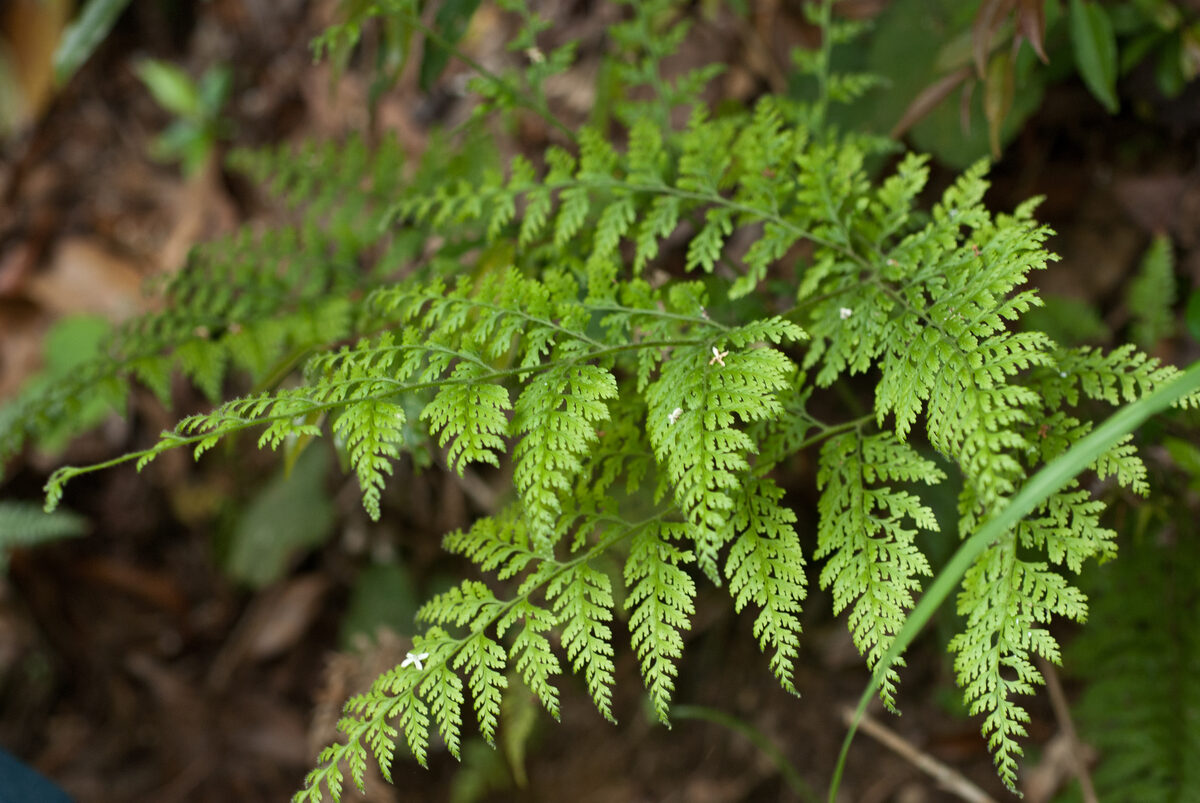
Temperate ferns including bracken; some spreading by rhizomes in disturbed forest habitats.
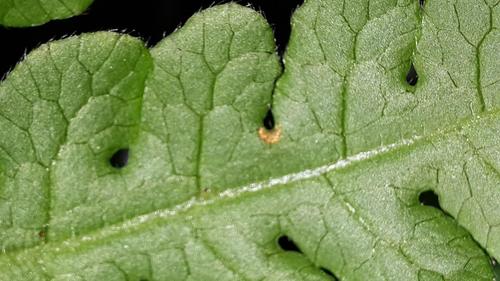
See Dennstaedtiaceae (spelling variant).
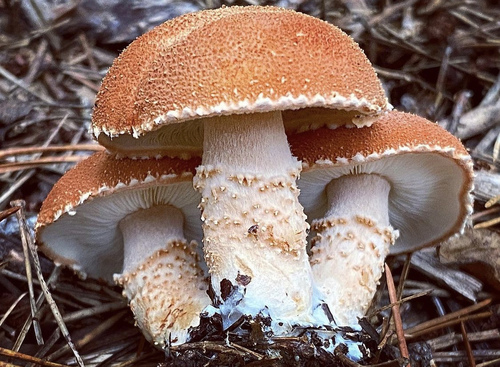
Small fungi with membranous gill-like structures; inconspicuous woodland decomposers.
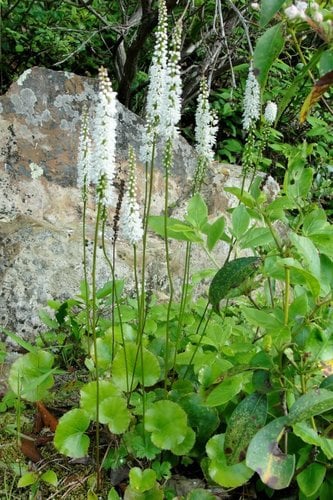
Small herbaceous plants found in alpine and arctic regions, mostly non-edible ornamentals.
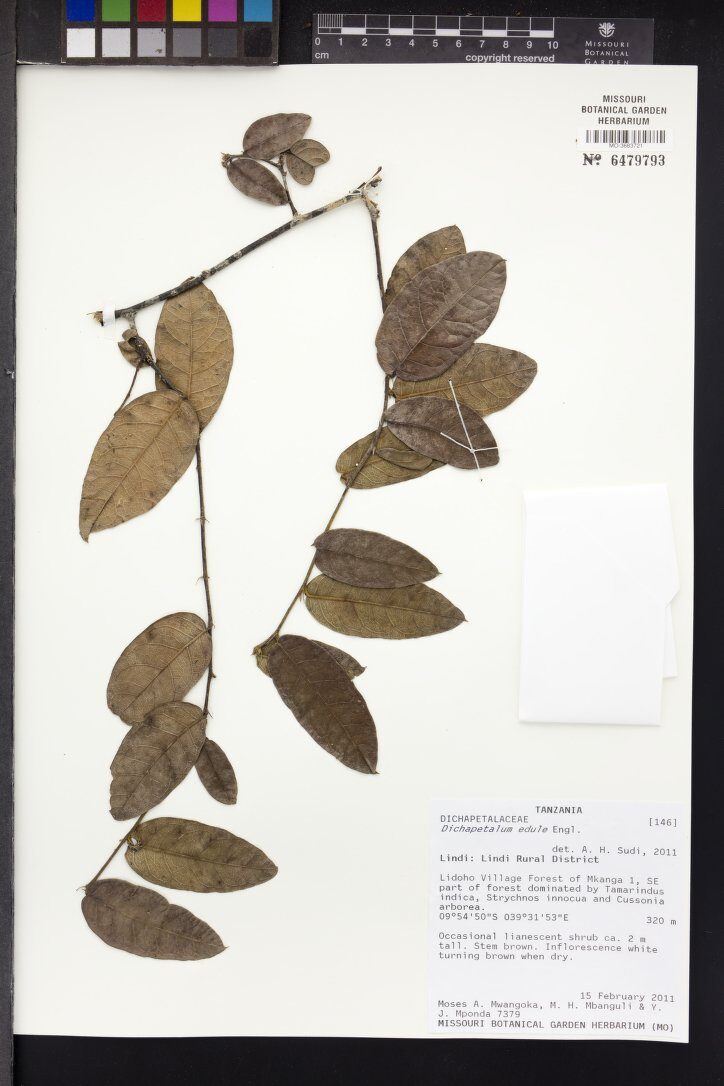
Tropical trees and shrubs with small flowers; few economically important species.

Rare green algae family with simple, branching filamentous structure.
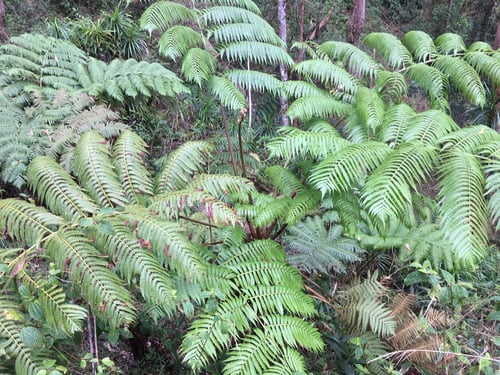
Tree ferns native to Southern Hemisphere; some species have edible starchy trunks.
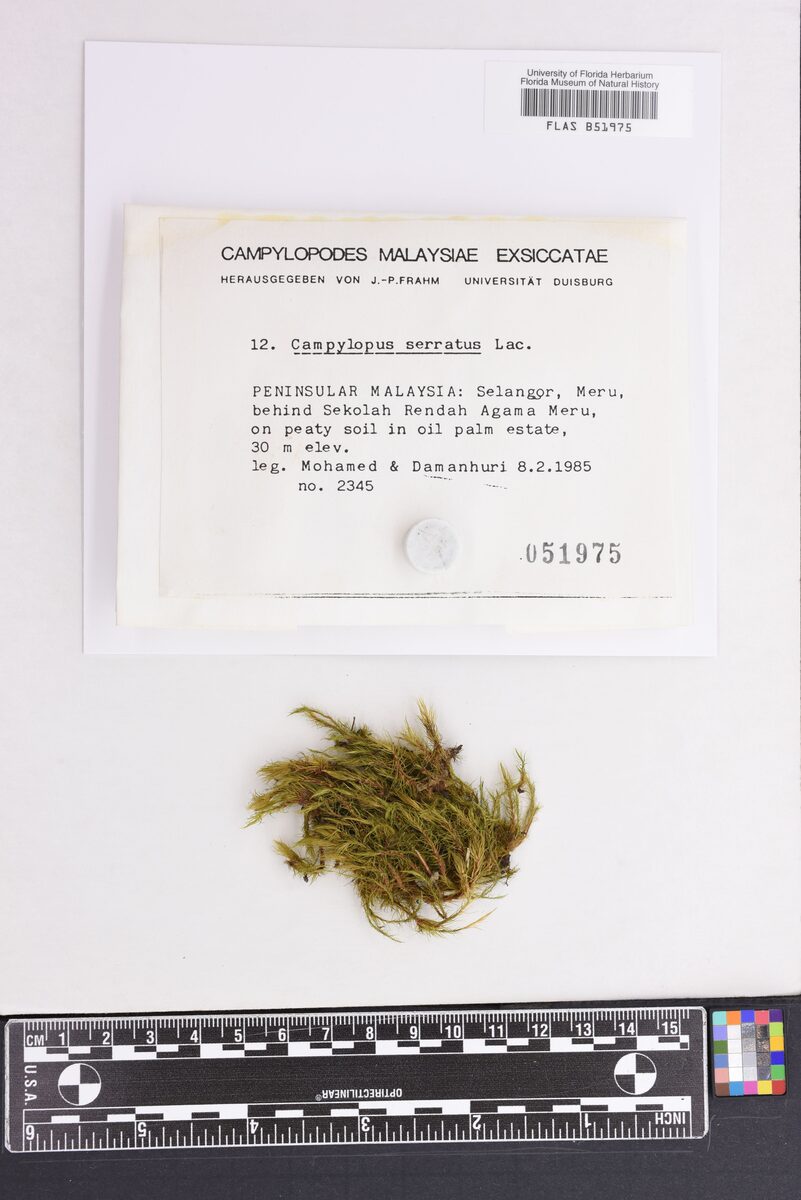
Moss family with forked peristome teeth; common in moist terrestrial habitats.
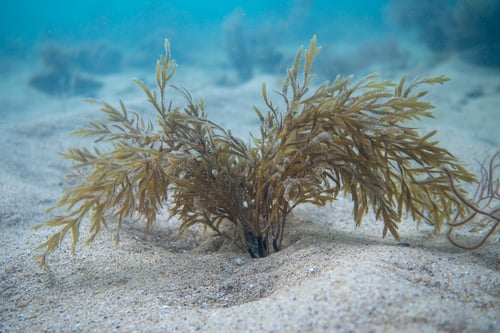
Brown algae family with flat, branching fronds; some species used as food supplements.
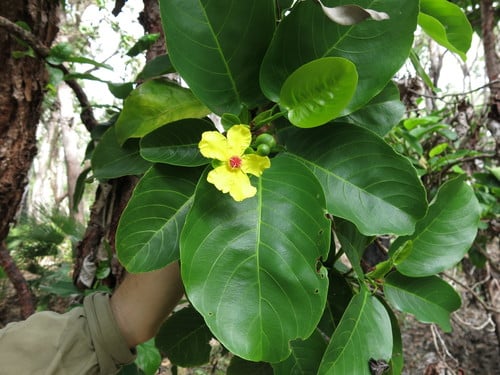
Tropical and subtropical trees, shrubs, and climbers with showy flowers; limited food uses.
Climbing vines producing starchy tubers; includes yams, important staple crops worldwide.
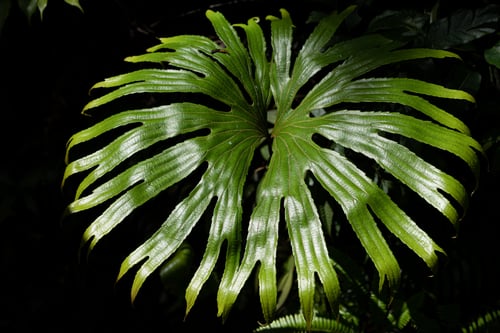
Ferns with fan-shaped fronds; mostly tropical ornamental species with little economic value.
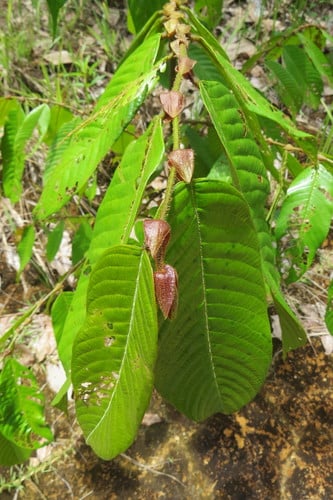
Large tropical rainforest trees producing valuable timber and aromatic oils; limited food species.
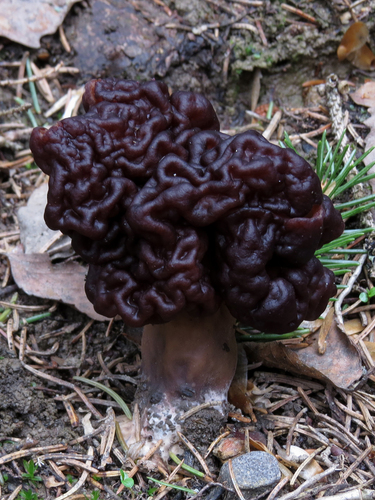
Liverwort family with disc-shaped gemmae cups; small non-vascular plants in moist habitats.
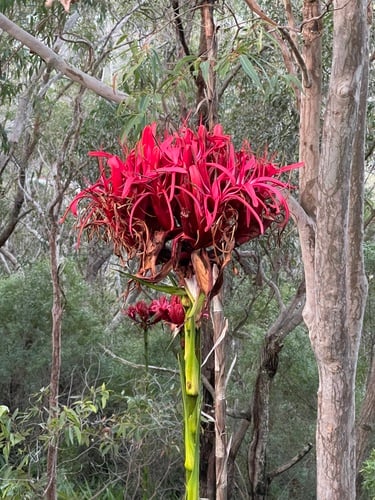
Australian native plants with large showy red and yellow flowers; rarely cultivated.
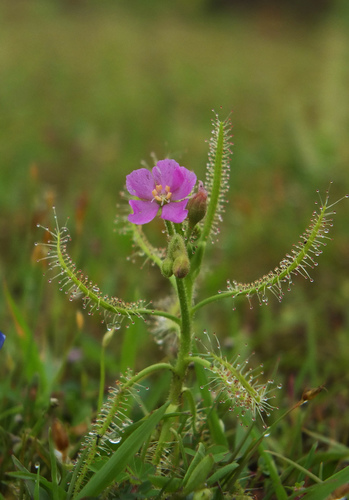
Carnivorous plants with sticky tentacles that trap insects; includes sundews.
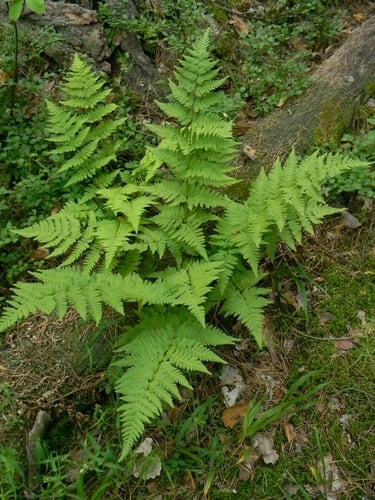
Shield ferns family; widespread temperate and tropical ferns, mostly ornamental.
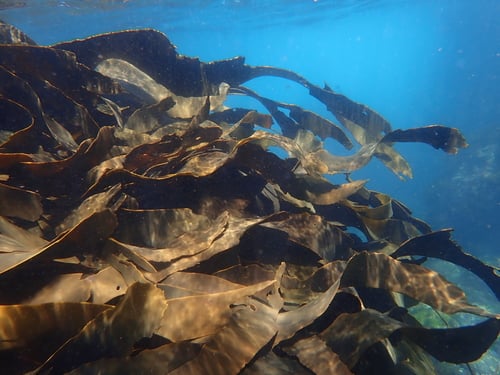
Brown algae family with bull kelp; Pacific marine species some harvested for food.
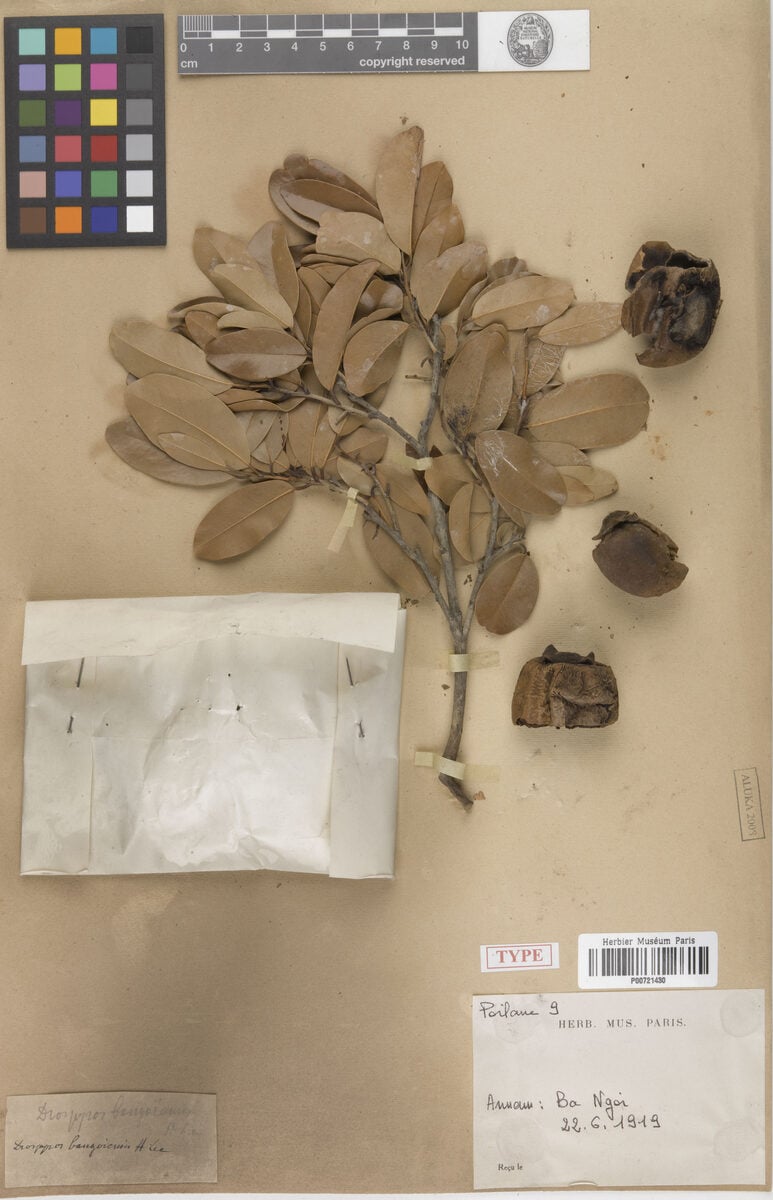
Tropical trees producing ebony wood and persimmons; includes valuable timber and edible fruits.
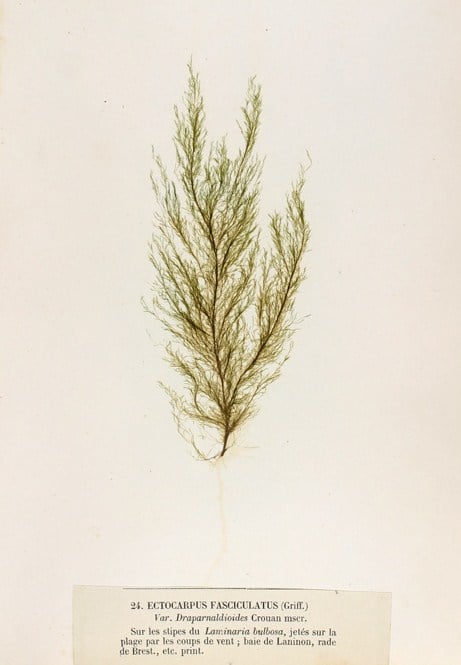
Brown algae family with branching filamentous structure; minor food and industrial uses.
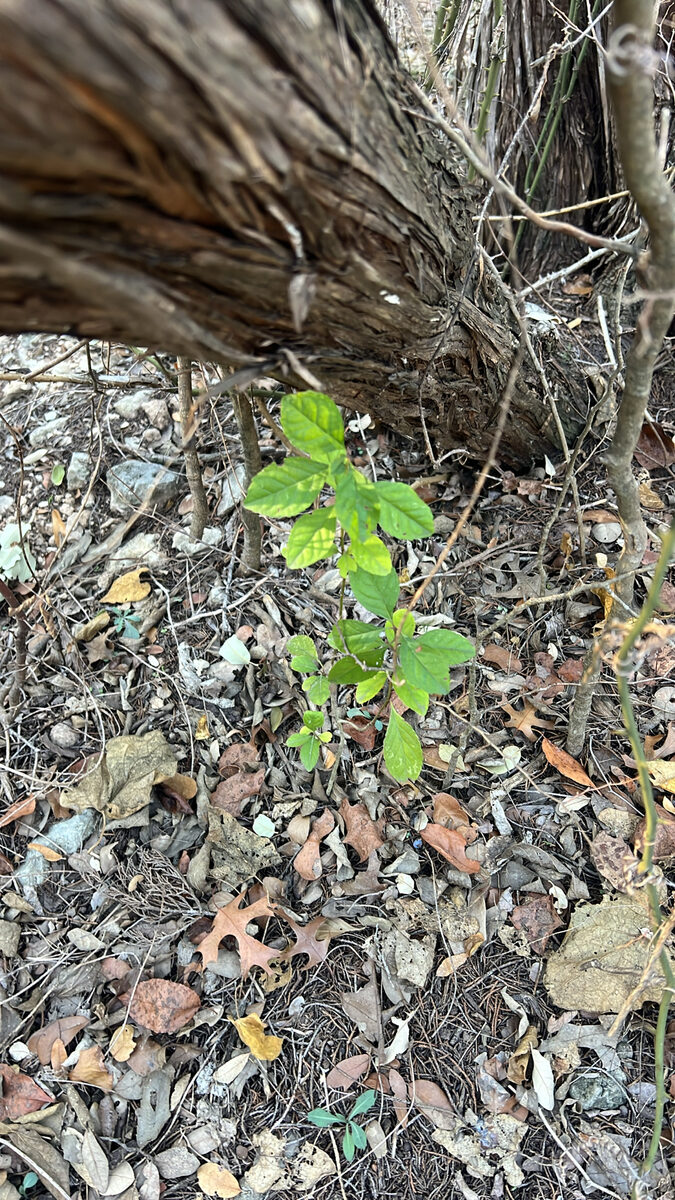
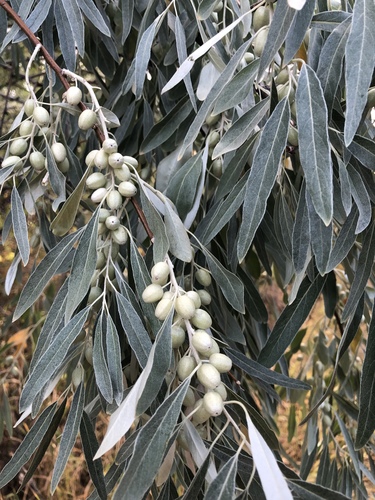
Shrubs and trees with silvery leaves; includes sea buckthorn with nutrient-rich edible berries.
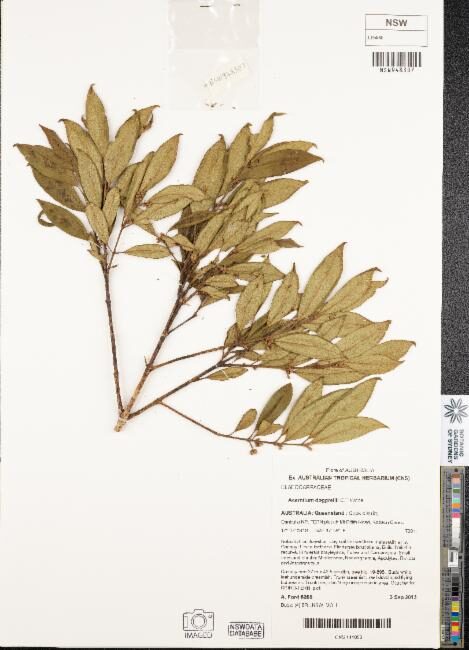
Tropical and subtropical trees; some produce edible fruits and medicinal seeds.
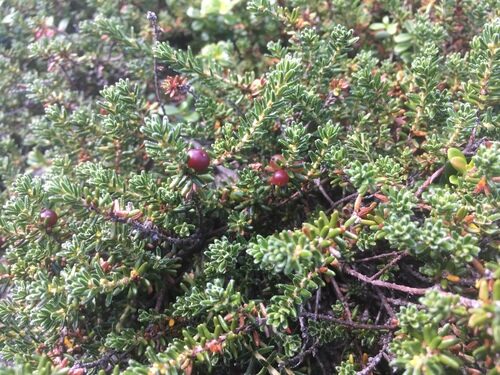
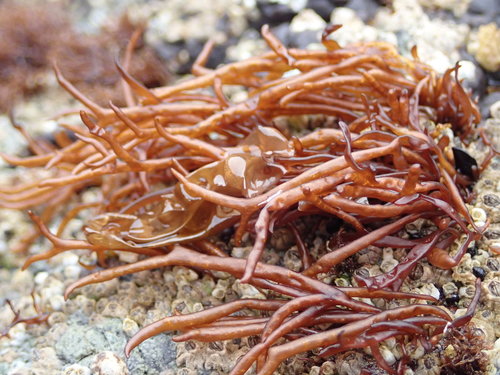
Red algae family with branching fronds; minor commercial use in some regions.
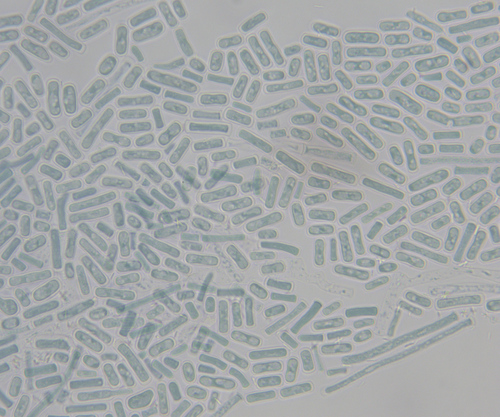
Ascomycete fungi family containing yeasts and fermentation organisms used in brewing and baking.
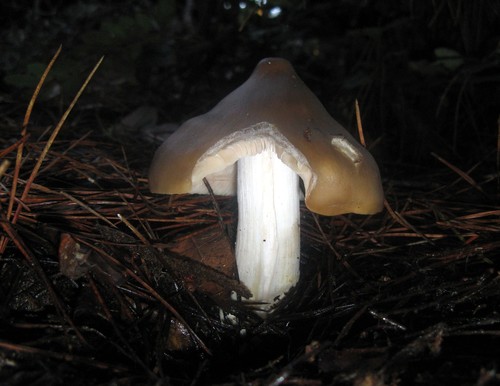
Fungal family of gilled mushrooms, mostly inedible or toxic, with pink spore prints.
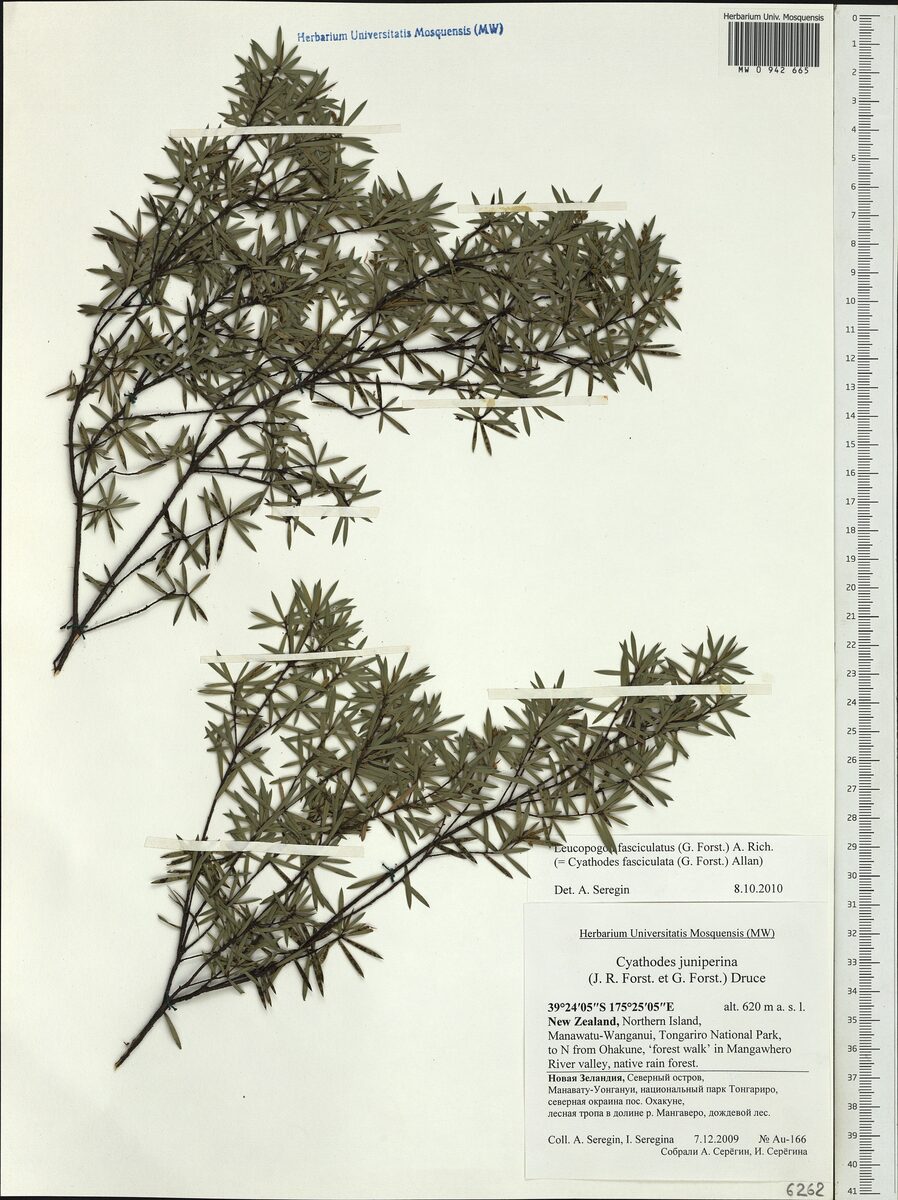
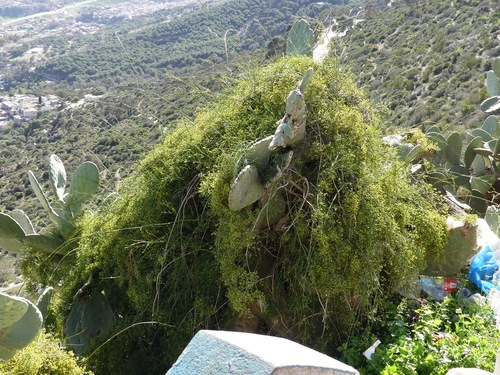
Gymnosperm shrubs producing ephedrine alkaloids; includes ma huang used traditionally in medicine.