Plant Families
569 families with edible plants · Page 2 of 12
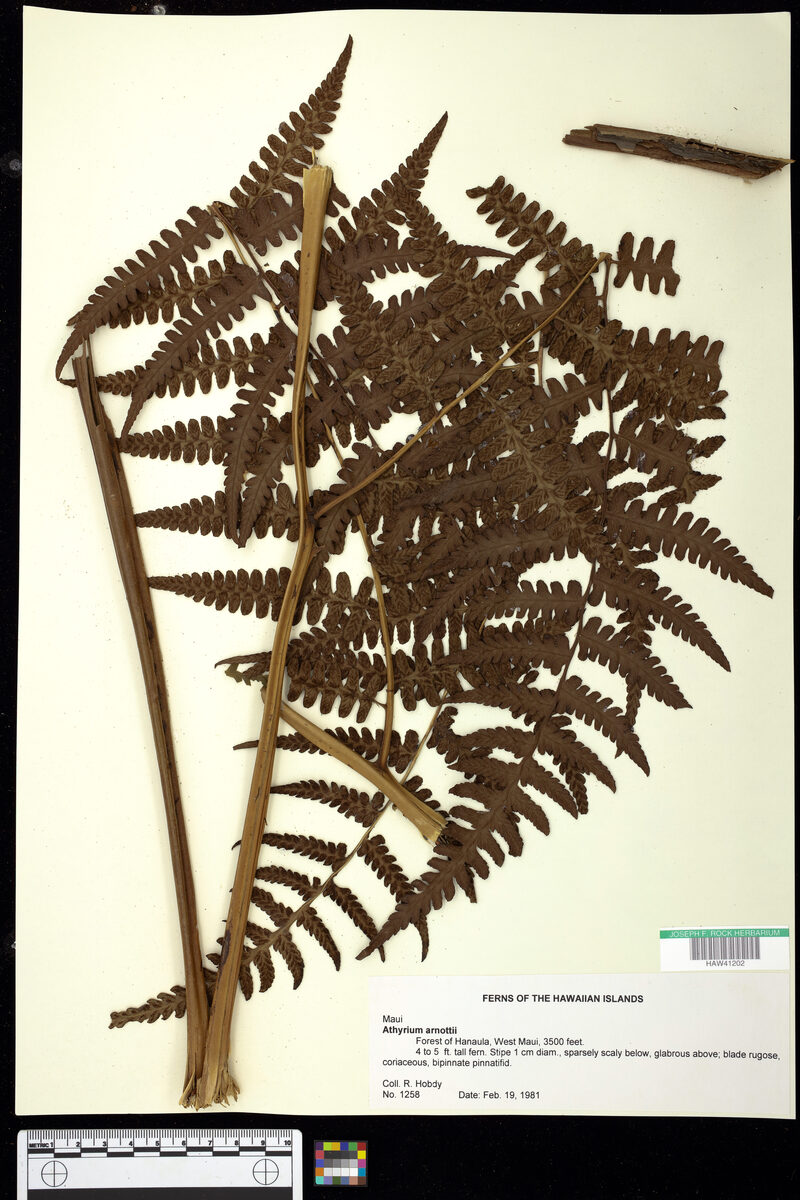
Fern family including lady ferns; delicate fronds common in temperate woodlands.
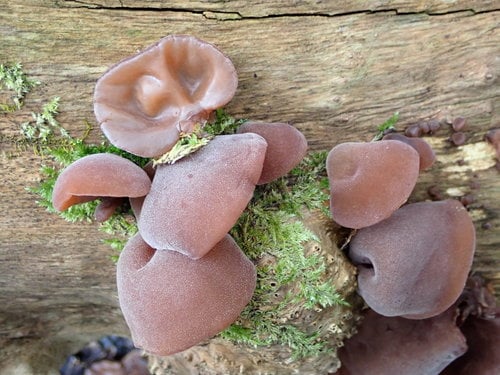
Gelatinous fungi family including wood ear mushrooms; edible species prized in Asian cuisine.
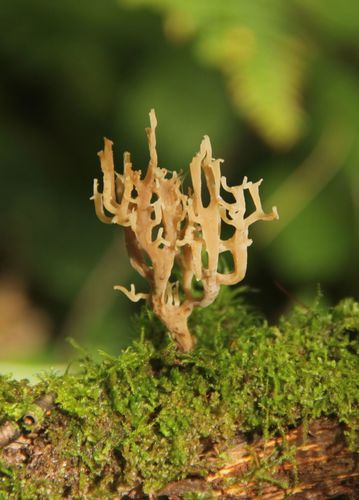
Small fungi family; includes ear-pick fungus and other woodland saprotrophs.
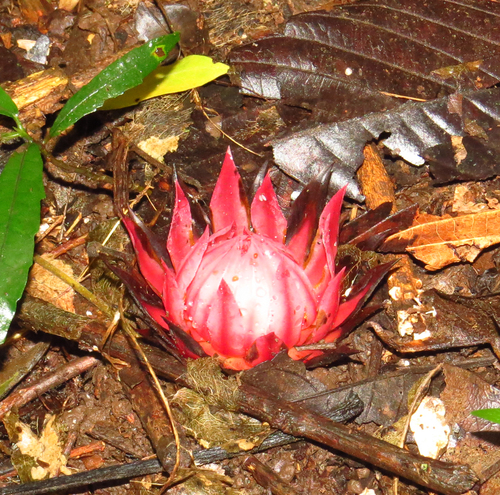
Parasitic plants lacking chlorophyll; found in tropical regions, odd morphology.
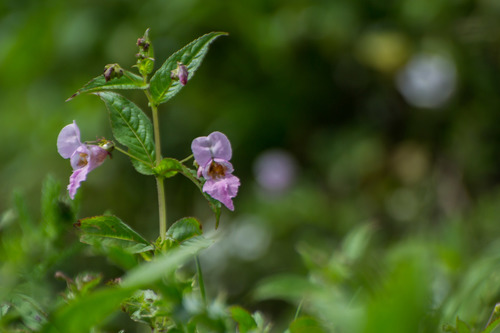
Succulent herbs including impatiens and touch-me-nots; colorful ornamental flowers.
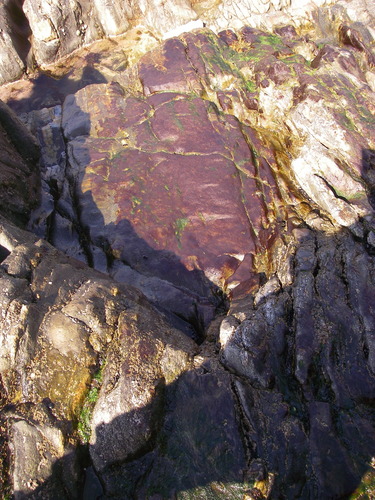
Red algae family; includes nori used in sushi and other edible seaweeds.
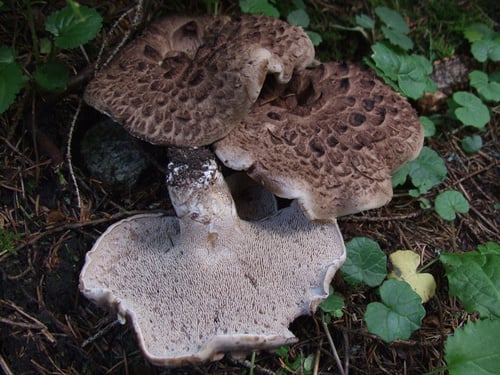
Fungal family including hedgehog mushrooms; many species are edible.
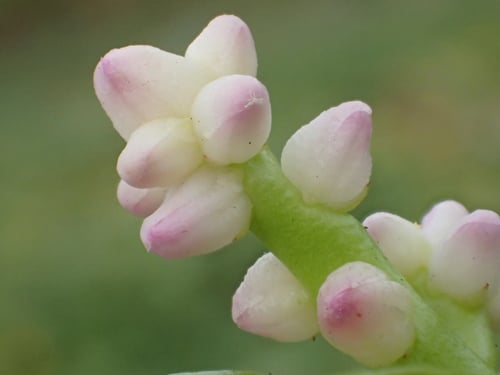
Climbing herbs including Malabar spinach; used as leafy vegetables in tropical regions.
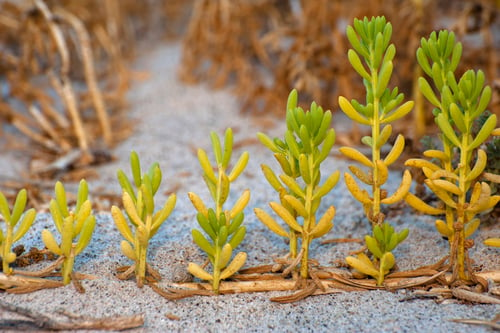
Small halophytic plant family; desert shrubs adapted to saline environments.
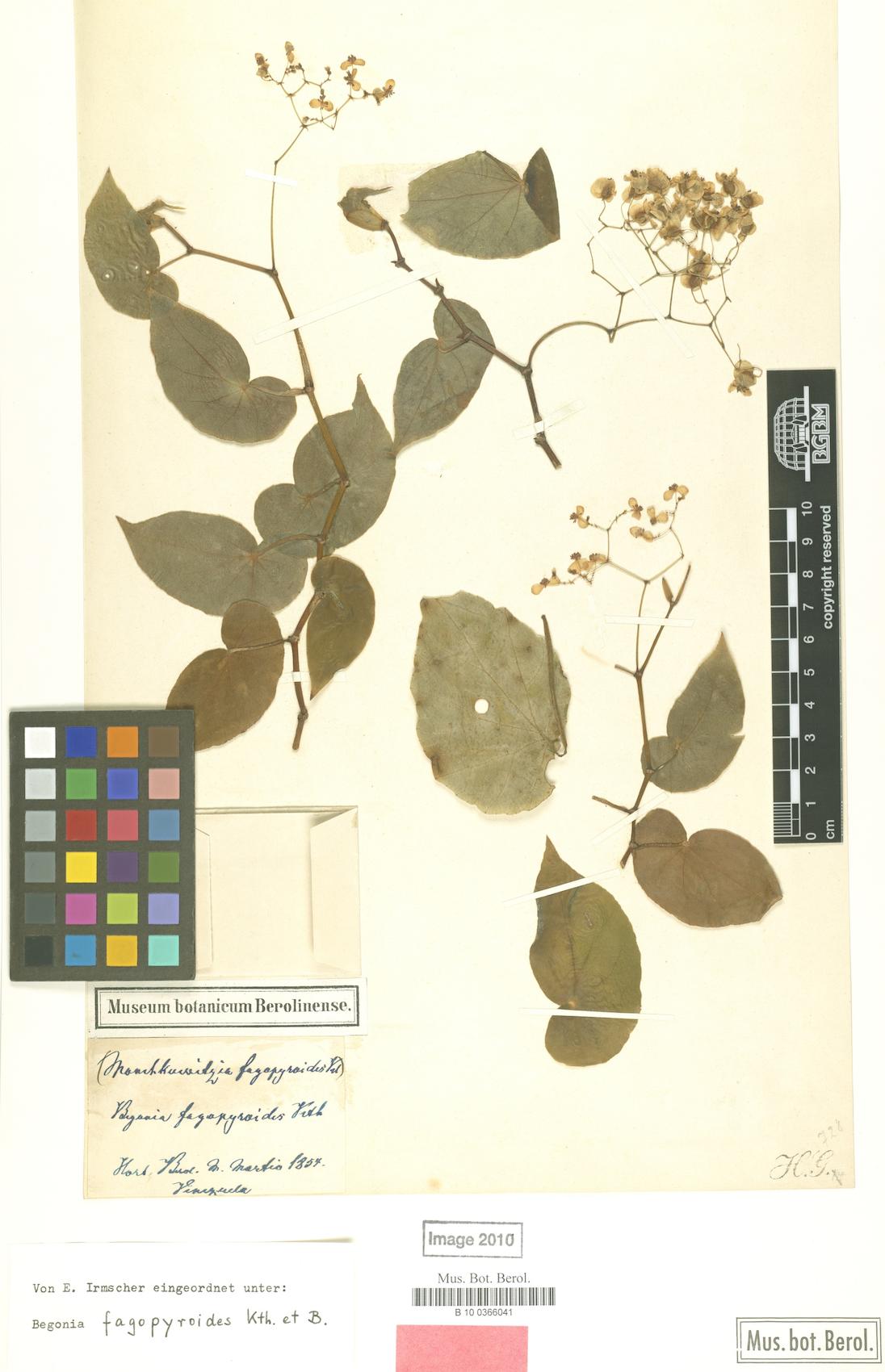
Tender plants with asymmetrical leaves; grown for ornamental foliage and flowers.
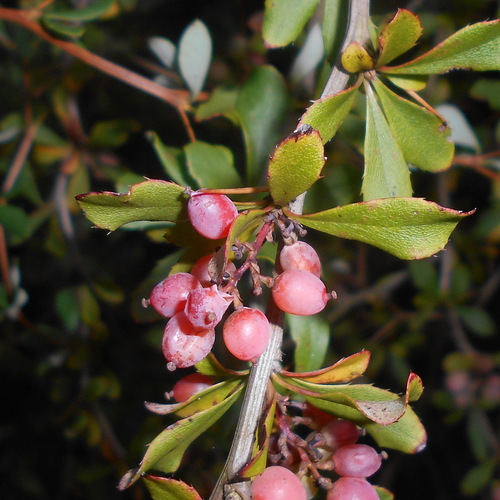
Includes barberry and may-apple; some produce edible berries, others toxic.
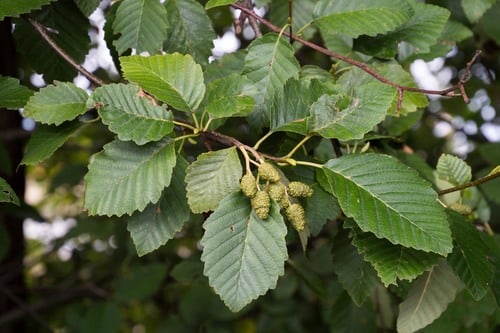
Trees and shrubs including birch, alder, and hazelnut; hazelnuts are edible nuts.
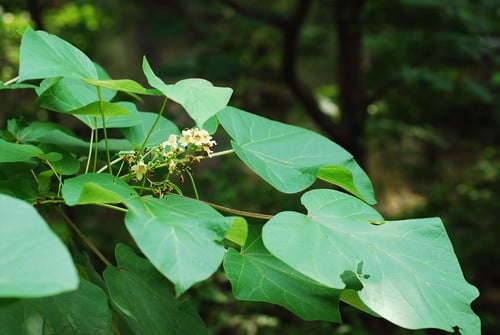
Woody vines and trees with showy trumpet flowers; mostly ornamental species.
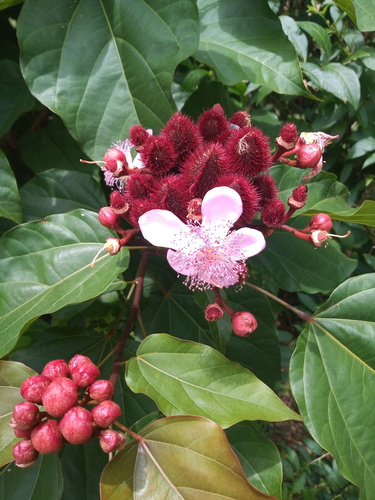
Tropical trees including annatto; seeds produce red food coloring and dye.
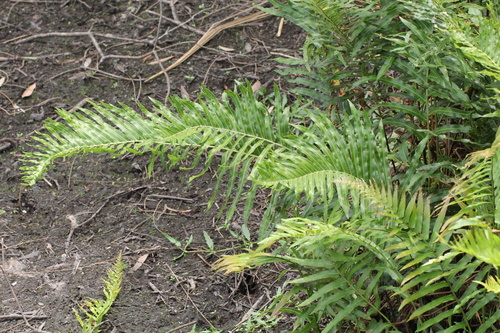
Fern family including hard ferns and water ferns, mostly non-edible fronds used ornamentally.
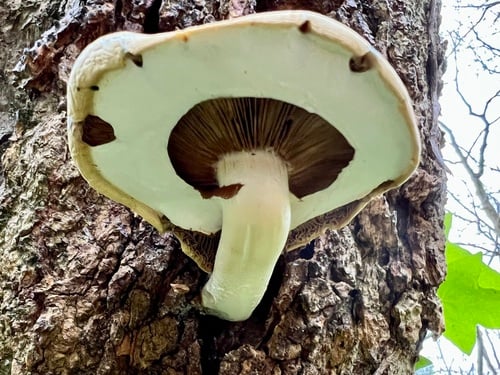
Small fungal family of delicate brown mushrooms, mostly inedible or toxic species.
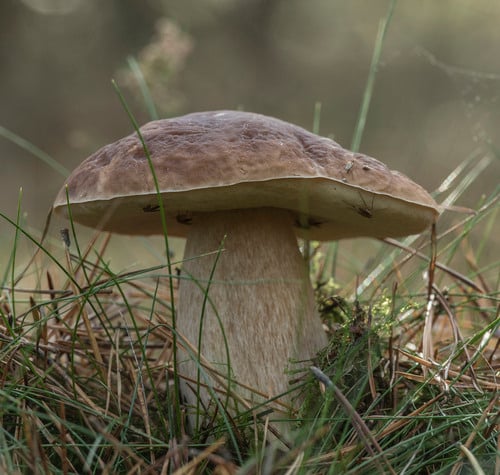
Fungal family including edible boletes and porcini mushrooms, prized culinary fungi.
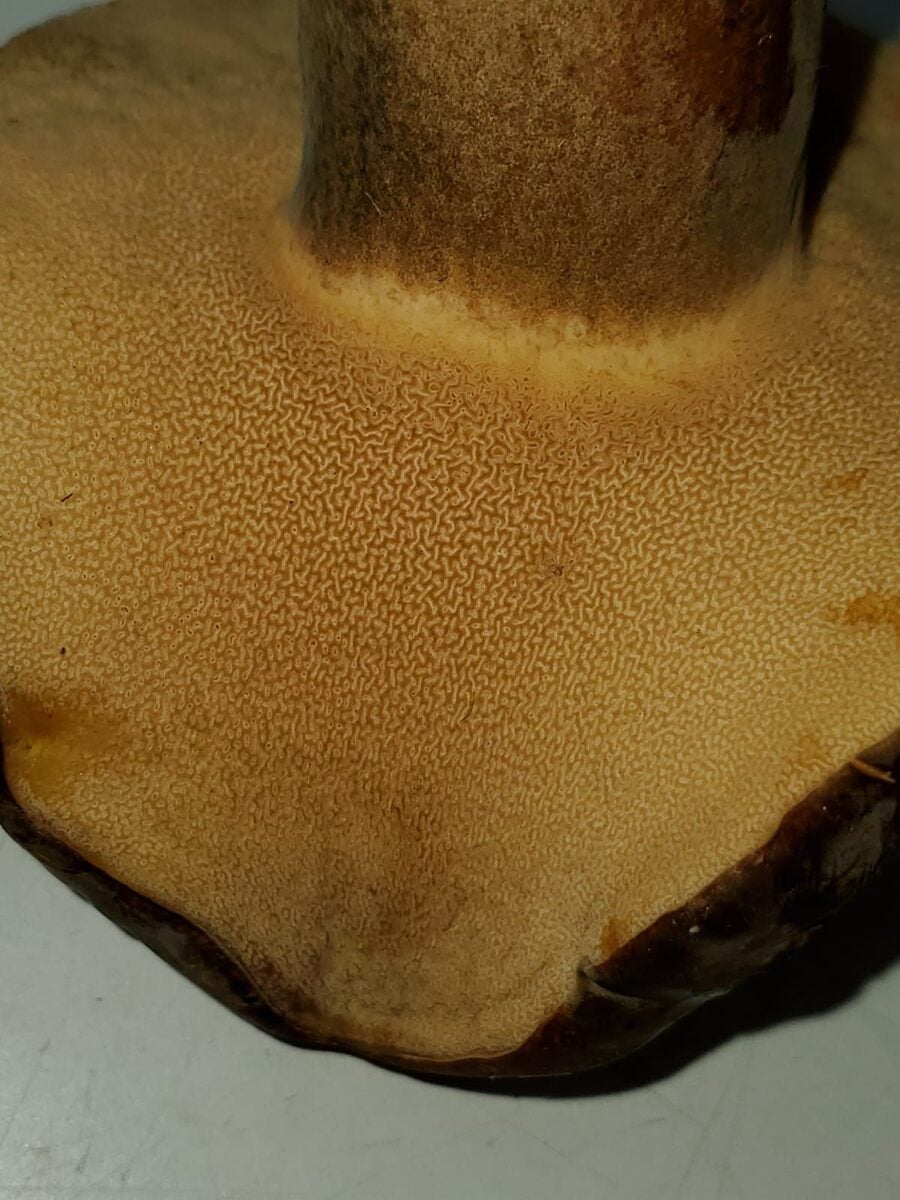
Fungal family of small, rare boletes with limited edibility and minimal culinary use.
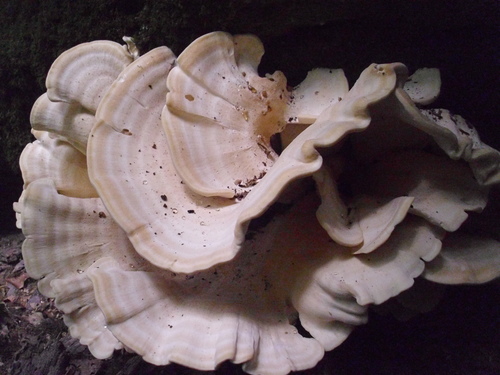
Fungal family of polypore fungi, mostly inedible wood decomposers without culinary value.
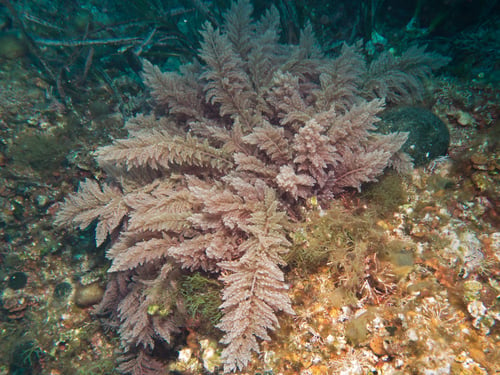
Red algae family with minimal economic importance, rarely harvested for food.
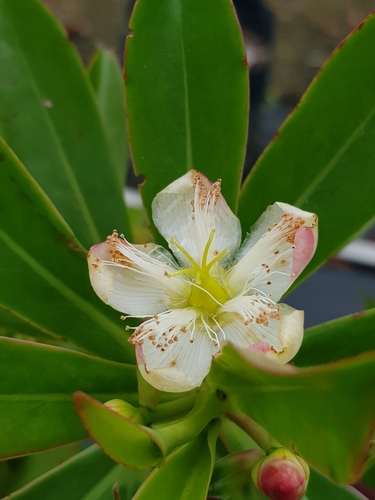
Tropical tree family with no significant edible members or common uses.
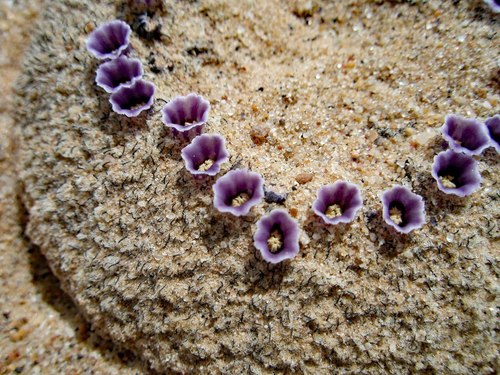
Herb family including borage, comfrey, and forget-me-nots with culinary and medicinal uses.
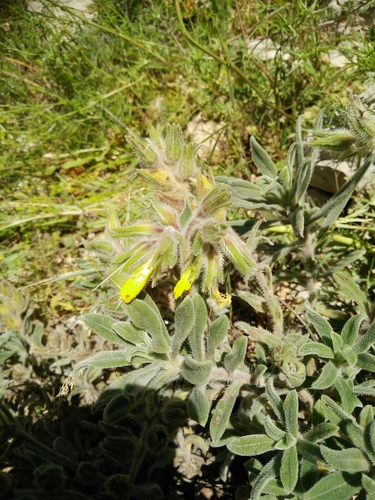
Misspelled or obsolete name; see Boraginaceae for correct botanical designation.
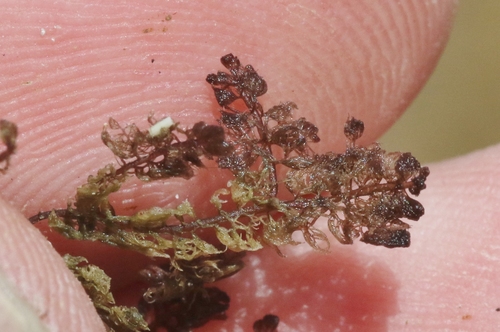
Red algae family, minor seaweed with limited commercial food applications.
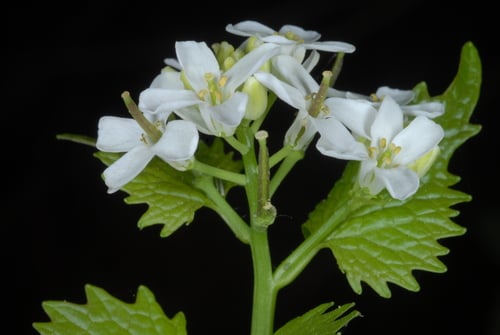
Cruciferous family including cabbage, broccoli, mustard, and radish—major vegetable crops.
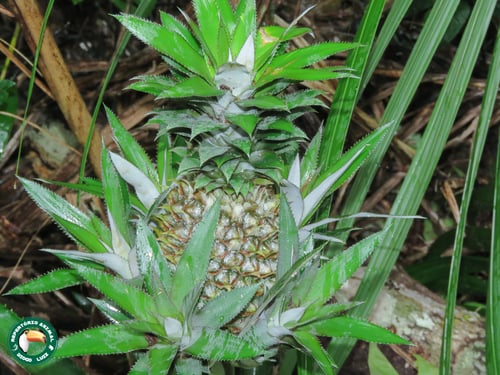
Tropical family including pineapple, with ornamental and edible members.
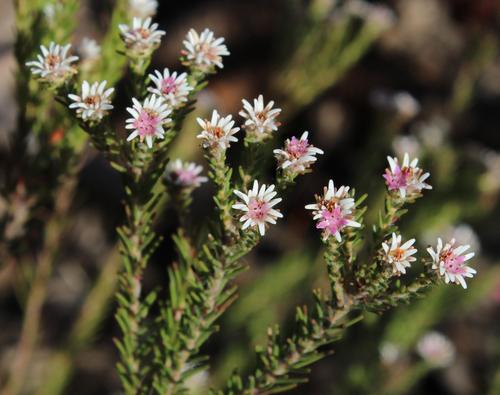
South African family of small shrubs with no significant culinary importance.
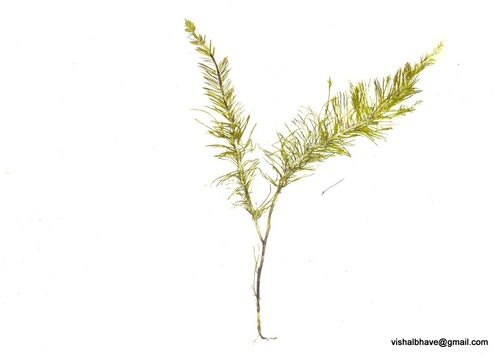
Green algae family, mostly marine with minimal use in human food.
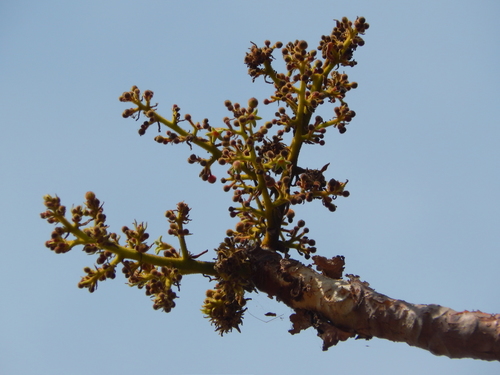
Tropical tree family producing frankincense, myrrh, and aromatic resins.
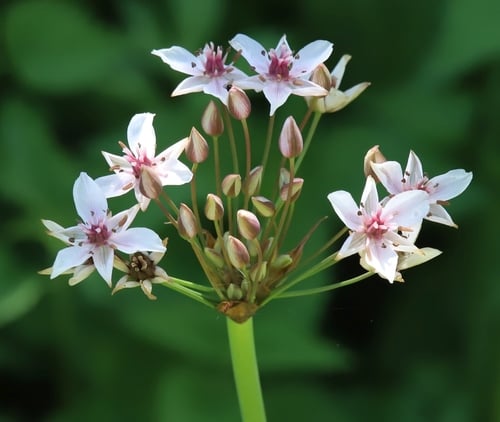
Aquatic plant family with flowering plants, no important edible members.
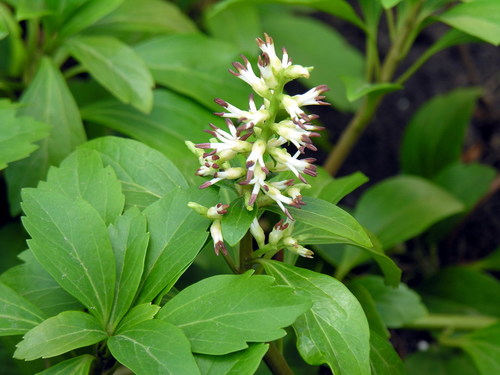
Evergreen shrub family including boxwood, primarily ornamental with no edible use.
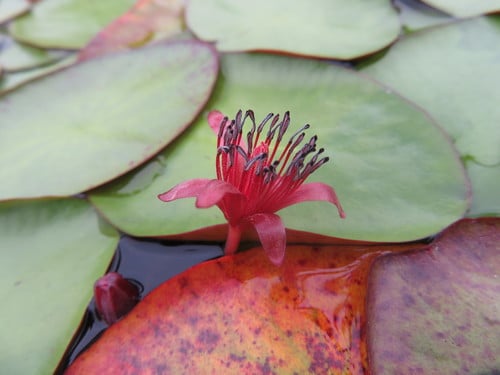
Water plant family with fanwort, aquatic herbs without significant culinary value.
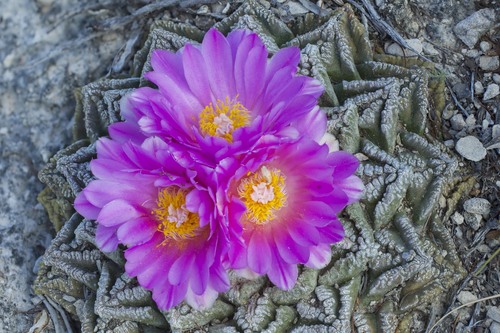
Succulent family including prickly pear and barrel cactus with edible fruits and pads.
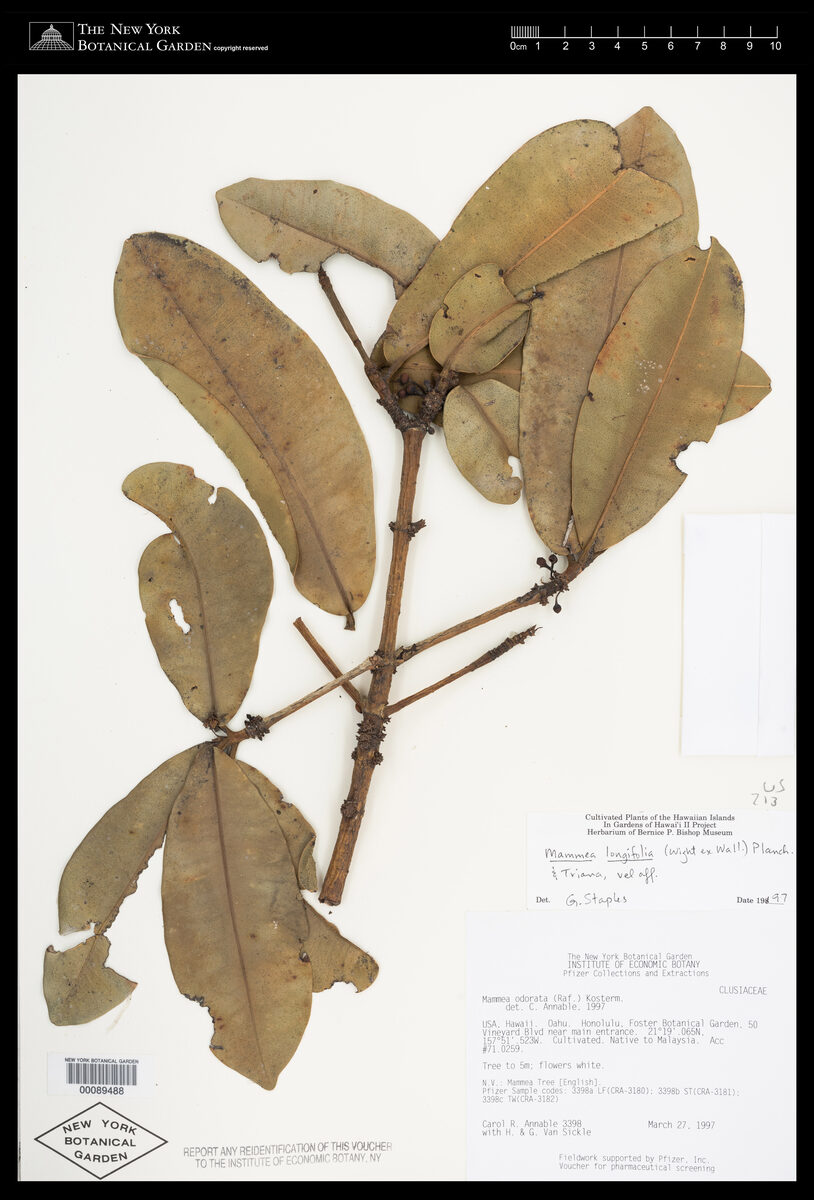
Tropical tree family producing oils and resins, minor edible fruit species.
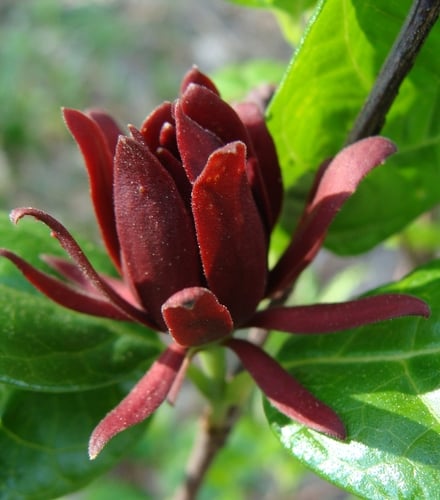
Aromatic deciduous shrubs with fragrant flowers; includes Carolina allspice and sweetshrub species.
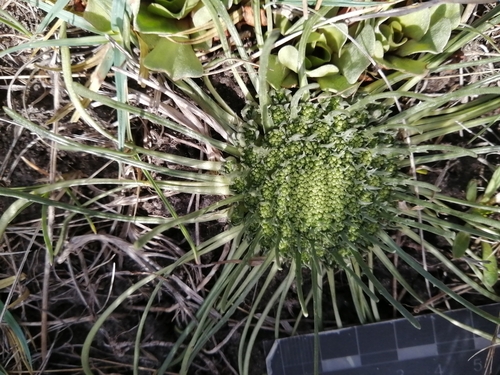
Small family of South American herbs and shrubs with clustered flower heads.
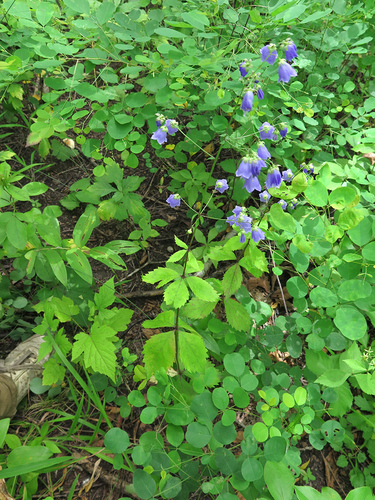
Herbaceous plants and climbers with bell-shaped flowers; includes edible campanula and lobelias.
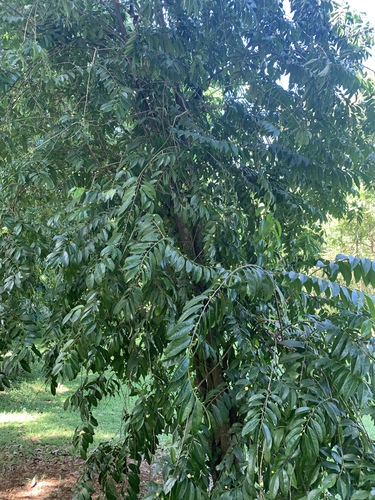
Tropical trees with aromatic bark; includes cinnamon relatives used as spice.
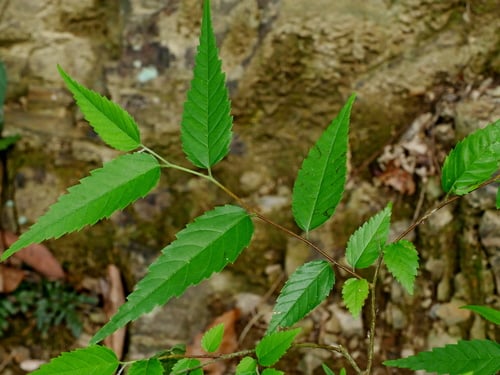
Herbaceous and woody plants including hemp, hops used in brewing, and cannabis.
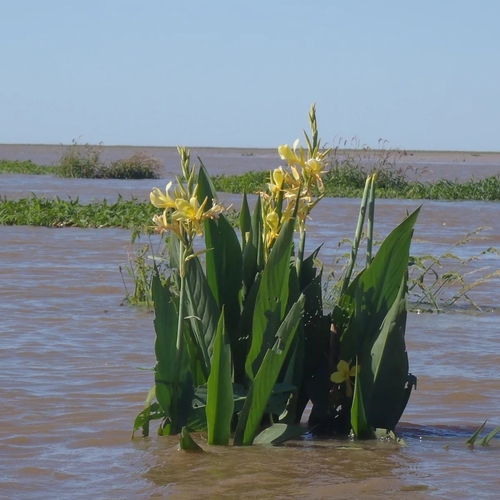
Tropical plants with large leaves and showy flowers; includes edible canna lilies with starchy rhizomes.
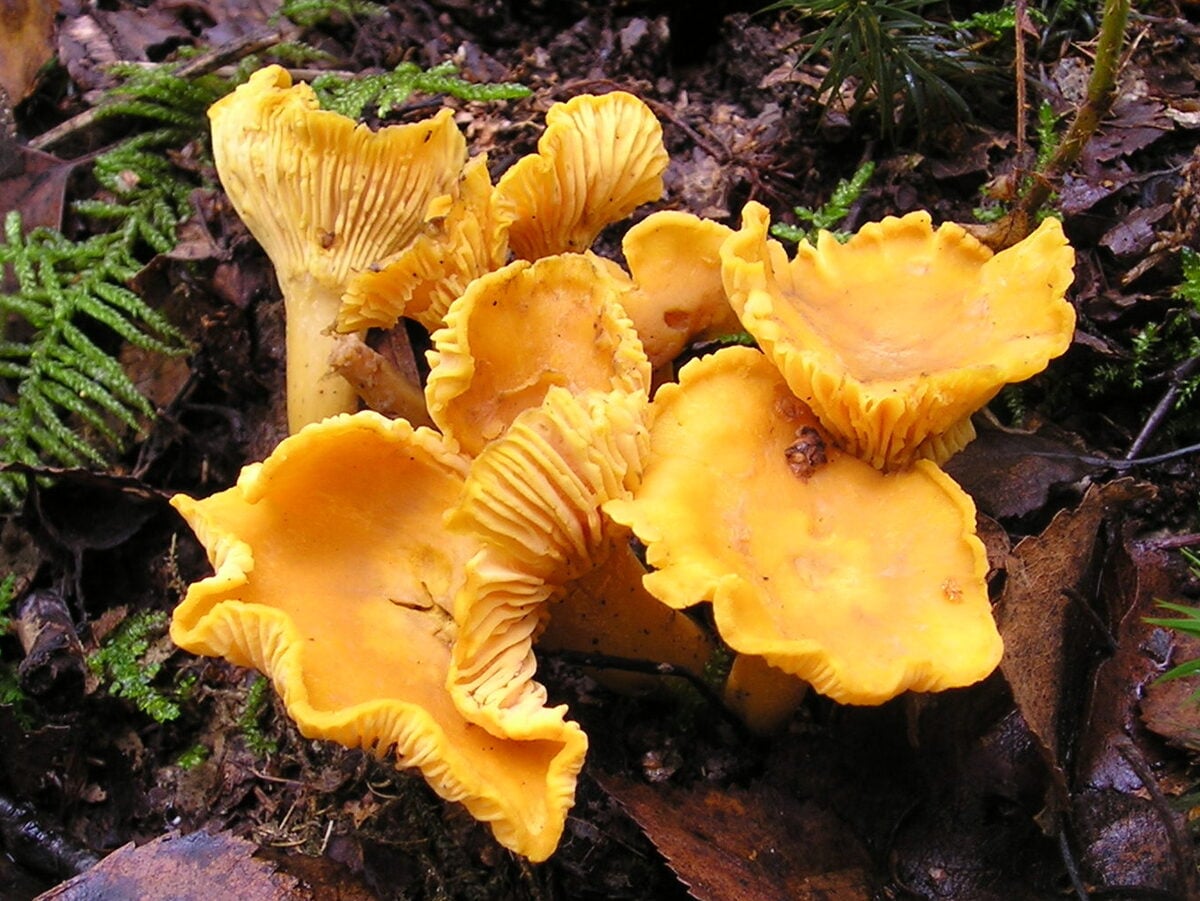
Family of fungi; not applicable to vascular plants.
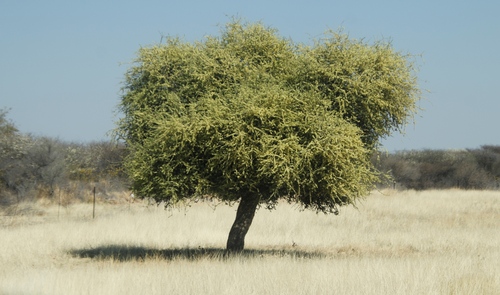
Herbaceous plants and shrubs; includes capers used as culinary condiments and related species.
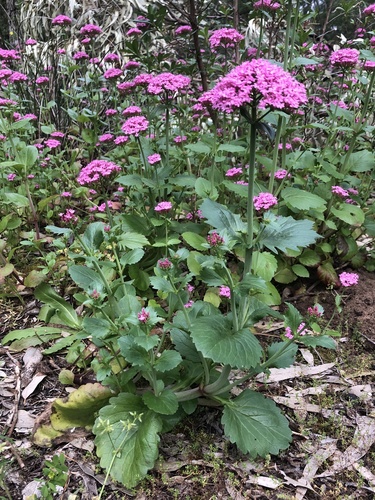
Woody plants and herbs including honeysuckles, elderberries, and viburnums with edible berries.
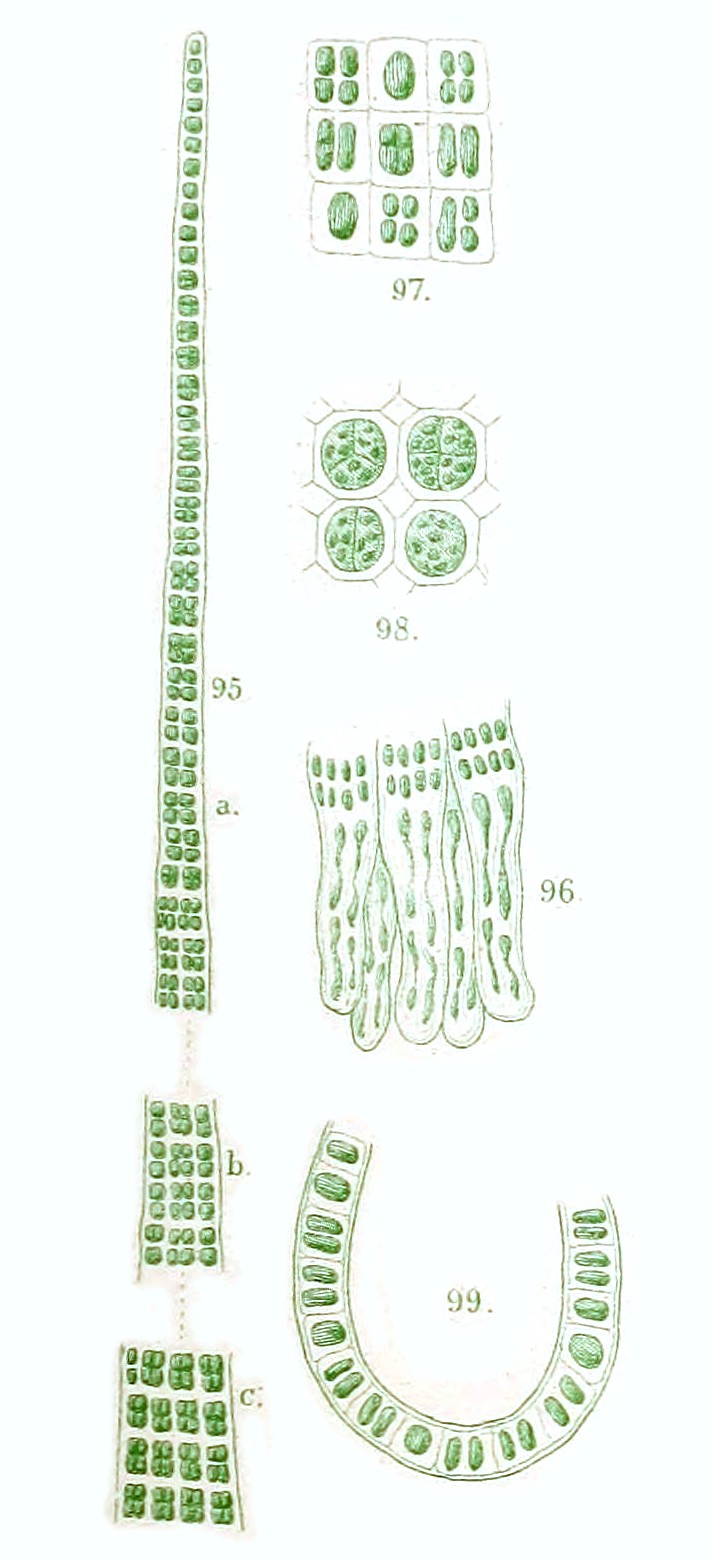
Family of green algae; not applicable to terrestrial vascular plants.
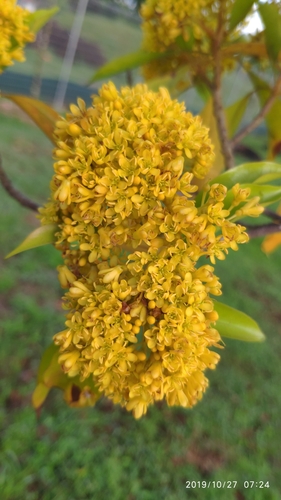
Small family of tropical trees with winged fruits.
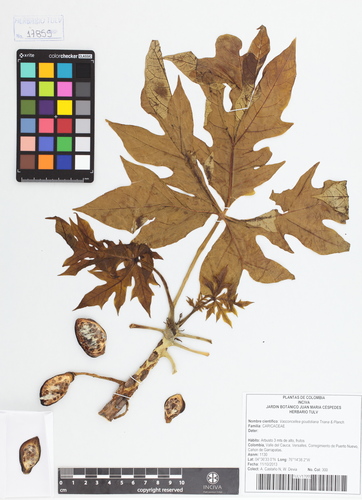
Tropical trees including papaya with large edible fruits rich in enzymes.
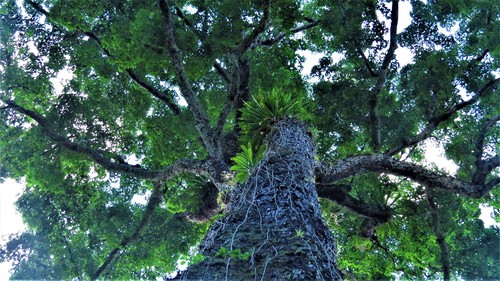
South American trees producing large oily nuts; includes Brazilian nut-like fruits.