Plant Families
569 families with edible plants · Page 3 of 12
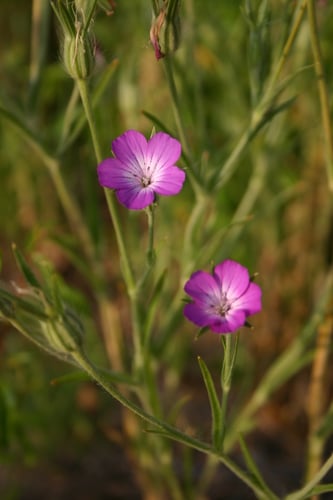
Herbaceous plants including carnations, pinks; includes edible chickweed and related species.
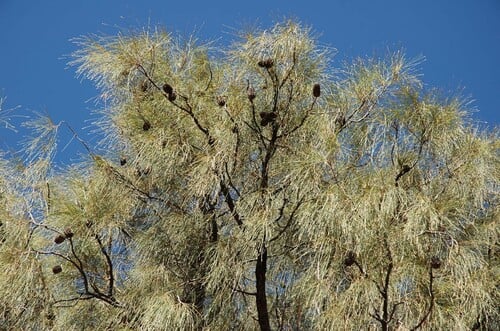
Australian trees resembling conifers; produces edible seeds in some species.
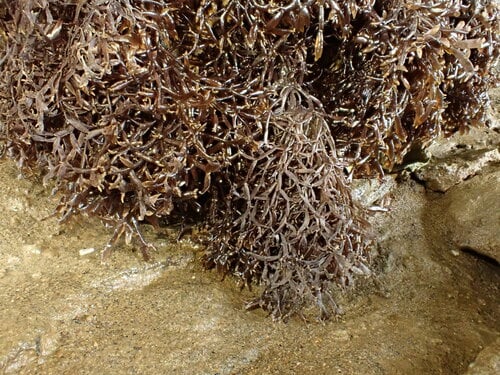
Small family of Australian shrubs with needle-like leaves.
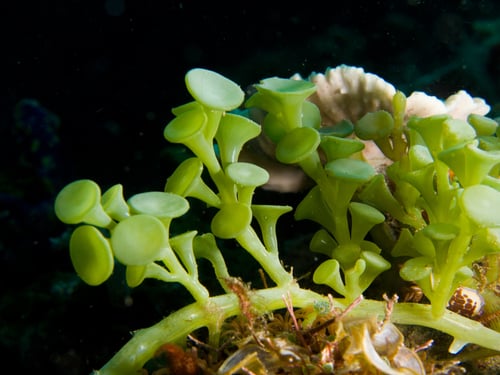
Marine green algae; includes edible sea grapes used in Asian cuisine.
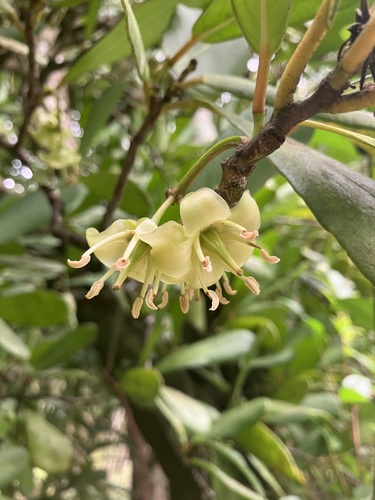
Woody plants including spindle trees; some species have edible fruits or seeds.
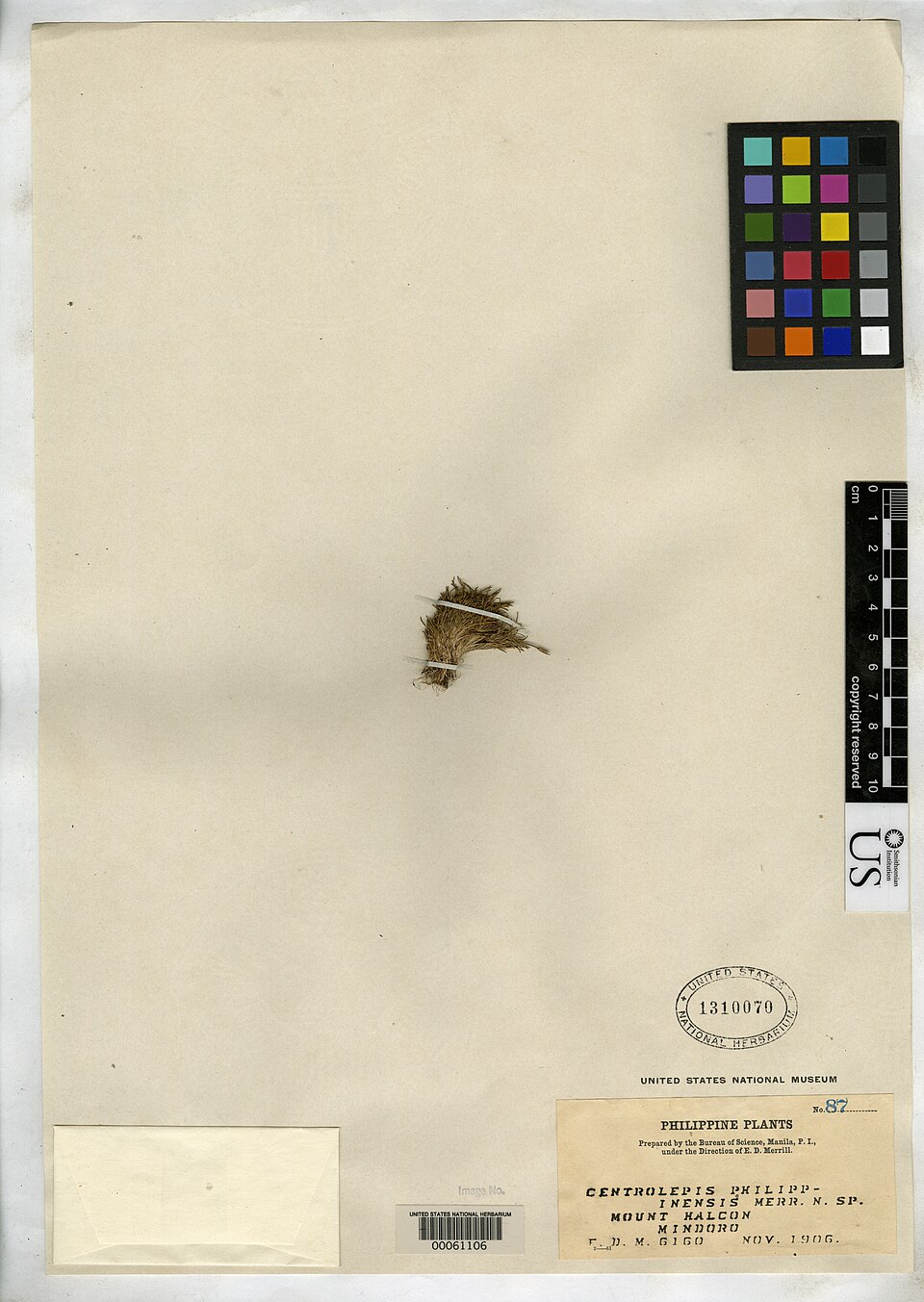
Small family of Australian and New Zealand rush-like herbs.
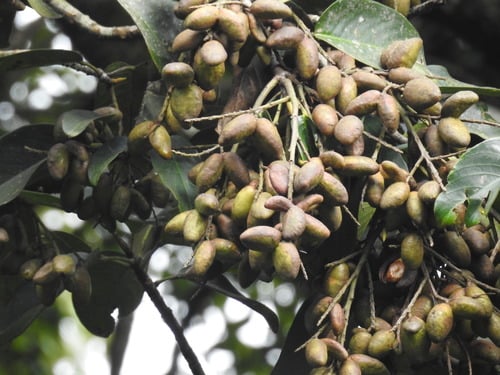
Family of tropical trees producing oily seeds; includes African plant species.
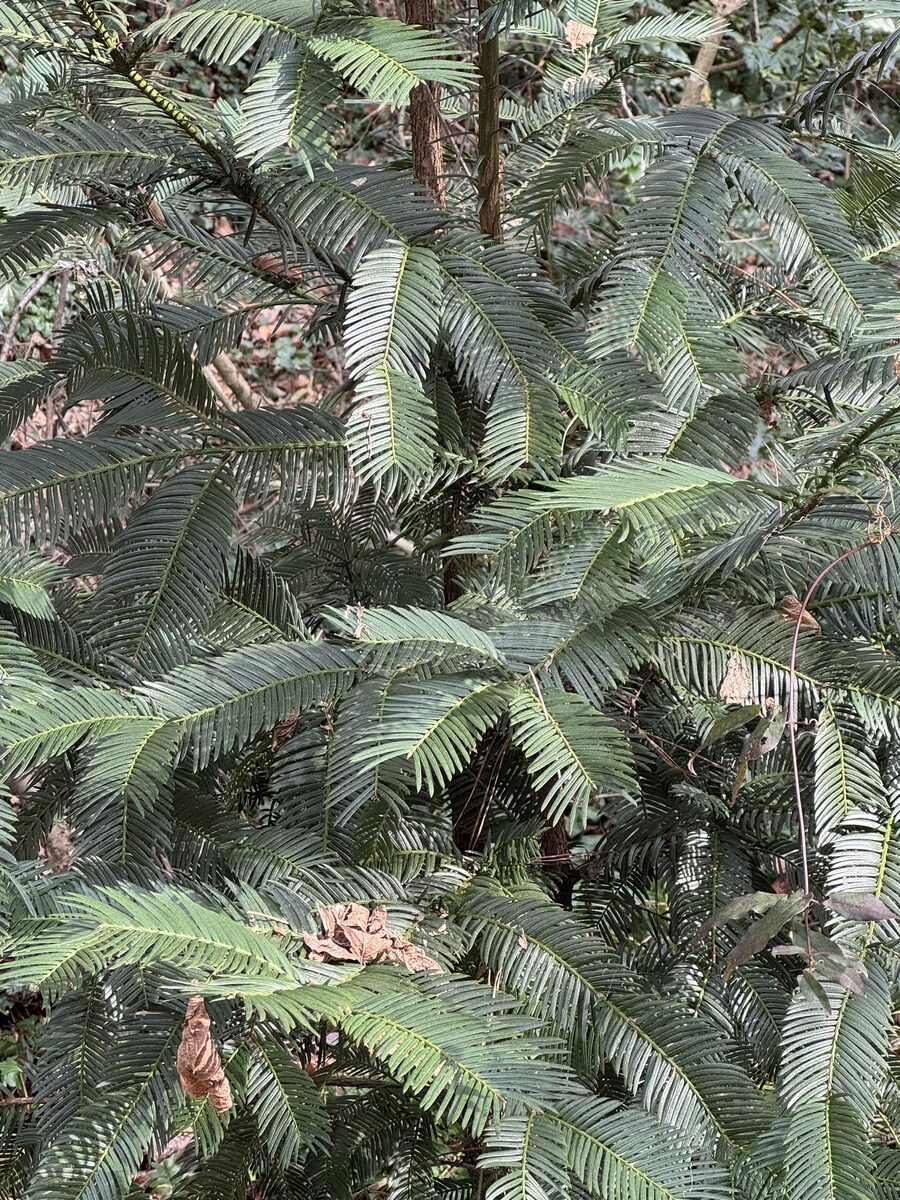
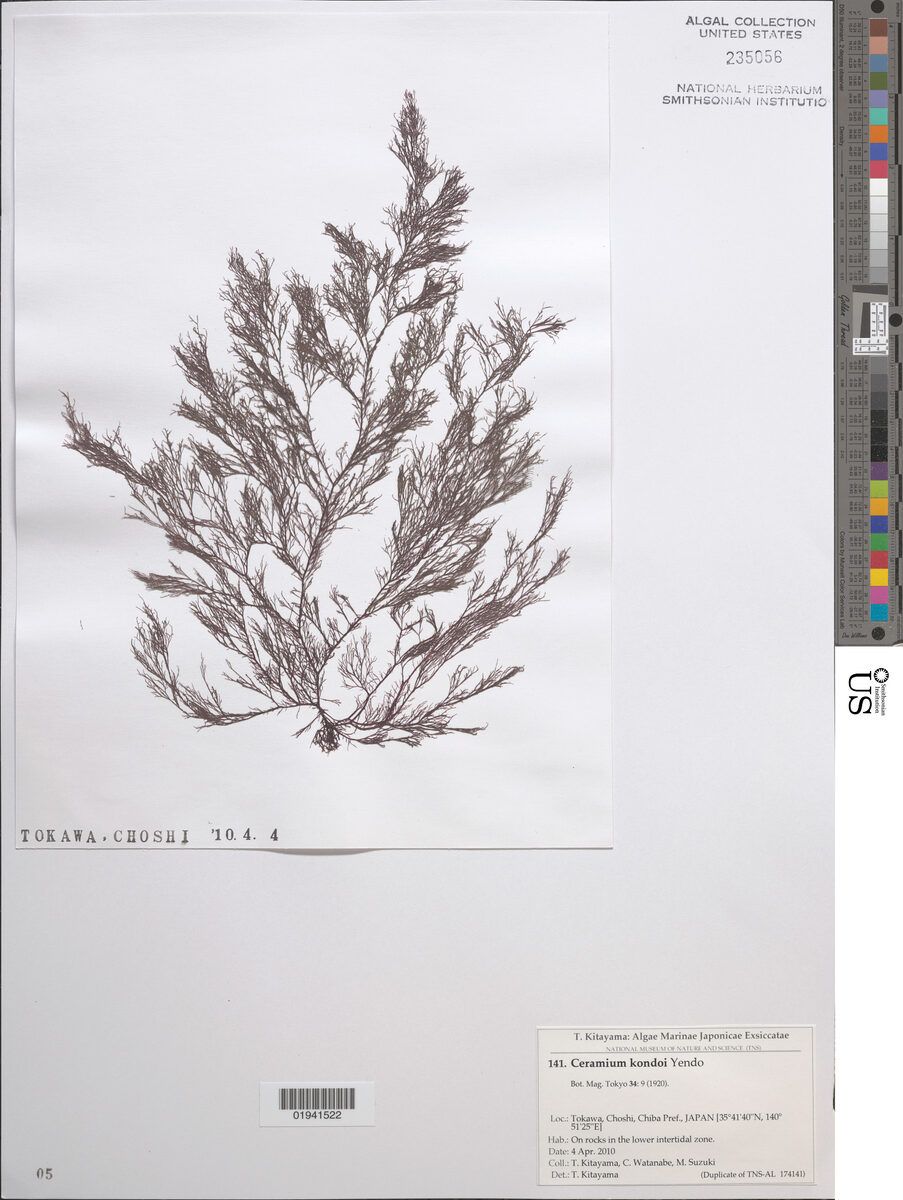
Red algae family with delicate branched forms, some used in food and cosmetics.
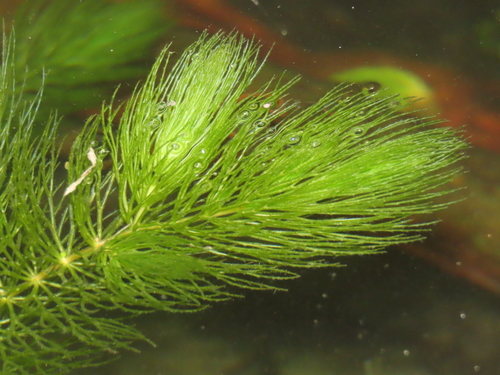
Aquatic flowering plants with feathery submerged leaves, commonly used in aquariums.
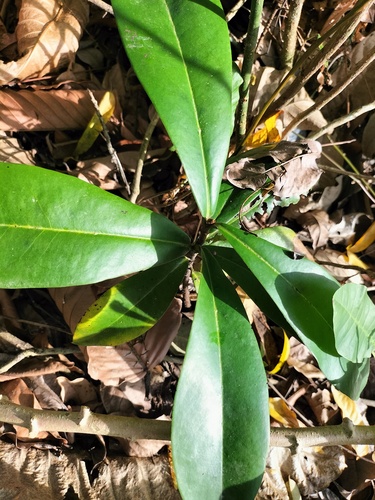
Small woody plants with fragrant flowers, including wintergreens and aromatic species.

Single-celled green algae used as nutritional supplements and biofuel sources.
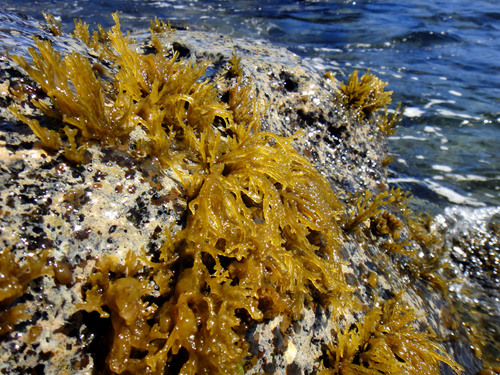
Brown algae family found in marine environments, some edible kelp species.
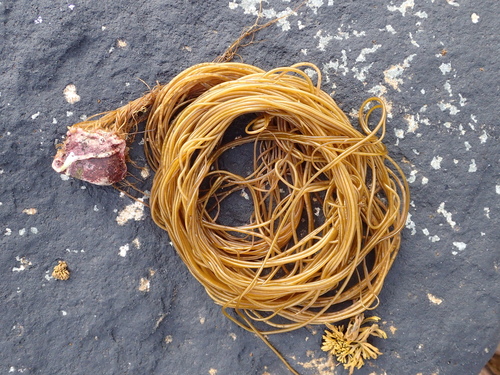
Brown algae with cord-like or whip-like structures in marine habitats.
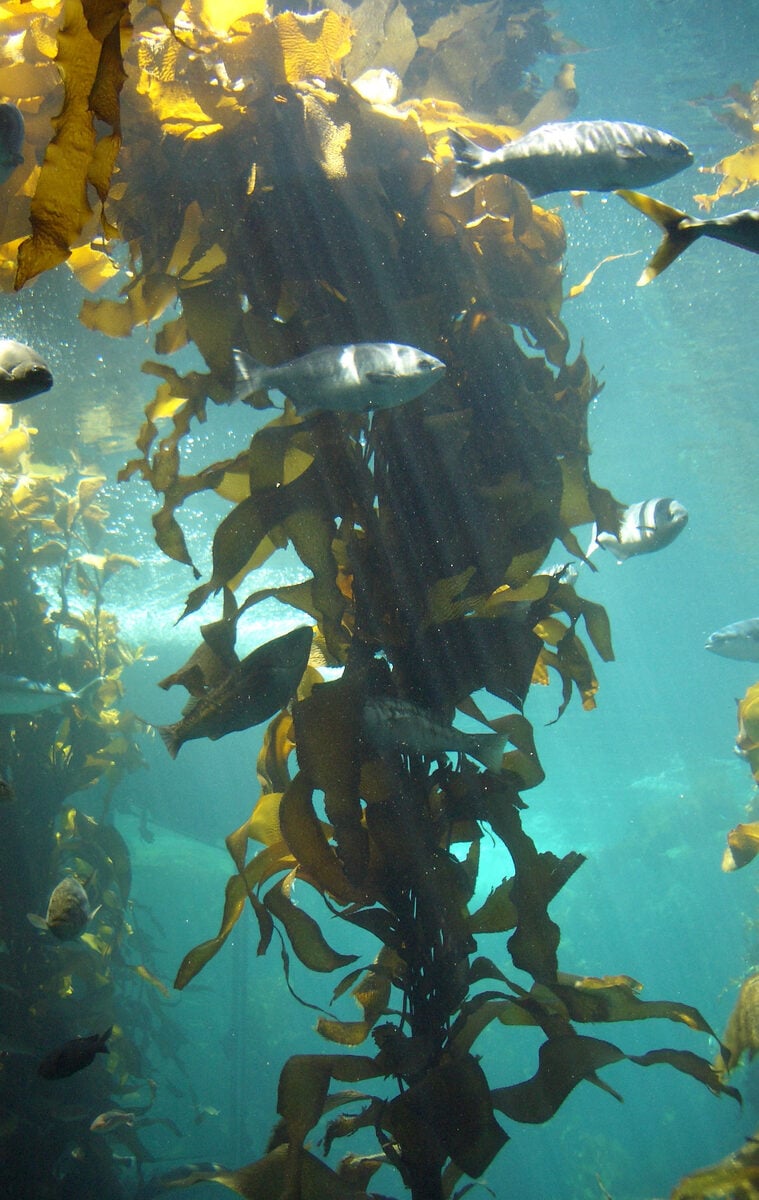
Brown algae family with cylindrical or flattened thallus forms in cold waters.
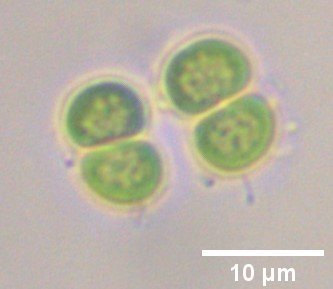
Cyanobacteria forming colonies, some spirulina species used as protein supplements.
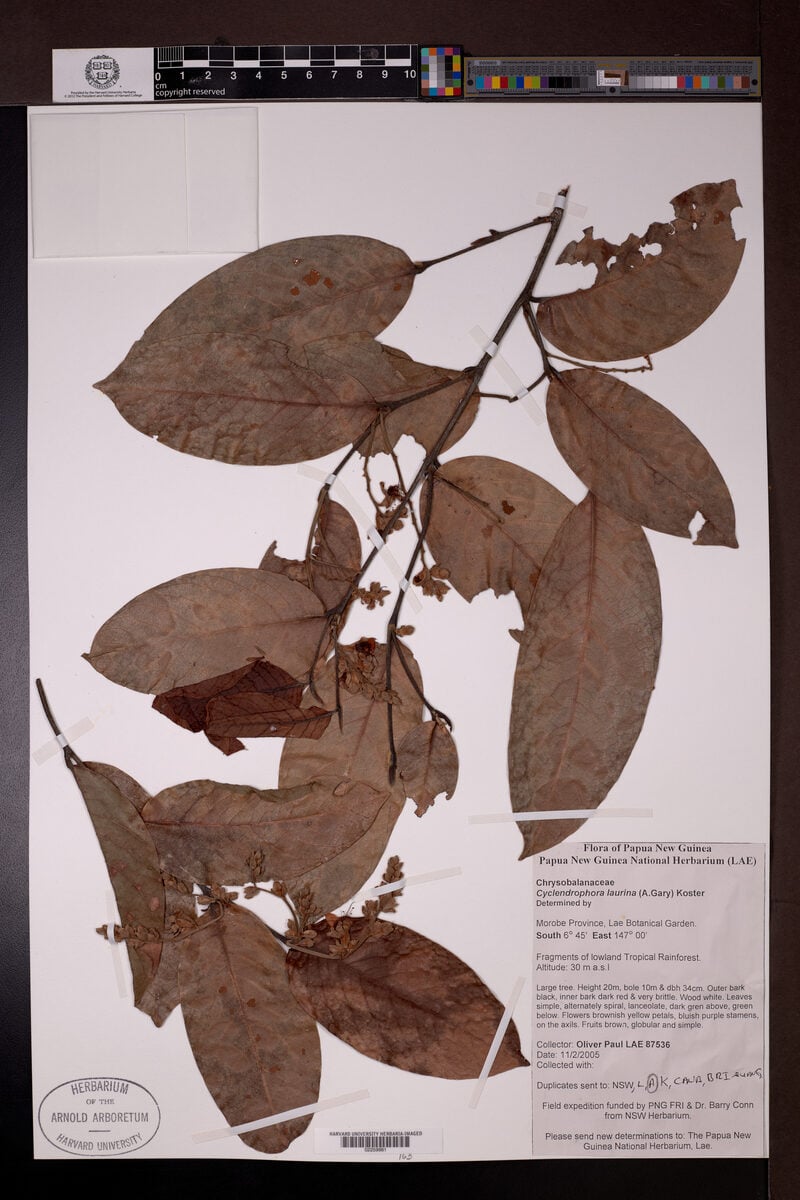
Tropical trees producing edible fruits like cocoplums and chrysobalanus nuts.

Fungal family associated with plant pathogens and decomposition processes.
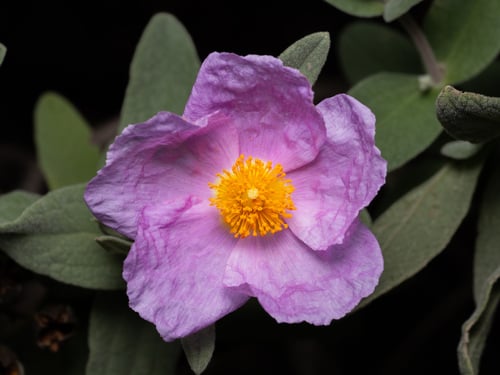
Shrubby plants with showy flowers, including rock roses, no major edibles.
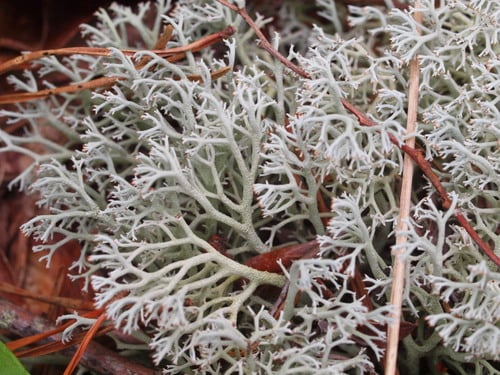
Lichen family with cup-shaped fruiting bodies, some traditional medicinal uses.
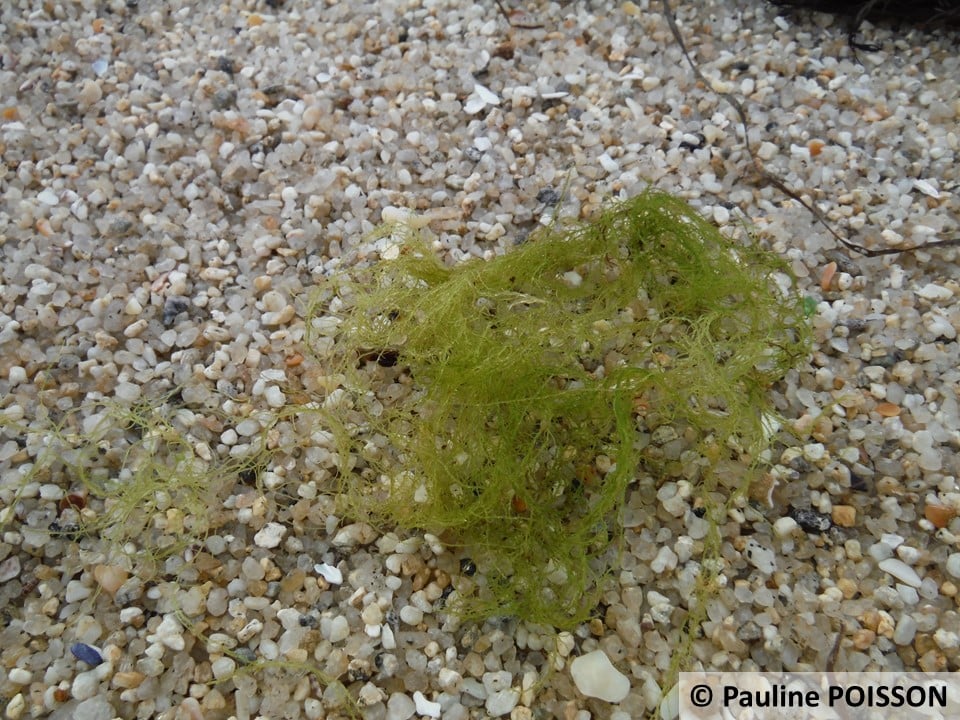
Green algae forming filamentous mats in freshwater and marine environments.
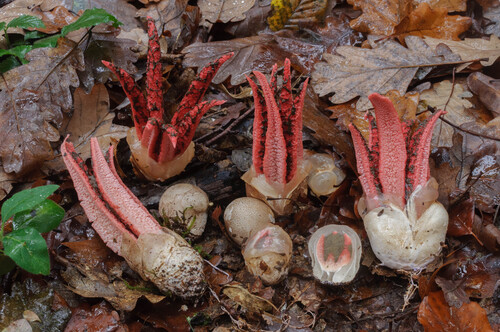
Fungal family with latticed fruiting bodies, some mushrooms with distinctive cage structures.
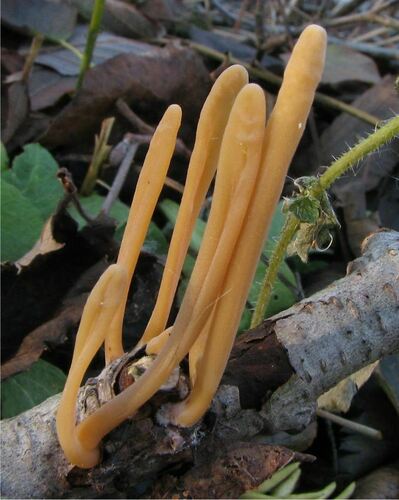
Club fungi family with simple or branched fruiting bodies, some edible species.
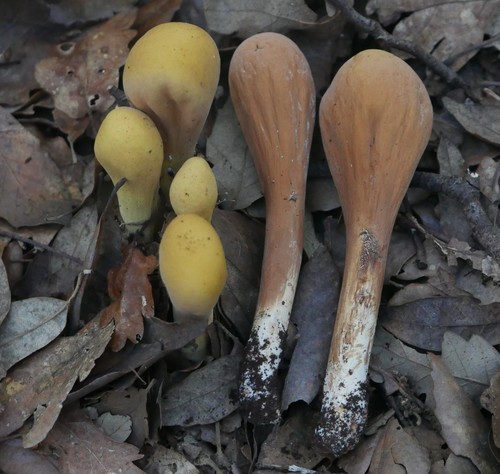
Club fungi producing upright unbranched or slightly branched fruiting bodies.
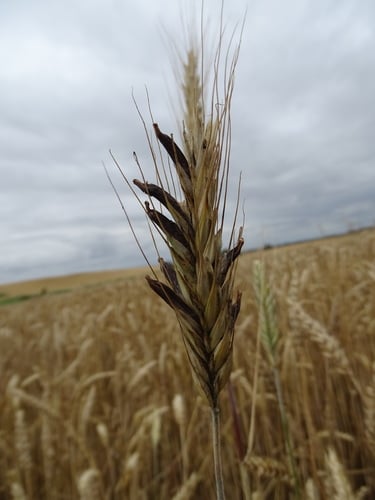
Parasitic fungi infecting grasses and insects, including ergot-producing species.
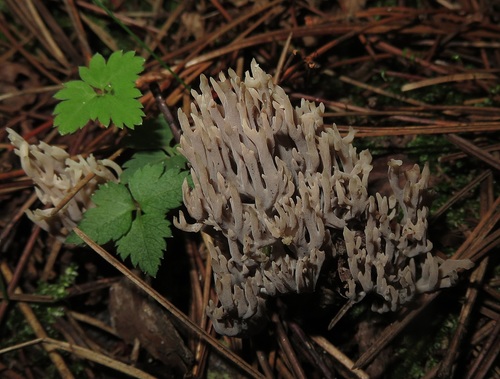
Club fungi with branched fruiting bodies, some edible coral-like mushrooms.
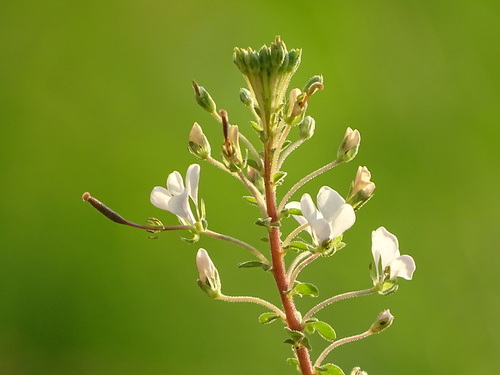
Flowering plants with showy four-petaled flowers, including peppery-fruited spider flowers.
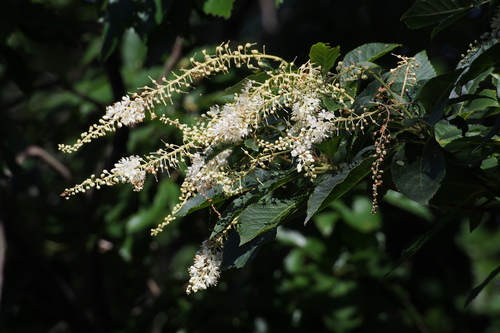
Deciduous or evergreen shrubs with aromatic leaves and fragrant flower clusters.
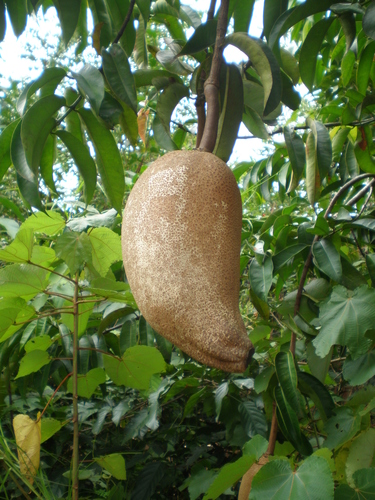
Tropical trees and shrubs producing yellow resins and oils; includes mangosteen and garcinia species.
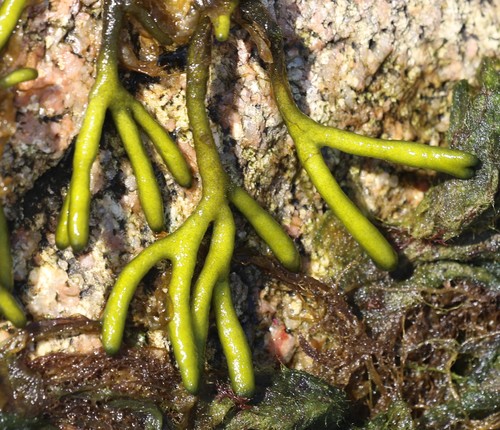
Marine green algae forming calcified structures; minor role in human food systems.
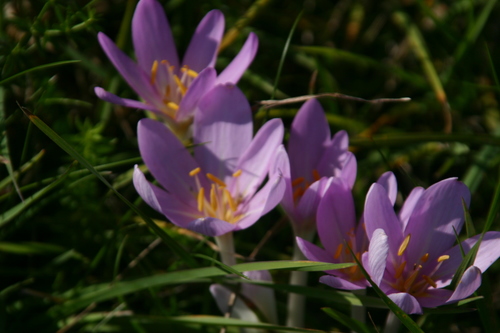
Herbaceous plants including autumn crocus; mostly toxic, medicinally important for gout treatment.
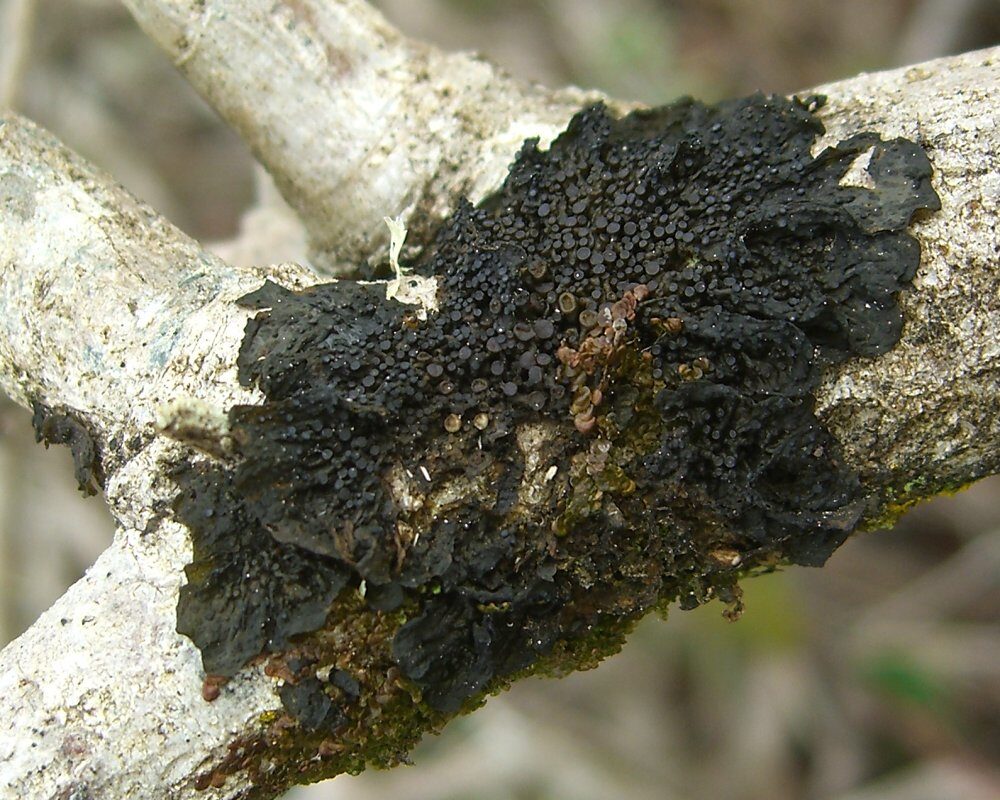
Gelatinous lichens; not edible, play ecological roles in soil development.
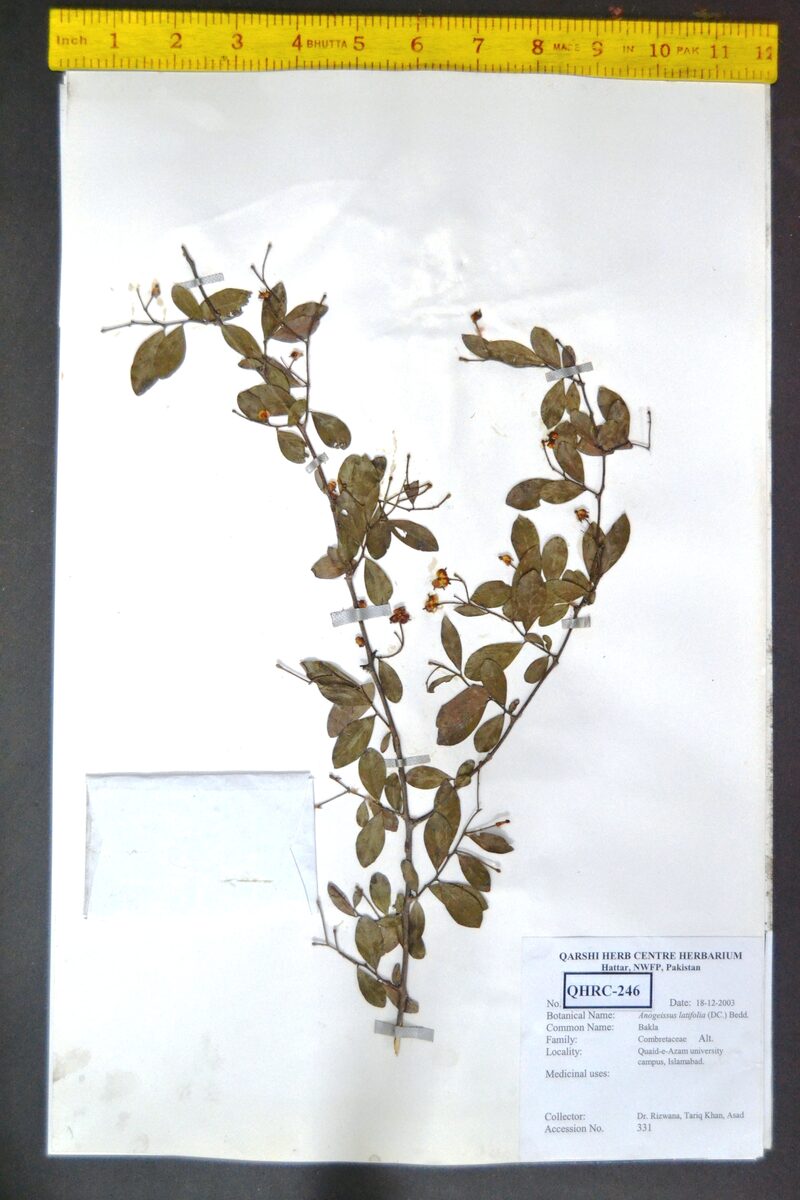
Tropical trees and shrubs; includes combretum species with limited edible uses.
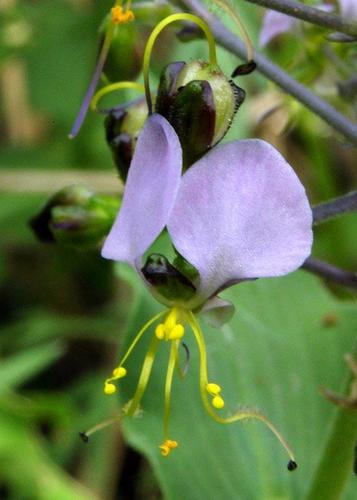
Herbaceous plants with blue flowers; dayflowers and wandering Jew; mostly ornamental.
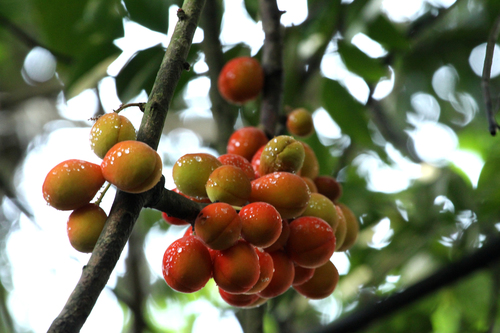
Tropical woody plants; species occasionally used for traditional medicines and minor foods.
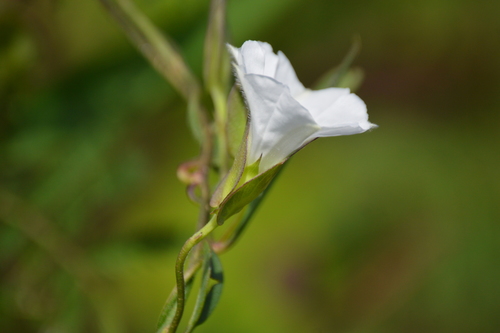
Climbing plants and herbs; includes sweet potato, morning glories, and bindweeds.
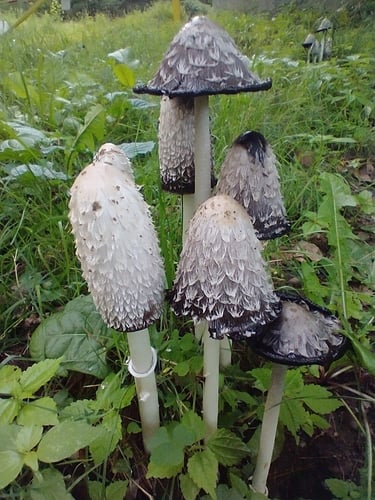
Inky cap mushrooms; some edible species like Coprinellus comatus deteriorate quickly after harvest.

Toxic shrubs producing black berries; no significant edible species.
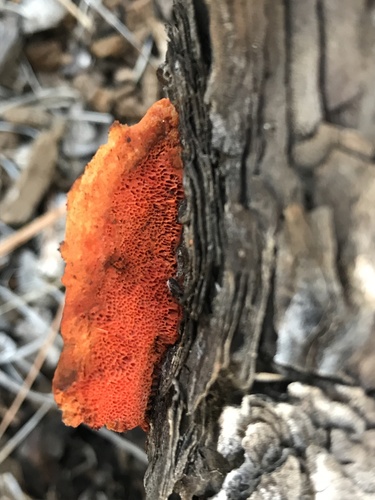
Shelf mushrooms; includes turkey tail used medicinally but not culinary.
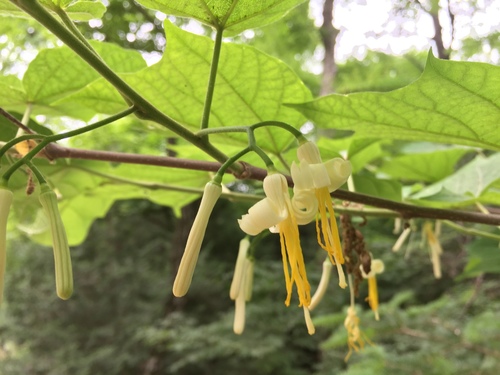
Dogwood family; includes edible cornelian cherries and ornamental flowering trees.
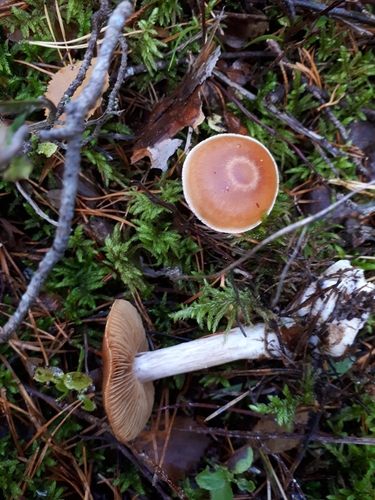
Large mushroom family with brown-spored fruiting bodies; many poisonous, few edible species.
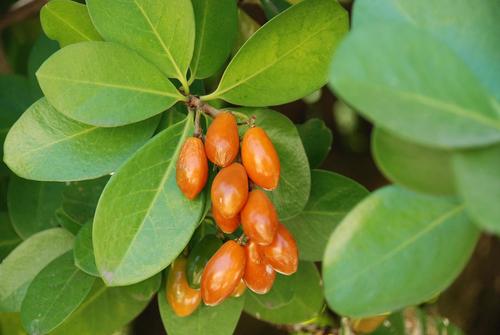
New Zealand trees; produces karaka nuts, traditional Maori food source.
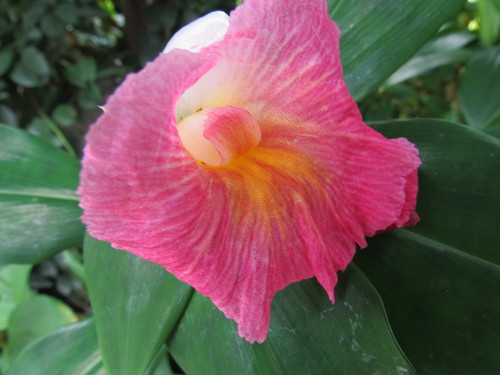
Spiral ginger family; includes edible and medicinal rhizomes in tropical regions.
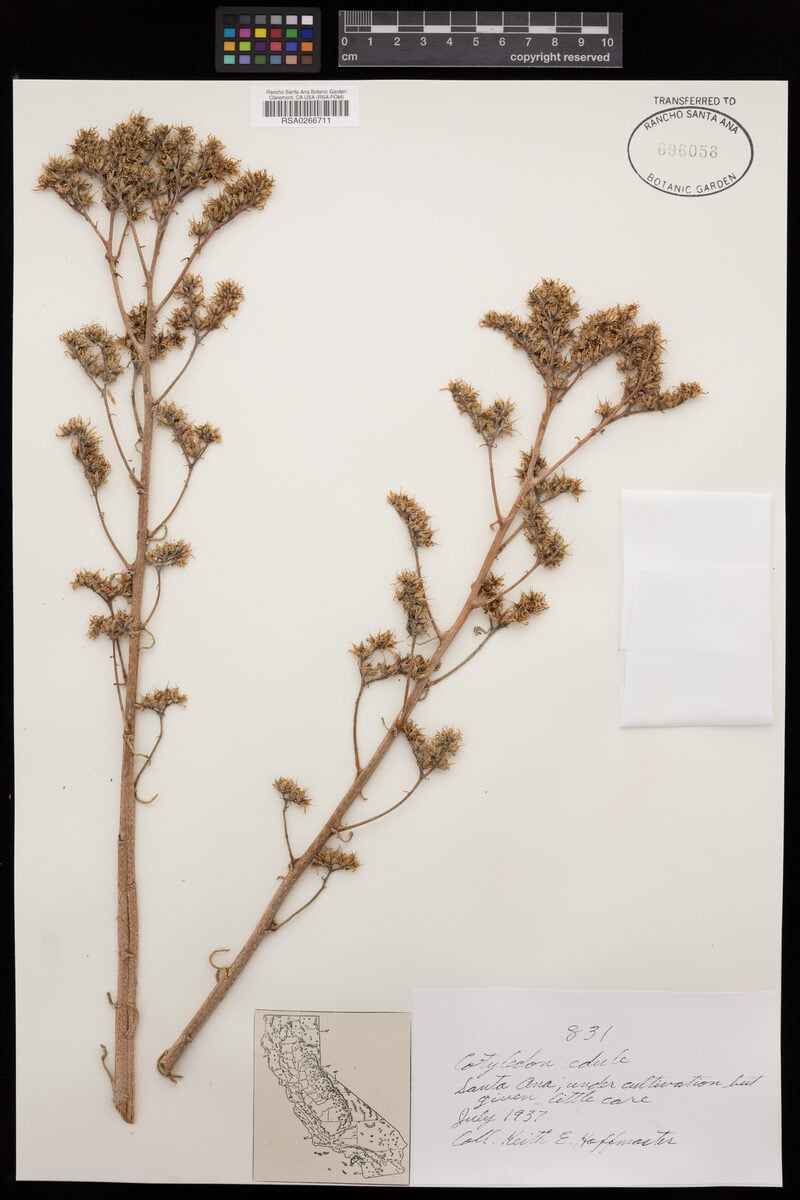
Succulents; includes stonecrop and jade plants; minor edible use in Asia.
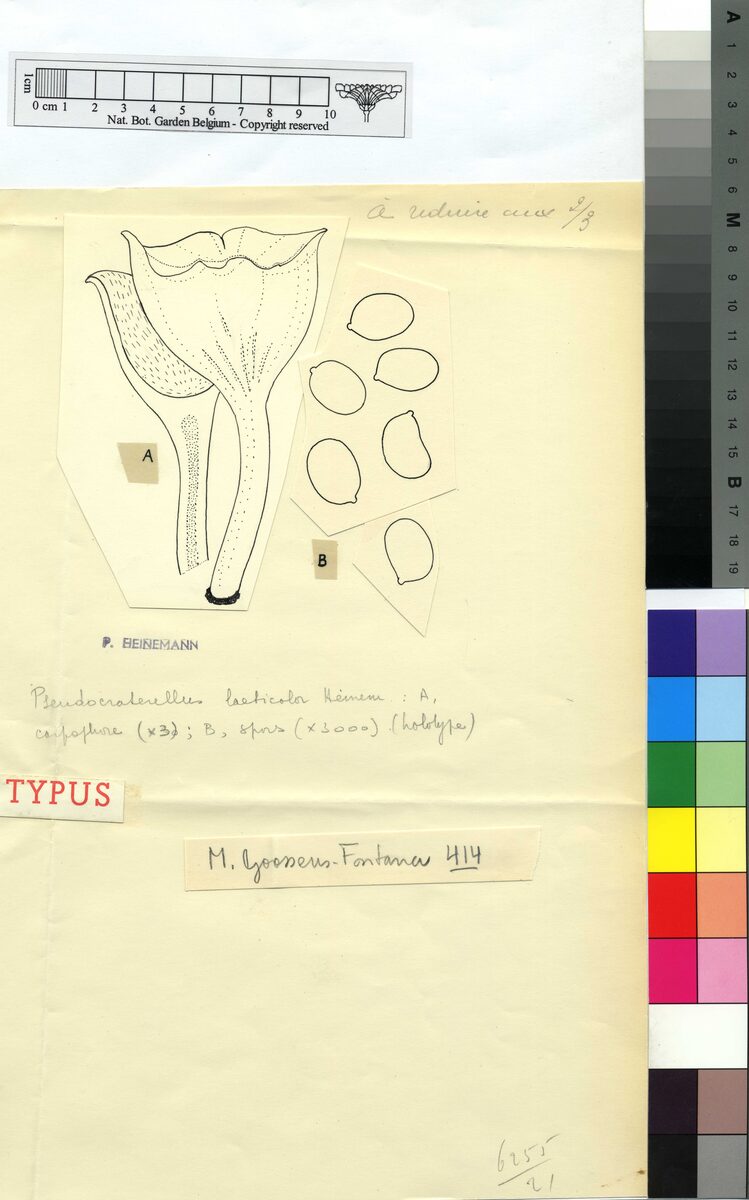
Chanterelle mushroom family; valued edible fungi with distinctive funnel shape.
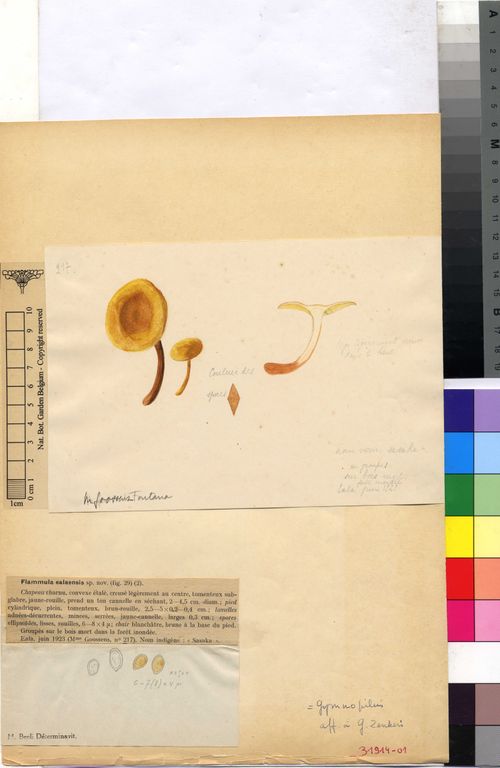
Small brown-spored mushrooms; mostly inedible or toxic species.
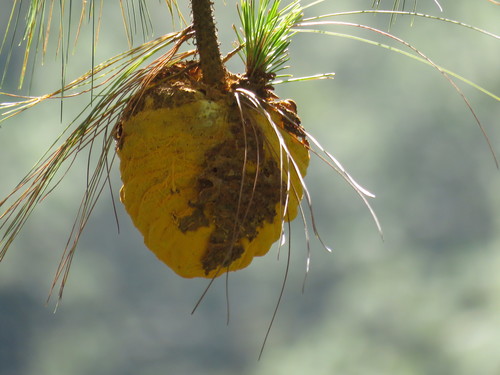
Rust fungi parasitizing plants; not directly relevant to human food.
Yeast-like fungi; includes pathogenic species, not culinary significance.