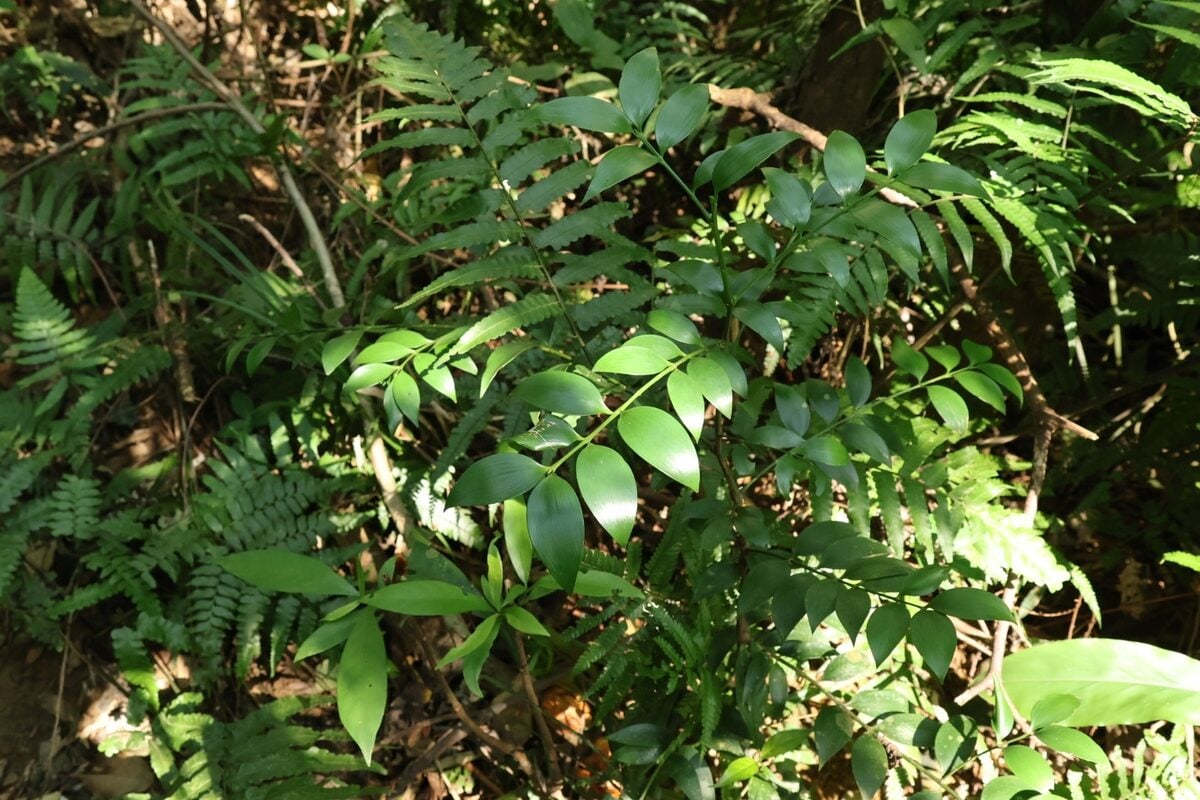
Podocarpus nubigenus
Lindl.
iNaturalist· cc-by-nc-nd
(c) danielaperezorellana, some rights reserved (CC BY-NC-ND)
iNaturalist· cc-by-nc
(c) Luke Cooper, some rights reserved (CC BY-NC)
Summary
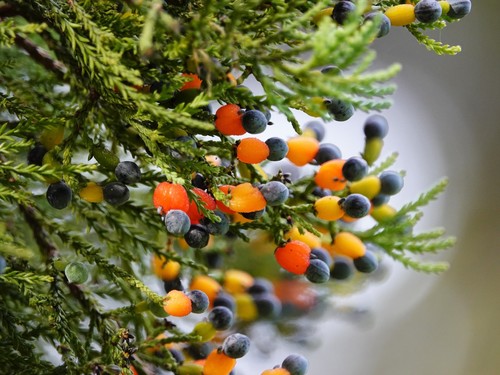
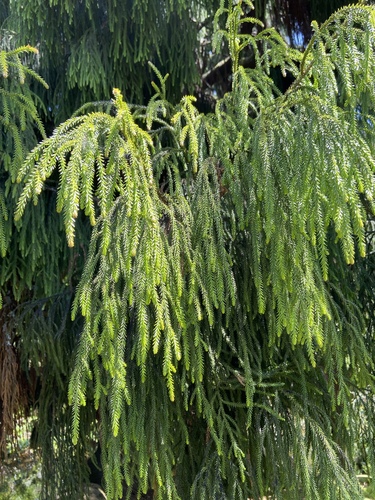
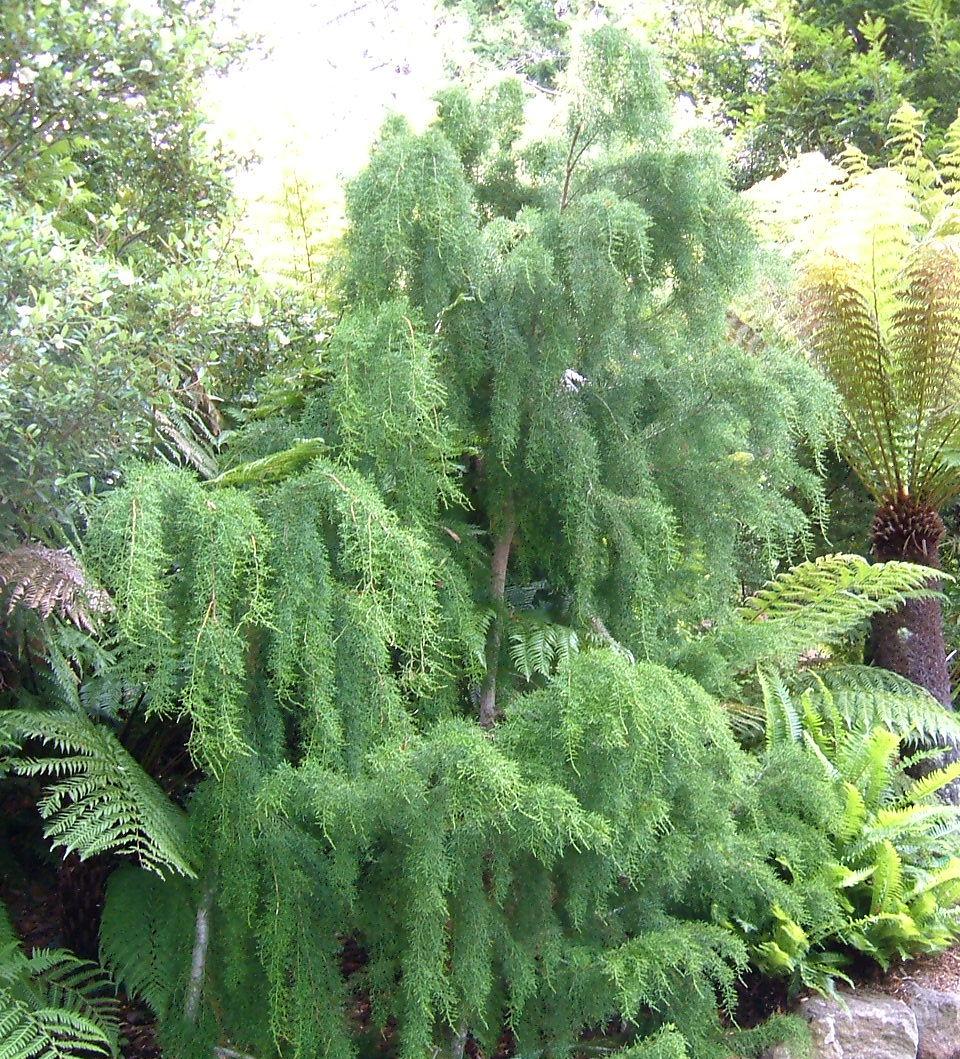
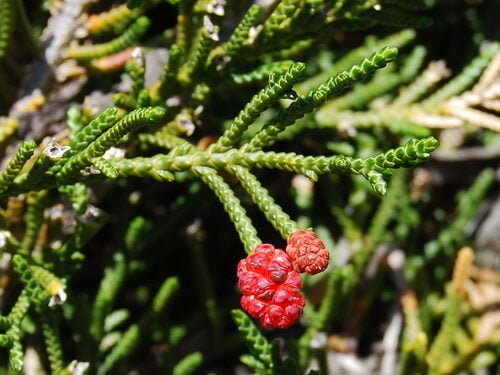
Source: WikipediaPodocarpus nubigenus (also known as P. nubigena) is a species of podocarp, endemic to the Valdivian temperate forests of southern Chile and adjacent southwestern Argentina. It is the southernmost podocarp in the world. It grows from 38°S to Ultima Esperanza (53°S), in wet and swampy soils. It can settle clear grounds, with a faster growth than the other Chilean Podocarpaceae. It is a medium to large tree, growing to around 20–25 metres (66–82 feet), exceptionally to 35 m (115 ft). The bark peels off in papery flakes, with a purplish to golden brown hue. The sharp, green, needle-like leaves are stiff and leathery, 2 cm long. The cones are highly modified with two to four fused, fleshy, berry-like, juicy scales, bright red when mature, bearing one (rarely two) rounded seeds at the apex of the scales. In a classic example species-pair of the Antarctic flora, it is very closely related to Podocarpus totara from New Zealand, to the extent that if planted together, they are very difficult to distinguish. The best distinction is the slightly brighter green tone of the leaves, compared to the more greyish-green of P. totara.
Description
Podocarpus nubigenus is a slow-growing evergreen tree reaching 20 m in height, hardy to UK zone 7. It maintains leaves year-round with seeds ripening in October. The species is dioecious and wind-pollinated, requiring both sexes for seed production and not self-fertile. It accommodates light sandy, medium loamy, and heavy clay soils with well-drained conditions, thriving in mildly acidic to neutral pH ranges. Semi-shaded woodland or open positions suit its growth, and it prefers moist soil.
Edible Uses
The fruit is approximately 8mm long and can be eaten raw or cooked. No specific reports exist for this species, but the fruit is considered most likely to be edible.
Traditional Uses
The fruit are eaten raw or cooked.
This uses section is brief — help expand it
Medicinal Uses
None known.
Known Hazards
Superficially similar to Taxus species, but this plant is definitely not poisonous.
Distribution
It is a temperate plant.
Where It Grows
Argentina, Chile, South America,
Cultivation
Prefers a rich moist non-alkaline soil. Shade tolerant, at least when young. This species is hardy to about -25°c, but the plants grow best in humid areas with high rainfall, mild winters and cool summers. They are not really happy in the drier eastern half of the country. Closely related to P. totara. A good plant for the rock garden. Very tolerant of pruning. Plants in this genus are notably resistant to honey fungus. Dioecious. Male and female plants must be grown if seed is required.
Propagation
Seed can be sown at any time of year in sandy soil in a warm greenhouse, though sowing as soon as it is ripe is ideal. Prick seedlings into individual pots once large enough to handle and grow them on in the greenhouse for at least their first winter. Plant out into permanent positions in late spring or early summer, after the last expected frosts. Cuttings of half-ripe terminal shoots, 5–10cm long, can be taken in July or August and rooted in a frame.
Other Uses
The wood is straight-grained, reddish, and very durable, lasting a long time even in water, though it can be brittle. It is used in construction work and cabinet making.
Synonyms
Also Known As
Manio macho, Uva de cordillera
References (3)
- Chamorro, M. F., & Ladio, A., 2020, Native and exotic plants with edible fleshy fruits utilized in Patagonia and their role as sources of local functional foods. BMC Complementary Medicine and Therapies. 20:155
- Leon-Lobos, P., et al, 2022, Patterns of Traditional and Modern Uses of Wild Edible Native Plants of Chile: Challenges and Future Perspectives. Plants (Basel) v 11 (6) Table S1
- Rapoport, E. H. & Ladio, A. H., 1999, Plantas comestibles. Bosque Volume 20 No. 2. ISSN 0314-8799