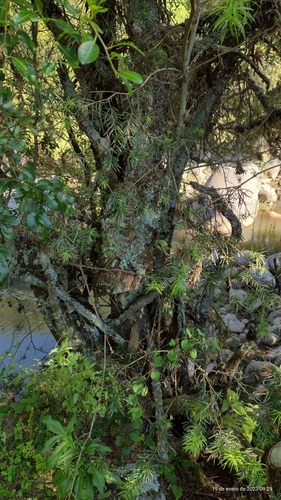
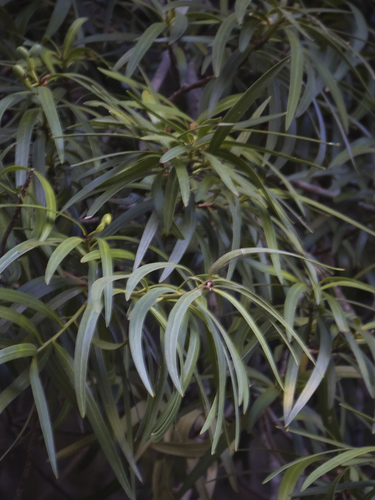
Prumnopitys ferruginea
(D. Don) de Laub.
Miro, Brown pine
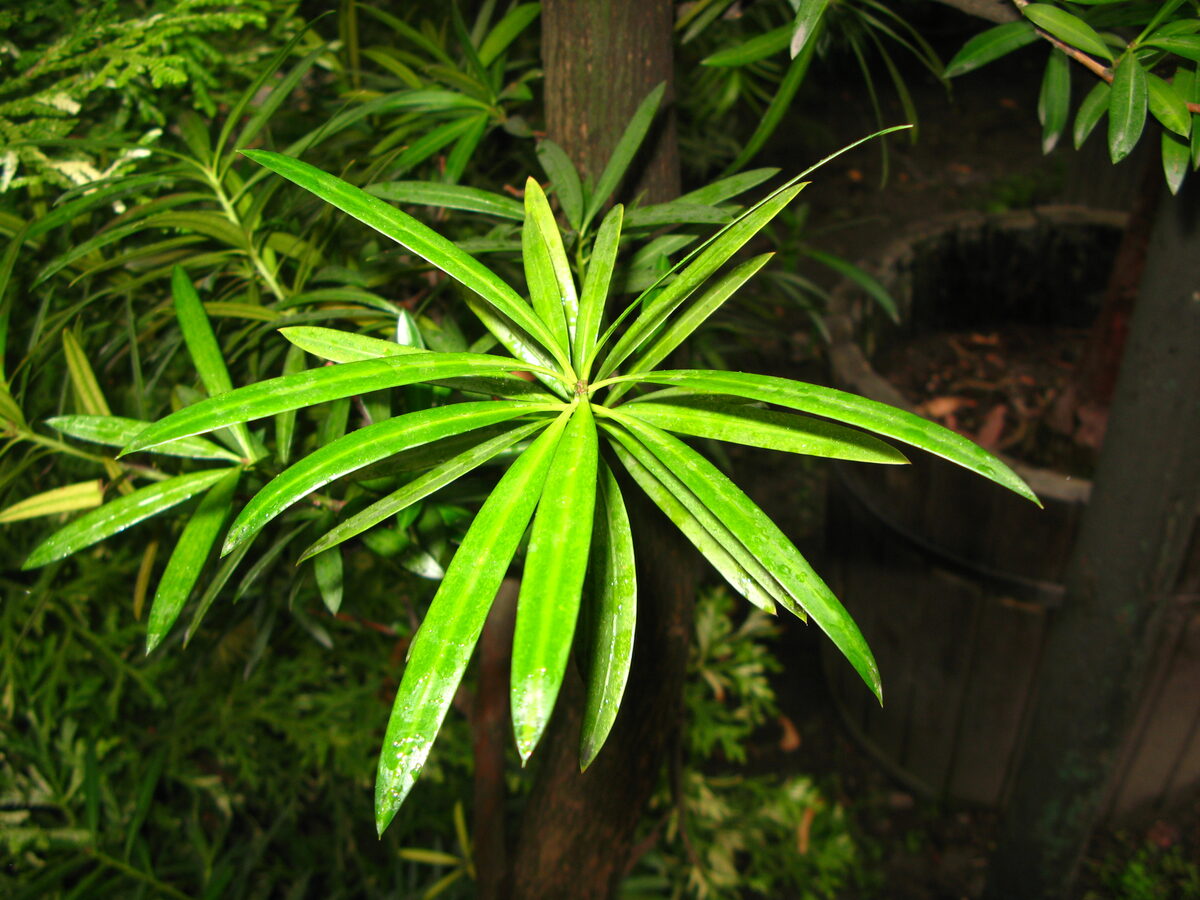
iNaturalist· cc-by-nc
(c) kaitiakikauri, some rights reserved (CC BY-NC)
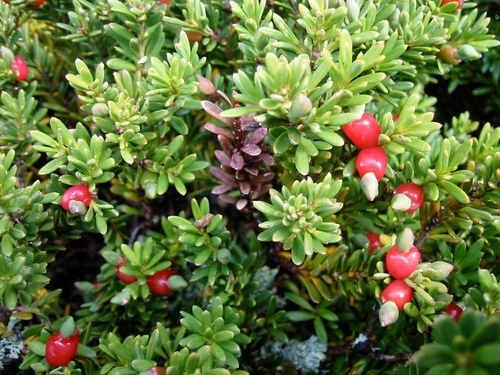
iNaturalist· cc-by-nc
(c) Irisa Hudson, some rights reserved (CC BY-NC)
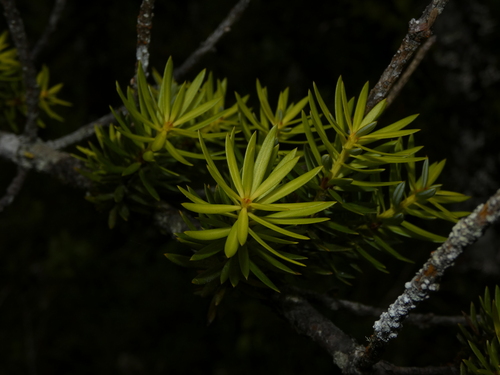
iNaturalist· cc-by-nc
(c) Irisa Hudson, some rights reserved (CC BY-NC)
Summary
Source: WikipediaEvergreen tree reaching 25m tall, growing at a slow rate. Hardy to UK zone 9. Year-round foliage with seeds ripening October to November. Dioecious species requiring both male and female plants for seed production; wind-pollinated. Tolerates light sandy, medium loamy, and heavy clay soils with mildly acid to basic pH. Grows in semi-shade or full sun and prefers moist soil.
Description
Evergreen tree reaching 25m tall, growing at a slow rate. Hardy to UK zone 9. Year-round foliage with seeds ripening October to November. Dioecious species requiring both male and female plants for seed production; wind-pollinated. Tolerates light sandy, medium loamy, and heavy clay soils with mildly acid to basic pH. Grows in semi-shade or full sun and prefers moist soil.
Edible Uses
The fruit can be eaten raw or cooked and has a resinous flavour. It is about 20mm in diameter and contains a single seed.
Medicinal Uses
None known
Distribution
It is a temperate plant.
Where It Grows
Australia, New Zealand*, Tasmania,
Propagation
Seed can be sown at any time of year in sandy soil in a greenhouse, though germination may take up to 18 months. Once seedlings are large enough to handle, prick them out into individual pots and grow on in the greenhouse for at least their first winter. Plant out into permanent positions in late spring or early summer after the last expected frosts. Cuttings of half-ripe wood taken in July/August in a frame root easily. Cuttings of ripe wood with a heel can also be taken in late summer.
Other Uses
The plant tolerates trimming well and can be grown as a hedge. The wood is hard and tough, and is used for furniture, construction, and similar purposes.
References (2)
- Blumea 24:190. 1978
- Crowe, A., 1997, A Field Guide to the Native Edible Plants of New Zealand. Penguin. p 36