Pinzona coriacea
Mart. & Zucc.
iNaturalist· cc-by-nc
(c) Steve Maldonado Silvestrini, some rights reserved (CC BY-NC), uploaded by Steve Maldonado Silvestrini
iNaturalist· cc-by-nc
(c) plantas_bioblitz, some rights reserved (CC BY-NC)
Description
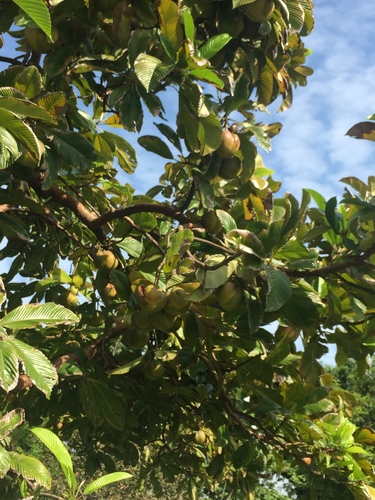
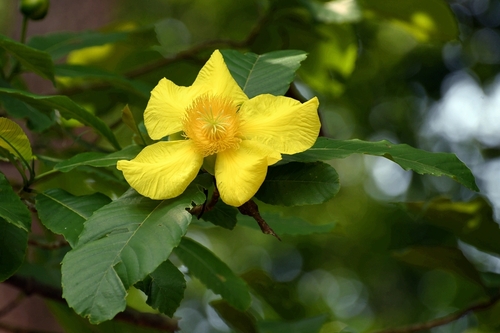
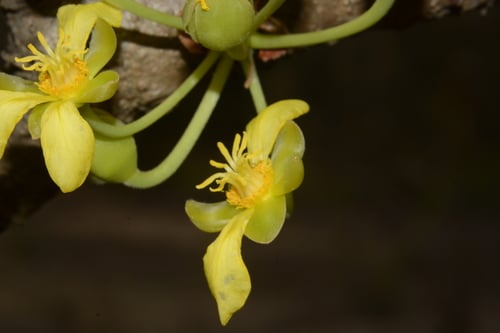
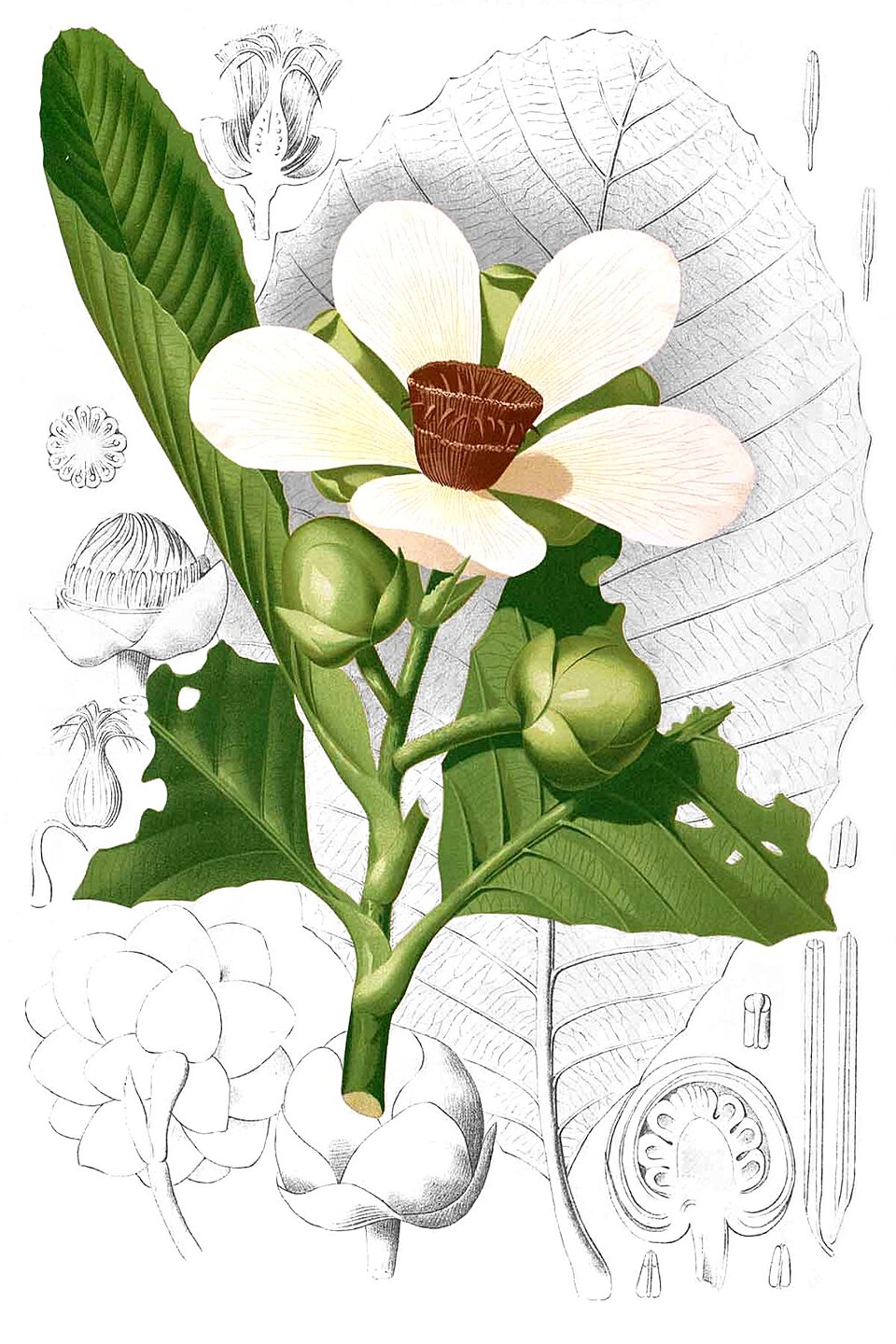
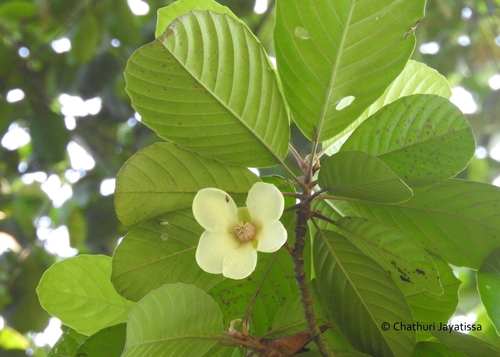
A twining creeper. It grows 30 cm long. The stems are cylinder shaped and 10 cm across. The stems have lots of potable water when cut. The bark is reddish-brown and peels off in s scaly manner. The branches are angular and hairy. The leaves are alternate and 9-22 cm long by 3-13 cm wide. They are broadly oval. The edges can have teeth and the edges curl back. The flowers are in groups 3-7 cm long in the axils of leaves. The fruit is a capsule with 2 lobes. There are 2 seeds in each fruit.
Edible Uses
The stems provide drinkable water when cut.
Distribution
It is a tropical plant. It grows in moist forests in mountain areas.
Where It Grows
Amazon, Andes, Antilles, Belize, Bolivia, Central America, Dominican Republic, Puerto Rico, South America, West Indies,
Notes
There is only one Pinzona species.
Synonyms
Also Known As
Cipo-d'agua, Paujil huasca, Pinzona
References (1)
- Kermath, B. M., et al, 2014, Food Plants in the Americas: A survey of the domesticated, cultivated and wild plants used for Human food in North, Central and South America and the Caribbean. On line draft. p 664