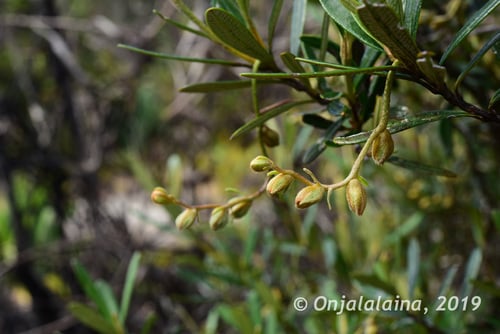
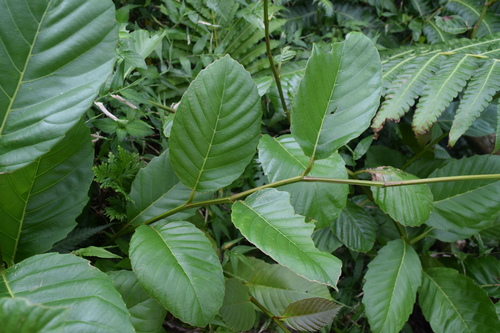
Dillenia retusa
Thunb.
Godapara dillenia tree
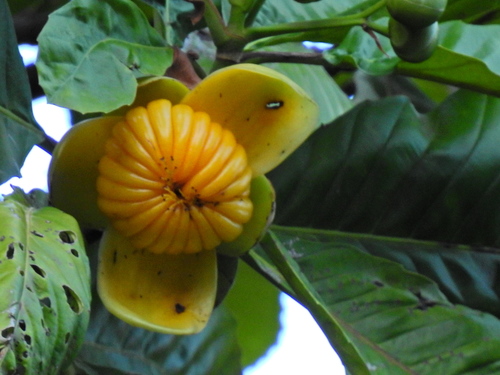
iNaturalist· cc-by-nc
(c) Chathuri Jayatissa, some rights reserved (CC BY-NC), uploaded by Chathuri Jayatissa
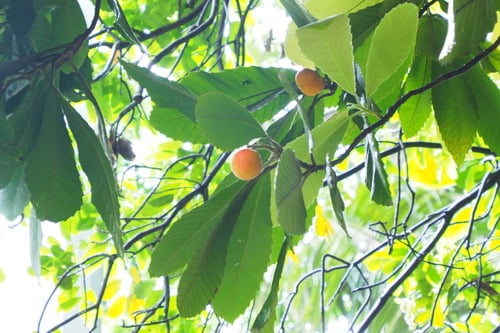
iNaturalist· cc-by-nc
(c) Chathuri Jayatissa, some rights reserved (CC BY-NC), uploaded by Chathuri Jayatissa
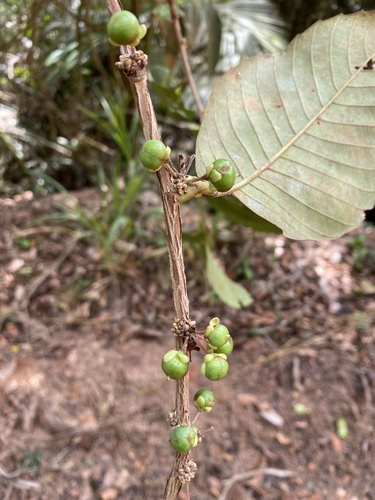
iNaturalist· cc-by-nc
(c) Pasindu Dilshan Abegunawaradhana, some rights reserved (CC BY-NC)
Summary
Source: WikipediaDillenia retusa is a plant endemic to the island of Sri Lanka, there are records in the forests of Bolampatti and Anamalai hills. An ornamental, moderate sized tree, twigs and peduncles are glabrous. Leaves blunt at tip, cuneate at base, serrate, glabrous. Flowers 6–8 cm across, petals spathulate, narrow. Fruit enclosed by sepals.
Description
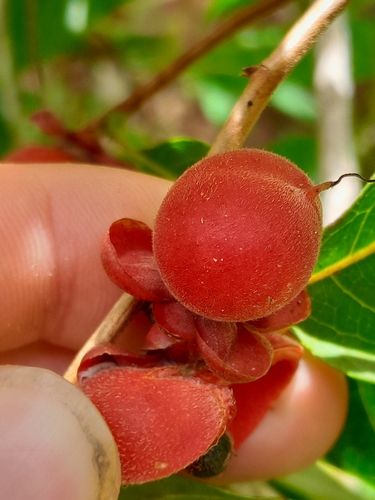
A medium sized tree. It grows 10 m tall. The bark is brownish-grey. The leaves are large and oval or oblong. They taper to the base. There are teeth along the edge. The leaf stalk has a channel along the top. The flowers are large and white. The flower stalk is long and hairy. The fruit are a flattened round shape and orange. They have fine hairs.
Edible Uses
Wood - furniture, light construction; fruit - medicinal.
Distribution
A tropical plant. It grows in the tropical lowlands. It grows up to 1,900 m above sea level.
Where It Grows
Asia, Australia, India, Indonesia, Pacific, Philippines, SE Asia, Sri Lanka*,
Cultivation
Plants can be grown by seeds or cuttings.
Notes
The fruit is used in medicine.
Synonyms
Also Known As
Godpara
References (2)
- Coronel, R.E., 1982, Fruit Collections in the Philippines. IBPGR Newsletter p 9
- Sukarya, D. G., (Ed.) 2013, 3,500 Plant Species of the Botanic Gardens of Indonesia. LIPI p 231