Tetracera alnifolia
Willd.
iNaturalist· cc-by-nc
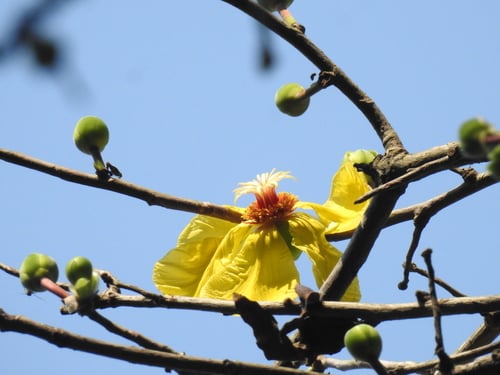
(c) Carel Jongkind, some rights reserved (CC BY-NC), uploaded by Carel Jongkind
iNaturalist· cc-by-nc
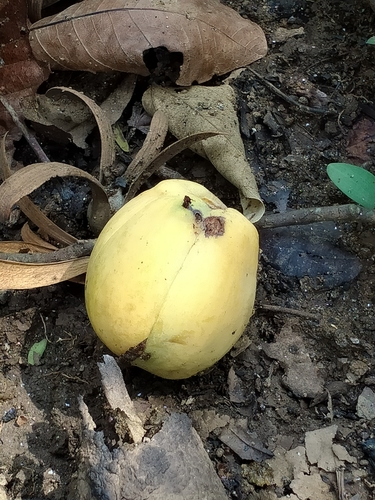
(c) Carel Jongkind, some rights reserved (CC BY-NC)
Description
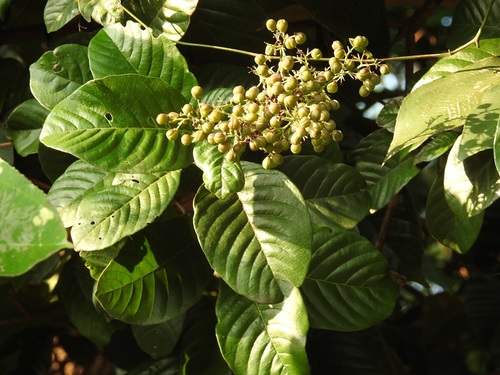
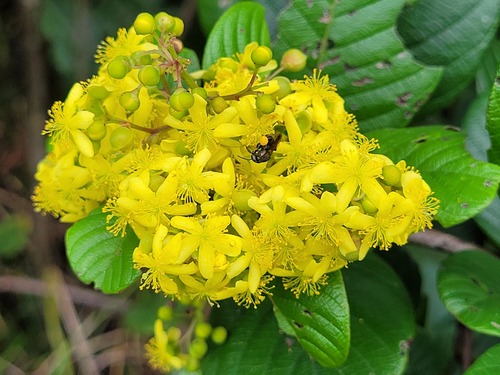
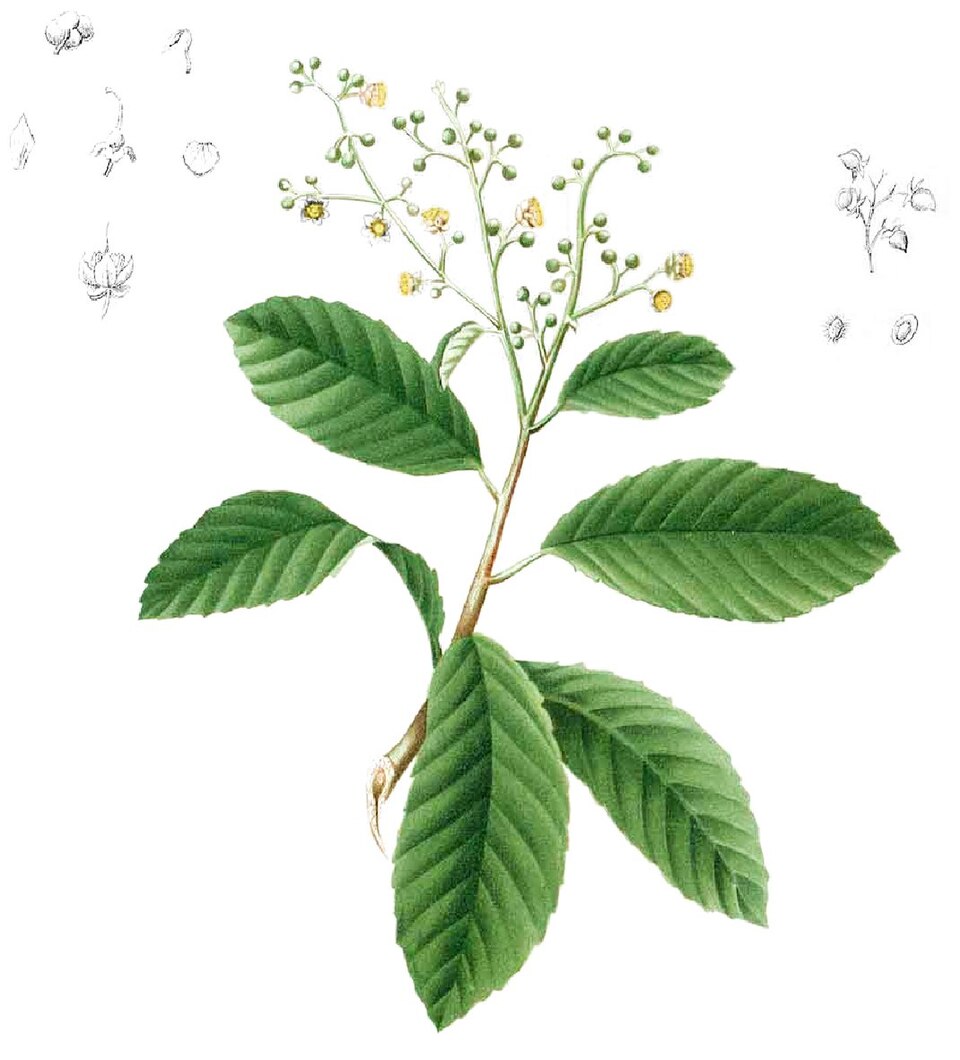
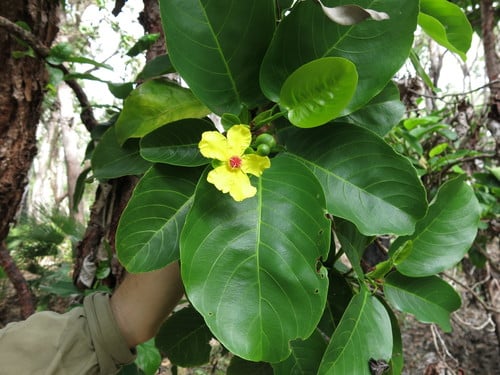
A creeper or climber with several stems. It can be 20 m long. It can also be a shrubby tree 8 m high. The stems can be 10 cm across. Young stems can have flattened hairs. The leaf blade is 15 cm long by 8 cm wide. It is broadly oval. There are many white flowers in branched clusters at the ends of branches. These are in clusters 20 cm long by 10 cm wide. The fruit are 1 cm long by 0.8 cm wide. They are dull red. There are a few seeds. These are 5 mm across and black and shiny.
Edible Uses
The young leaves are eaten as a vegetable, and the sap from the stem is consumed as a drink.
Traditional Uses
The young leaves are eaten as a vegetable. The sap from the stem is used as a drink.
This uses section is brief — help expand it
Distribution
A tropical plant. It grows in grassland, savannah and on the edges of forests in West Africa. It also grows in forests along rivers. In Nigeria it has been recorded at 1,440 m above sea level.
Where It Grows
Africa, Angola, Burkina Faso, Cameroon, Central Africa, Central African Republic, CAR, Congo DR, Congo R, Côte d'Ivoire, East Africa, Equatorial Guinea, Gabon, Gambia, Ghana, Guinea, Guinée, Guinea-Bissau, Ivory Coast, Mali, Nigeria, Sao Tome and Principe, Senegal, Sierra Leone, West Africa, Zambia,
Cultivation
Plants can be grown by seeds.
Notes
There are 40 Tetracera species. They occur in the African and Asian tropics. There are 15 species in tropical America.
Synonyms
Also Known As
Akotopa, Cilengwa, Eberigom, Goroluga, Kpwo-ngo, Mbembi, Permiss
References (14)
- Abbiw, D.K., 1990, Useful Plants of Ghana. West African uses of wild and cultivated plants. Intermediate Technology Publications and the Royal Botanic Gardens, Kew. p 42
- Billong Fils, P. E., et al, 2020, Ethnobotanical survey of wild edible plants used by Baka people in southeastern Cameroon. Journal or Ethnobiology and Ethnomedicine. 16:64 p 9
- Burkill, H. M., 1985, The useful plants of west tropical Africa, Vol. 1. Kew.
- Chapman, J. D. & Chapman, H. M., 2001, The Forest Flora of Taraba and Andamawa States, Nigeria. WWF & University of Canterbury. p 174
- Fowler, D. G., 2007, Zambian Plants: Their Vernacular Names and Uses. Kew. p 23
Show all 14 references Hide references
- Grubben, G. J. H. and Denton, O. A. (eds), 2004, Plant Resources of Tropical Africa 2. Vegetables. PROTA, Wageningen, Netherlands. p 565
- Jardin, C., 1970, List of Foods Used In Africa, FAO Nutrition Information Document Series No 2.p 106
- Latham, P & Mbuta, A., 2017, Useful Plants of Central Province, Democratic Republic of Congo. Volume 2. Salvation Army p 204
- Martin, F.W. & Ruberte, R.M., 1979, Edible Leaves of the Tropics. Antillian College Press, Mayaguez, Puerto Rico. p 190
- Nkeoua, G. & Boundzanga, G. C., 1999, Donnees sur les produits forestieres non ligneux en Republique du Congo. FAO. p 38 (As Tetracera podotricha)
- Okigbo, B.N., Vegetables in Tropical Africa, in Opena, R.T. & Kyomo, M.L., 1990, Vegetable Research and development in SADCC countries. Asian Vegetable Research and development Centre. Taiwan. p 38
- Sp. pl. 2(2):1243. 1799
- Termote, C., et al, 2011, Eating from the wild: Turumbu, Mbole and Bali traditional knowledge of non-cultivated edible plants, District Tshopo, DRCongo, Gen Resourc Crop Evol. 58:585-618
- World Checklist of Useful Plant Species 2020. Royal Botanic Gardens, Kew