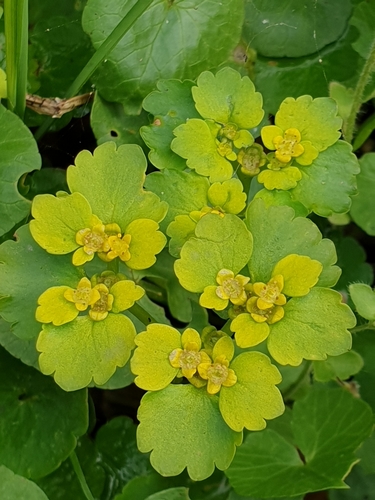
Saxifraga cortusifolia
Siebold & Zucc.
iNaturalist· cc-by-nc
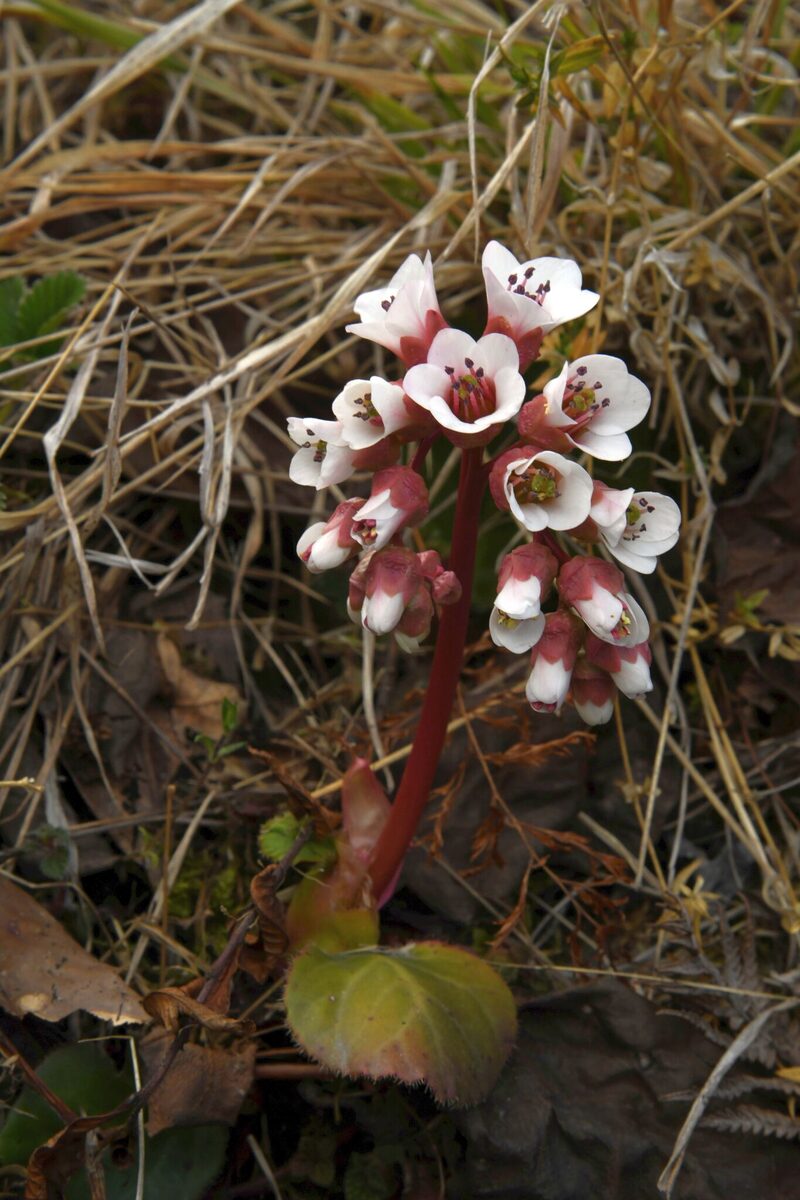
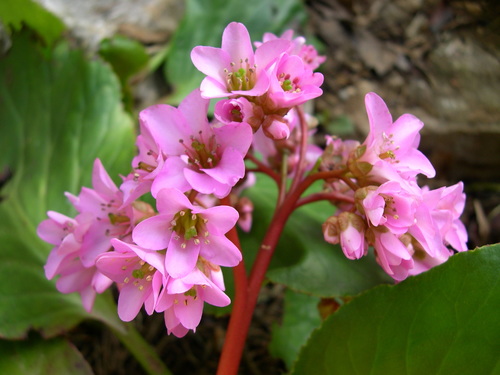
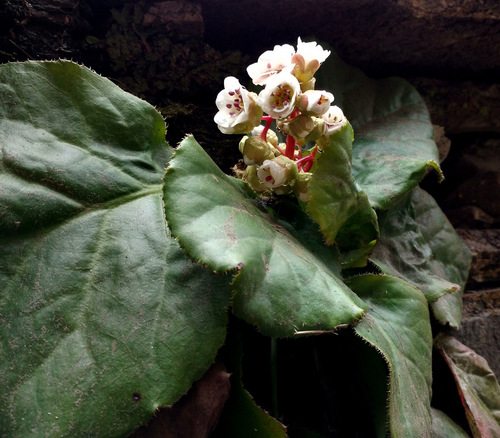
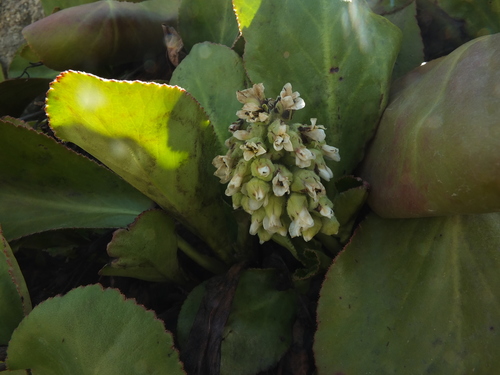
(с) 空猫 T. N, некоторые права защищены (CC BY-NC), загрузил 空猫 T. N
iNaturalist· cc-by-nc
(c) 空猫 T. N, some rights reserved (CC BY-NC)
Summary
Hardy perennial saxifrage reaching 40 cm tall. Hermaphroditic flowers appear in September. Tolerates sandy, loamy, and clay soils across a range of pH levels from mildly acidic to mildly alkaline. Grows well in light woodland conditions and prefers consistently moist or wet soil.
Description
Hardy perennial saxifrage reaching 40 cm tall. Hermaphroditic flowers appear in September. Tolerates sandy, loamy, and clay soils across a range of pH levels from mildly acidic to mildly alkaline. Grows well in light woodland conditions and prefers consistently moist or wet soil.
Edible Uses
The leaves can be eaten raw or cooked.
Medicinal Uses
None known.
Distribution
It is a temperate plant.
Where It Grows
Asia, Japan,
Cultivation
Prefers a cool position in a moist humus-rich soil. Prefers an acid soil. Grows well in light woodland or in a shady position in the rock garden. This species is not very hardy in Britain according to one report, whilst another says that it is in climatic zone 7 and should therefore succeed outdoors in most parts of this country. However, the leaves and the flowers are liable to be frost-damaged by autumn frosts. A polymorphic species, it is closely related to S. stolonifera, differing in not having runners.
Propagation
No specific information is available for this species, but sowing seed in a cold frame in spring is recommended. Surface sow or barely cover the seed, keeping the compost consistently moist. Prick out seedlings into individual pots once large enough to handle and grow them on in a greenhouse or cold frame through their first winter. Plant out in late spring after the last expected frosts. Division in spring is also an option — larger divisions can go directly into their permanent positions, while smaller ones are best potted up and grown on in a lightly shaded cold frame until well established, then planted out in summer.
Other Uses
None known.
Notes
There are about 350 Saxifraga species.
References (2)
- Abh. Math.-Phys. Cl. Koenigl. Bayer. Akad. Wiss. 4(2):190. 1845
- Plants for a Future database, The Field, Penpol, Lostwithiel, Cornwall, PL22 0NG, UK. http://www.scs.leeds.ac.uk/pfaf/