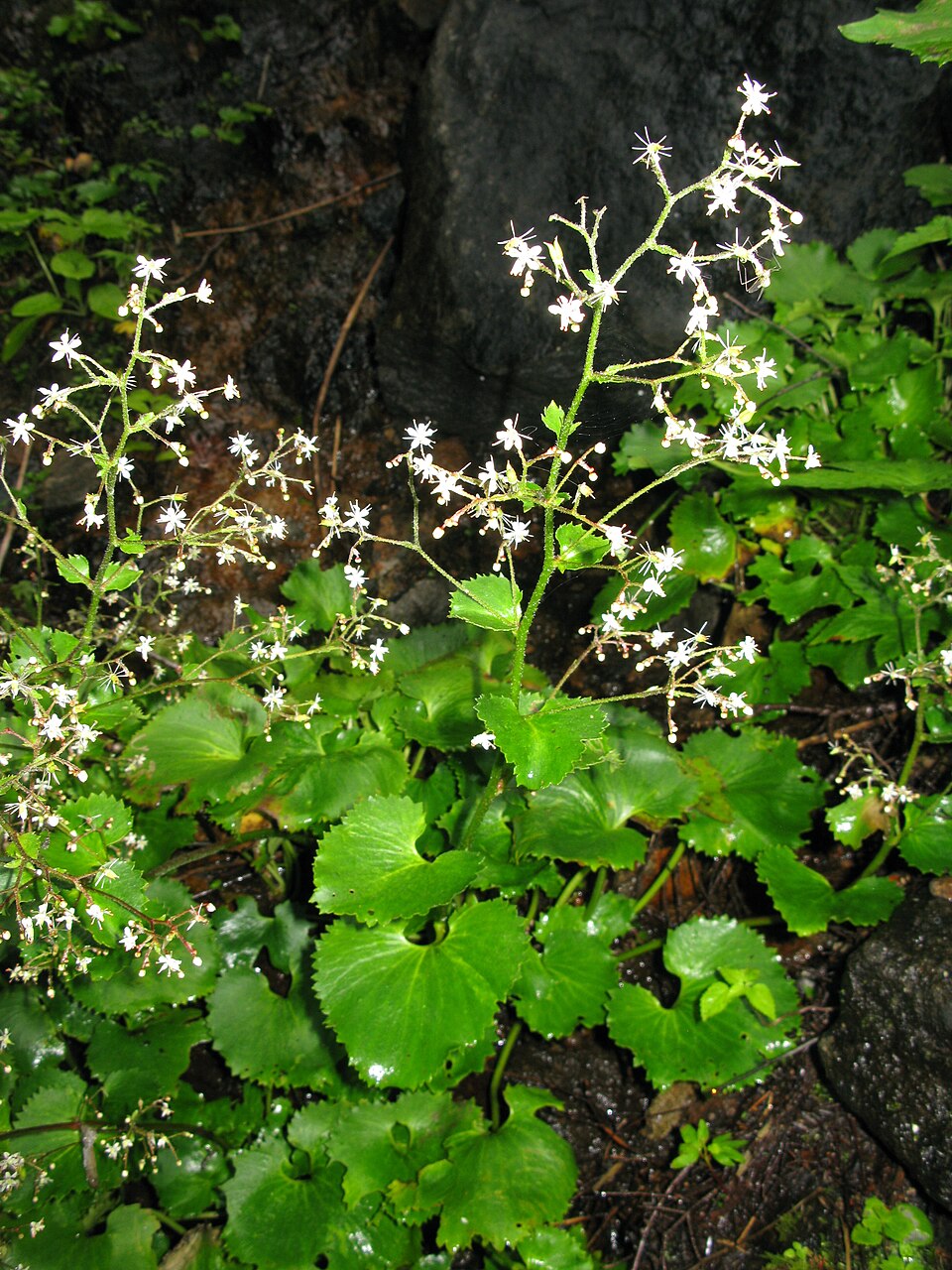
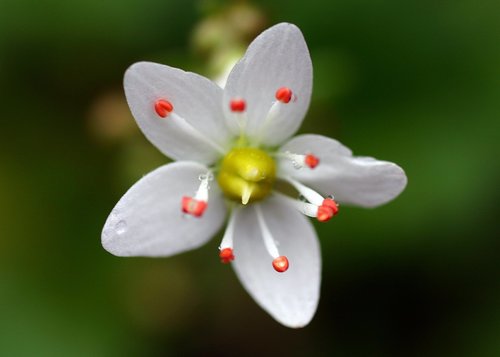
Micranthes spicata
(D. Don.) Small
Spiked saxifrage
iNaturalist· cc-by
(c) Syd Cannings, some rights reserved (CC BY), uploaded by Syd Cannings
iNaturalist· cc-by
(c) Syd Cannings, some rights reserved (CC BY), uploaded by Syd Cannings
iNaturalist· cc-by
(c) Syd Cannings, some rights reserved (CC BY), uploaded by Syd Cannings
Description
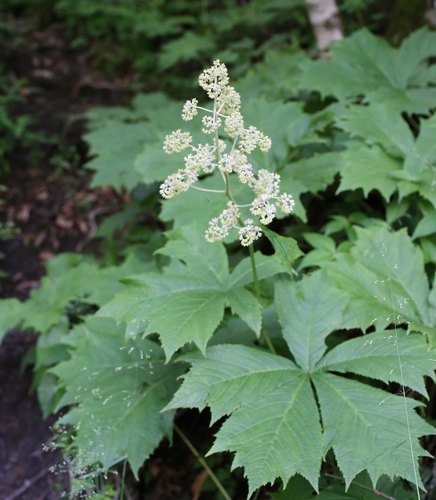
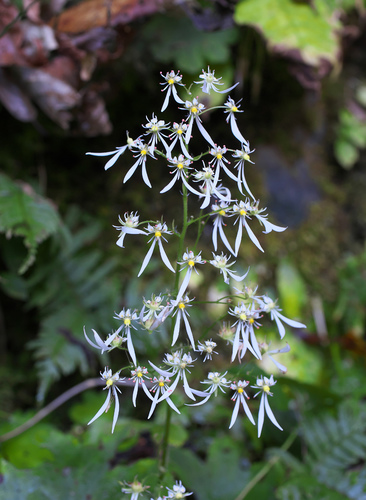
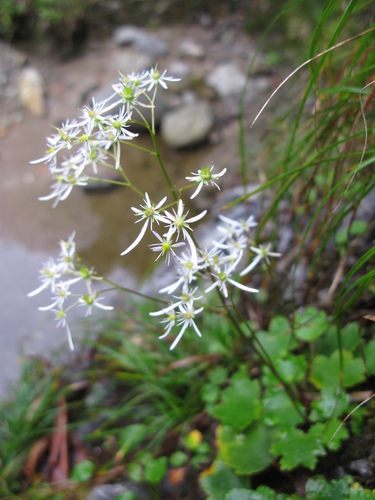
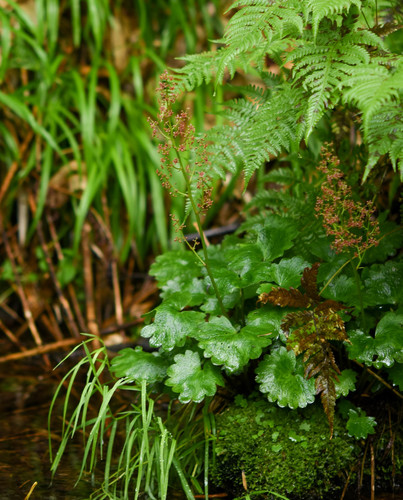
A herb that keeps growing from year to year. The leaves are kidney shaped or oval. They are 8 cm across and have teeth at the edge. The leaf stalks are 18 cm long. The flowers are in clusters at the top of long stalks. Each flower has 5 yellow petals.
Edible Uses
The young leaves are eaten in salads and also eaten with seal oil. The very young stems can be eaten when picked before flowering.
Traditional Uses
The young leaves are eaten in salads. They are also eaten with seal oil. The very young stems can be eaten. They are picked before flowering.
This uses section is brief — help expand it
Distribution
It is a cold temperate plant. It grows in moist rocky places along streams and roadsides.
Where It Grows
Alaska, Canada, North America, USA,
Notes
There are about 440 Saxifraga species.
Synonyms
Also Known As
Muchuktulak
References (4)
- Ager, T. A. & Ager, L. P., 1980, Ethnobotany of the eskimos of Nelson Island, Alaska. Arctic Anthropology Vol 17. No. 1 pp 26-48 (As Saxifraga spicata)
- Heller, C. A., 1962, Wild Edible and Poisonous Plants of Alaska. Univ. of Alaska Extension Service. p 32 (As Saxifraga spicata)
- Moerman, D. F., 2010, Native American Ethnobotany. Timber Press. p 521 (As Saxifraga spicata)
- Plants for a Future database, The Field, Penpol, Lostwithiel, Cornwall, PL22 0NG, UK. http://www.scs.leeds.ac.uk/pfaf/ (As Saxifraga spicata)