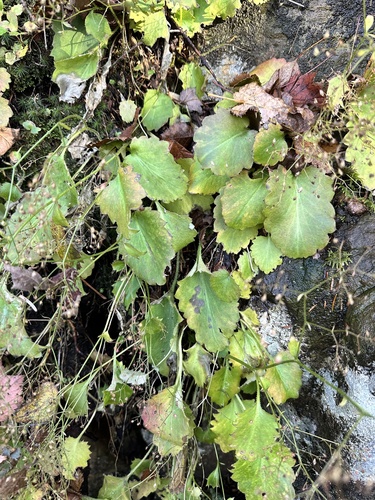
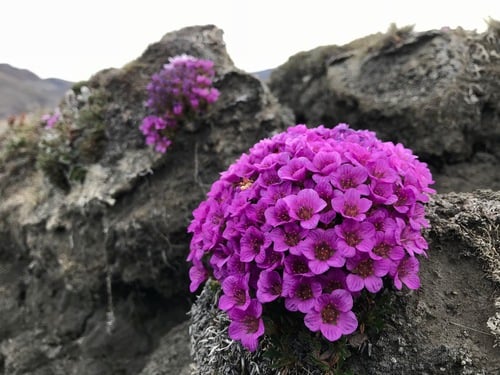
Rodgersia aesculifolia
Batalin
iNaturalist· cc-by-nc
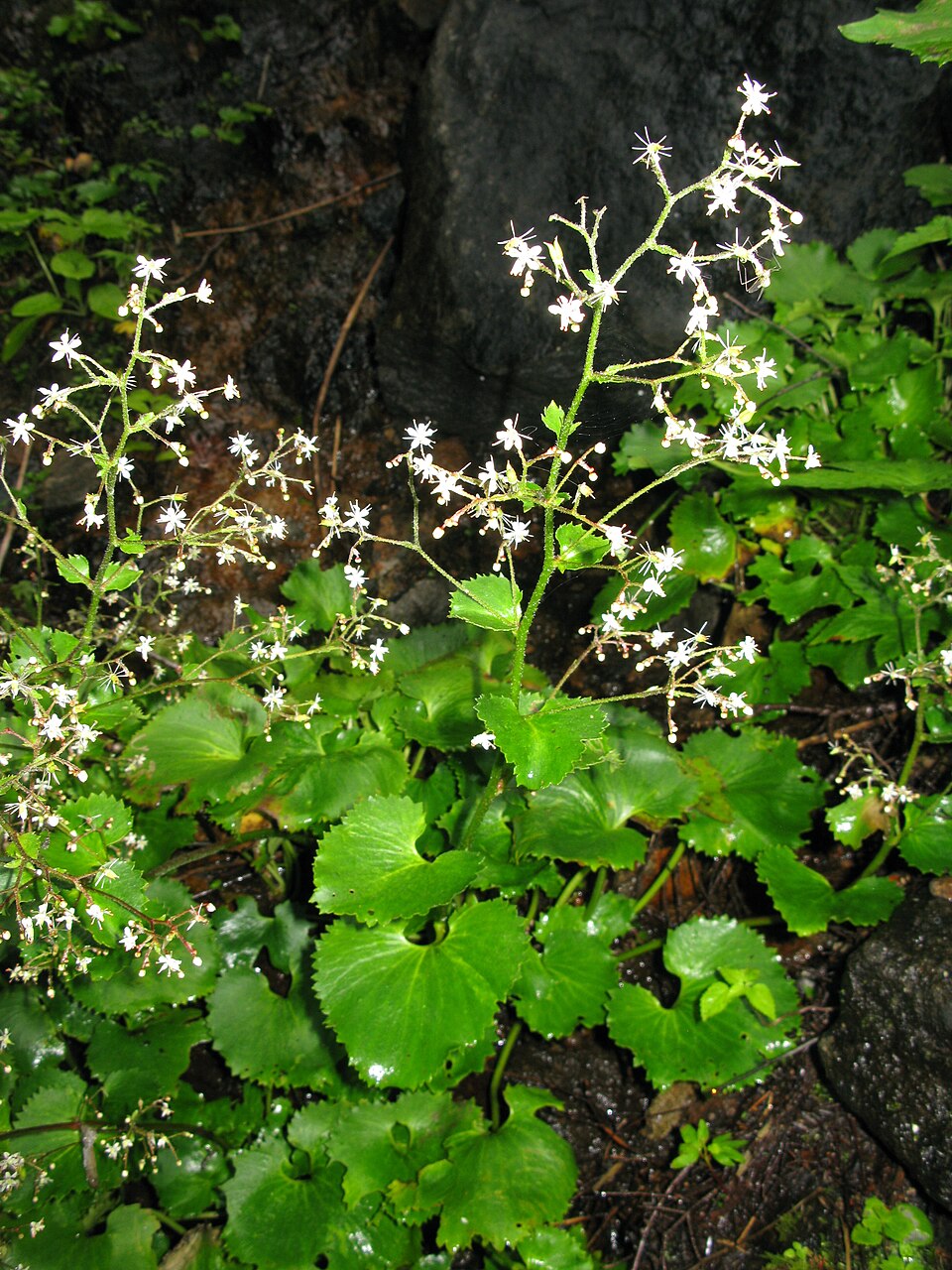
(c) alderash, some rights reserved (CC BY-NC), uploaded by alderash
iNaturalist· cc-by-nc
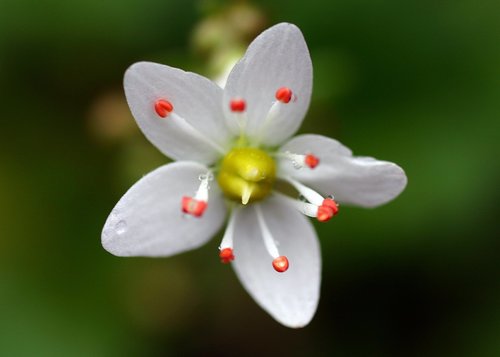
(c) MP Zhou, some rights reserved (CC BY-NC)
iNaturalist· cc-by-nc
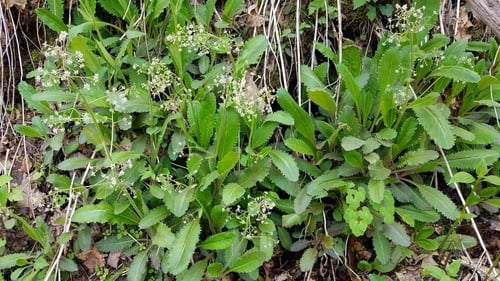
(c) MP Zhou, some rights reserved (CC BY-NC)
Summary
Source: WikipediaRodgersia aesculifolia is a species of flowering plant in the family Saxifragaceae, native to northern China. It is a substantial, herbaceous perennial growing to 2 m (7 ft) tall by 1 m (3 ft) broad, with textured palmate leaves up to 25 cm (10 in) long, and 60 cm (24 in) erect panicles made up of tiny, star-shaped white or pink flowers in summer. The leaves resemble those of the horse chestnut, hence the specific epithet aesculifolia (chestnut-leaved). This plant has gained the Royal Horticultural Society's Award of Garden Merit.
Description
A herb. It can grow to 1.8 m tall. It has long rhizomes 3-4 cm across. They are pale purple inside. The stems are angular. The leaf stalks are 15-40 cm long. The leaves are compound with lobes spread out like fingers on a hand. There are 5-7 leaflets. The leaves are 8-30 cm long by 3-12 cm wide.
Distribution
It is a temperate plant. It grows on the edges of forests and rock clefts between 1,100-3,800 m above sea level. In Sichuan and Yunnan.
Where It Grows
Asia, China, Myanmar, SE Asia,
Synonyms
Also Known As
Gui deng qing, Hamahazi
References (2)
- Flora of China @ efloras.org Volume 8
- Kang, Y., et al, 2014, Wild food plants used by the Tibetans of Gongba Valley (Zouqu country, Gansu, China) Journal of Ethnobiology and Ethnomedicine 10:20