Prosopis velutina
Wooton
Mesquite, Velvet mesquite
iNaturalist· cc0
no rights reserved
iNaturalist· cc0
no rights reserved
iNaturalist· cc-by-nc
(c) eduplant, some rights reserved (CC BY-NC)
Description
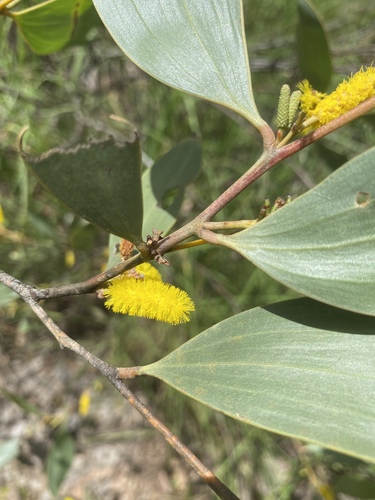
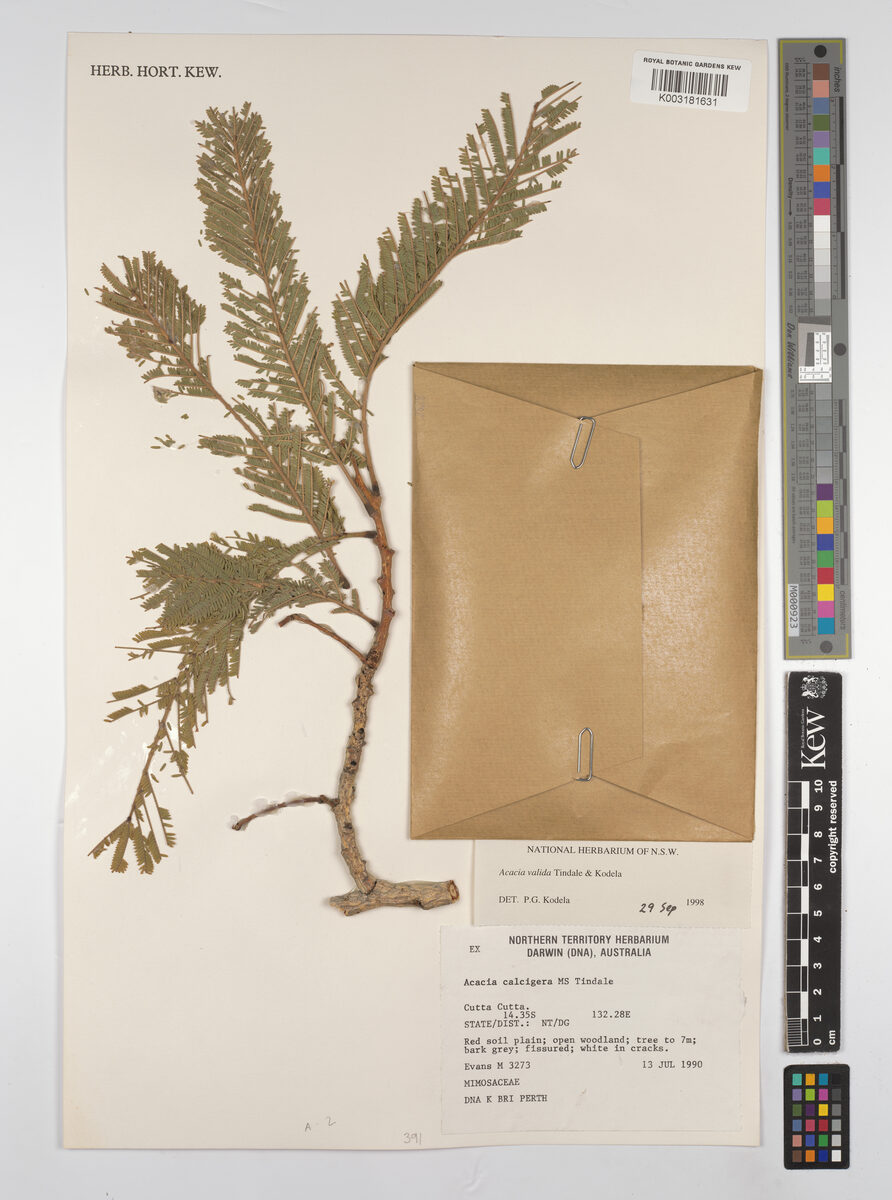
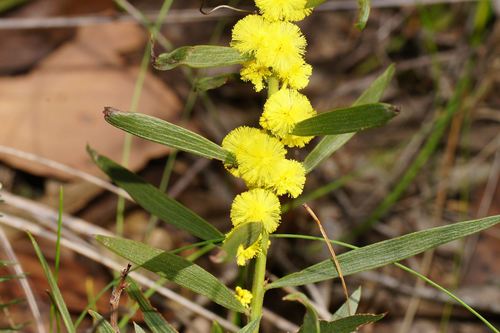
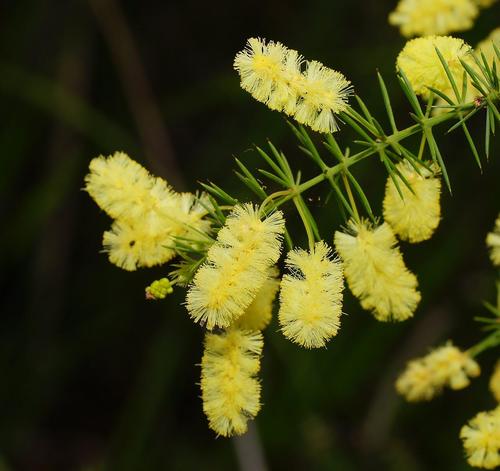
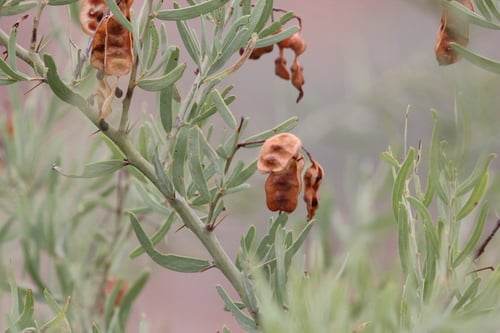
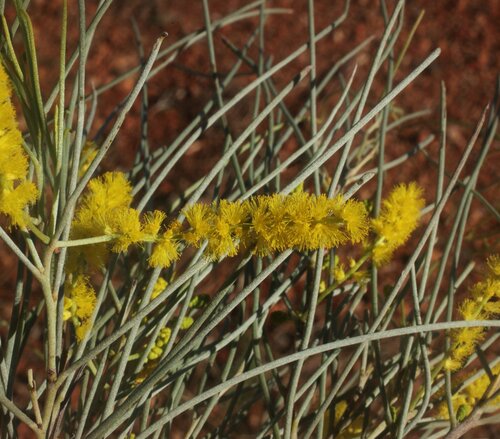
A medium sized tree. It grows 4.5-12 m high and spreads 4.5-12 m wide. The bark is smooth and dark brown. The branches are velvety and covered with spines. The leaves are compound. They are narrow and dull green. They have 2-3 leaflets and each of these have 15-20 pairs of small leaflets. They have fine hairs over them. The flowers are yellow or green and are in clusters. The fruit are brown pods. They are 7-22 cm long by 7-12 mm wide.
Edible Uses
The pods are eaten fresh or stored for later use and can be crushed, soaked, and made into a drink. Seeds are winnowed, parched, and ground into flour for bread or cakes. The gum is chewed or dried, ground, boiled, cooled, and eaten as candy. The inner bark serves as a rennet substitute. The sweet flower catkins are sucked.
Traditional Uses
The pods are used as food. They are also stored for later use. The gum is chewed. It is also dried, ground, boiled and cooled then eaten as a candy. The seeds are winnowed, parched, and ground into flour for bread or cakes. The inner bark is used as a substitute for rennet. The flower catkins are sucked for their sweet taste. The pods are crushed and soaked and used to make a drink.
Medicinal Uses
Velvet mesquite is a common choice for residential and commercial xeriscaping in Tucson and Phoenix, cities which are inside its natural range. An established mesquite tree needs little or no watering, and is an attractive ornamental plant. Medicinal uses: Sore throats were treated with a hot tea made from a blend of the clear sap plus inner red bark. Stomachaches were treated with a tea made from the fresh leaves. Toothache was treated by chewing the soft inner bark of the root. For flagging appetite, a tea made from the dried leaves was taken before meals. Cosmetic uses: Most important to a select number of folks was mesquite's use against hair loss. This treatment was used by men only, and consisted of the black sap that oozes from mesquite wounds (not the clear sap) mixed with other secret herbs and applied to the scalp. Special mesquite herbal soap for "macho" hair is still available in parts of Mexico. Bark was used for baskets and fabrics. Wood is important for firewood and for flavor when grilling meat.
Distribution
It grows in warm temperate places. It can grow in dry salty soils. It grows between 150-1,700 m above sea level. It can grow in arid places. It grows in the Sonoran Desert. It suits hardiness zones 8-11.
Where It Grows
Africa, Australia, Mexico, North America, South Africa, USA,
Notes
Also as Mimosaceae.
Synonyms
References (12)
- Beckstrom-Sternberg, Stephen M., and James A. Duke. "The Foodplant Database." http://probe.nalusda.gov:8300/cgi-bin/browse/foodplantdb.(ACEDB version 4.0 - data version July 1994)
- Bull. Torrey Bot. Club 25:456. 1898
- Cundall, P., (ed.), 2004, Gardening Australia: flora: the gardener's bible. ABC Books. p 1085
- Elias, T.S. & Dykeman P.A., 1990, Edible Wild Plants. A North American Field guide. Sterling, New York p 189
- Felger, R.S., Ancient Crops for the Twenty first century, in Rickie, G.A., (ed), 1979, New Agricultural Crops, AAAS Selected Symposium 38. Westview Press, Colarado. p 10
Show all 12 references Hide references
- Flora of Australia Volume 12, Mimosaceae (excl. Acacia) Caesalpiniaceae. Melbourne: CSIRO Australia (1998) p 11,
- Grandtner, M. M., 2008, World Dictionary of Trees. Wood and Forest Science Department. Laval University, Quebec, Qc Canada. (Internet database http://www.wdt.qc.ca)
- https://www.fireflyforest.com/flowers/category/edible-plants/ Edible Plants – Southeastern Arizona Wildflowers and Plants
- Kiple, K.F. & Ornelas, K.C., (eds), 2000, The Cambridge World History of Food. CUP p 1814
- Moerman, D. F., 2010, Native American Ethnobotany. Timber Press. p 438
- Royal Botanic Gardens, Kew (1999). Survey of Economic Plants for Arid and Semi-Arid Lands (SEPASAL) database. Published on the Internet; http://www.rbgkew.org.uk/ceb/sepasal/internet [Accessed 28th April 2011]
- www.desert-tropicals.com