Paraserianthes lophantha subsp. montana
(Jungh.) Benth.
gbif· cc-by-nc
President and Fellows of Harvard College
gbif· cc-by-nc
President and Fellows of Harvard College
gbif· cc0
Botanical Research Institute of Texas
Description
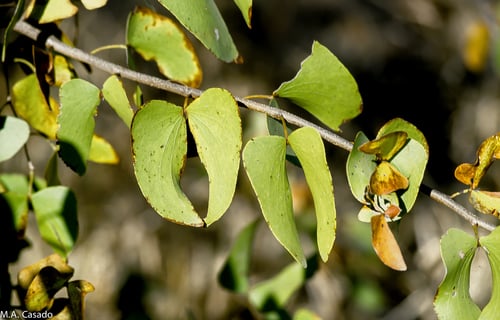
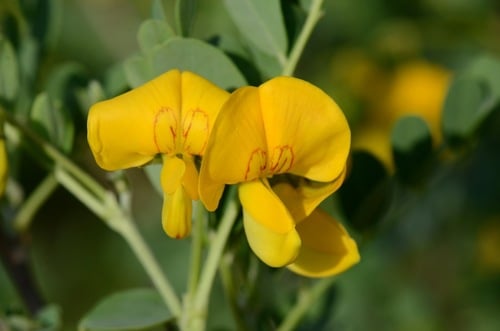
A small tree. The leaves have rusty hairs. The leaves are compound with 14-24 pinnae made up of 40-80 leaflets. The flowers have short stalks. They are in cylinder spikes in the axils of leaves. The fruit are strong smelling pods.
Edible Uses
The pods are used as a flavouring.
Traditional Uses
It is sometimes used as a flavouring.
This uses section is brief — help expand it
Distribution
It is a tropical plant.
Where It Grows
Asia, Indonesia, SE Asia,
Notes
There are 145-150 Albizia species. They grow in the tropics and subtropics. Also as Mimosaceae.
Synonyms
Acacia montana Jungh.Acacia vulcania Hassk.Albizia benthamiana Miq.Albizia lophantha var. montana Hochr.Albizia montana (Jungh.) Benth.Albizia montana var. kostermansii FosbergInga montana (Jungh.) Jungh.See Paraserianthes lophantha
References (3)
- Bircher, A. G. & Bircher, W. H., 2000, Encyclopedia of Fruit Trees and Edible Flowering Plants in Egypt and the Subtropics. AUC Press. p 17 (As Albizia montana)
- Hedrick, U.P., 1919, (Ed.), Sturtevant's edible plants of the world. p 31 (As Albizia montana)
- F. A. W. Miquel, Pl. jungh. 267. 1852 (As Albizia montana)