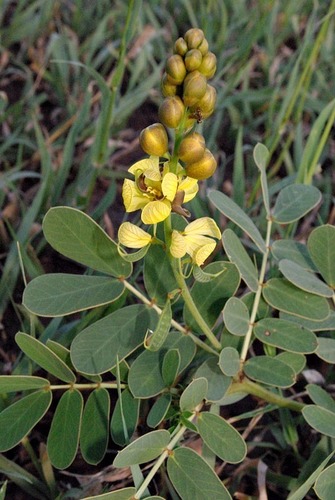
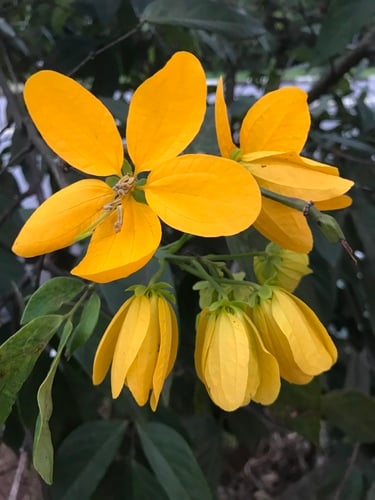
Parkia balslevii
H. C. Hopkins
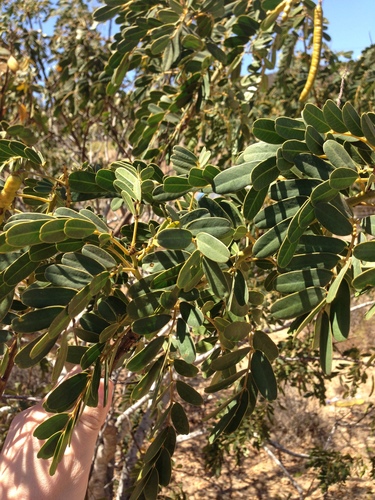
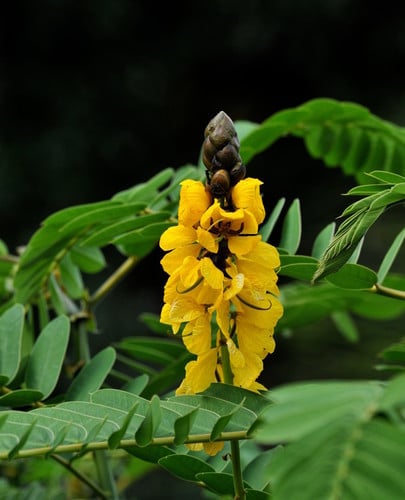
Balslev nitta tree
iNaturalist· cc-by-nc
(c) hernansifuentesiqn, some rights reserved (CC BY-NC)
iNaturalist· cc-by-nc
(c) hernansifuentesiqn, some rights reserved (CC BY-NC)
Summary
Source: WikipediaParkia balslevii is a species of flowering plant in the family Fabaceae, that is endemic to Ecuador. Its natural habitats are subtropical or tropical moist lowland forests and subtropical or tropical moist montane forests.
Description
A tropical tree in the legume family (Fabaceae) that produces seeds covered with a sweet, honey-like substance. The tree is currently threatened.
This description is brief — help expand it
Edible Uses
The seeds are covered with a sweet, honey-like coating and are eaten. The fruit and vine contents are also edible portions.
Traditional Uses
The seeds are covered with a sweet, honey-like substance.
This uses section is brief — help expand it
Distribution
It is a tropical plant.
Where It Grows
Amazon, Bolivia, Ecuador*, Peru, South America,
Notes
The tree is threatened.
Also Known As
Caje, Chorongo pakay, Cira cera, Coniyahue, Cotoguagua, Cotopacai, Cutunga, Gatota, Gotamamunda, Guarango, Kullki kaspi, Kutanka, Kutu pakay, Talarta, Tankam, Unque-he, Un-que-kan-he, Waranku
References (3)
- Grandtner, M. M. & Chevrette, J., 2013, Dictionary of Trees, Volume 2: South America: Nomenclature, Taxonomy and Ecology. Academic Press p 482
- Kermath, B. M., et al, 2014, Food Plants in the Americas: A survey of the domesticated, cultivated and wild plants used for Human food in North, Central and South America and the Caribbean. On line draft. p 607
- Torre, de la, L., et al, 2008, Enciclopedia de las Plantas Útiles del Ecuador. Herbario QCA. Pontificia Universidad Católica del Ecuador. p 355