Pittosporum pullifolium
Burkill
wikimedia· cc-by
Wikimedia Commons - R. O. Gardner
wikimedia· cc-by
Wikimedia Commons - R. O. Gardner
gbif· cc0
President and Fellows of Harvard College
Description
A small tree or shrub 1-5 m high. The tree type and leaf shape vary with altitude. Young shoots are yellowish brown and softly hairy. Leaves are stiff leathery and oval. Often the edges of the leaf bend backwards. Flowers are large and on the ends of branches. Inside the capsule there are many irregular flattened seeds.
Edible Uses
The seeds are eaten; they have a resinous coating.
Traditional Uses
The seeds are eaten. They contain a resinous coating.
This uses section is brief — help expand it
Distribution
A tropical plant. It grows in rainforest from 1200 m to 3700 m altitude.
Where It Grows
Asia, Indonesia, Pacific, Papua New Guinea, PNG, SE Asia, Solomon Islands,
Cultivation
It can be grown from seeds or cuttings. They tend to grow as epiphytes attached to other plans.
Propagation
Seed - best sown as soon as it is ripe. Cuttings of half-ripe wood, 5 - 7cm with a heel. Basal ripewood cuttings in a cold frame.
Other Uses
A dye is obtained from the seed. The seeds are coated by a resinous, viscid, dark reddish fluid.
Notes
There are about 200 Pittosporum species.
References (8)
- Bull. Misc. Inform. Kew 1899:96. 1899
- French, B.R., 1986, Food Plants of Papua New Guinea, A Compendium. Asia Pacific Science Foundation p 377
- Gillison, 1970,
- Kalkman, 1970,
- Powell, J.M., Ethnobotany. In Paijmans, K., 1976, New Guinea Vegetation. Australian National University Press. p 111
Show all 8 references Hide references
- Vink, 1970,
- Walter, A. & Sam C., 2002, Fruits of Oceania. ACIAR Monograph No. 85. Canberra. p 224, 281
- World Checklist of Useful Plant Species 2020. Royal Botanic Gardens, Kew
More from Pittosporaceae
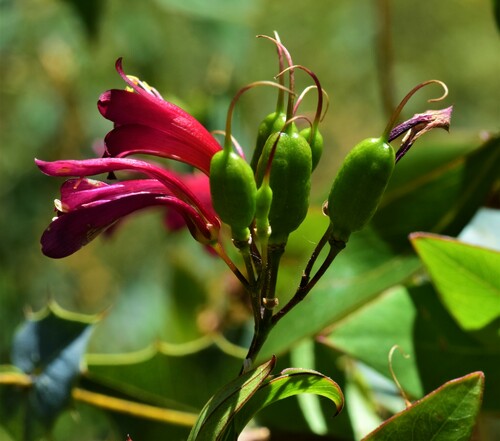
Billardiera erubescens
Red Billardiera
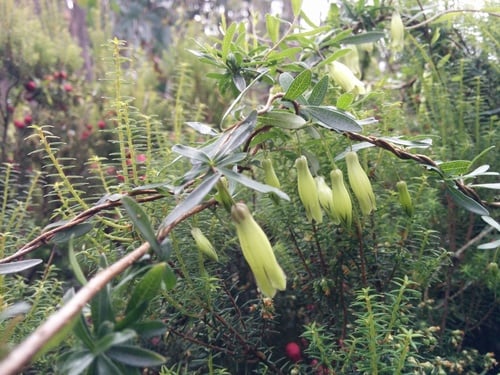
Billardiera longiflora
Purple Apple-berry, Mountain Blue Berry
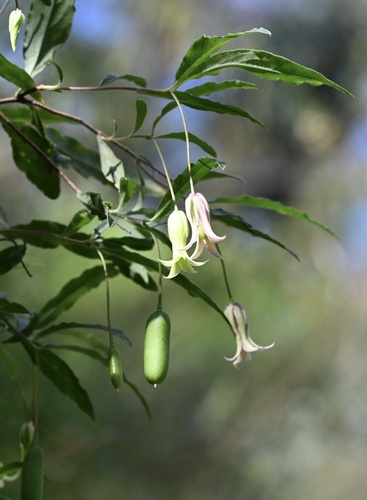
Billardiera mutabilis
Green appleberry
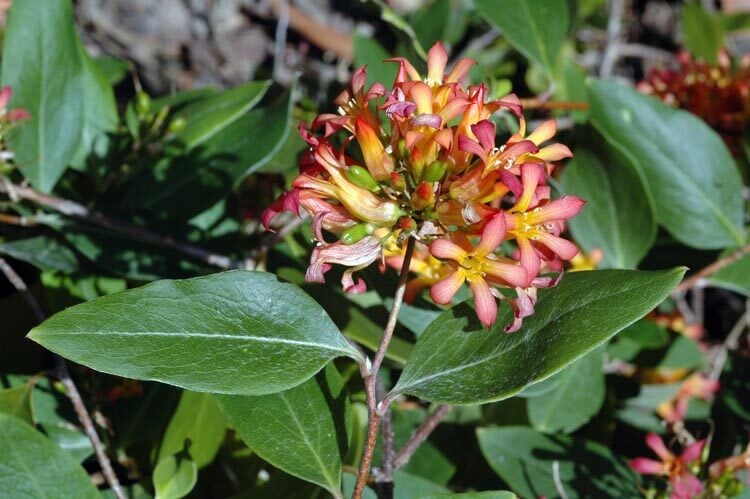
Billardiera ringens
Chapman River Climber, Chapman creeper
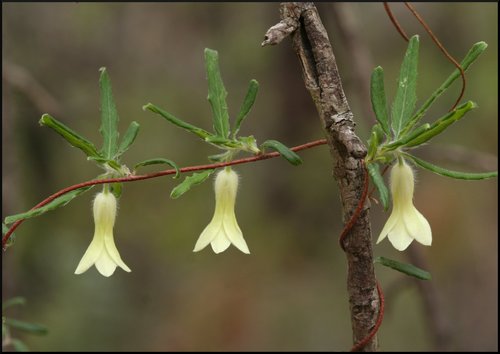
Billardiera scandens
Appleberry, Apple dumpling, Common Appleberry
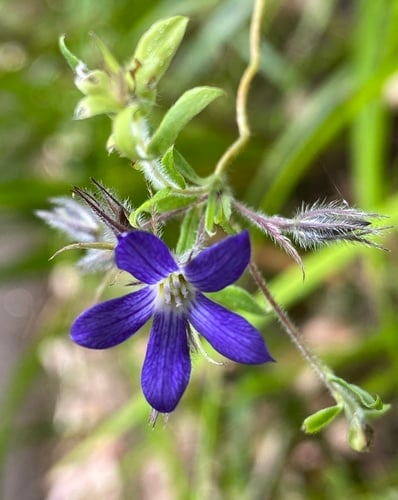
Billardiera variifolia
Western bluebell