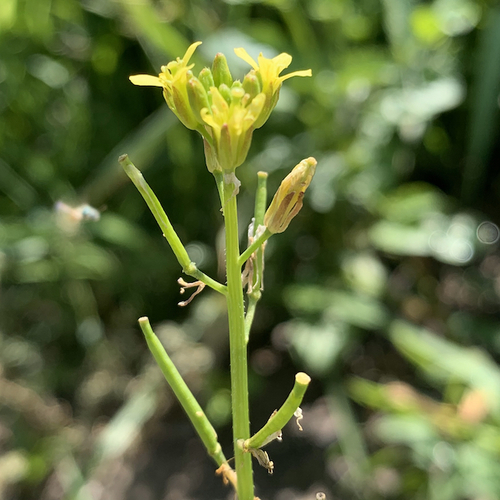
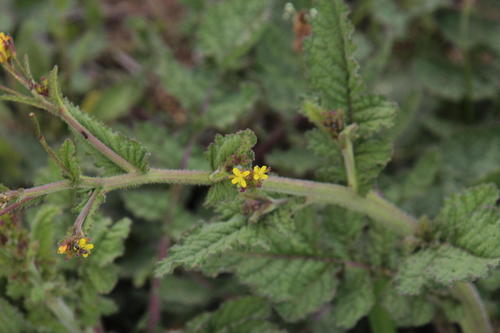
Cochlearia macrocarpa
Waldst.&Kit.
gbif· cc-by
GBIF
gbif· cc-by
Meise Botanic Garden
gbif· cc-by-sa
GBIF
Description
Cochlearia macrocarpa is a . The species is hermaphrodite (has both male and female organs) and is pollinated by Bees, flies, beetles. The plant is self-fertile. Suitable for: light (sandy), medium (loamy) and heavy (clay) soils and prefers well-drained soil. Suitable pH: mildly acid, neutral and basic (mildly alkaline) soils. It cannot grow in the shade. It prefers moist soil.
Edible Uses
Condiment. The root is a condiment. It is used like horseradish (Armoracia rusticana) and is said to be less acrid.
Distribution
C. Europe.
Where It Grows
EUROPE: Hungary, Slovakia, Bulgaria, Croatia, Romania
Cultivation
We have virtually no information on this species or its hardiness in Britain and do not even know if it is a perennial or annual. There is no record of it in 'Flora Europaea'. It is likely to succeed in an acid or calcareous sandy or gritty well-drained soils in a sunny position.
Propagation
Seed - sow spring or autumn in situ. Germination usually takes place within 2 - 3 weeks at 15°c.