Dentaria laciniata
(Wood.) Muhl.
Cut-leaved toothwort
iNaturalist· cc-by-nc
(c) Matt Tomlinson, some rights reserved (CC BY-NC)
iNaturalist· cc-by-nc
(c) Matt Tomlinson, some rights reserved (CC BY-NC)
iNaturalist· cc-by
(c) Katja Schulz, some rights reserved (CC BY)
Summary
Source: WikipediaPerennial herb growing 0.3m tall. Hardy to UK zone 6, not frost tender. Flowers in April with seeds ripening in June. Hermaphroditic. Tolerates light sandy and medium loamy soils. Grows in mildly acid, neutral, mildly alkaline, and very alkaline conditions. Prefers semi-shade and moist soil.
Description
A cabbage family herb. It keeps growing from year to year from a white, thick underground stem or rhizome. The main stem is upright and 25-50 cm tall. The leaves at the base fall off before flowering. The leaves on the stems are in rings of three. The highest leaves are divided into three. These can have teeth. The flowers have 4 white petals. They are in clusters at the top of the plant. The fruit are long narrow pods that split open along their length. The seeds are small. Check Possibly now Cardamine
Edible Uses
The root can be eaten raw or cooked and has a pleasant, pungent, peppery flavour somewhat like watercress. It is good added to salads or used as a relish. The leaves are also edible raw or cooked and share a similarly peppery flavour.
Traditional Uses
The rootstocks are peppery and when mixed with vinegar and salt can be a substitute for horseradish. The rootstocks can be chopped and added to salads.
Medicinal Uses
None known
Distribution
They grow in rich moist woods.
Where It Grows
Canada, North America, USA,
Cultivation
Plants can be grown from seeds of by division of the root.
Propagation
Sow seed in spring in a cold frame. Germination usually takes place within 1–3 weeks at 15°C. When large enough to handle, prick the seedlings into individual pots and grow on in light shade in a greenhouse or cold frame for the first two years, planting out when dormant in late summer. Divide in early spring or after the plant dies down in summer. Larger clumps can go directly into permanent positions, though smaller clumps are better potted up and grown on in a cold frame until well rooted, then planted out in spring.
Other Uses
None known Special Uses
Notes
CHECK
Synonyms
References (5)
- Beckstrom-Sternberg, Stephen M., and James A. Duke. "The Foodplant Database." http://probe.nalusda.gov:8300/cgi-bin/browse/foodplantdb.(ACEDB version 4.0 - data version July 1994)
- Elias, T.S. & Dykeman P.A., 1990, Edible Wild Plants. A North American Field guide. Sterling, New York p 81
- Esperanca, M. J., 1988. Surviving in the wild. A glance at the wild plants and their uses. Vol. 2. p 290
- Facciola, S., 1998, Cornucopia 2: a Source Book of Edible Plants. Kampong Publications, p 58
- Plants for a Future database, The Field, Penpol, Lostwithiel, Cornwall, PL22 0NG, UK. http://www.scs.leeds.ac.uk/pfaf/
More from Brassicaceae
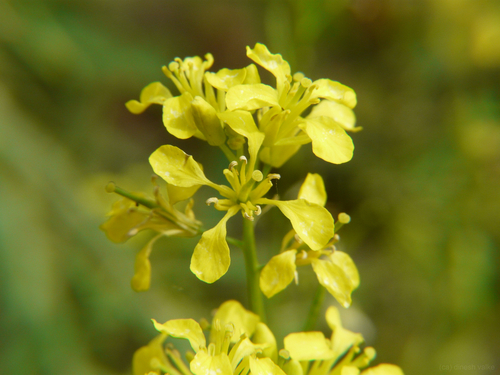
Brassica juncea var. latipa
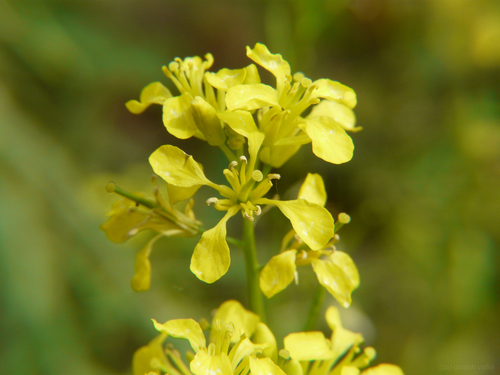
Brassica juncea var. leucanthus
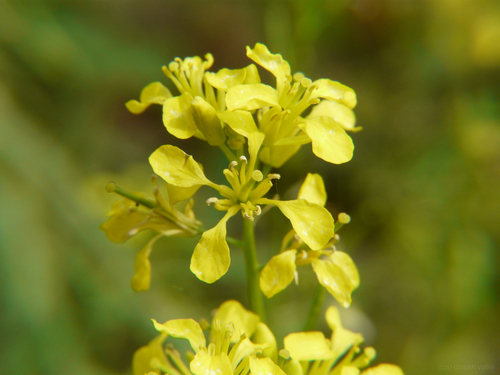
Brassica juncea var. megarrhiza
Tuberous-rooted mustard, Large-rooted mustard
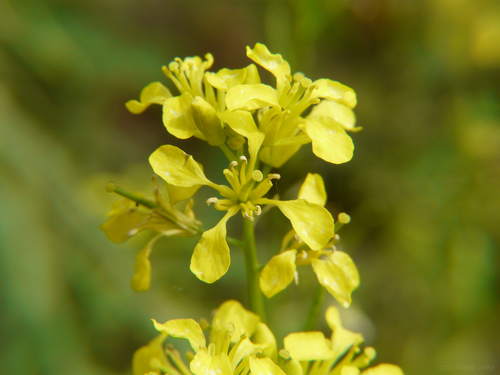
Brassica juncea var. multiceps
Chicken mustard, Multishoot mustard, Nine-head mustard
Brassica juncea var. multisecta
Thousand-veined mustard
Brassica juncea var. napiformis
Large-root mustard, Root mustard, Tuberous-root mustard, Turnip-root mustard