Descurainia californica
(A. Gray) O. E. Schulz
Sierra tansymustard
iNaturalist· cc-by-nc-sa
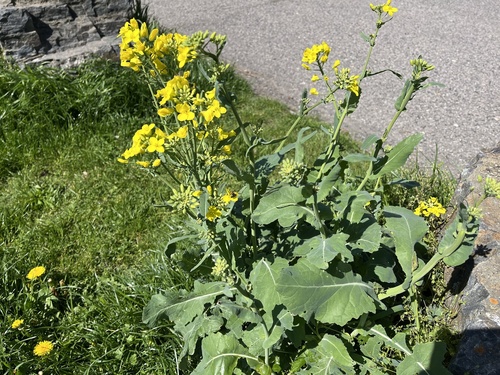
(c) 2011 Barry Breckling, some rights reserved (CC BY-NC-SA)
iNaturalist· cc-by-nc-sa
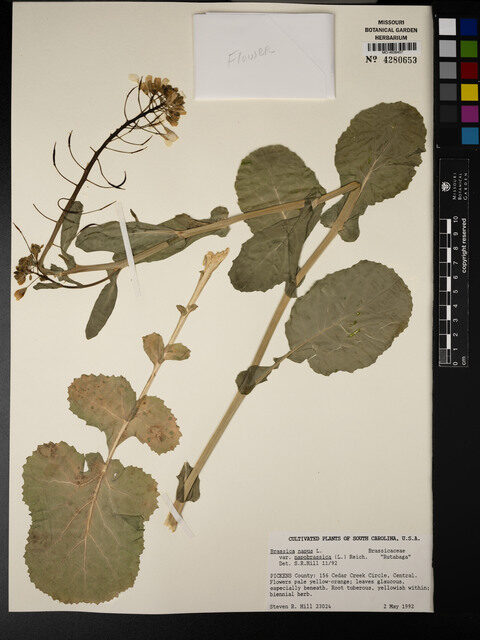
(c) Smithsonian Institution, National Museum of Natural History, Department of Botany, some rights reserved (CC BY-NC-SA)
iNaturalist· cc0
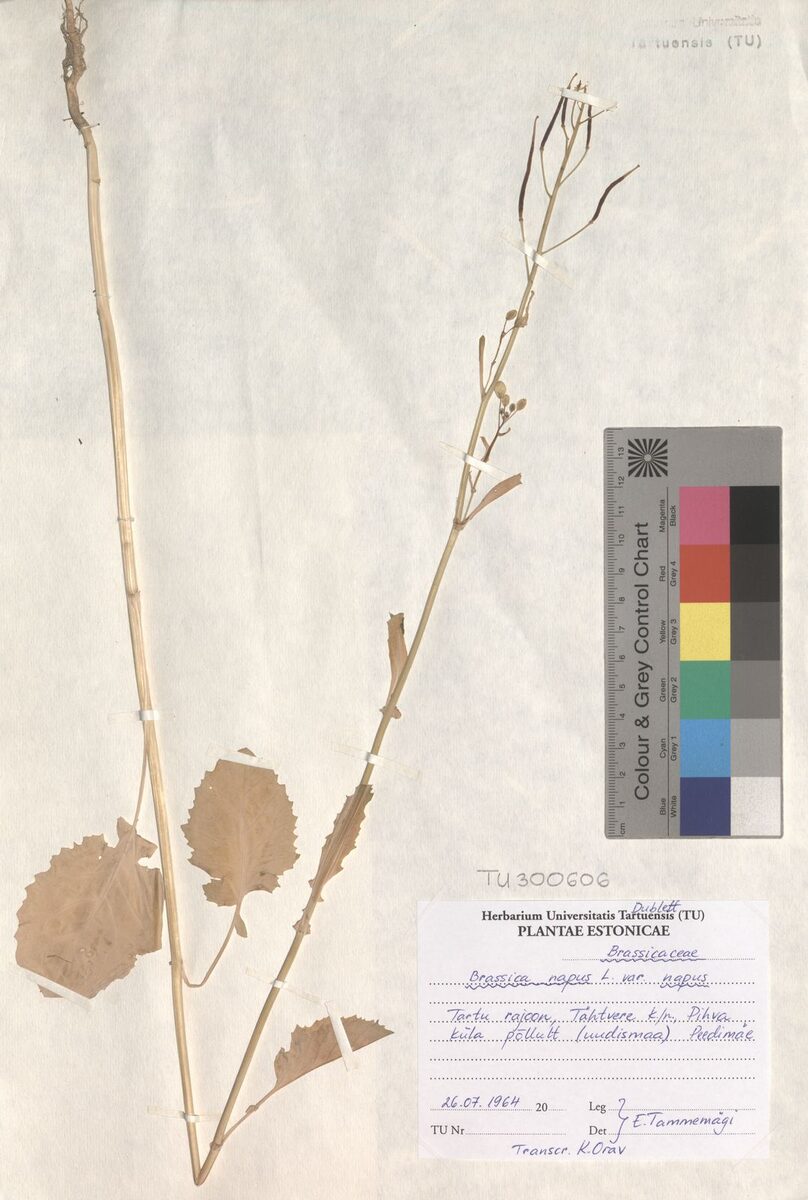
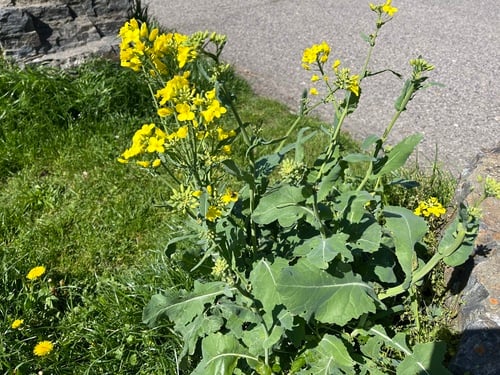
no rights reserved
Summary
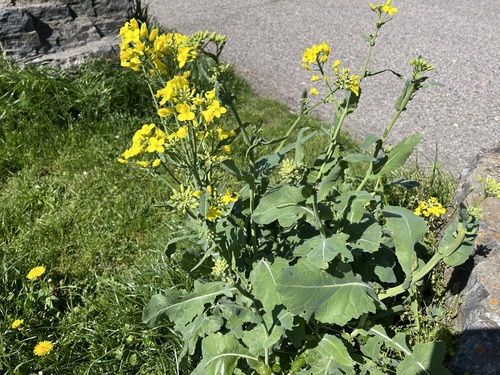
Source: WikipediaDescurainia californica is a species of flowering plant in the family Brassicaceae known by the common name Sierra tansymustard. This plant is native to western North America from California to Wyoming. It is a resident of varied habitats from mountain forest to sage scrub. This spindly mustardlike plant has a single thin stem which branches and may reach over half a meter in height. Its sparse leaves are divided into two to four pairs of dull green lobes each one to six centimeters long. The tiny bunched flowers at the tip of each stem are bright yellow. The fruit is a tiny podlike silique on a straight pedicel. Pedicels holding fruits stick out from the stem at intervals.
Description
A herb. It can grow for one or 2 years. It has one stem that can divide. It grows 50 cm tall. The leaves have 2 to 4 pairs of lobes. The flowers are yellow.
Edible Uses
The young leaves are cooked as a vegetable. The seeds, which have a mustard flavor, are used in soups and bread.
Traditional Uses
The young leaves are cooked. The seeds have a mustard flavour and are used in soups and bread.
This uses section is brief — help expand it
Distribution
It is a temperate plant.
Where It Grows
North America, USA,
Synonyms
References (1)
- World Checklist of Useful Plant Species 2020. Royal Botanic Gardens, Kew