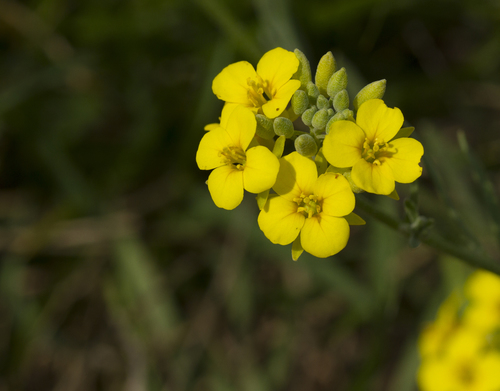
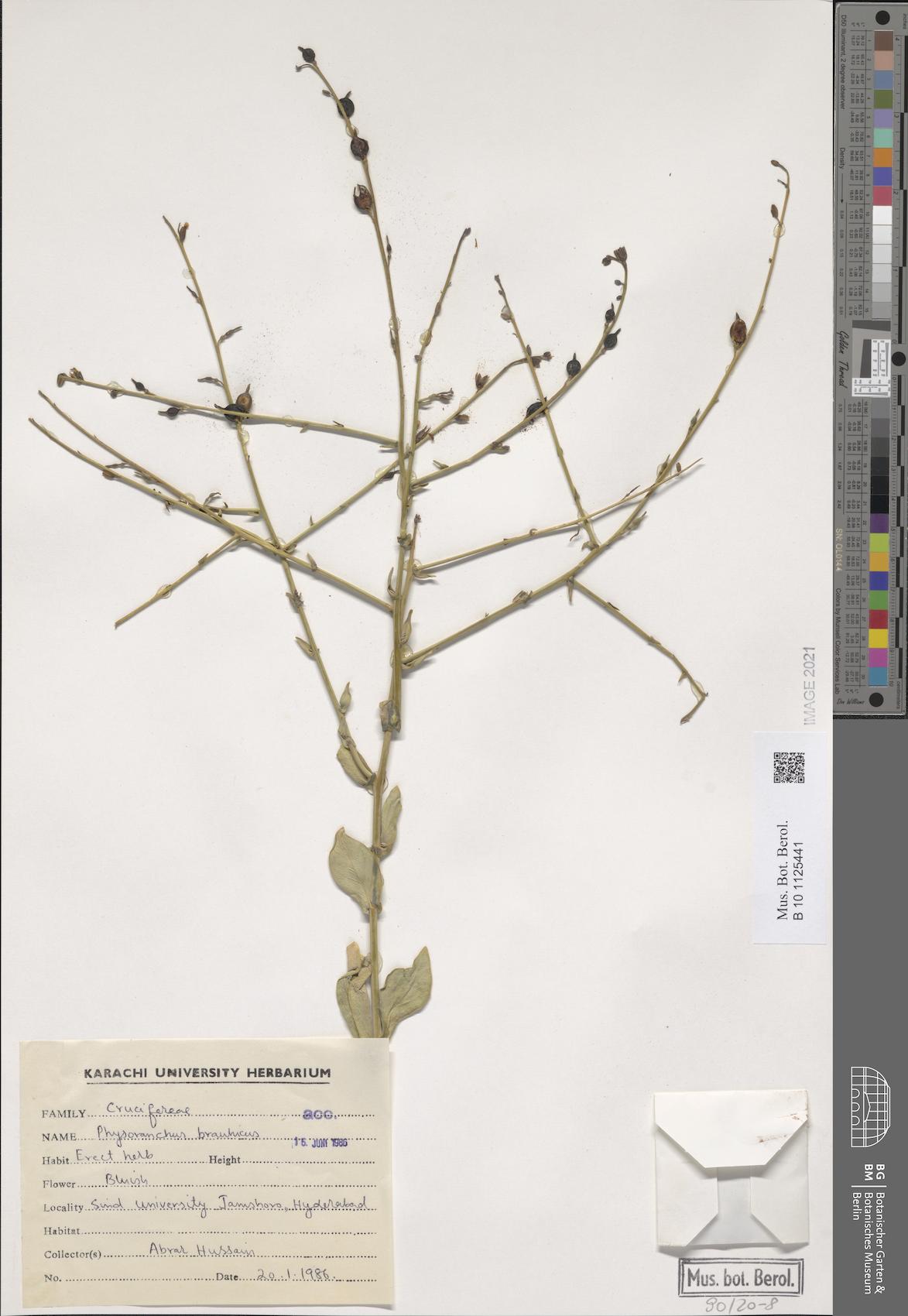
Dentaria maxima
(Wood.) Nutt.
Large toothwort
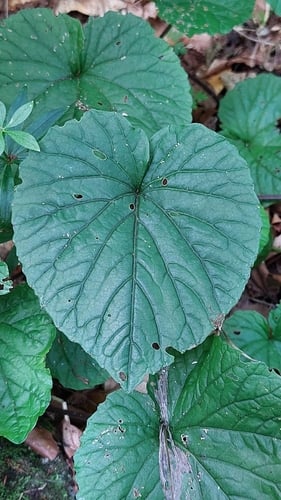
iNaturalist· cc-by-nc
(c) Paul Abell, some rights reserved (CC BY-NC)
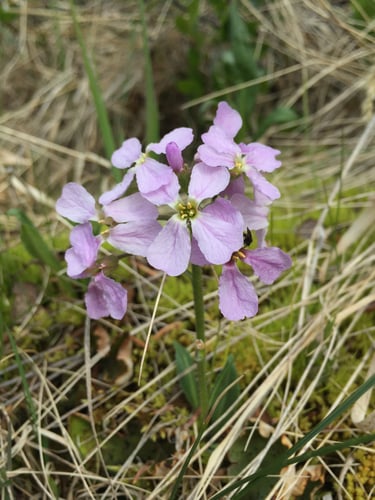
iNaturalist· cc-by-nc
(c) Paul Abell, some rights reserved (CC BY-NC)
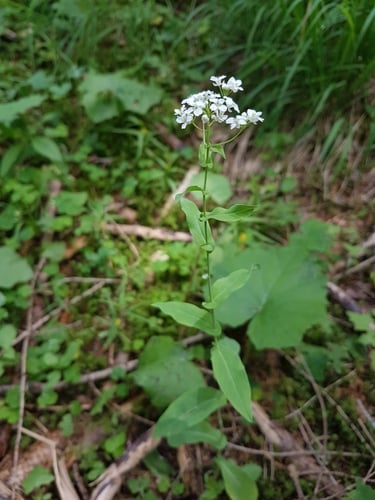
iNaturalist· cc-by-nc
(c) Paul Abell, some rights reserved (CC BY-NC)
Summary
Source: WikipediaPerennial herb growing 0.3m tall. Hermaphroditic. Tolerates light sandy and medium loamy soils. Grows in mildly acid, neutral, mildly alkaline, and very alkaline conditions. Prefers semi-shade and moist soil.
Description
Perennial herb growing 0.3m tall. Hermaphroditic. Tolerates light sandy and medium loamy soils. Grows in mildly acid, neutral, mildly alkaline, and very alkaline conditions. Prefers semi-shade and moist soil.
Edible Uses
The root can be eaten raw or cooked. Freshly harvested, it is pungent and acrid, so it is piled into a heap and allowed to ferment for several days to sweeten before being boiled.
Medicinal Uses
The root is stomachic.
Distribution
It is a temperate plant.
Where It Grows
North America, USA,
Propagation
Sow seed in spring in a cold frame. Germination usually takes place within 1–3 weeks at 15°C. When large enough to handle, prick the seedlings into individual pots and grow on in light shade in a greenhouse or cold frame for the first two years, planting out when dormant in late summer. Divide in early spring or after the plant dies down in summer. Larger clumps can go directly into permanent positions, though smaller clumps are better potted up and grown on in a cold frame until well rooted, then planted out in spring.
Other Uses
None known Special Uses
References (2)
- Beckstrom-Sternberg, Stephen M., and James A. Duke. "The Foodplant Database." http://probe.nalusda.gov:8300/cgi-bin/browse/foodplantdb.(ACEDB version 4.0 - data version July 1994)
- Plants for a Future database, The Field, Penpol, Lostwithiel, Cornwall, PL22 0NG, UK. http://www.scs.leeds.ac.uk/pfaf/