Descurainia incana
(Bernh. ex Fisch. & C. A. Mey) Dorn.
Mountain tansy mustard
iNaturalist· cc0
no rights reserved
iNaturalist· cc-by-nc
(c) Beth Corbin, some rights reserved (CC BY-NC), uploaded by Beth Corbin
iNaturalist· cc-by
(c) Andrey Zharkikh, some rights reserved (CC BY)
Summary
Source: WikipediaDescurainia incana is a species of flowering plant in the mustard family known by the common name mountain tansymustard. It is native to much of North America, including most of Canada, the western United States, and Baja California. It is known from many types of habitat. It is a biennial herb with a slender, greenish, often hairy stem sometimes exceeding a meter tall. The leaves are narrowly to widely oval in shape, the lower ones lobed and sometimes compound, the upper generally unlobed. The mustardlike inflorescence is a series of developing fruits beneath an elongating cluster of small bright yellow flowers. The fruit is a thin, pointed silique up to 2 centimeters long.
Description
An annual or biennial plant growing to 1 m tall and 40 cm wide with fast growth. Hardy to UK zone 4. Flowers appear from June to August with seeds ripening August to September. The plant is hermaphroditic, self-fertile, and pollinated by bees and insects. It grows well in light sandy, medium loamy, and heavy clay soils, tolerating poor nutrition. Suitable for mildly acid to mildly alkaline pH ranges. Adapts to semi-shade or full sun with preference for dry or moist soils.
Edible Uses
Young leaves are cooked; they have a bitter taste. The seed can be eaten raw or cooked and works as a mustard substitute in soups and stews. It can also be roasted, ground into a powder, and mixed with water to make a thin batter that is drunk. Additionally, the ground seed can be mixed with cereal flours when baking bread or used as a thickening agent for soups.
Traditional Uses
The leaves are cooked as a vegetable.
This uses section is brief — help expand it
Medicinal Uses
The plant has been used as a lotion for body parts affected by frostbite and as a lotion for sore throats. Since the plant is similar to mustard, the crushed seed is thought likely responsible for these effects, probably acting as a rubefacient — drawing blood to the affected area and warming it. The plant is also mashed and applied to bad cuts as a poultice.
Distribution
It is a temperate plant.
Where It Grows
Britain, Europe, North America, USA,
Propagation
Sow seed in spring directly in situ.
Other Uses
None known Special Uses
Synonyms
Also Known As
Grey tansymustard
References (6)
- Anderson, M. K., 2012, Edible Seeds and Grains of California Tribes and the Klamath Tribe of Oregon in the Phoebe Apperson Hearst Museum of Anthropology Collections, University of California, Berkeley. USDA p 41
- H. G. A. Engler, Pflanzenr. IV. 105(Heft 86):319. 1924 (As Descurainia richardsonii)
- Kiple, K.F. & Ornelas, K.C., (eds), 2000, The Cambridge World History of Food. CUP p 1866 (As Descurainia richardsonii)
- Plants for a Future database, The Field, Penpol, Lostwithiel, Cornwall, PL22 0NG, UK. http://www.scs.leeds.ac.uk/pfaf/
- Vasc. Pl. Wyoming 296. 1988
Show all 6 references Hide references
- World Checklist of Useful Plant Species 2020. Royal Botanic Gardens, Kew
More from Brassicaceae
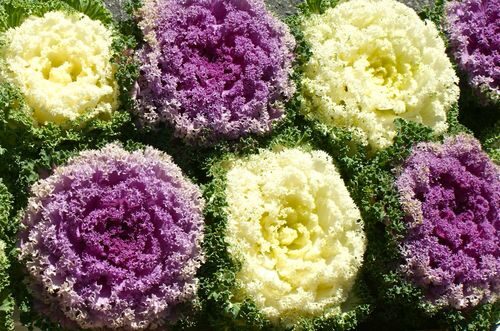
Brassica oleracea acephala
Collards
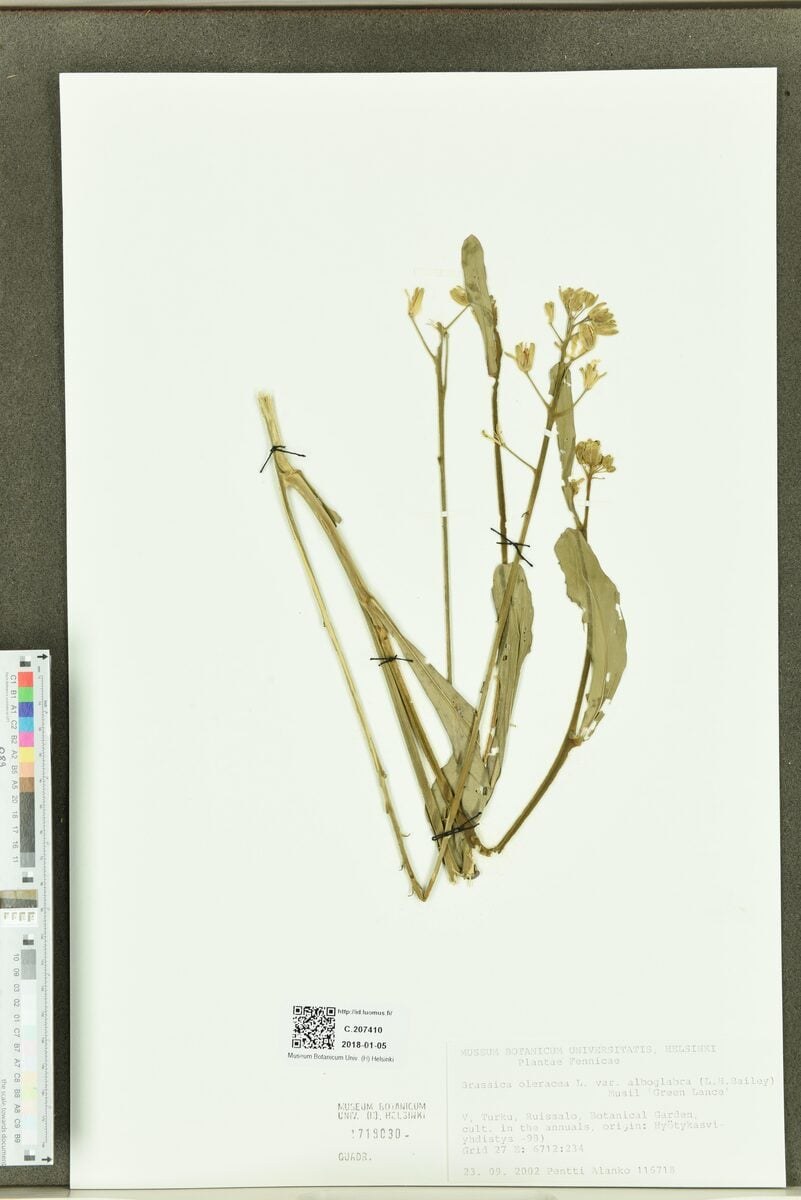
Brassica oleracea alboglabra - (L.H.Bailey)Musil.
Chinese Kale
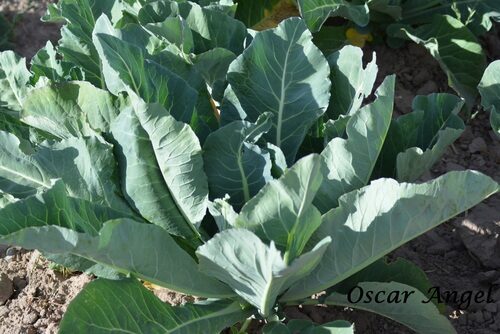
Brassica oleracea botrytis
Cauliflower
Brassica oleracea botrytis aparagoides
Nine Star Perennial Broccoli
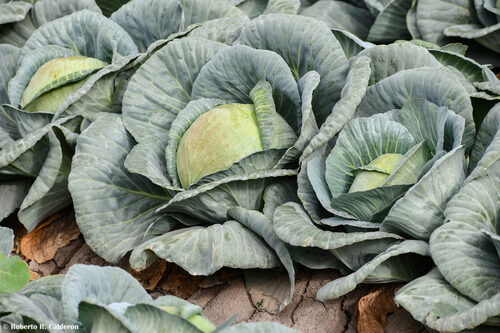
Brassica oleracea capitata
Cabbage,Ornamental Cabbage, Red Cabbage, Savoy Cabbage
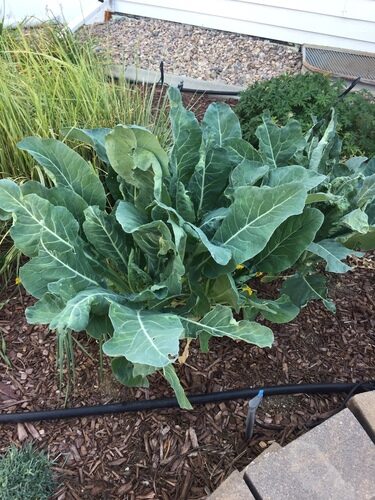
Brassica oleracea costata
Couve Tronchuda