Koelreuteria paniculata
Laxm.
Golden Rain Tree, Varnish Tree
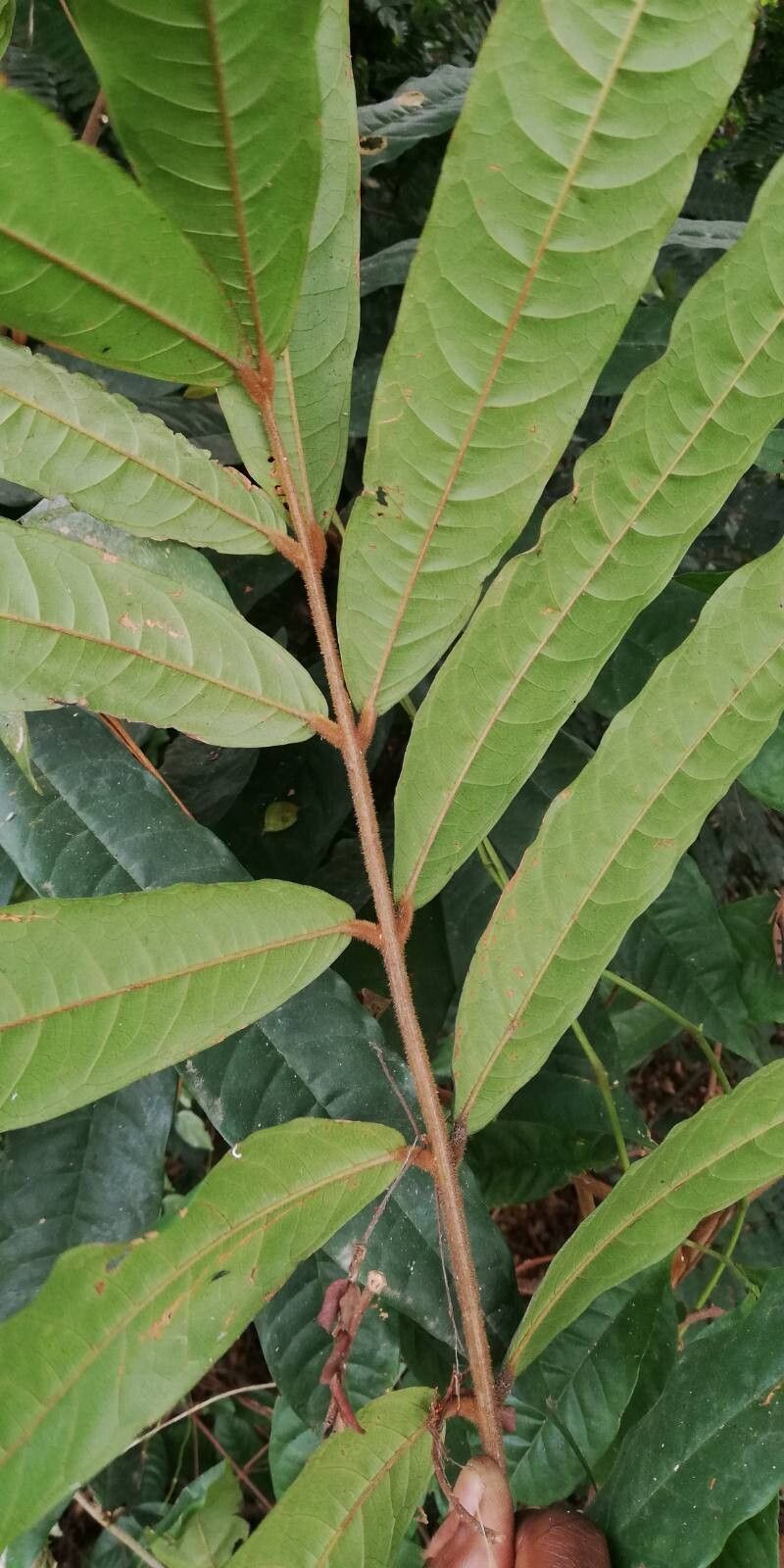
iNaturalist· cc-by-nc
(c) Charles, some rights reserved (CC BY-NC), uploaded by Charles
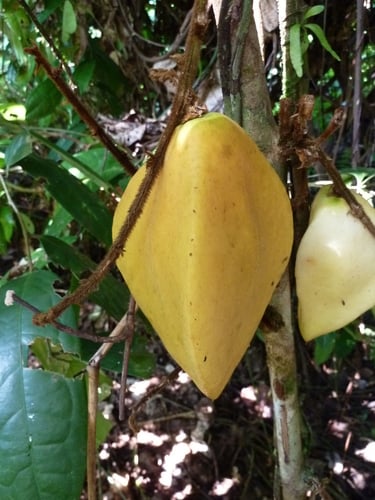
iNaturalist· cc-by-nc
(c) T Duffy, some rights reserved (CC BY-NC), uploaded by T Duffy
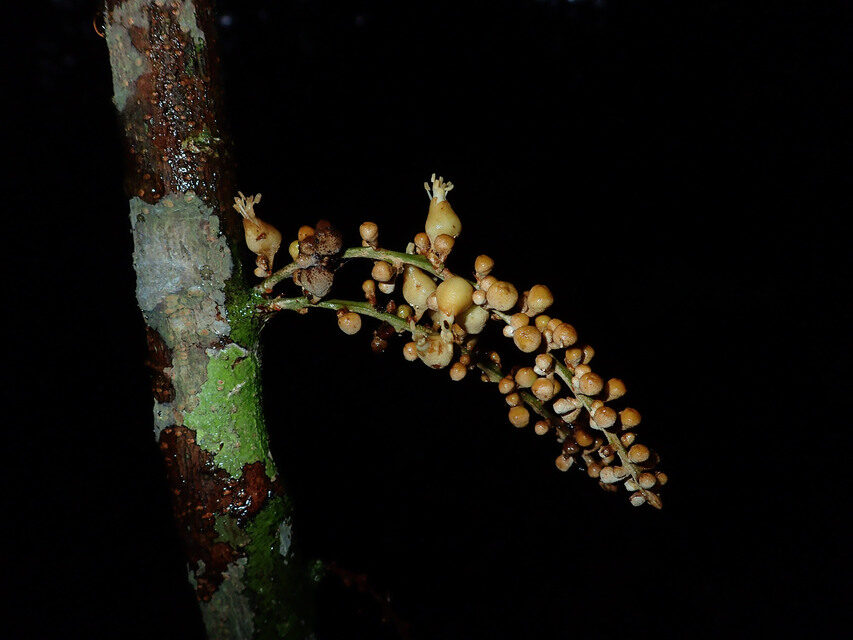
iNaturalist· cc-by-nc
(c) Татьяна Ганина, some rights reserved (CC BY-NC), uploaded by Татьяна Ганина
Description
Koelreuteria paniculata is a deciduous Tree growing to 10 m (32ft) by 10 m (32ft) at a fast rate. See above for USDA hardiness. It is hardy to UK zone 6 and is not frost tender. It is in flower from July to August, and the seeds ripen from September to October. The species is hermaphrodite (has both male and female organs) and is pollinated by Bees. It is noted for attracting wildlife. Suitable for: light (sandy), medium (loamy) and heavy (clay) soils and can grow in nutritionally poor soil. Suitable pH: mildly acid, neutral and basic (mildly alkaline) soils. It cannot grow in the shade. It prefers dry or moist soil. The plant can tolerates strong winds but not maritime exposure. It can tolerate atmospheric pollution.
Edible Uses
Berries - roasted. Leaves and young shoots - cooked.
Medicinal Uses
Ophthalmic. The flowers are ophthalmic. They are used in the treatment of conjunctivitis and epiphora.
Distribution
E. Asia - N. China. Naturalized in Japan and S. Europe.
Where It Grows
TEMPERATE ASIA: China (Anhui Sheng, Gansu Sheng, Hebei Sheng, Henan Sheng, Hubei Sheng, Jiangsu Sheng, Liaoning Sheng, Shaanxi Sheng, Shandong Sheng, Shanxi Sheng, Sichuan Sheng, Yunnan Sheng, Zhejiang Sheng)
Cultivation
Succeeds in any good loamy soil and in dry soils. Prefers a sunny sheltered position. A wind resistant plant, but it does not like salt-laden winds. Tolerates atmospheric pollution. This species is hardy to about -10°c when fully dormant, though the young growth in spring can be damaged by late frosts. Grows best in areas with long hot summers, it is fast growing in such conditions. A short-lived tree. A good bee plant. Plants are susceptible to coral spot fungus, especially if the wood is not properly ripened due to insufficient summer heat. This species is notably resistant to honey fungus.
Propagation
The seed requires a period of cold stratification. It is probably best sown as soon as it is ripe in a cold frame. Pre-soak stored seed for 24 hours in warm water. If it swells up then sow it in a cold frame. If it does not swell then soak it for a further 24 hours in hot water prior to sowing. This should cause the seed to swell but, should this fail, scarification (taking care not to damage the seed embryo) followed by a further 24 hours in warm water should do the trick. Germination is usually good, though the seedlings are very variable. When they are large enough to handle, prick the seedlings out into individual pots and grow them on in the greenhouse for at least their first winter. Plant them out into their permanent positions in late spring or early summer, after the last expected frosts. Consider giving the plants some protection from the cold for their first winter outdoors. Root cuttings, 4cm taken in December. Plant horizontally in individual pots in a warm greenhouse.
Other Uses
Beads DyeA yellow dye is obtained from the flowers.. A black dye is obtained from the leaves. The seeds are used as beads in necklaces etc.