Acer campestre
L.
Field Maple, Hedge maple
iNaturalist· cc-by-sa
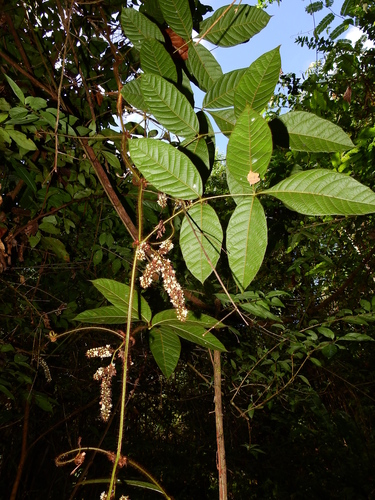
(c) Peter O'Connor, some rights reserved (CC BY-SA)
iNaturalist· cc-by-nc
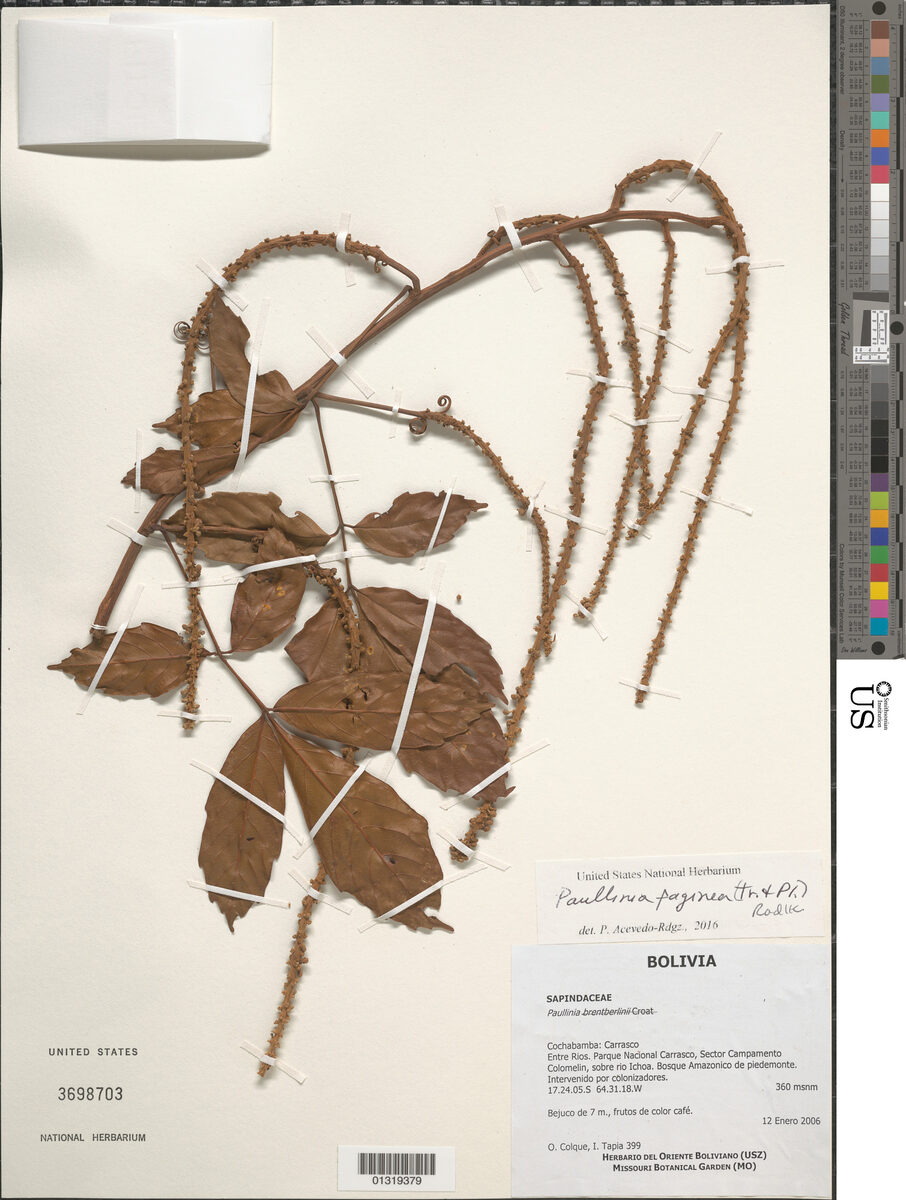
(c) Roman Monnier, some rights reserved (CC BY-NC), uploaded by Roman Monnier
iNaturalist· cc-by-nc
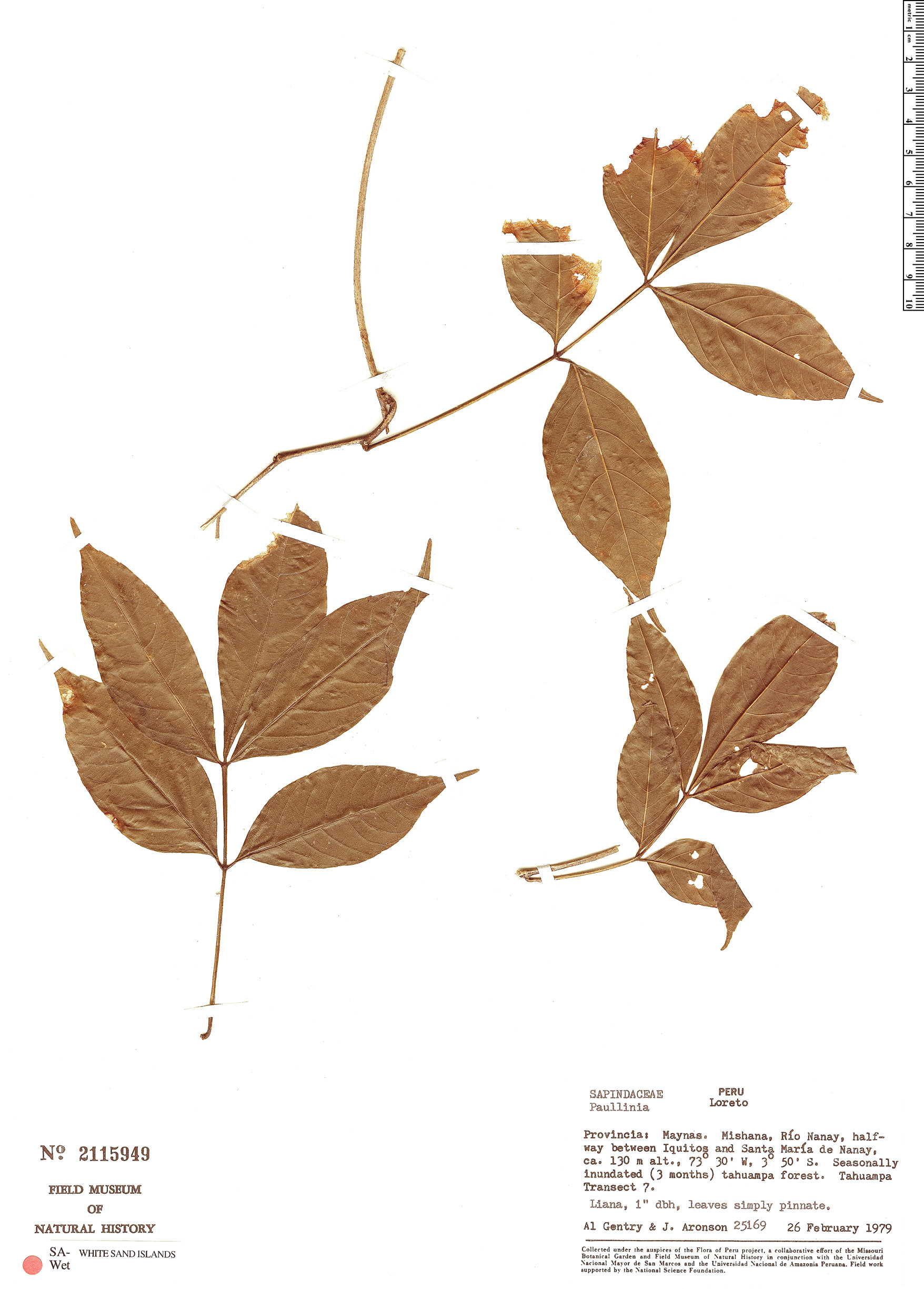
(c) Marek Koszorek, some rights reserved (CC BY-NC), uploaded by Marek Koszorek
Summary
Source: WikipediaAcer campestre, known as the field maple, is a flowering plant species in the family Sapindaceae. It is native to much of continental Europe, Britain, southwest Asia from Turkey to the Caucasus, and north Africa in the Atlas Mountains. It has been widely planted, and is introduced outside its native range in Europe and areas of USA and Western Australia with suitable climate.
Description
A shrub or small tree. It grows 5 m tall. There are prickles along the stem. The leaves are twice divided and there are 8-18 pairs of pinnae. There are up to 50 pairs of pinnules on each pinnae. The flowers are yellow. They are in large clusters at the ends of branches. The pods are flattened.
Edible Uses
The sap contains sugar and can be drunk fresh or boiled down into a syrup used as a sweetener on many foods, though the sugar concentration is considerably lower than in sugar maples (A. saccharum). The trunk is tapped in early spring, with sap flowing best on warm sunny days following a frost. The highest yields come from trees in cold-winter areas with continental climates.
Traditional Uses
The powdered inner bark of this tree has been used to make bread. The sap is eaten fresh or frozen by children. The immature fruit are sucked as a snack.
Medicinal Uses
The bark is astringent and slightly anticholesterolemic. A decoction has been used to bathe sore eyes. The bark should be sun-dried and then stored in a dry place until needed.
Distribution
It is a cool temperate plant. A plant native to the northern hemisphere. It prefers well drained alkaline soils. It requires an open sunny position. It can withstand frost but is damaged by drought. Temperate. It suits hardiness zones 3-8. Arboretum Tasmania.
Where It Grows
Africa, Albania, Asia, Australia, Azerbaijan, Britain, Caucasus, Central Asia, Europe*, Georgia, Greece, Hungary, Italy, Luxembourg, Mediterranean, North Africa, North America, Romania, San Marino, Slovakia, Slovenia, Tajikistan, Tasmania, USA,
Cultivation
Does well on chalky soils, tolerating a pH as high as 8, but becoming a shrub in such conditions. Does not thrive in soils with a pH much below 6. Grows well in heavy clay soils. Tolerates atmospheric pollution. Growth is fast once the trees are established, but this later slows down and trees take about 50 years to reach maturity. Frequently found as a shrub in light woodland, especially under oak. It is one of the first trees to colonize chalk grassland. The field maple is a bad companion plant, inhibiting the growth of nearby plants. A good bee plant. This species has often been coppiced in the past for its wood. Trees produce seed in about 10 years from sowing.
Propagation
Seed is best sown as soon as it is ripe in a cold frame, where it typically germinates the following spring. Stored seed should be pre-soaked for 24 hours and then stratified for 2–4 months at 1–8°C, though germination can be slow. Seed harvested green — fully developed but before drying and forming germination inhibitors — can be sown immediately and should germinate in late winter; seed taken too early produces very weak or no plants. Prick seedlings into individual pots and grow on until they reach at least 20cm before planting out permanently. Layering takes about 12 months and is successful with most species in this genus. Cuttings of young shoots taken in June or July should have 2–3 pairs of leaves plus one pair of buds at the base; removing a thin slice of bark at the base and applying a rooting hormone improves success. Rooted cuttings must show new growth during summer before being potted up, otherwise they are unlikely to survive winter.
Other Uses
The leaves can be packed around apples, root crops, and similar produce to help preserve them. Field maple is fast-growing and tolerates clipping well, making it an excellent formal hedge. It can also be included in native wildlife hedges trimmed only every 3–4 years, and has been used in topiary. The wood is fine-grained, tough, elastic, hard to split, takes a high polish, and is seldom attacked by insects. Although trees are rarely large enough to supply much timber, the wood is valued by cabinet makers when available and is also used for cups and bowls. Wood from the roots is often knotted and particularly prized for small cabinet work. The wood makes an excellent fuel, and the charcoal derived from it is also a good fuel.
Notes
There are about 120-150 Acer species.
Also Known As
Cat Oak, Dog Oak, Juhar, Klen, Kokasfa, Kokastorua, Maklen, Maplin Tree, Whistlewood, Whitty Bush
References (19)
- Bodkin, F., 1991, Encyclopedia Botanica. Cornstalk publishing, p 40
- Brickell, C. (Ed.), 1999, The Royal Horticultural Society A-Z Encyclopedia of Garden Plants. Convent Garden Books. p 64
- Coombes, A.J., 2000, Trees. Dorling Kindersley Handbooks. p 85
- Cundall, P., (ed.), 2004, Gardening Australia: flora: the gardener's bible. ABC Books. p 83
- Denes, A., et al, 2012, Wild plants used for food by Hungarian ethnic groups living inthe Carpathian Basin. Acta Societatis Botanicorum Poloniae 81 (4): 381-396
Show all 19 references Hide references
- Etherington, K., & Imwold, D., (Eds), 2001, Botanica's Trees & Shrubs. The illustrated A-Z of over 8500 trees and shrubs. Random House, Australia. p 59
- Harris, E & J., 1983, Field Guide to the Trees and Shrubs of Britain. Reader's Digest. p 130
- Harter, J.(Ed.), 1988, Plants. 2400 copyright free illustrations. Dover p 3.1, 3.6
- Heywood, V.H., Brummitt, R.K., Culham, A., and Seberg, O. 2007, Flowering Plant Families of the World. Royal Botanical Gardens, Kew. p 293
- Kremer, B.P., 1995, Shrubs in the Wild and in Gardens. Barrons. p 131
- Lazarides, M. & Hince, B., 1993, Handbook of Economic Plants of Australia, CSIRO. p 8
- Lord, E.E., & Willis, J.H., 1999, Shrubs and Trees for Australian gardens. Lothian. p 44
- Luczaj, L., 2012, Ethnobotanical review of wild edible plants of Slovakia. Acta Societatis Botanicorum Poloniae 81(4):245-255
- Ryan, S., 2008, Dicksonia. Rare Plants Manual. Hyland House. p 2
- Schuler, S., (Ed.), 1977, Simon & Schuster's Guide to Trees. Simon & Schuster. No. 70
- Sfikas, G., 1984, Trees and shrubs of Greece. Efstathiadis Group. Athens. p 114
- Sp. pl. 2:1055. 1753
- Svanberg, I. et al, 2012, Uses of tree saps in northern and eastern parts of Europe. Acta Societatis Botanicorum Poloniae 81 (4): 343-357
- Young, J., (Ed.), 2001, Botanica's Pocket Trees and Shrubs. Random House. p 54