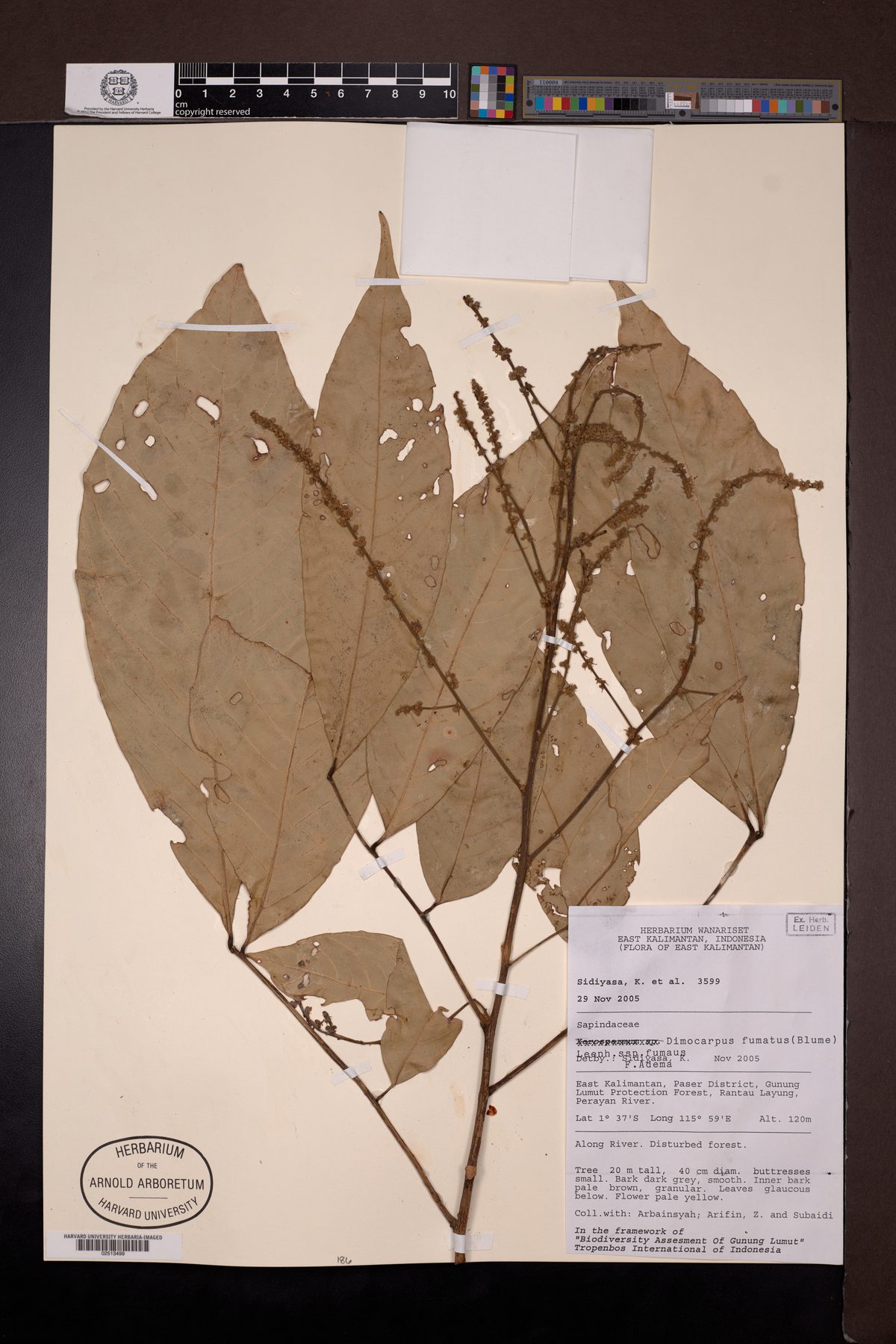
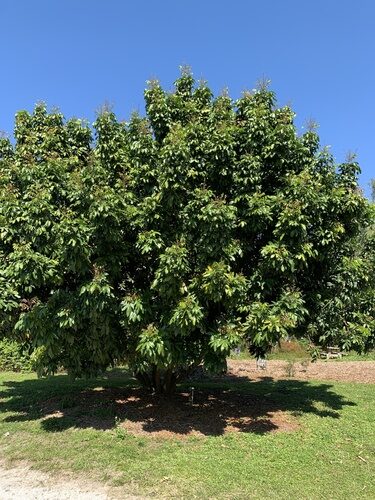
Acer caudatum
Wall.
iNaturalist· cc-by-nc
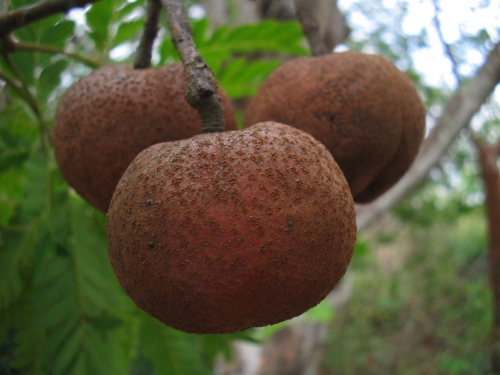
(c) Sakern | 永隔一江水, some rights reserved (CC BY-NC), uploaded by Sakern | 永隔一江水
iNaturalist· cc-by-nc
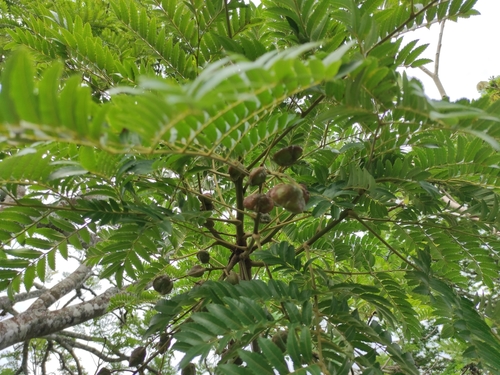
(c) ed_shaw, some rights reserved (CC BY-NC)
iNaturalist· cc-by-nc
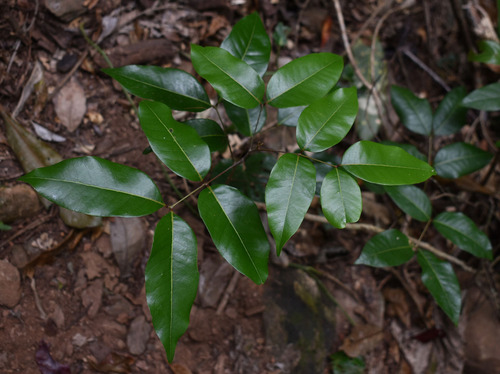
(c) Elizabeth Byers, some rights reserved (CC BY-NC), uploaded by Elizabeth Byers
Summary
Source: WikipediaAcer caudatum, commonly known as candle-shape maple, is an Asian species of maple trees. It is found in the Himalayas (Tibet, Nepal, northern and northeastern India, Myanmar) the mountains of southwestern China (Gansu, Henan, Hubei, Ningxia, Shaanxi, Sichuan, Yunnan), plus Japan, Korea, and eastern Russia. Acer caudatum is a deciduous tree up to 10 meters tall. Leaves are up to 12 cm across, thin and papery, dark green on the top, lighter green on the underside, usually with 5 lobes but occasionally 7. Varieties Acer caudatum subsp. caudatum Acer caudatum subsp. multiserratum (Maxim.) A.E.Murray Acer caudatum subsp. ukurundense (Trautv. & C.A.Mey.) E.Murray
Description
A shrub or small tree. It grows 5 m tall. There are prickles along the stem. The leaves are twice divided and there are 8-18 pairs of pinnae. There are up to 50 pairs of pinnules on each pinnae. The flowers are yellow. They are in large clusters at the ends of branches. The pods are flattened.
Edible Uses
The sap is sweet and consumed fresh or processed into sugar. The leaves are also used to make tea.
Traditional Uses
The sap is sweet and is eaten. It is used to produce sugar.
This uses section is brief — help expand it
Medicinal Uses
Traditional uses include sweetened sap for consumption and medicinal tea from the leaves.
Distribution
It is a temperate plant. It grows between 3,000-3,750 m above sea level.
Where It Grows
Asia, China, Himalayas, India, Sikkim, Tibet,
Synonyms
Also Known As
Kabashi, Kapashe, Long de bi ya
References (4)
- Badwar, R. R., & Fernandez, R. R., 2011, Edible Wild Plants of the Himachal Pradesh State by IHBT, Himalayas, Daya Publishing House,. Delhi, India (As Acer papilio)
- Chen, W., et al, 2021, Wild plants used by the Lhoba people in Douyu Village, characterized by high mountains and valleys, in southeastern Tibet, China. Journal of Ethnobiology and Ethnomedicine (2021) 17:46
- Sundrayal, M., et al, 2004, Dietary Use of Wild Plant Resources in the Sikkim Himalaya, India. Economic Botany 58(4) pp 626-638
- Wild edible plants of Himachal Pradesh (As Acer papilio)