Barringtonia novae hiberniae
Lauterb.
Pao Nut
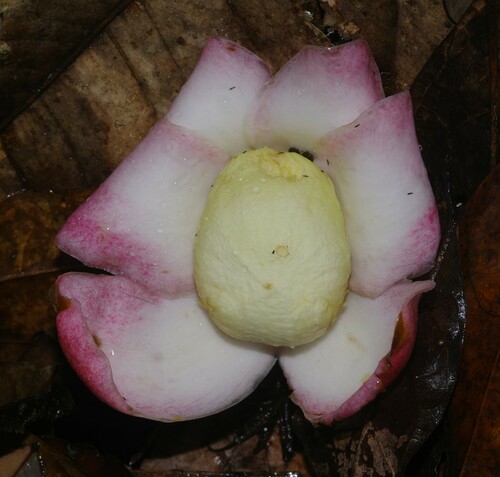
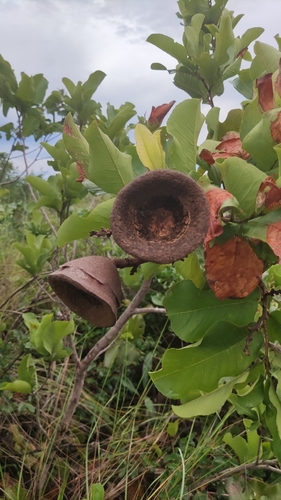
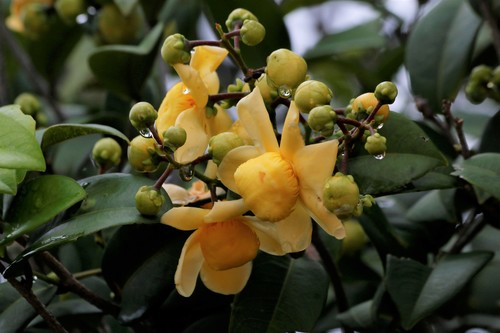
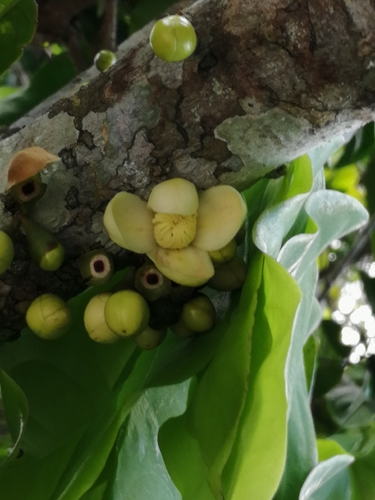
No photos yet for Barringtonia novae hiberniae
Sign in to contribute a photoDescription
Barringtonia novae hiberniae is an evergreen Tree growing to 10 m (32ft) by 7 m (23ft) at a fast rate. See above for USDA hardiness. It is hardy to UK zone 10. The flowers are pollinated by Moths, Bats. Suitable for: light (sandy), medium (loamy) and heavy (clay) soils and prefers well-drained soil. Suitable pH: mildly acid, neutral and basic (mildly alkaline) soils and can grow in very alkaline and saline soils. It cannot grow in the shade. It prefers moist soil. The plant can tolerate maritime exposure.
Edible Uses
Seed - raw or roasted. A flavour like raw peanuts. It has a fairly hard texture. The seed is about 3cm long and 1 - 2cm wide.
Medicinal Uses
Abortifacient Stomachic. The bark is used in the treatment of stomach ailments and gonorrhoea. A strong tea made from the bark is claimed to induce abortion and definitive sterility.
Distribution
Australasia - New Guinea to the Bismarck Islands, Solomon Islands and Vanuatu.
Where It Grows
PACIFIC: Vanuatu AUSTRALASIA: New Guinea to the Bismarck Islands, Solomon Islands,
Cultivation
The tree can flower and produce seeds all year round. Several different races or types of pao nut have been selected by villagers and these trees seem to produce fruit that is similar to the seed that was planted. Trees grown from cuttings have shorter trunks and form branches closer to the ground.
Propagation
Seed - best sown as soon as it is ripe. Stem cuttings.
Other Uses
Fuel Wood. The wood is light in weight. It is used for canoe paddles, casing, light construction. The wood is used as a quick-burning firewood. Commonly planted as ornamental and shade tree and for the fruit, seeds edible.