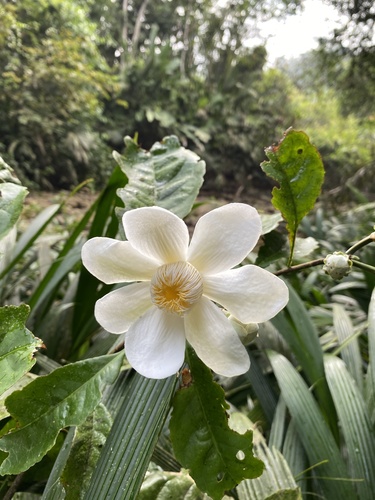
Grias cauliflora
Linn.
Anchovy pear
iNaturalist· cc-by-nc
(c) Arles García, some rights reserved (CC BY-NC), uploaded by Arles García
iNaturalist· cc-by
(c) W. Terry Hunefeld, some rights reserved (CC BY), uploaded by W. Terry Hunefeld
iNaturalist· cc-by-nc
(c) Jan Meerman, some rights reserved (CC BY-NC), uploaded by Jan Meerman
Summary
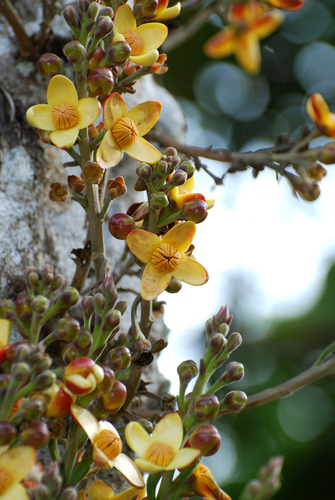
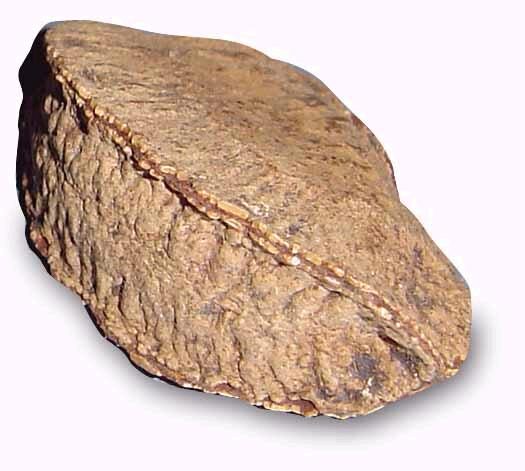
Source: WikipediaGrias cauliflora, the anchovy pear, (also called the river pear) is an evergreen fruit tree native to Jamaica, Central America, and Colombia. It is often found near rivers or marshes in large colonies. It belongs to the Lecythidaceae (Brazil nut) family. The edible nuts grow clumped together in large, round, woody and extremely hard seed pods the size of a large grapefruit. The meat of the seed (the "nut") is very rich in oil and grows from 7 to 9 cm long and 2 to 4 cm in diameter. The tree has fragrant yellow flowers about 5 cm across and grows to a height of about 15 m (50 feet). The anchovy pear tree bears spear-shaped, glossy leaves produced in palm-like tufts that reach an average length of 90 cm. The edible, brown, berrylike fruits for which it is cultivated for pickling are not related to the common pear. The fruit has a taste similar to that of the mango.
Description
A high tree. It grows 15 m tall. The fruit are pear shaped. They are 5-8 cm long. They are a reddish-brown.
This description is brief — help expand it
Edible Uses
Fruit - raw when fully ripe. The immature fruits are pickled like the mango - which they somewhat resemble in taste. The large, yellowish green, pear-shaped fruit is fleshy.
Traditional Uses
The young fruit are pickled. The ripe fruit are eaten raw.
This uses section is brief — help expand it
Distribution
A tropical plant. It suits hot humid tropical lowland climates. It can grow in swampy areas.
Where It Grows
Caribbean, Central America, Colombia, Jamaica, South America, West Indies,
Cultivation
Plants are grown from seed. The seeds readily germinate when they fall into fresh water.
Other Uses
The heartwood is a brownish-yellow, often discoloured; the thick band of sapwood is yellowish-white. The texture is coarse; the grain is straight. The wood is of medium weight and density; moderately hard; not strong; brittle; not durable. It is easy to work. The wood, in radial section, somewhat resembles oak. It is used locally to a small extent as a house and handy-work timber.
Notes
There are 7 Grias species.
Also Known As
Jaguay, Jaguillo, Paco, Pera de anchoa, Poire d'anchois, Sacha mangua
References (9)
- Facciola, S., 1998, Cornucopia 2: a Source Book of Edible Plants. Kampong Publications, p 140
- Hedrick, U.P., 1919, (Ed.), Sturtevant's edible plants of the world. p 334
- Kermath, B. M., et al, 2014, Food Plants in the Americas: A survey of the domesticated, cultivated and wild plants used for Human food in North, Central and South America and the Caribbean. On line draft. p 397
- Lopez-Diago, D. & Garcia, N., 2021, Wild edible fruits of Colombia. Biota ColomBiana 22 (2) p 40
- Macmillan, H.F. (Revised Barlow, H.S., et al) 1991, Tropical Planting and Gardening. Sixth edition. Malayan Nature Society. Kuala Lumpur. p 302
Show all 9 references Hide references
- Martin, F. W., et al, 1987, Perennial Edible Fruits of the Tropics. USDA Handbook 642 p 32
- Prance, G. T. and Scott A. Mori, 1979 Lecythidaceae: Part I: The Actinomorphic-Flowered New World Lecythidaceae (Asteranthos, Gustavia, Grias, Allantoma, & Cariniana): Flora Neotropica, Vol. 21, No. 1, Lecythidaceae: pp. 111
- Roa, J. A. G. & Boada, D. S. G., 2018, Fundación para el Fortalecimiento de la Fruticultura y Plantas Alimenticias no Convencionales en Colombia.
- Syst. nat. ed. 10, 2:1075. 1759