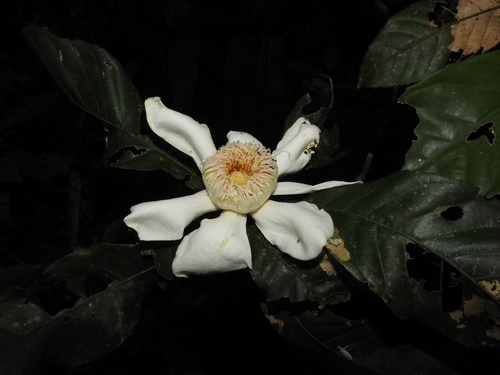
Eschweilera ovata
(Cambess.) Miers
Biriba
iNaturalist· cc-by-nc
(c) Mário Jorge Maia de Magalhães, some rights reserved (CC BY-NC), uploaded by Mário Jorge Maia de Magalhães
iNaturalist· cc-by-nc
(c) Rogerio Dias, some rights reserved (CC BY-NC)
iNaturalist· cc-by-nc
(c) handfurrow, some rights reserved (CC BY-NC)
Description
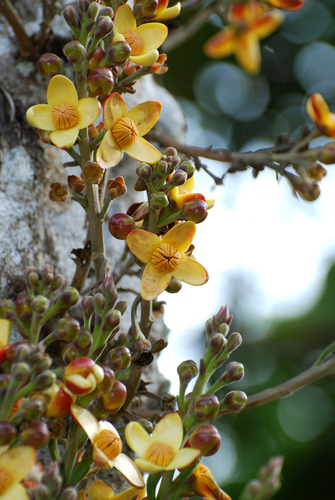
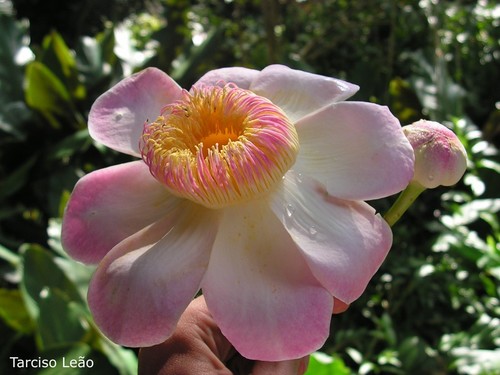
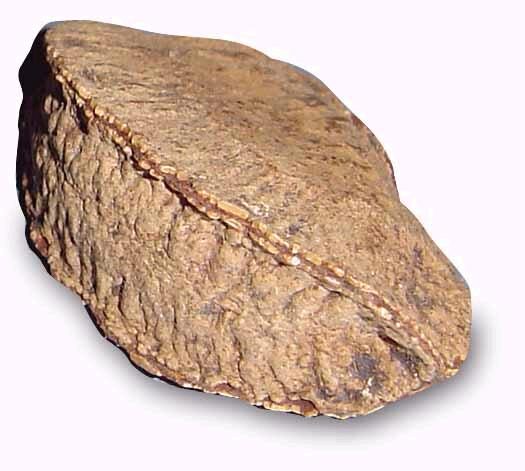
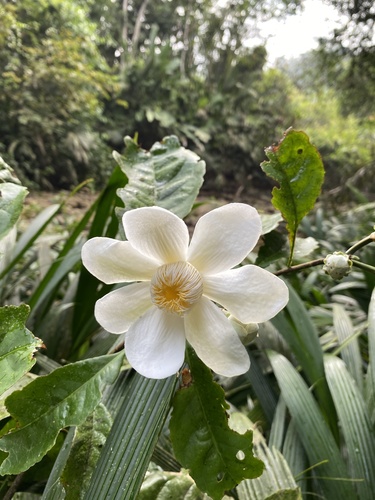
A tree. It grows 4-19 m high. The crown is a pyramid shape. The trunk is 40-60 cm across. The bark is thick and has cracks along its length. The leaves have 8-10 pairs of side veins. The leaves are 5-14 cm long and 3-6 cm wide. They are on leaf stalks 5-10 cm long. The flowers are in the axils of leaves or at the ends of the branches. The flowering groups are 3-12 cm long. They are yellow and white. The flowers have a scent. The fruit have 1-4 seeds with stripes on them. They have a yellow aril on the side.
Edible Uses
The seeds are eaten and can be pressed for oil.
Distribution
It is a tropical plant. It grows in Brazil in the western Amazon region.
Where It Grows
Amazon, Bolivia, Brazil, South America,
Cultivation
Plants are grown from seed. The ripe fruit are harvested and put in the shade to dry and open. The fresh seeds are planted and germinate in 4-5 weeks.
Propagation
Seed - best sown as soon as it is ripe in a partially shaded position in individual containers. A low germination rate can be expected, with the seed sprouting within 28 - 35 days.
Other Uses
The wood is compact, uniform, heavy, moderately hard, with good mechanical properties and moderately durable. It has proved to be very resistant to the attacks of marine borers. It can be used in naval and general construction, for railway sleepers, fence posts, stakes, cabinet making etc. We do not have any more specific information for this species, but the general description for the wood of this genus is as follows:- The heartwood of most species is light brown, grayish-brown, reddish-brown, or brownish-buff, sometimes with black streaks; it is usually distinct from the yellowish sapwood. The texture is fine and uniform; the grain typically straight; lustre is low; there is no distinctive odour or taste. Depending on the species, silica content may be as high as 2.4%. Most species are highly resistant to attack by both brown-rot and white-rot fungi. Also most of the species have gained wide recognition for their high degree of resistance to marine-borer attack. Resistance to dry-wood termite attack is variable, depending on species. The wood is rated as fairly difficult to air season, drying rates are slow to moderate. Warp and checking are rated as slight to moderate, depending on species. Most of the species are difficult to work because of the high density and high silica content (excepting E. Tenax); specially tipped cutters are suggested. They can be used for purposes such as marine and other heavy construction, industrial flooring, pulpmill equipment, railroad crossties, piling, and turnery. The tree has a moderate rate of growth, succeeds in full sun and provides food for humans and other creatures. It can be used as a pioneer when restoring native woodland.
Production
The plant grows at a moderate rate.
Synonyms
Also Known As
Biriba-branca, Biriba-preta, Ibiraba, Imbiriba, Sapucainha, Tauarisinho
References (4)
- Grandtner, M. M. & Chevrette, J., 2013, Dictionary of Trees, Volume 2: South America: Nomenclature, Taxonomy and Ecology. Academic Press p 231
- Kermath, B. M., et al, 2014, Food Plants in the Americas: A survey of the domesticated, cultivated and wild plants used for Human food in North, Central and South America and the Caribbean. On line draft. p 348
- Lorenzi, H., 2002, Brazilian Trees. A Guide to the Identification and Cultivation of Brazilian Native Trees. Vol. 02 Nova Odessa, SP, Instituto Plantarum p 152
- Martin, F. W., et al, 1987, Perennial Edible Fruits of the Tropics. USDA Handbook 642 p 98 (As Lecythis ovata)