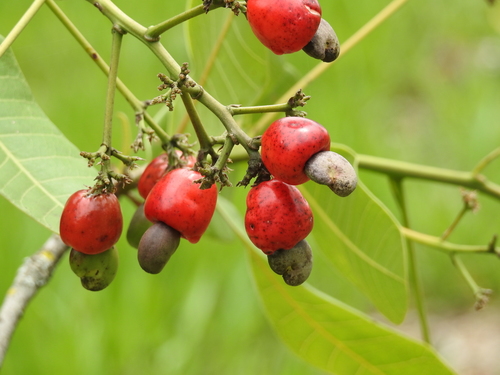
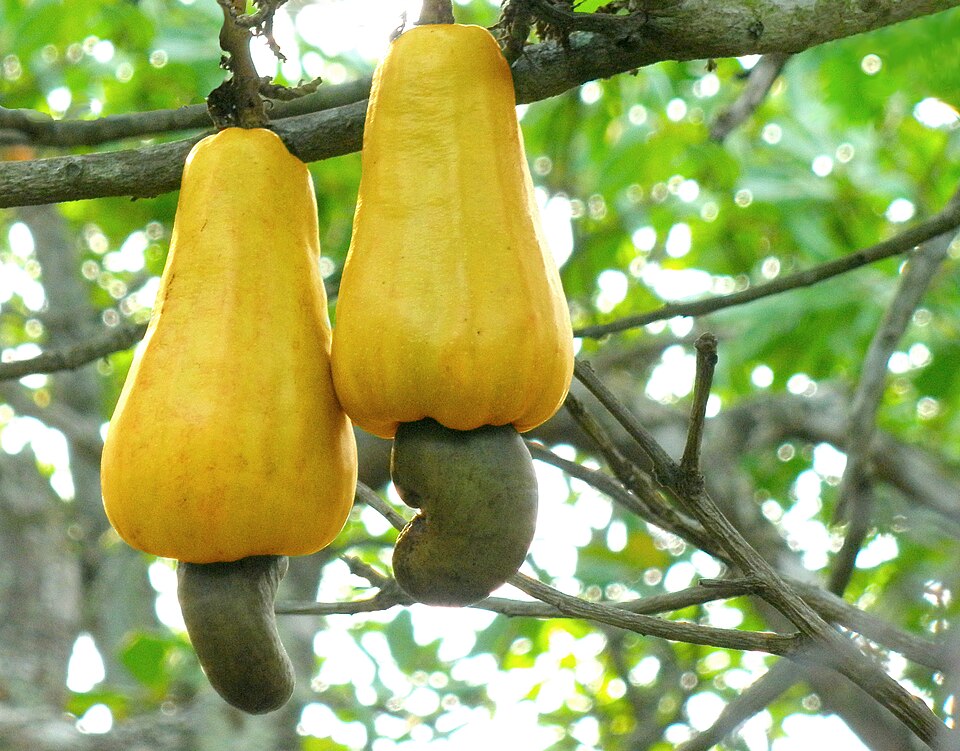
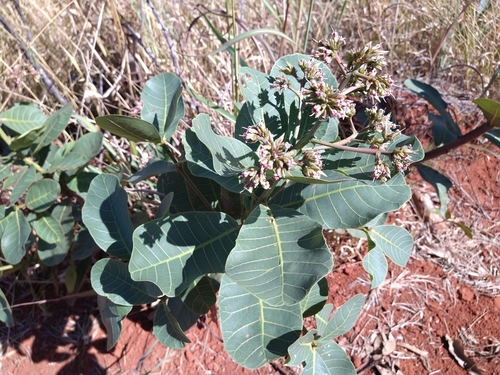
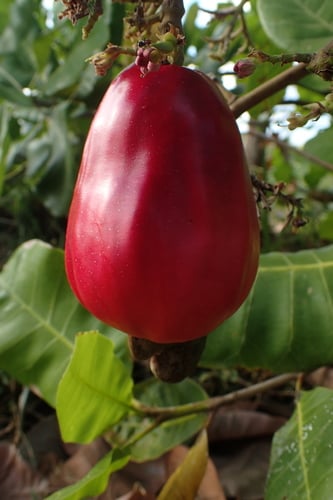
Buchanania macrocarpa
Lauterb.
gbif· cc0
President and Fellows of Harvard College
gbif· cc0
President and Fellows of Harvard College
gbif· cc0
President and Fellows of Harvard College
Summary
Source: WikipediaA tree in the Anacardiaceae family, Buchanania macrocarpa is native to an area in the southwest Pacific from the Solomon Islands to the northern Maluku Islands.
Description
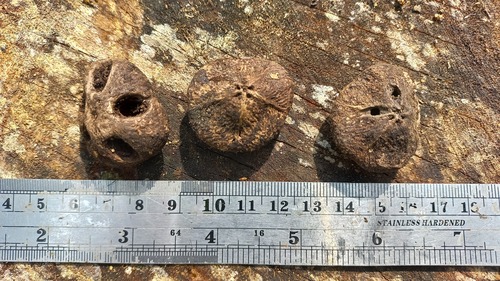
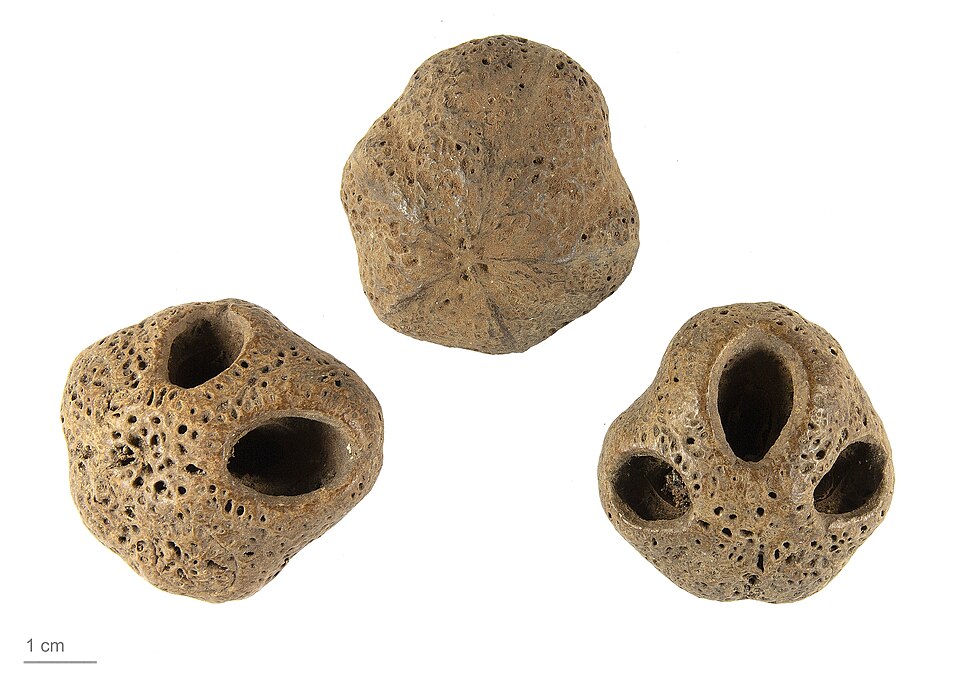
A large tree. It grows 30-39 m tall. The trunk is up to 100 cm across. The leaves are spaced along the branches in a spiral. The leaves are 26-45 cm long by 9-16 cm wide. They are green above and lighter underneath. The flowers are in a branch shoot in the axils of the leaves. They are white to cream. The fruit are 1.6-2.1 cm long. They are brown and fleshy.
Medicinal Uses
The leaves have been used for curing head-aches.
Distribution
It is a tropical plant.
Where It Grows
Asia, Indonesia, Papua New Guinea, PNG, SE Asia, Solomon Islands,
Other Uses
The bark is a source of tannins. The wood is used for interior finishing, light construction, joints, rafters, furniture, boxes, cases, and veneers. It is sometimes also used for making canoes. Reported to be durable only for a short time, all in all it is of rather inferior quality. Said to be harvested as a commercial hardwood in New Guinea.
Synonyms
Also Known As
Mamalava
References (1)
- World Checklist of Useful Plant Species 2020. Royal Botanic Gardens, Kew