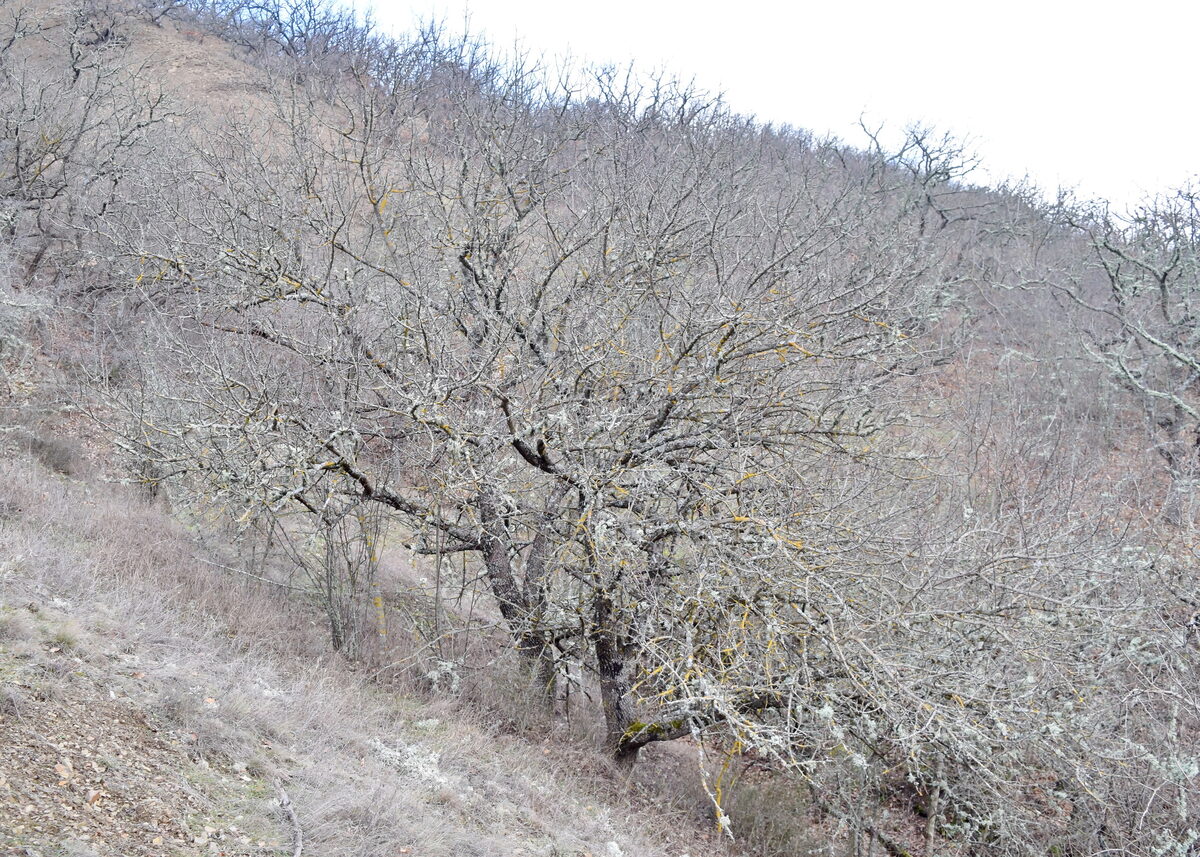
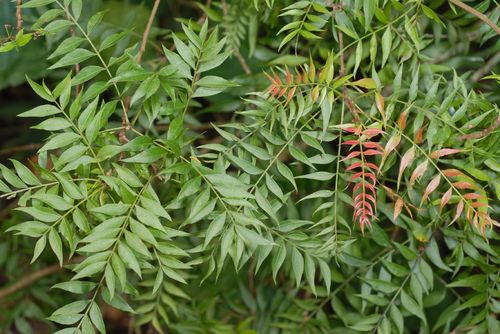
Anacardium nanum
St. Hil.
Dwarf cashew
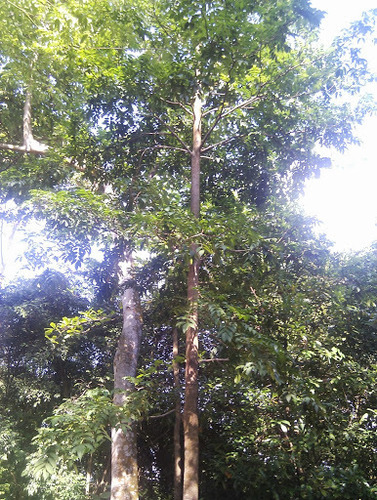
iNaturalist· cc-by
(c) Leonardo Bergamini, some rights reserved (CC BY), uploaded by Leonardo Bergamini
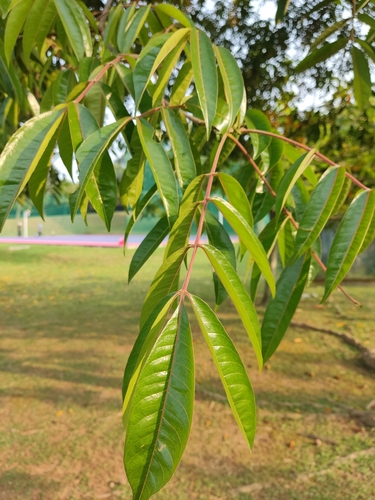
iNaturalist· cc-by-nc
(c) Laurent Quéno, some rights reserved (CC BY-NC), uploaded by Laurent Quéno
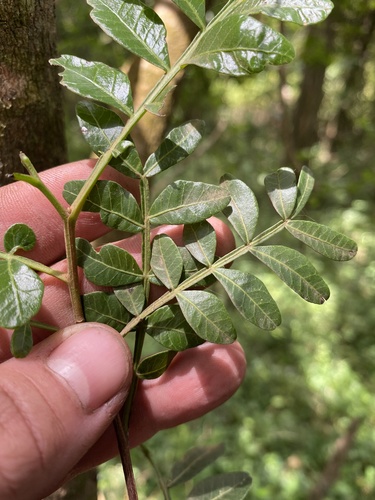
iNaturalist· cc-by-nc
(c) Laurent Quéno, some rights reserved (CC BY-NC), uploaded by Laurent Quéno
Description
A shrub. It has an underground stem. It grows 30 cm tall and spreads 60 cm wide. The leaves are alternate and simple. The fruit is small and fleshy. It hangs down.
Edible Uses
The nuts are eaten, and the fruit is used for jam.
Traditional Uses
The nuts are eaten. The fruit are used for jam.
This uses section is brief — help expand it
Distribution
A tropical plant. It grows on the Planalto in central Brazil.
Where It Grows
Brazil*, Paraguay, South America,
Notes
There are 8-11 Anacardium species. They grow in tropical America.
Synonyms
References (9)
- Bircher, A. G. & Bircher, W. H., 2000, Encyclopedia of Fruit Trees and Edible Flowering Plants in Egypt and the Subtropics. AUC Press. p 26
- Brazil: Biodiversity for Food and Nutrition. http://www.b4fn.org/countries/brazil/
- Flowerdew, B., 2000, Complete Fruit Book. Kyle Cathie Ltd., London. p 204
- Hedrick, U.P., 1919, (Ed.), Sturtevant's edible plants of the world. p 51
- Hunter, D., et al, 2019, The potential of neglected and underutilized species for improving diets and nutrition. Planta (2019) 250:709-729
Show all 9 references Hide references
- Martin, F.W., C.W. Campbell and R.M. Ruberté. 1987. Perennial edible fruits of the tropics - An inventory. United States Department of Agriculture, Agricultural Research Service, Agriculture Handbook No. 642. Washington, D.C., USA. p 79
- Mitchell, J.D. and S.A. Mori. 1987. The cashew and its relatives (Anacardium: Anacardiaceae). Mem. NY Bot. Gard.
- Wickens, G.E., 1995, Edible Nuts. FAO Non-wood forest products. FAO, Rome. p 105
- www.colecionandofrutas.org