Anacardium humile
A. St. Hil.
Monkey nut, Cajui
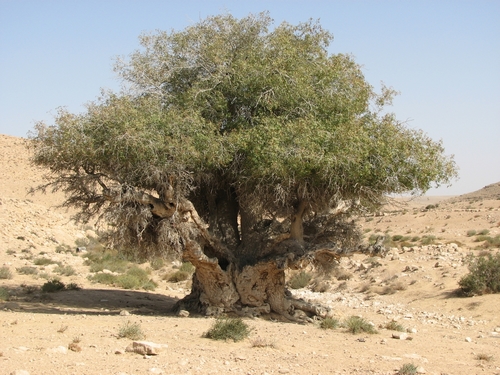
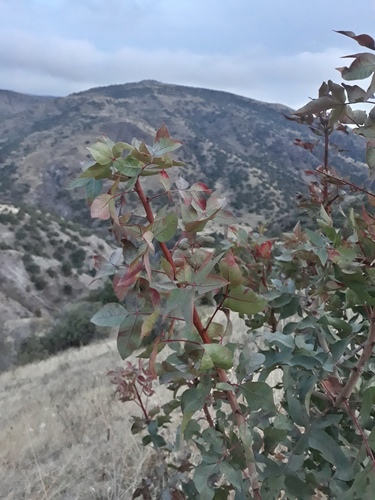
iNaturalist· cc-by-nc
(c) Maria José e Pedro Costa, some rights reserved (CC BY-NC), uploaded by Maria José e Pedro Costa
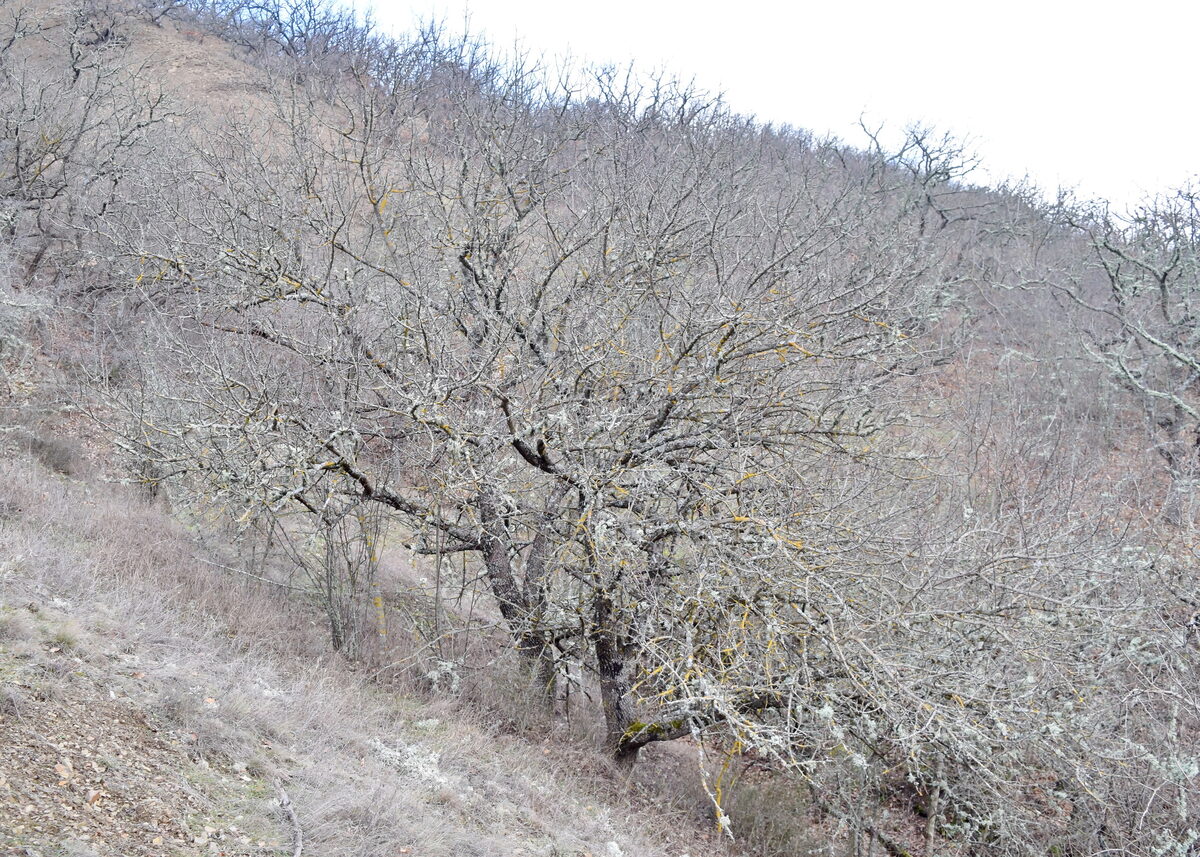
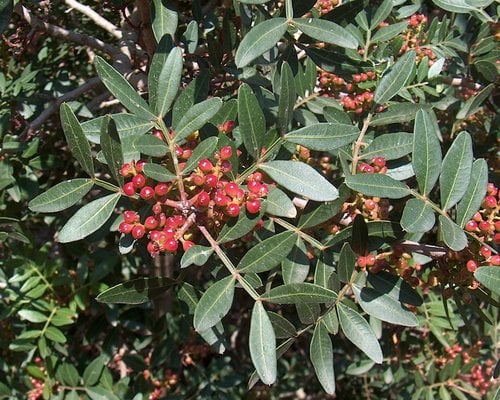
iNaturalist· cc-by-nc
(c) luedemann_g, some rights reserved (CC BY-NC)
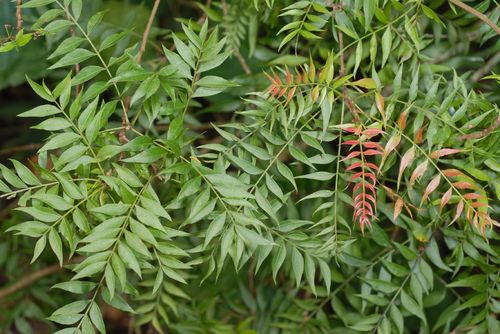
iNaturalist· cc-by-nc
(c) Sergio R Porto, some rights reserved (CC BY-NC)
Summary
Source: WikipediaAnacardium humile, a plant species from the genus Anacardium and the family Anacardiaceae, is known for its medicinal and insecticidal properties. The shrub is commonly found in the Brazilian Pantanal and Cerrado. Common names include monkey nut, dwarf cashew nut, cajui, cajuzinho-do-cerrado, and caju-do-campo.
Description
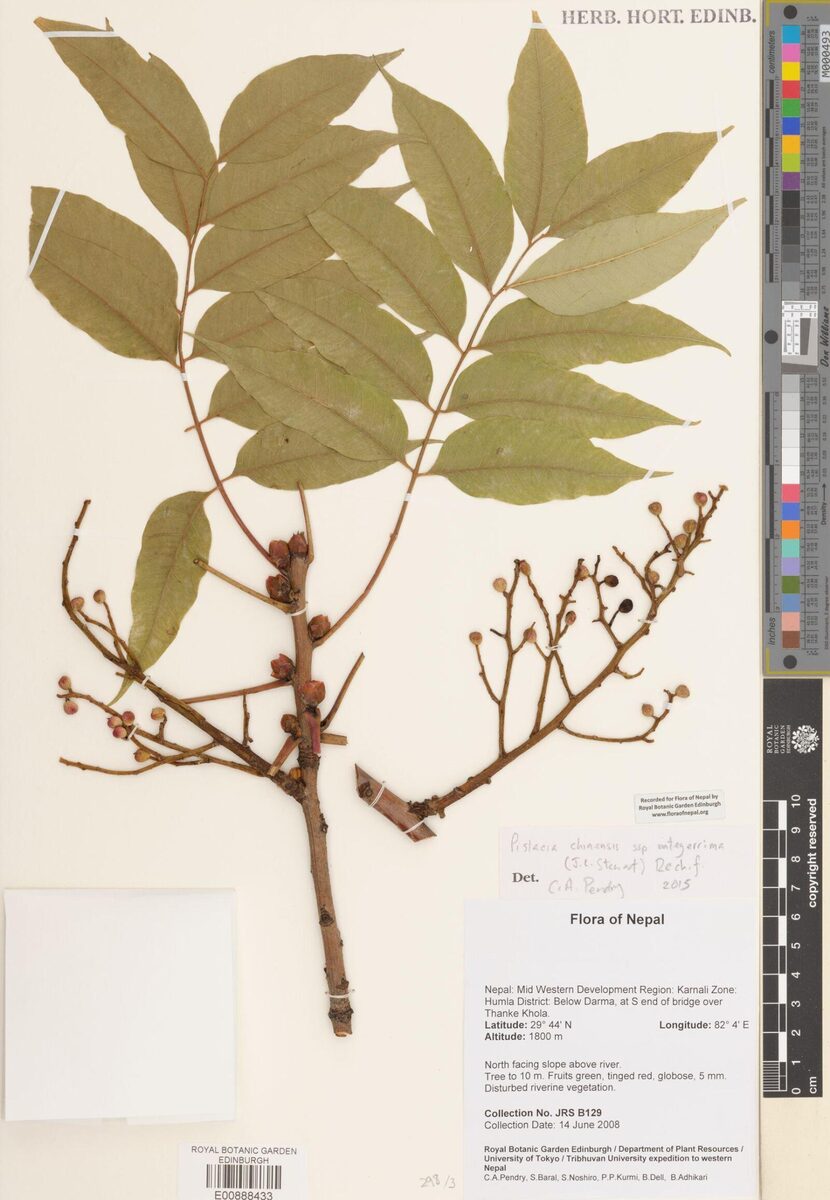
It is a small shrub. It grows 1-2 m high. It has a woody base. It is sometimes only 30-90 cm high and loses some of its leaves during droughts. The leaves are leathery and 10-30 cm long. The flowers have a scent. They are white but turn pink. The flowers contain both sexes. It produces a fruit (nut) very similar to the cashew. It has a swollen fruit like a cashew where the stalk becomes large and fleshy. It is smaller and more acid.
Edible Uses
The fleshy fruit stalks are eaten fresh, made into jam, juice, and wine. The nuts are roasted and eaten.
Traditional Uses
The fleshy fruit stalks are eaten fresh. They are also used for jam. They are also made into juice and wine. The nut is roasted and eaten.
This uses section is brief — help expand it
Medicinal Uses
Recognized as having anti-ulcer properties and is nutrient rich.
Distribution
A tropical plant. It grows best in drier tropical climates. It grows in the savannas in Brazil.
Where It Grows
Amazon, Bolivia, Brazil*, Paraguay, South America,
Cultivation
Plants are grown from seed.
Notes
There are 8-11 Anacardium species. They grow in tropical America. It has anti-ulcer properties. It is recognised as nutrient rich.
Nutrition
| Part | Moisture | kJ | kcal | Protein | Vit A | Vit C | Iron | Zinc |
|---|---|---|---|---|---|---|---|---|
| Nuts | 3.2 | 2534 | 611 | 22.7 | — | 153.2 | 3.9 | 5 |
| Fruit stalk | — | — | — | — | — | — | — | — |
Synonyms
Also Known As
Cajueiro-de-campo, Caju-anao, Caju-rasteiro, Cajuzinho-do-campo, Cajuzinho-do-cerrado
References (16)
- Ann. Sci. Nat. (Paris) 23:272. 1831
- Bircher, A. G. & Bircher, W. H., 2000, Encyclopedia of Fruit Trees and Edible Flowering Plants in Egypt and the Subtropics. AUC Press. p 26
- Bortolotto, I. M., et al, 2018, Lista preliminar das plantas alimenticias nativas de Mato Grosso do Sul, Brasil. Iheringia, Serie Botanica, Porto Alegre, 73 (supl.):101-116
- Brazil: Biodiversity for Food and Nutrition. http://www.b4fn.org/countries/brazil/
- Flowerdew, B., 2000, Complete Fruit Book. Kyle Cathie Ltd., London. p 204
Show all 16 references Hide references
- Fouqué, A. 1972. Espèces fruitières d'Amérique tropicale. Institut français de recherches fruitierès outre-mer (ifac)
- Hedrick, U.P., 1919, (Ed.), Sturtevant's edible plants of the world. p 51
- Hunter, D., et al, 2019, The potential of neglected and underutilized species for improving diets and nutrition. Planta (2019) 250:709-729
- Lorenzi, H., Bacher, L., Lacerda, M. & Sartori, S., 2006, Brazilian Fruits & Cultivated Exotics. Sao Paulo, Instituto Plantarum de Estuados da Flora Ltda. p 34
- Martin, F. W., et al, 1987, Perennial Edible Fruits of the Tropics. USDA Handbook 642 p 79
- Mitchell, J.D. and S.A. Mori. 1987. The cashew and its relatives (Anacardium: Anacardiaceae). Mem. NY Bot. Gard.
- NYBG herbarium "edible"
- Oliviera V. B., et al, 2012, Native foods from Brazilian biodiversity as a source of bioactive compounds. Food Research International 48 (2012) 170-179
- Paz, F. S., et al, 2021, Edible Fruit Plant Species in the Amazon Forest Rely Mostly on Bees and Beetles as Pollinators. Journal of Economic Entomology, XX(XX), 2021, 1–13
- Wickens, G.E., 1995, Edible Nuts. FAO Non-wood forest products. FAO, Rome. p 105
- World Checklist of Useful Plant Species 2020. Royal Botanic Gardens, Kew