Anacardium microcarpum
Ducke
Miniature cashew
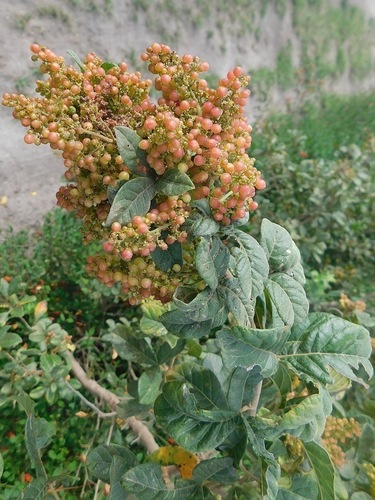
wikimedia· cc-by-sa
Wikimedia Commons - Abhishek Jacob
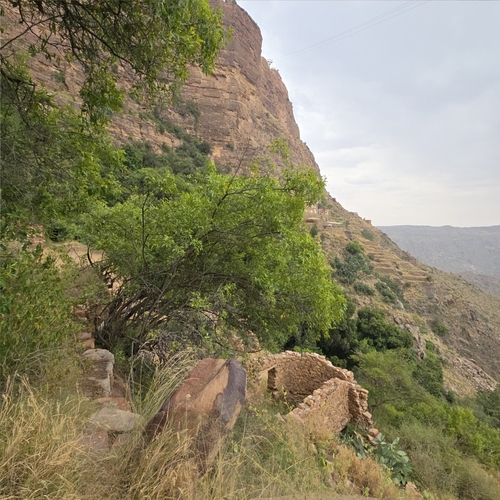
wikimedia· cc-by-sa
Wikimedia Commons - daSupremo
wikimedia· cc0
Wikimedia Commons - Franz Eugen Köhler, Köhler's Medizinal-Pflanzen
Description
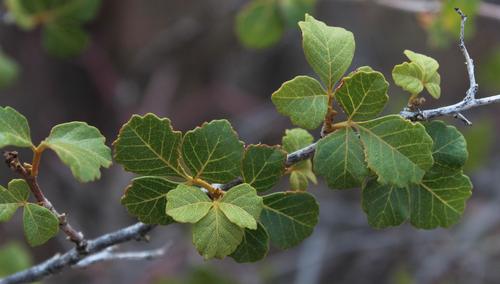
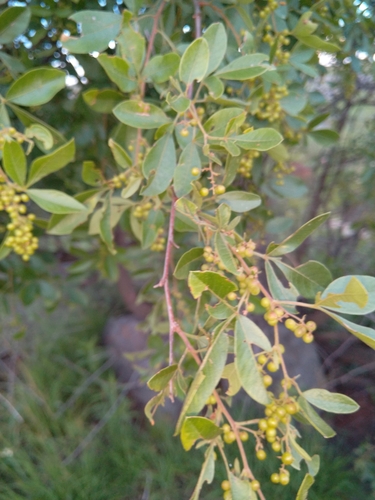
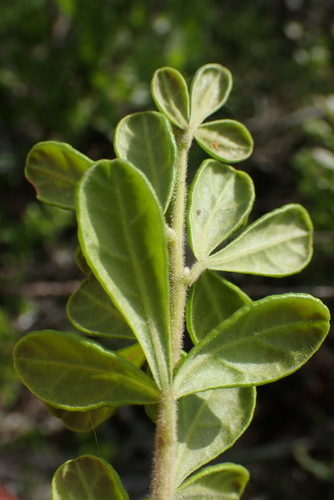
A small tree. It grows 4-8 m high. It loses many leaves during the year. The leaves are leathery and 20-30 cm long. The flowers have male and female parts in the same stalk. The branched flower stalks are 20-40 cm long. The fruit are fleshy, fattened flower stalks. The nut is at the end.
Edible Uses
The fleshy fruit stalks are eaten fresh or used for juice. The nuts are roasted and eaten.
Traditional Uses
The fleshy fruit stalks are eaten fresh. The fruit are used for juice. The nut is roasted and eaten.
This uses section is brief — help expand it
Known Hazards
Some people are allergic to cashews, but they are a less frequent allergen than other tree nuts or peanuts. For up to 6% of children and 3% of adults, consuming cashews may cause allergic reactions, ranging from mild discomfort to life-threatening anaphylaxis. These allergies are triggered by the proteins found in tree nuts, and cooking often does not remove or change these proteins. Reactions to cashew and tree nuts can also occur as a consequence of hidden nut ingredients or traces of nuts that may inadvertently be introduced during food processing, handling, or manufacturing. The shell of the cashew nut contains oil compounds that can cause contact dermatitis similar to poison ivy, primarily resulting from the phenolic lipids, anacardic acid, and cardanol. Because it can cause dermatitis, cashews are typically not sold in the shell to consumers. Cardanol, which can be readily and inexpensively extracted from the waste shells, is under research for its potential applications in nanomaterials and biotechnology.
Distribution
It is a tropical plant. It grows in scrubland and non flooded areas in the lower Amazon in Brazil.
Where It Grows
Amazon, Brazil*, South America,
Cultivation
Plants are grown from seed.
Synonyms
Also Known As
Cajui, Caju-de-campo, Caju-miniatura