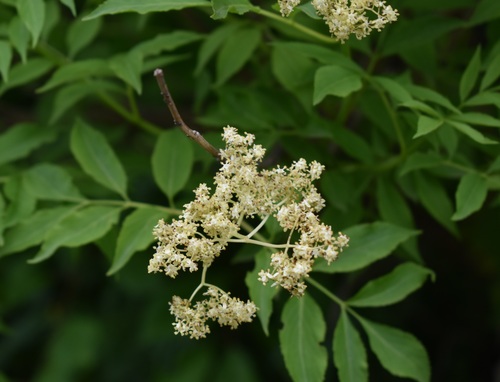
Viburnum tinus
L.
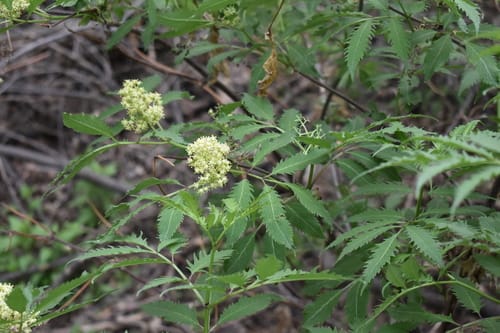
iNaturalist· cc-by-nc-sa
(c) Cassiopée2010, some rights reserved (CC BY-NC-SA)
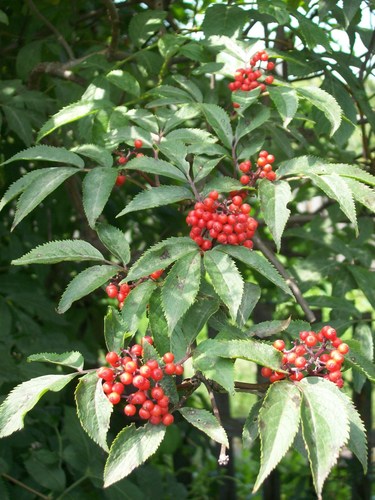
iNaturalist· cc-by-nc
(c) berengerekusiak, some rights reserved (CC BY-NC)
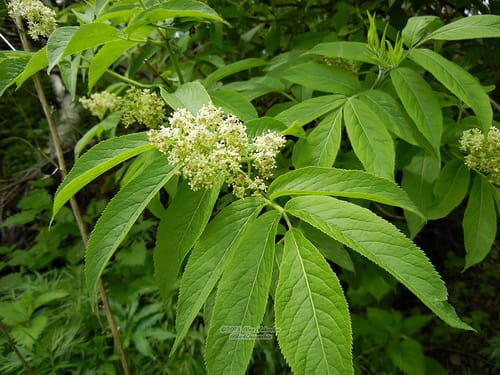
iNaturalist· cc-by-nc
(c) berengerekusiak, some rights reserved (CC BY-NC)
Summary
Source: WikipediaViburnum tinus, the laurustinus, laurustine or laurestine, is a species of flowering plant in the family Adoxaceae, native to the Mediterranean area of Europe and North Africa. Laurus signifies the leaves' similarities to bay laurel.
Description
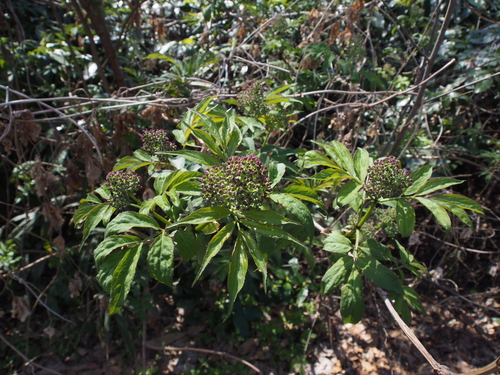
A shrub or small tree. It grows 3 m tall. The leaves are leathery and dark green above and hairy underneath. The flowers are white and in dense flat clusters. The fruit is round and bluish-black.
Edible Uses
None known
Medicinal Uses
None known
Known Hazards
None known
Distribution
It is a temperate plant.
Where It Grows
Australia, Central Asia, Europe, Pakistan, Spain, Switzerland, Tajikistan, Tasmania,
Cultivation
An easily grown plant, succeeding in both acid and alkaline soils but it is ill-adapted for poor soils and dry situations. Prefers a deep rich loamy soil in sun or semi-shade but flowers better in a sunny position. Grows well in heavy clay soils. Best if given shade from the early morning sun in spring. Thrives in moderate shade but is better in full sun. A fairly wind resistant plant but it requires shelter from cold northerly and north-easterly winds. This species is hardy to about -10°c, it does not thrive in the colder areas of the country. A very variable plant, there are a number of named varieties. Fast growing when young, though slowing with age. Very tolerant of pruning, plants quickly regenerate even from old wood. Plants give off an offensive smell in wet weather. Plants occasionally self-sow in Britain. Plants are self-incompatible and need to grow close to a genetically distinct plant in the same species in order to produce fruit and fertile seed.
Propagation
Seed is best sown in a cold frame as soon as it is ripe. Germination can be slow, sometimes taking more than 18 months. If seed is harvested green — fully developed but not yet fully ripened — and sown immediately in a cold frame, it should germinate in spring. Stored seed requires 2 months warm then 3 months cold stratification and can still take 18 months to germinate. Prick out seedlings into individual pots when large enough to handle and grow on in a cold frame or greenhouse. Plant out into permanent positions in late spring or early summer of the following year. Softwood cuttings taken in early summer in a frame: pot up into individual pots once rooting begins and plant out in late spring or early summer the following year. Half-ripe cuttings, 5–8 cm long with a heel if possible, taken in July/August in a frame: pot up as soon as rooting starts. These cuttings can be difficult to overwinter and are best kept in a greenhouse or cold frame until the following spring before planting out. Mature wood cuttings taken in winter in a frame should root in early spring — pot up when large enough and plant out in summer if sufficient new growth has been made, otherwise overwinter in a cold frame and plant out the following spring. Layering of current season's growth in July/August takes 15 months.
Other Uses
Makes a fast-growing informal hedge, though it can be damaged in the most exposed positions. Suitable for use as a border, massing, screen, or specimen planting. Attracts butterflies and produces fragrant, attractive flowers.
Also Known As
Durillo, Lobeer-schneeball, Viorne-tin
References (2)
- Blanco-Salas, J., et al, 2019, Wild Plants Potentially Used in Human Food in the Protected Area “Sierra Grande de Hornachos” of Extremadura (Spain). Sustainability 2019, 11, 456
- Tasmanian Vascular Plant Census 2021