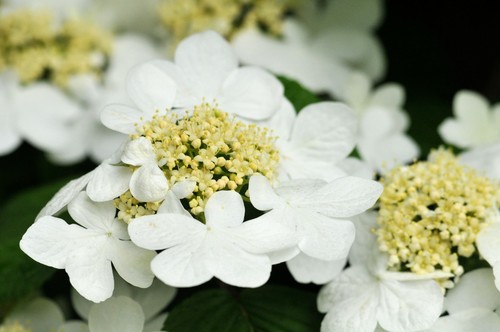
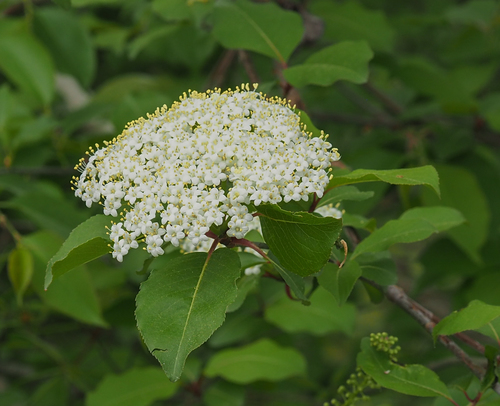
Sambucus sibirica
Nakai
Siberian elder
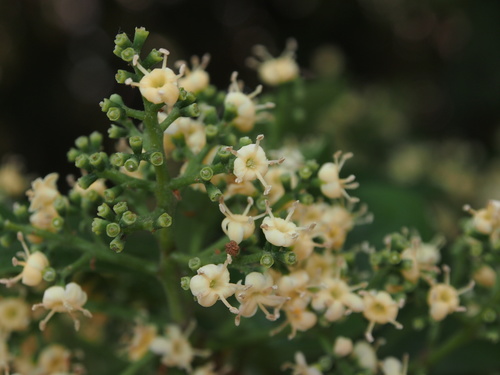
iNaturalist· cc-by-nc
(c) Dmitry Kuzmenckin, some rights reserved (CC BY-NC), uploaded by Dmitry Kuzmenckin
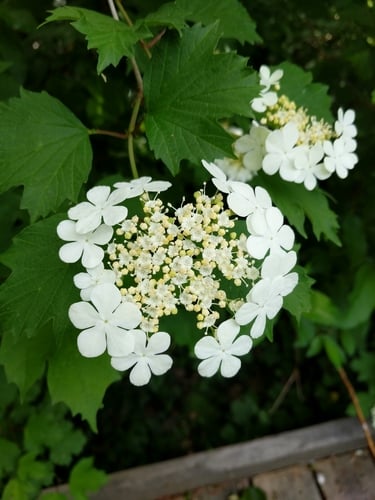
iNaturalist· cc-by-nc
(c) Alla Verkhozina, some rights reserved (CC BY-NC)
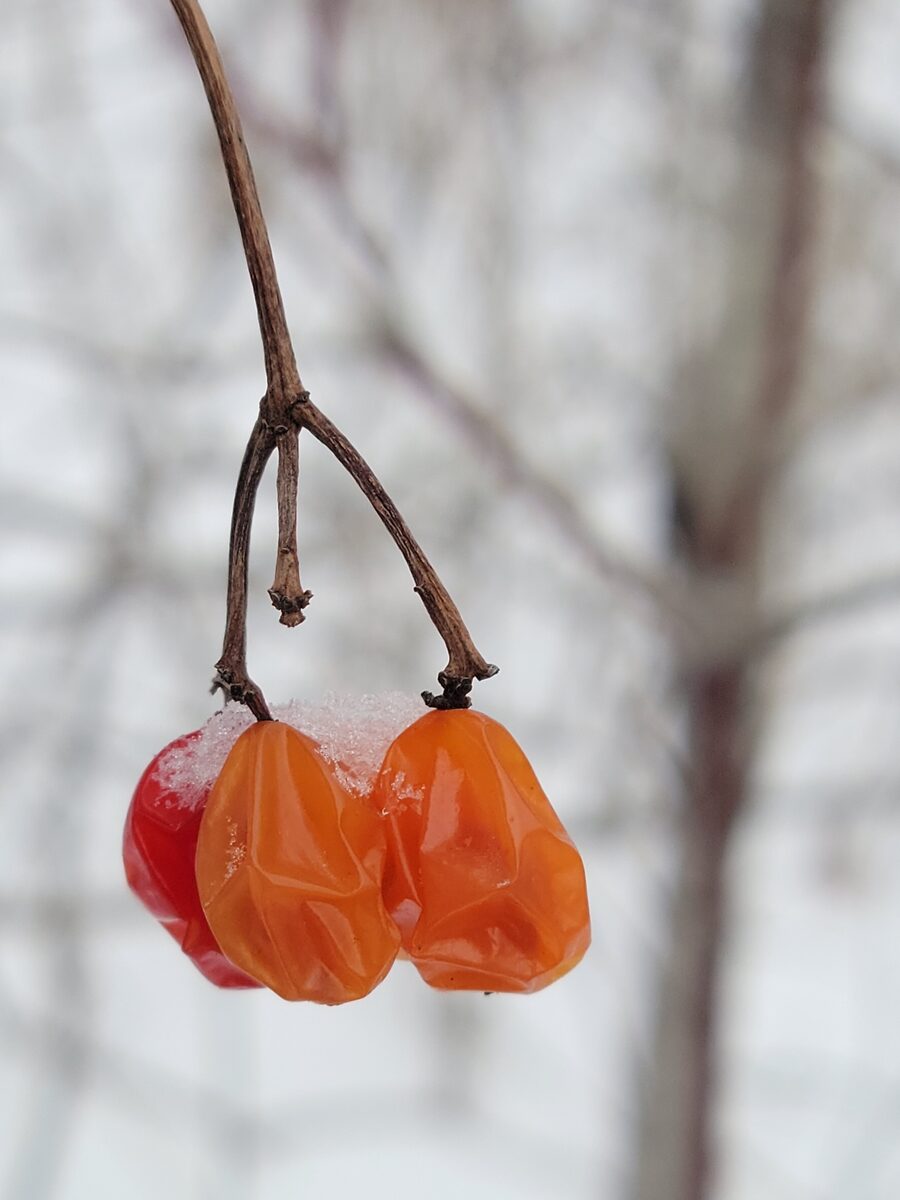
iNaturalist· cc-by-nc
(c) Alla Verkhozina, some rights reserved (CC BY-NC)
Description
A shrub. It grows 2-4 m tall. It loses its leaves during the year. The flowers are greenish yellow. The fruit are red and fleshy.
This description is brief — help expand it
Edible Uses
The fruit should be cooked before eating.
Traditional Uses
The fruit should be cooked.
This uses section is brief — help expand it
Distribution
It is a temperate plant.
Where It Grows
Central Asia, China, Mongolia, Russia, Siberia,
Cultivation
It can be grown by seed or cuttings of fresh shoots.
Dangerous Lookalikes
This plant can be confused with the following toxic species. Always verify identification carefully before consuming any wild plant.
Pokeweed
Phytolacca americana
Jakec
Siberian elder
Sambucus sibirica
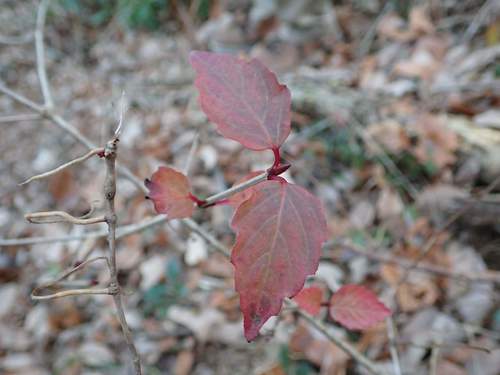
(c) Dmitry Kuzmenckin, some rights reserved (CC BY-NC), uploaded by Dmitry Kuzmenckin
Pokeweed: Thick red/purple herbaceous stems (no bark), berries in a line (raceme), simple large leaves, large white taproot.
Siberian elder: Woody bark, berries in broad flat clusters (cymes), compound leaves with 5-7 leaflets.
References (1)
- Zhang, Y. et al, 2020, Characteristics and utilization of plant diversity and resources in Central Asia. Regional Sustainability. Elsevier. p 6